
Avoiding phone use before bedtime for 30 days can have a clear impact on both sleep quality and daily functioning, as described in an article by Parade. The findings suggest that even small changes to evening routines can lead to noticeable improvements.
Better sleep quality after just a few days

Reducing screen time before bed can quickly lead to longer and more stable sleep. Within days, total sleep duration may increase, supporting better recovery.
Faster time to fall asleep

Limiting screen exposure makes it easier to fall asleep, as the body can wind down without stimulation from light and digital content.
Reduced need for sleep aids

As sleep patterns improve, reliance on supplements like melatonin may decrease without affecting the ability to fall asleep.
Also read: Comedian Tim Dillon raises doubts about Trump’s health and energy
Increased mental clarity
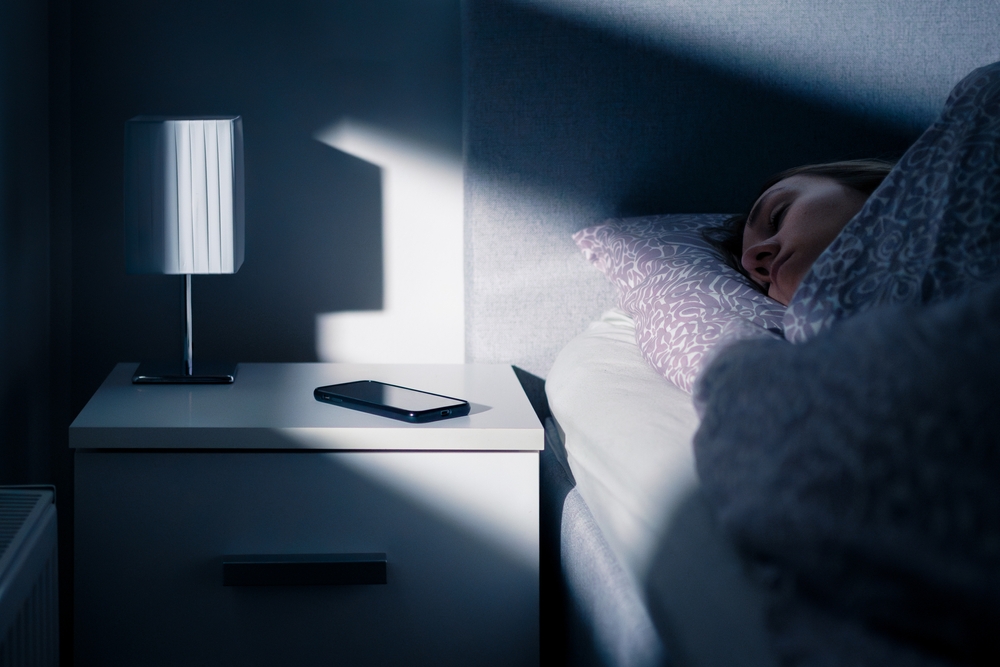
Better sleep contributes to clearer thinking and improved decision-making throughout the day.
Improved focus and concentration

Less fatigue results in fewer distractions and stronger concentration, supporting productivity in daily tasks.
Lower caffeine consumption

With more stable energy levels, the need for caffeine often decreases naturally.
Reduced overall screen time

Avoiding the phone at night can lead to less usage during the day, breaking the habit of constant checking.
Also read: Wash your hair like the Japanese – and get shiny hair at home
Fewer daily interruptions

The frequency of picking up the phone declines, allowing for longer periods of uninterrupted focus.
Greater sense of mental calm

Reduced exposure to news and social media in the evening can lower stress and create a calmer end to the day.
New habits such as reading

Replacing screen time with activities like reading can promote relaxation and help maintain the new routine.
The importance of consistent routines

Setting fixed times to stop using the phone can strengthen habit formation and improve long-term consistency.
Also read: How often experts recommend washing your bed sheets
Realistic expectations matter

While reducing screen time before bed is beneficial, sleep quality is also influenced by factors such as stress and daily habits.
Also read: Coffee and tea affect the brain differently, study finds
This article is made and published by Mie Hermansen, who may have used AI in the preparation.