
Guitarist Tom Dumont from the band No Doubt has shared his diagnosis of early-stage Parkinson’s, prompting The Sun to highlight the first symptoms of the disease.
Although the condition is often detected late, there are several early signs that many people overlook but should be aware of.
Smaller handwriting

A change in handwriting can be a sign. The writing typically becomes progressively smaller because movements become less forceful and more restricted.
Reduced sense of smell

Many people with Parkinson’s experience a weakened or completely lost sense of smell.
Also read: Cardiologist: These are the things I avoid after 6 PM
This can mean no longer being able to detect food or familiar scents, and it may occur several years before other symptoms appear.
Sleep problems
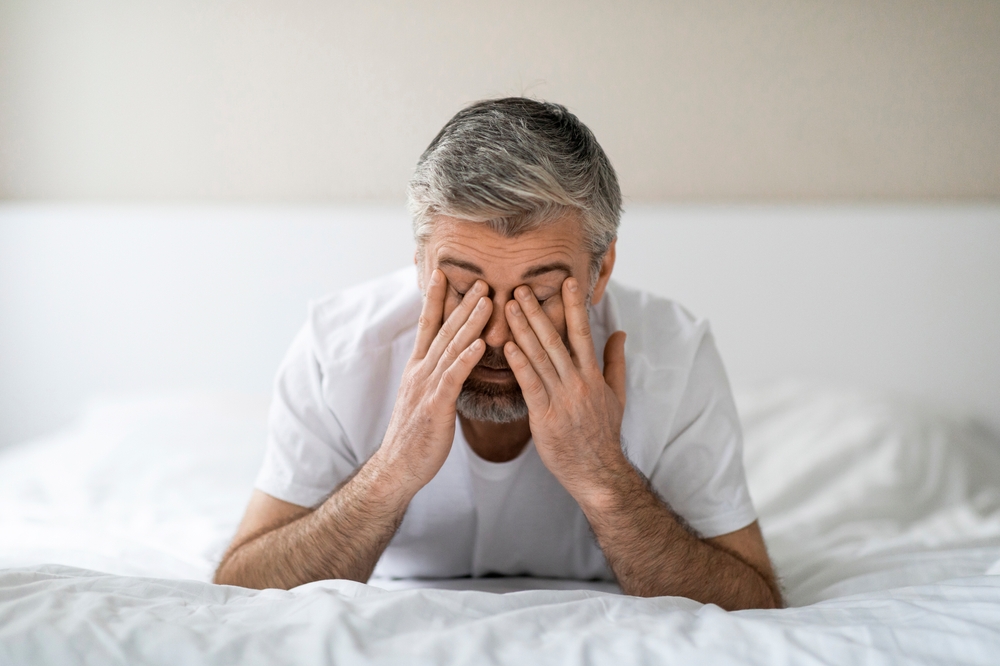
People with Parkinson’s often struggle with sleep.
This can include insomnia, restlessness, pain, or conditions such as sleep apnea, where breathing briefly stops during sleep.
Stiffness in the body

Muscle stiffness and cramps can make it difficult to perform simple actions such as writing, buttoning clothes, or getting out of bed.
Also read: Mascarpone is among the fattiest cheeses – here are healthier alternatives
Bladder and bowel problems

Frequent urination or a sudden urge to urinate may occur. Constipation is also a common symptom among people with the disease.
Fatigue

Persistent fatigue that does not go away with rest affects many people. Energy levels can fluctuate significantly from day to day.
Anxiety

Feelings of unease, worry, or fear are common in the early stages. This can also cause physical symptoms such as heart palpitations, sweating, and dizziness.
Involuntary movements

Tremors are a classic sign. They often begin in one hand and may later spread to other parts of the body on the same side.
Also read: A new study observes a short-term immune boost after sauna use
Slow movements

Movements become slower, making everyday tasks more difficult. Walking may change to shorter steps, and coordination can become impaired.
Depression

Around half of all people with Parkinson’s experience depression, according to The Sun.
It manifests as prolonged sadness, lack of energy, and difficulty concentrating.
The disease develops gradually
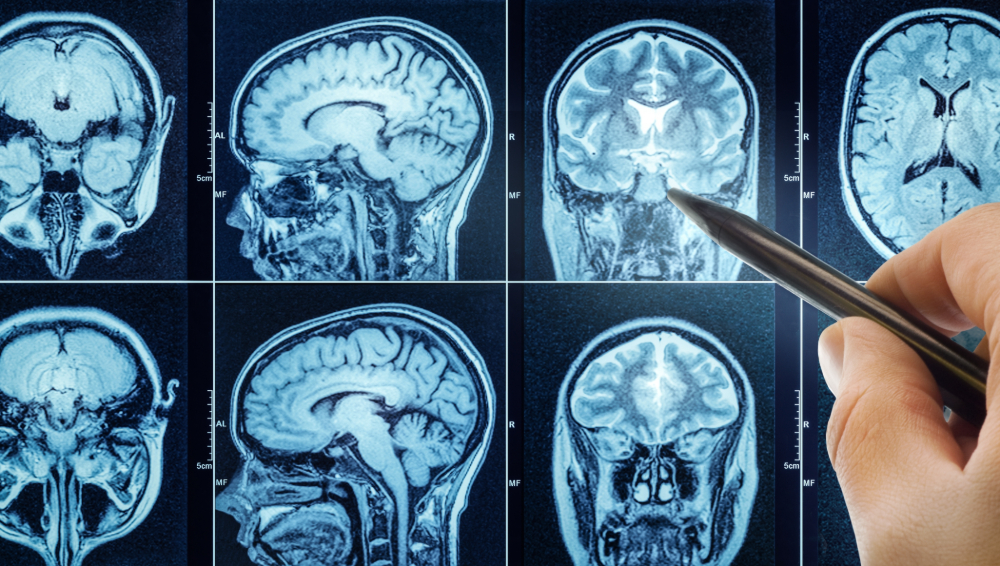
Parkinson’s is a progressive neurological disorder that worsens over time. Symptoms occur when the brain no longer produces enough dopamine.
Also read: Screens can disrupt your sleep – even if you get 8 hours
Treatment can relieve symptoms
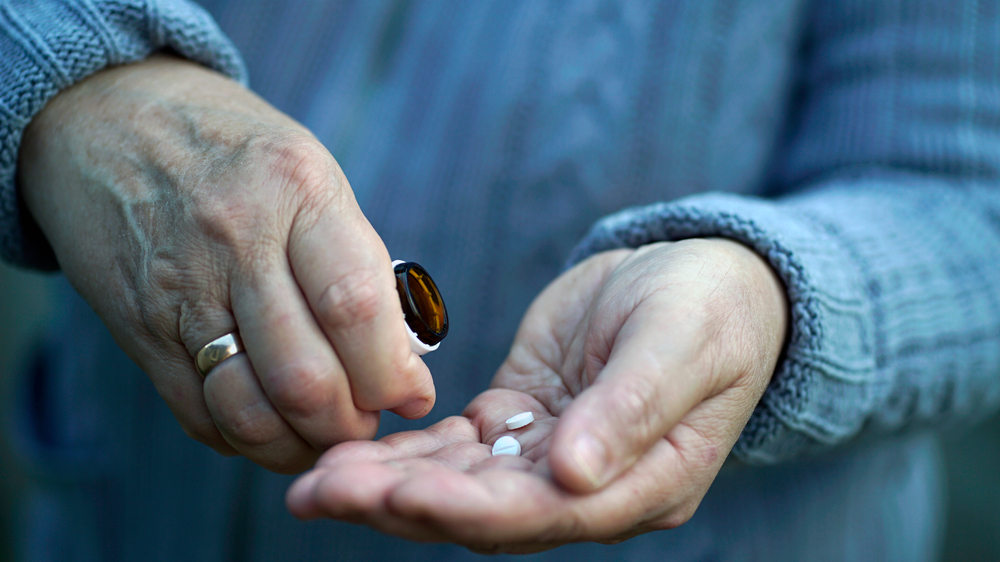
Although there is no cure, medication, physical activity, and therapies such as physiotherapy and speech training can significantly improve quality of life.
Sources: The Sun.
Also read: Doctor highlights five key foods in cancer prevention
This article is made and published by Ida-Marie Palm Varbæk, who may have used AI in the preparation.