
Dermatologist Sandra Lee was rushed to the hospital after suffering a stroke while filming her TV show. She is now sharing her experience to raise awareness about how quickly it can happen - and why recognizing the signs matters, reported by Newsner.
Sandra lee suffered a stroke during filming
Sandra Lee, best known from Dr. Pimple Popper, experienced a stroke while filming the second season of her series. The incident happened suddenly and forced her to stop working.
Early symptoms were dismissed

At first, she believed her symptoms were harmless, thinking they were just a hot flash. As a result, she did not immediately seek medical attention.
Her condition quickly worsened

After finishing work, she went to stay at her parents’ home. There, her condition began to deteriorate and the symptoms became more serious.
Also read: Why you should pick and eat dandelions in spring
Classic warning signs appeared

She began experiencing weakness on one side of her body, difficulty speaking, and trouble walking — all common signs of a stroke.
Doctors confirmed the diagnosis
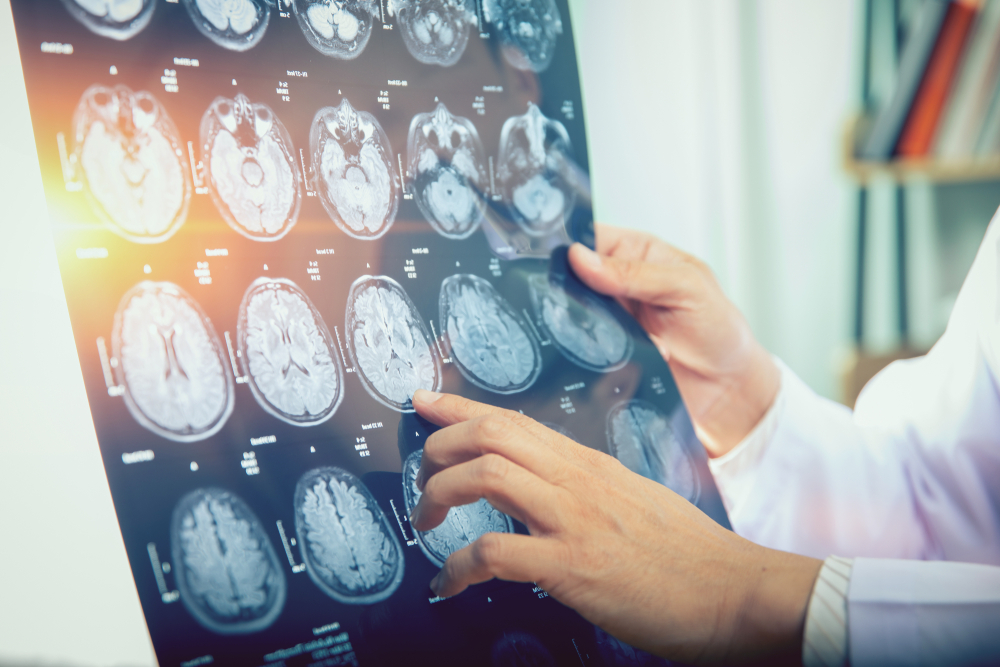
At the hospital, doctors determined that she had suffered an ischemic stroke, caused by a blockage that cuts off blood flow to the brain.
She was in shock

Despite being a physician, she found it difficult to accept what was happening and described the experience as surreal.
Part of her brain was damaged
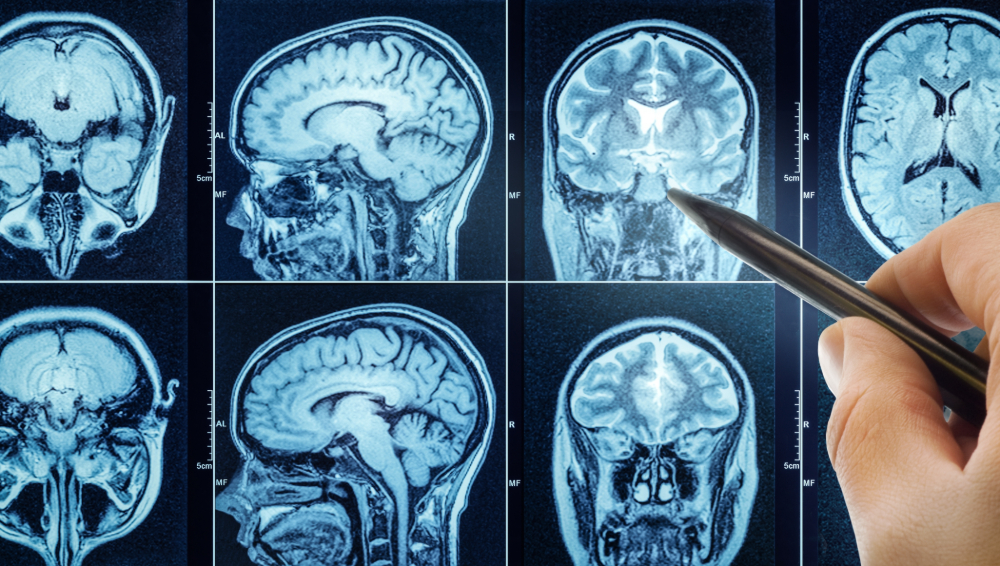
The stroke resulted in damage to a portion of her brain, affecting her physical and cognitive functions.
Also read: When low vitamin D isn’t about lack of sun
Recovery required rehabilitation

She had to pause her work and undergo physical therapy to regain strength and coordination.
Lasting effects remain
Even long after the incident, she still notices changes, especially in her speech, which is not the same as before.
Risk factors became clear

She later pointed to high blood pressure, cholesterol, and stress as contributing factors to her stroke.
Symptoms can be harder to recognize in women

Experts say women are more likely to experience subtle symptoms such as fatigue, confusion, or general weakness, which can delay treatment.
Five key warning signs

Sudden fatigue, general weakness, speech difficulties, numbness or pain in the body, and loss of balance are all warning signs that should be taken seriously.
Also read: Scientists explore new way to spot Alzheimer’s before symptoms
This article is made and published by Mie Hermansen, who may have used AI in the preparation.