
Eating dates daily can have several health benefits, but moderation is essential.
A small amount can contribute positively to the body, especially due to their fiber and nutrient content, according to Verywell Health.
Two dates can be an appropriate amount

A moderate portion of around two large or three small dates provides fewer calories and less sugar than larger servings.
Too many calories

If you eat too many dates, it can lead to a high calorie intake, as they are energy-dense.
Also read: How unhealthy is processed meat, really? A new study offers a more nuanced answer
Dates contain a lot of natural sugar

Although they contain no added sugar, they are rich in natural sugars such as glucose and fructose.
Rich in nutrients

Dates provide fiber as well as vitamins and minerals such as calcium, magnesium, potassium, niacin, folate, vitamin A, and selenium, making them a nutrient-dense food.
Fiber supports digestion
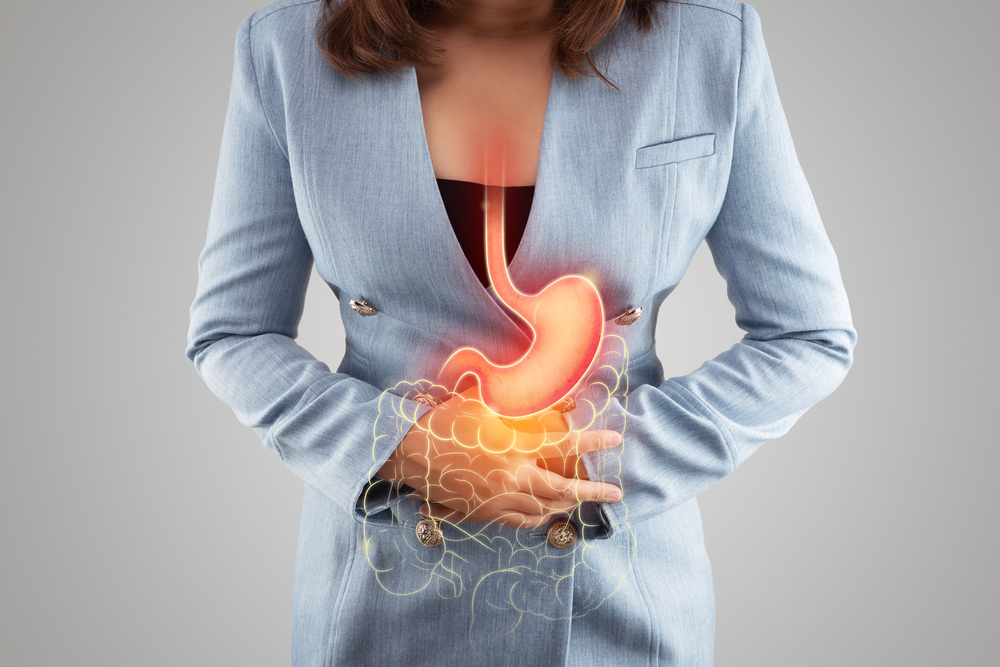
The high fiber content can support the digestive system and contribute to more stable bowel function.
Fiber positively affects blood sugar

The fiber in dates can slow the absorption of sugar into the bloodstream, resulting in a smaller rise in blood sugar levels.
Also read: Green, yellow, or ripe – which banana is actually the healthiest?
Low glycemic index

Dates have a low glycemic index, meaning they affect blood sugar less than many processed sweet foods.
Can be used as a sugar alternative

Dates can serve as a natural sweetener in cooking instead of refined sugar, as long as portion sizes are monitored.
Can support gut health
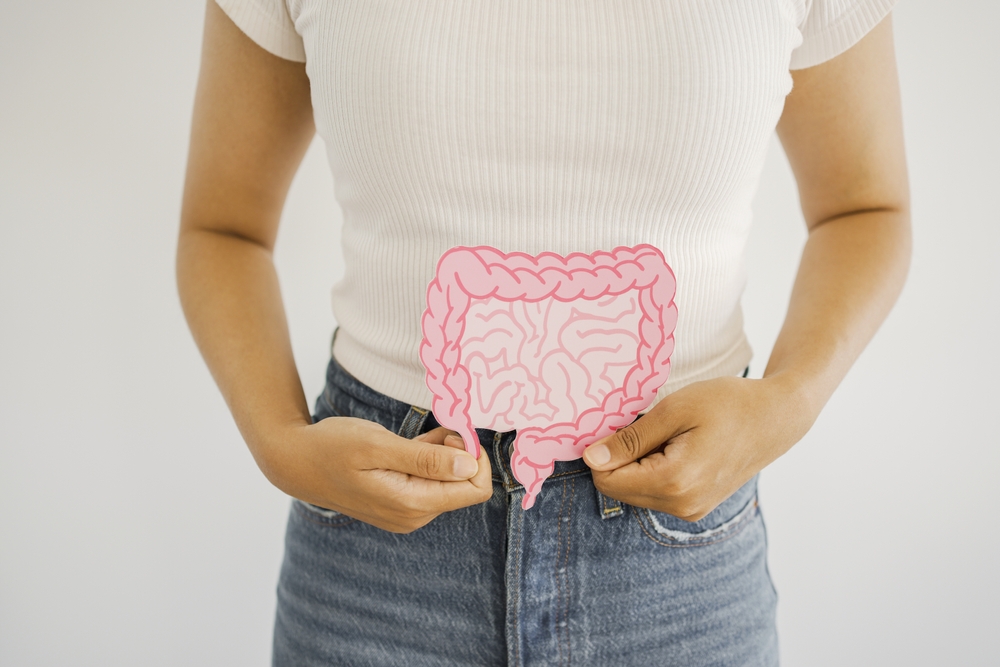
The fiber in dates can contribute to a healthy stomach and intestinal system and should be included as part of a varied diet.
Interaction with other high-fiber foods is important
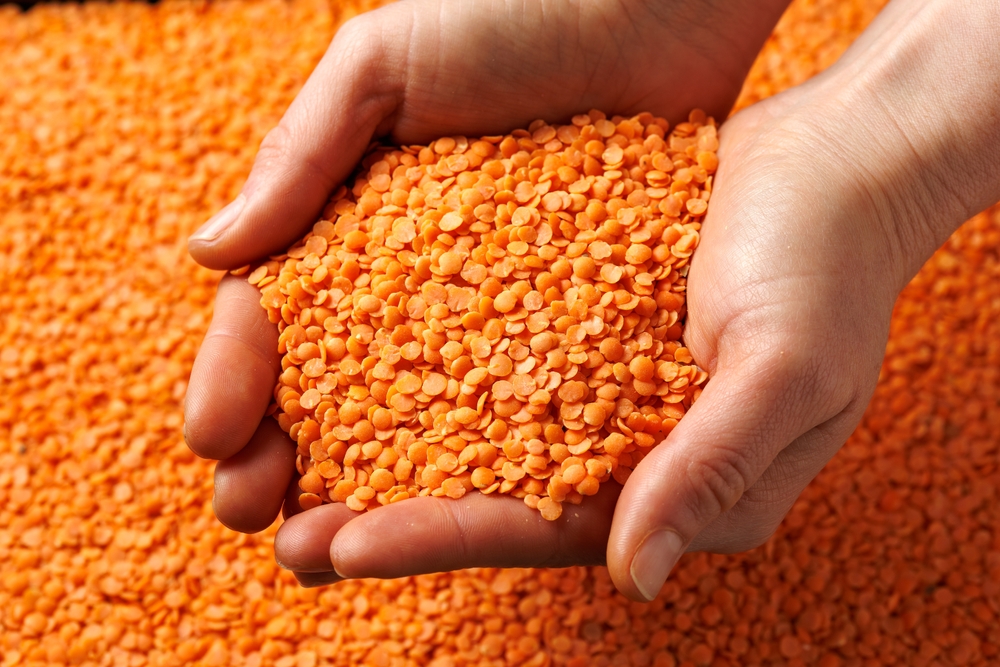
For optimal effect, dates should be combined with other sources of fiber such as vegetables, legumes, and whole grains.
Also read: TV star Sandra Lee thought the symptoms were harmless — suffered a stroke
Possible effect on gut microbiota

Consuming dates may have a positive impact on the balance of beneficial bacteria in the gut, although research is limited.
May affect cholesterol levels

Some studies suggest that dates may influence cholesterol and triglyceride levels, but the results are not conclusive.
Risk of digestive issues with overconsumption

A high intake may lead to diarrhea, while smaller amounts can help relieve constipation.
Alternatives to dates

Other dried fruits such as prunes, figs, and apricots can provide similar benefits, while fresh fruit generally contains fewer calories.
Also read: Why you should pick and eat dandelions in spring
Not a guarantee of better health

Although two dates a day can be part of a healthy diet, it does not automatically mean improved health.
Sources: Verywell Health.
Also read: When low vitamin D isn’t about lack of sun
This article is made and published by Ida-Marie Palm Varbæk, who may have used AI in the preparation.