
Chicken is a popular source of protein that many people eat regularly. But what does it actually mean for the body if it becomes a daily habit?
Here are the key insights based on research and nutrition information from EatingWell.
Essential amino acids
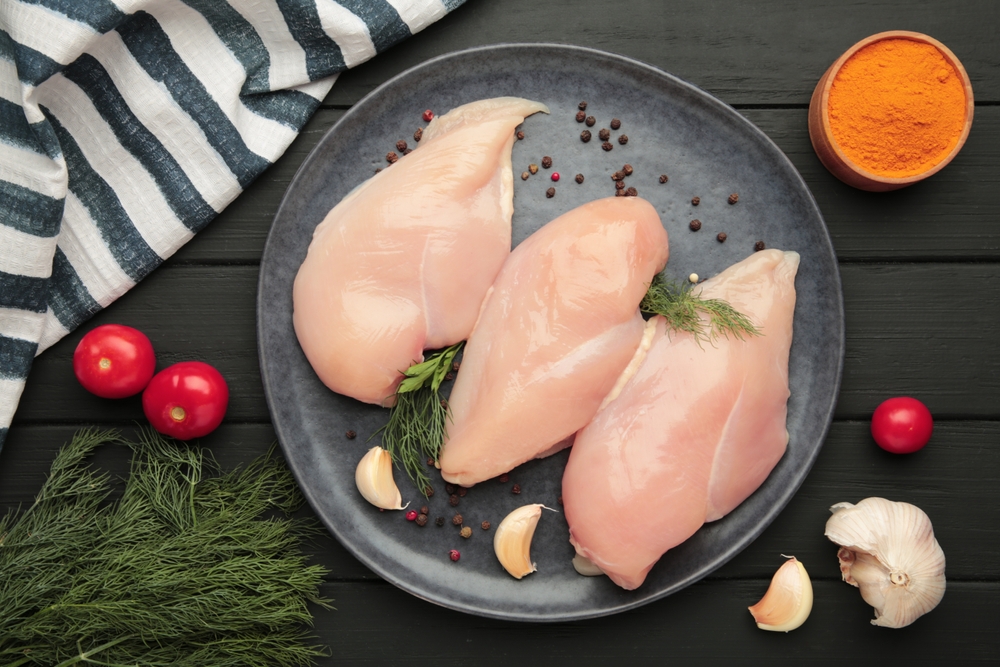
Chicken contains all nine essential amino acids that the body cannot produce on its own. These are necessary for building important proteins in the body.
Supports important bodily functions
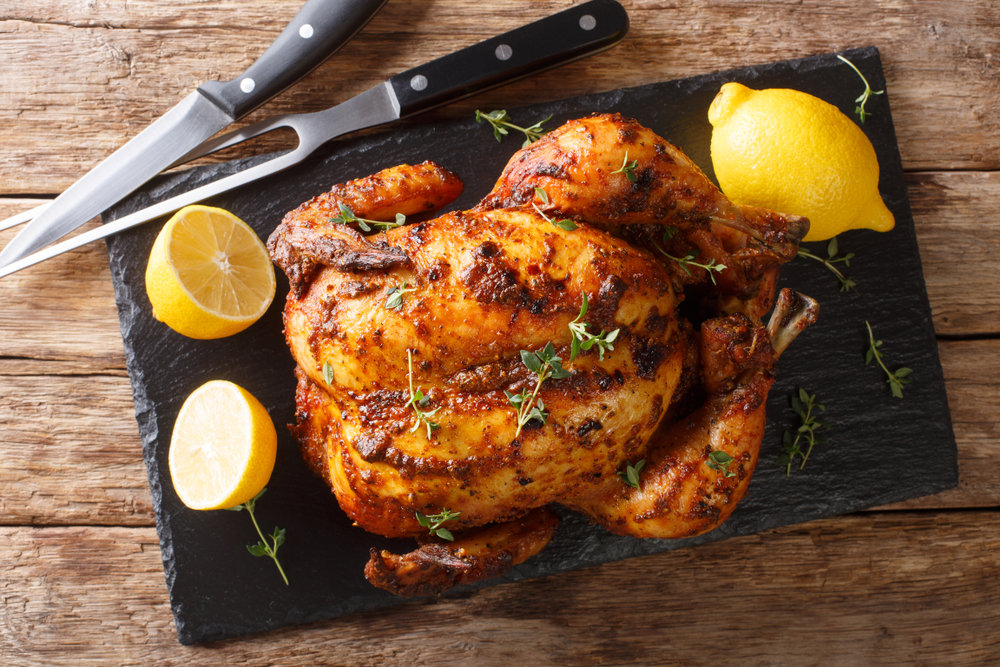
Proteins from chicken contribute to the production of hormones, immune cells, and muscle growth, all of which are crucial for the body’s functioning.
Also read: Health experts warn of symptoms as rotavirus spreads
Easier to meet protein needs
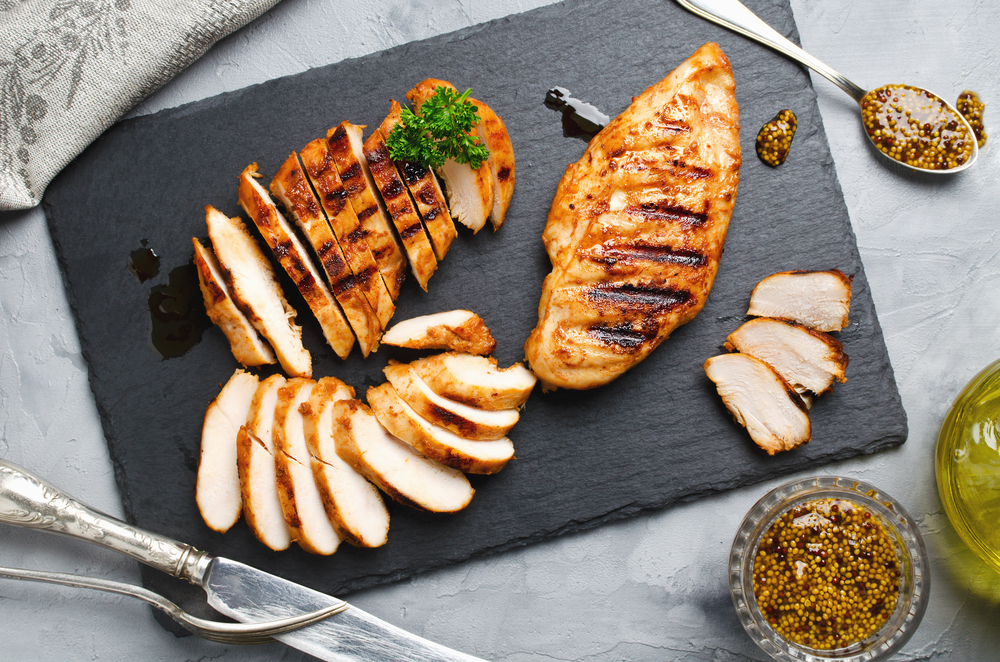
A serving of chicken of about 113 grams provides around 35 grams of protein, making it easier to meet daily requirements.
Cells and muscles
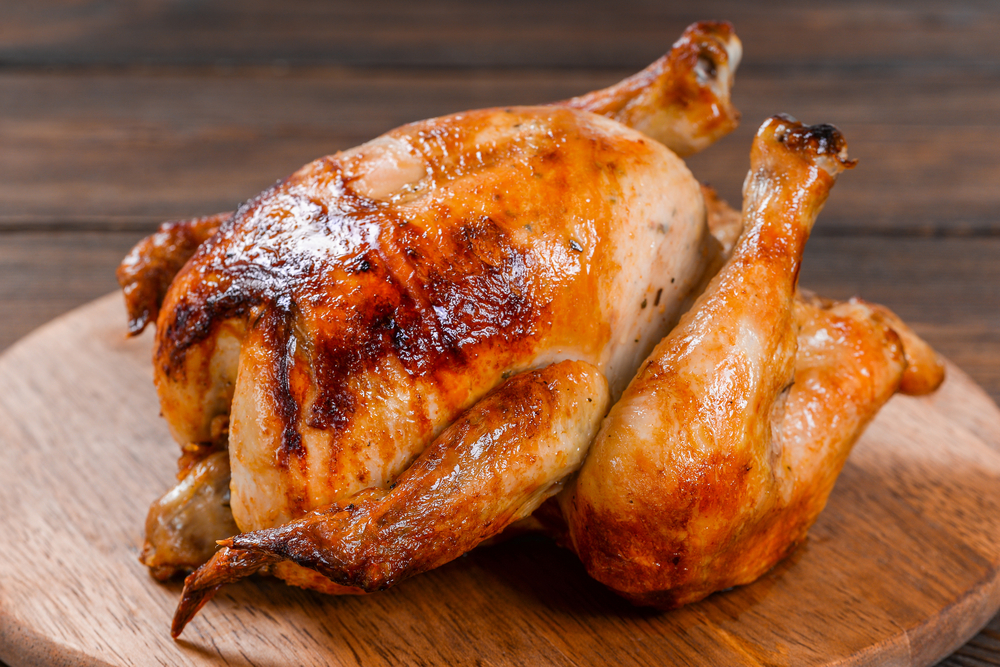
Protein helps the body repair and build cells, including muscle tissue, and is therefore a central part of the diet.
Protein requirements
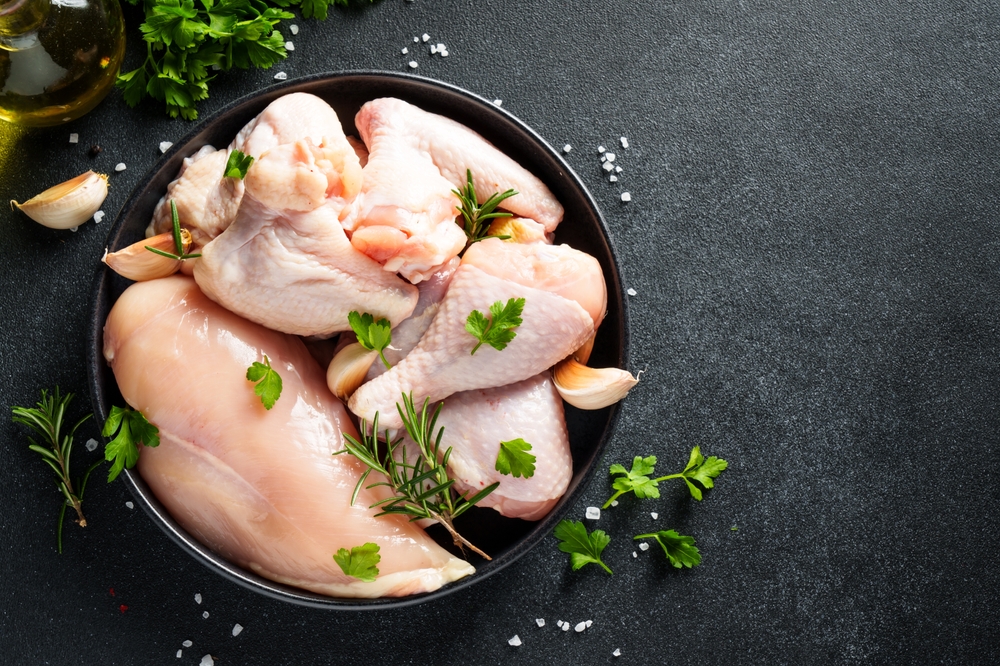
The recommended protein intake depends on body weight and life stage, and requirements may change over time.
Healthy metabolism
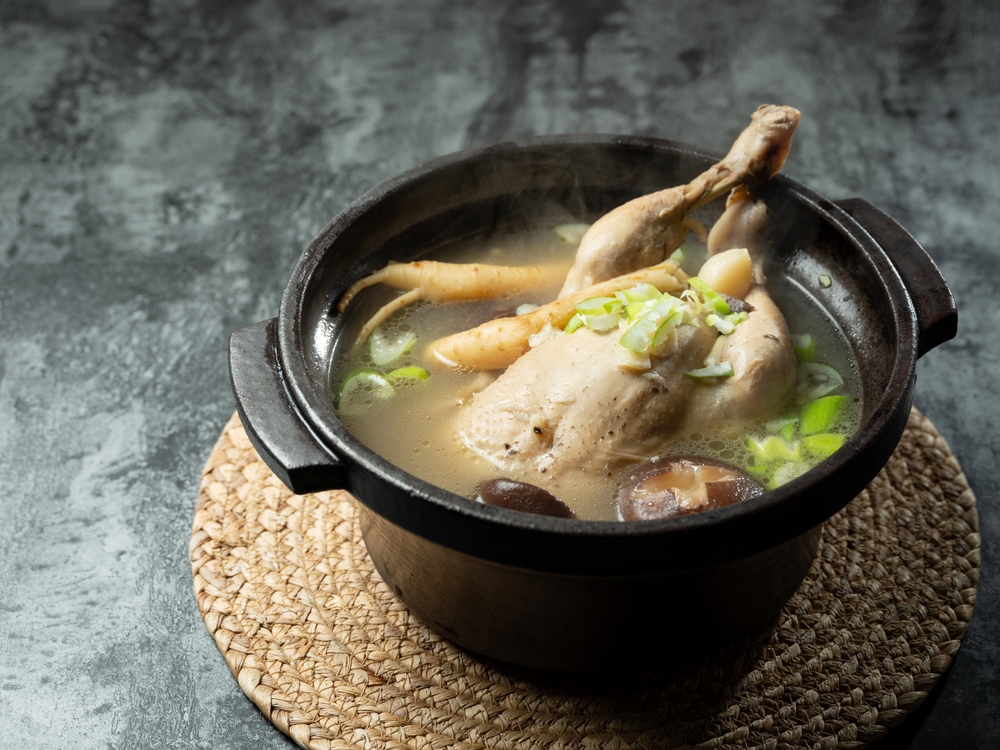
Chicken contains several B vitamins such as niacin, thiamin, and folate, which are important for metabolism.
Also read: New research: The pace determines how healthy your exercise is
B vitamins must be consumed daily
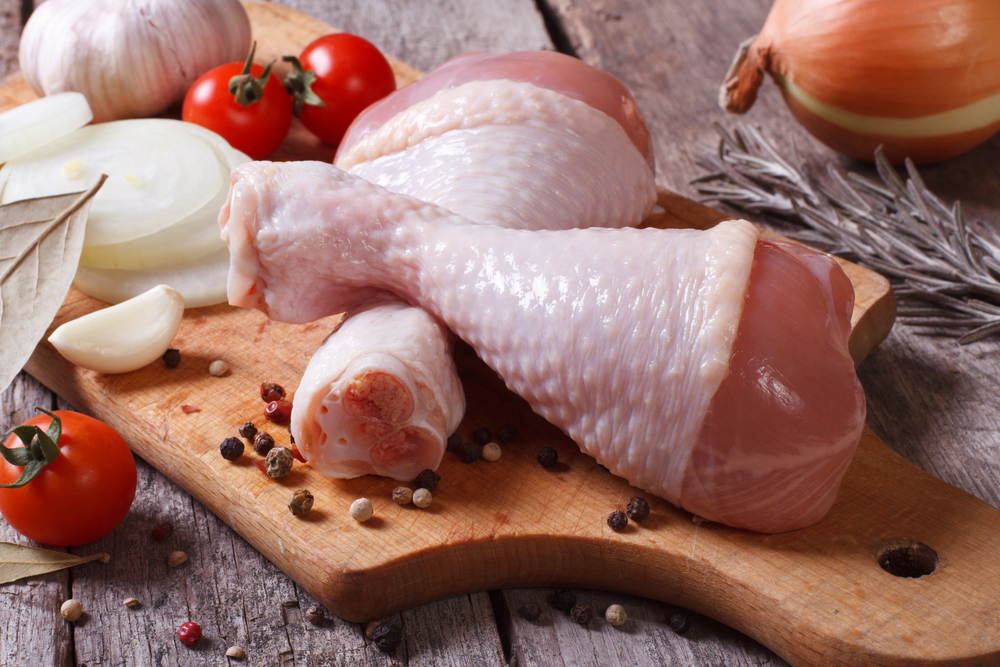
These vitamins are water-soluble and are not stored in the body, making daily intake necessary.
May support weight loss

A higher protein intake can increase the feeling of fullness, making it easier to control appetite.
Satiety can reduce calorie intake

Feeling full for longer may help reduce overall food intake and support weight loss goals, according to a study published in Nutrients.
Contains several nutrients
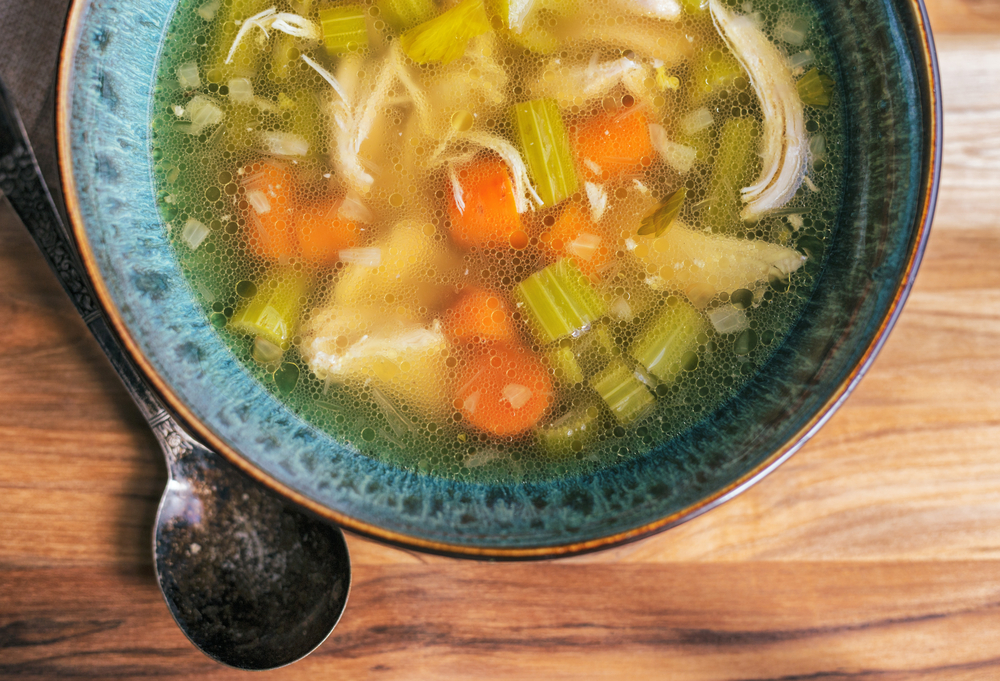
In addition to protein, chicken contains selenium, phosphorus, and vitamin B3, all of which play a role in the body’s functioning.
Also read: Patrick Muldoon’s death highlights heart attack warning signs
Different cuts have different nutrition

Chicken breast contains less fat and more protein, while chicken thighs contain more fat and have a higher calorie content.
Lack of variety

If chicken is the only protein source, you may miss out on other important nutrients from a varied diet.
Lack of healthy fats

Lean chicken contains very little fat, which can lead to a low intake of essential fatty acids such as omega-3.
Healthy fats

To achieve a more balanced diet, you can add fat sources such as olive oil or avocado alongside chicken.
Also read: Seeing your own blood vessels could help reduce cardiovascular risk, study finds
Variety in protein sources is important

Other protein sources such as fish, eggs, legumes, and nuts provide different nutrients and should be included in the diet.
Variety also makes meals more interesting
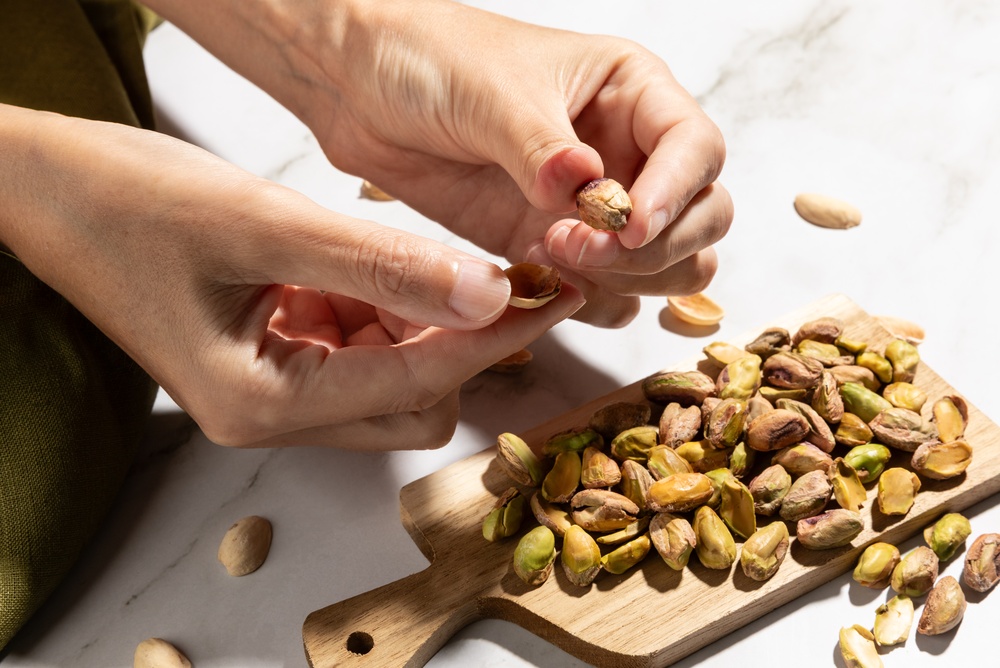
Switching between different protein sources can both improve nutrition and make meals more interesting.
Sources: EatingWell and Nutrients.
Also read: This happens in your body if you eat soy every day
This article is made and published by Ida-Marie Palm Varbæk, who may have used AI in the preparation.