
Soy products such as tofu, tempeh, and soy milk are included in certain diets, but their effects on the body are still debated.
Research points to both benefits and aspects to be aware of with daily intake, according to EatingWell.
High-quality protein
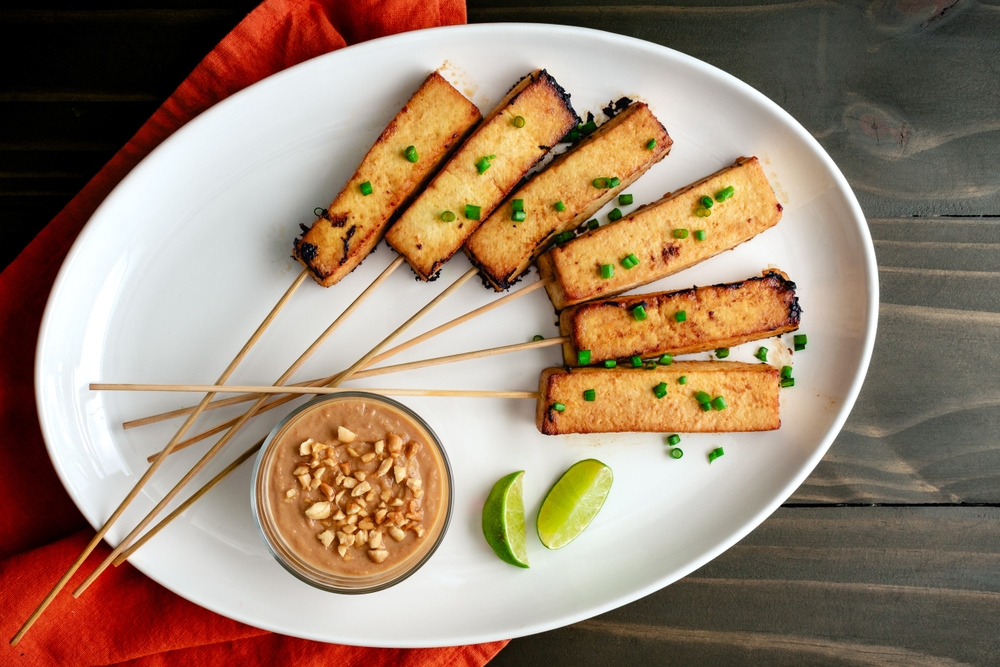
Soy contains protein that the body uses to build and repair muscles, skin, hair, and tissues, as well as to produce hormones and enzymes.
Tofu and edamame are especially rich in protein
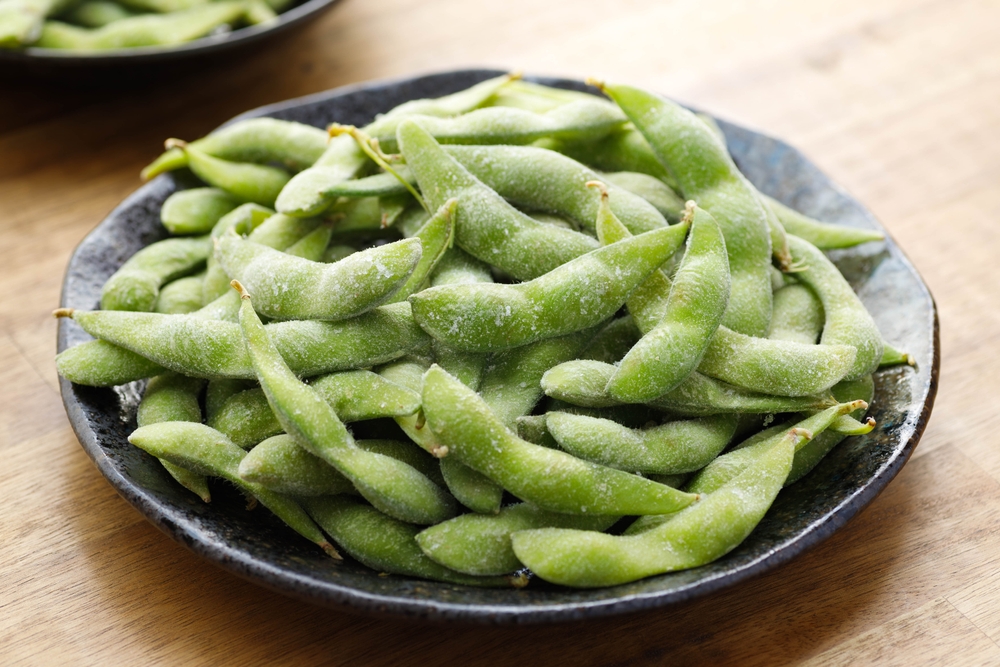
One cup of edamame provides about 18.4 grams of protein, while half a cup of firm tofu provides approximately 21.8 grams.
Also read: New research: Cooking may be linked to a lower risk of dementia
You can nearly meet your daily protein needs
By eating both edamame and tofu, it is possible to come close to the recommended daily protein intake for an adult.
It may reduce the risk of heart disease

A study published in Circulation found that people who ate tofu at least once a week had an 18 percent lower risk of heart disease.
Your LDL cholesterol may decrease
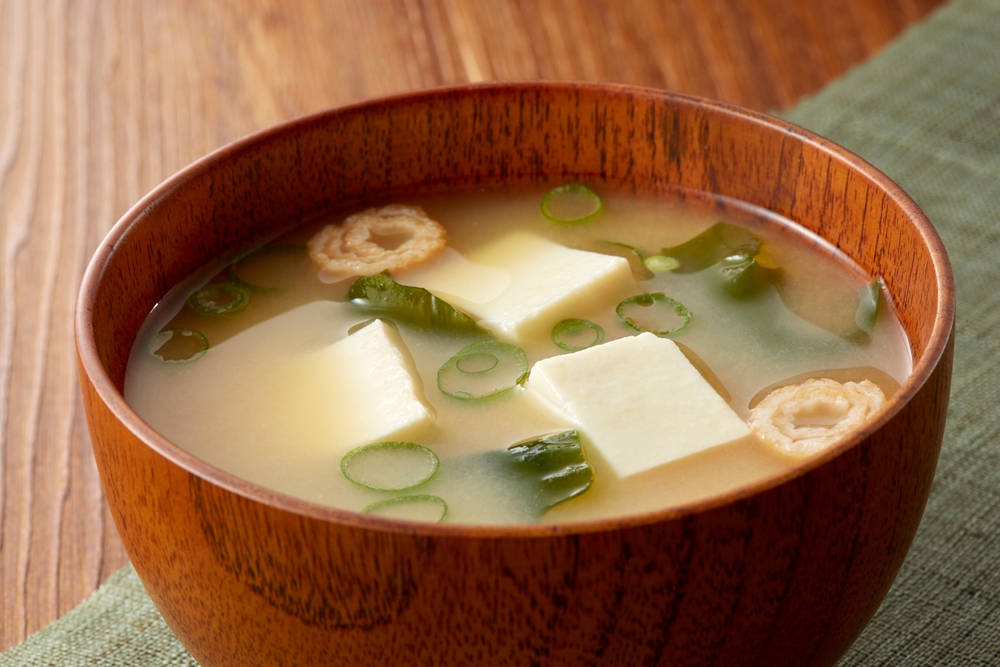
A daily intake of 25 grams of soy protein for six weeks was associated with a reduction in “bad” LDL cholesterol by 3 to 4 percent, according to a study published in The Journal of Nutrition.
The results are not conclusive
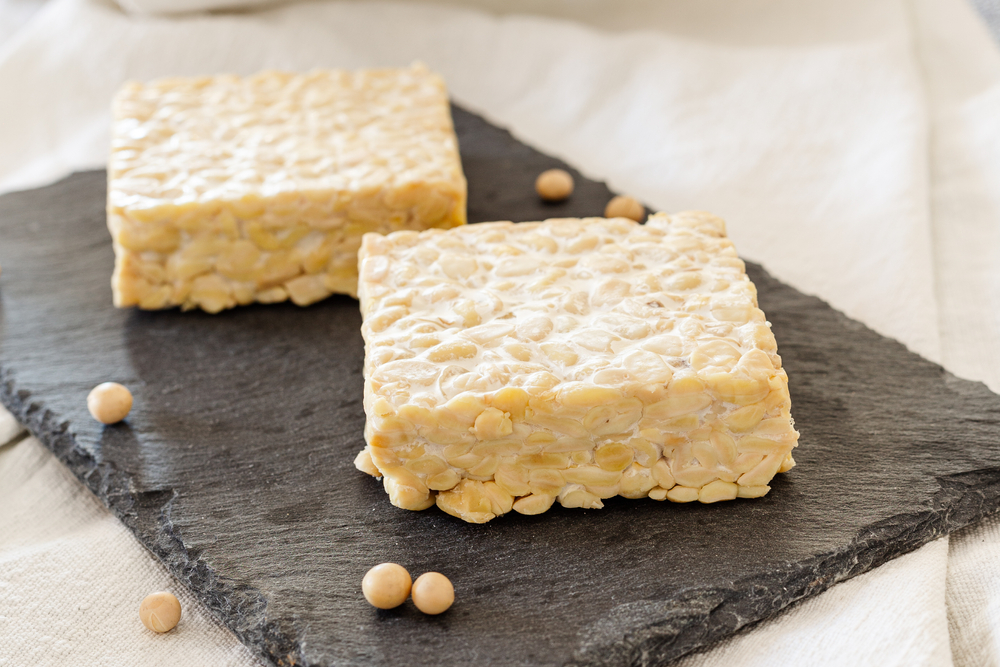
Some studies have not found a clear effect, so there is still debate about soy’s role in lowering cholesterol.
Also read: Your coffee consumption may affect your risk of developing stress
Soy contains little saturated fat
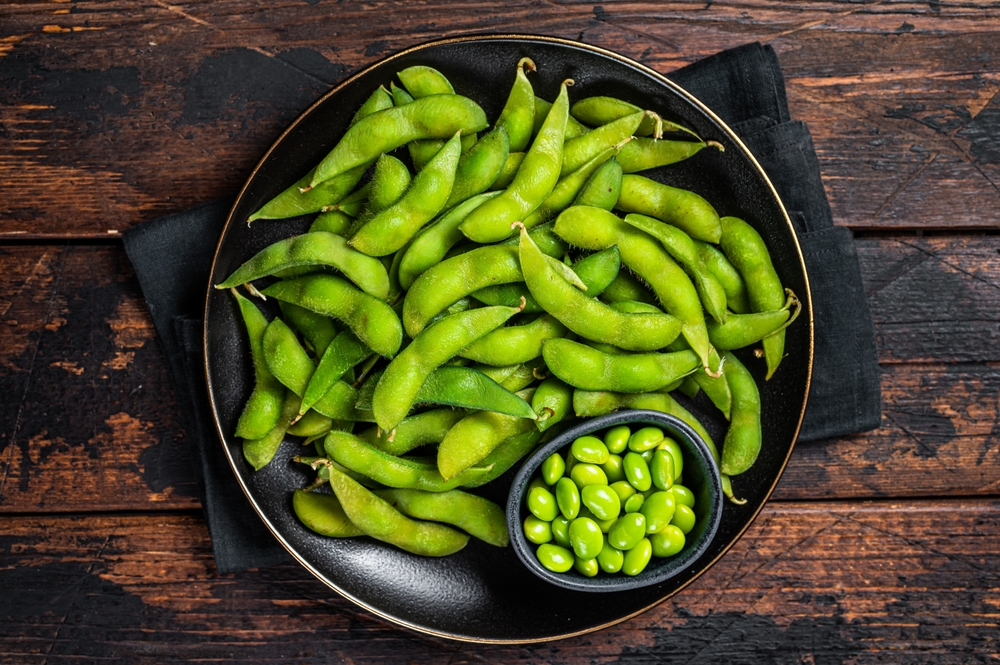
Edamame and tofu contain very low amounts of saturated fat and can therefore serve as alternatives to animal-based proteins.
Isoflavones may affect the body
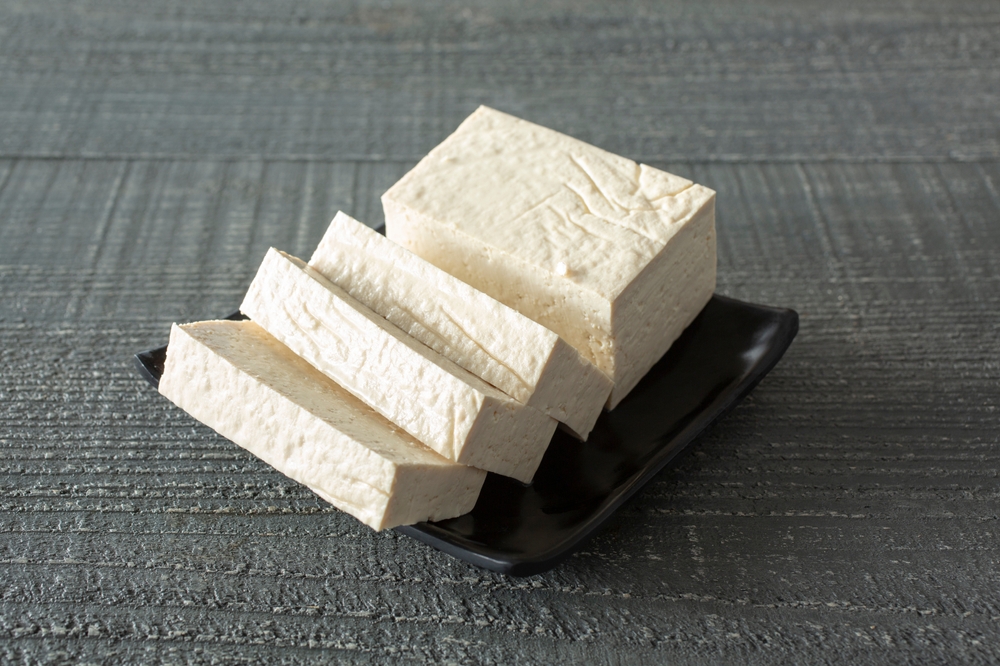
Soy contains isoflavones, which are natural plant estrogens that can mimic estrogen in the body, although with a weaker effect.
Menopause

A study published in Menopause shows that soy intake may reduce hot flashes in some individuals.
Lower cancer risk

Research published in the Journal of Agriculture and Food Research suggests that isoflavones may be associated with a lower risk of certain cancers, such as colorectal cancer.
Also read: Expert insight challenges traditional weight loss advice
Soy is the main source of isoflavones
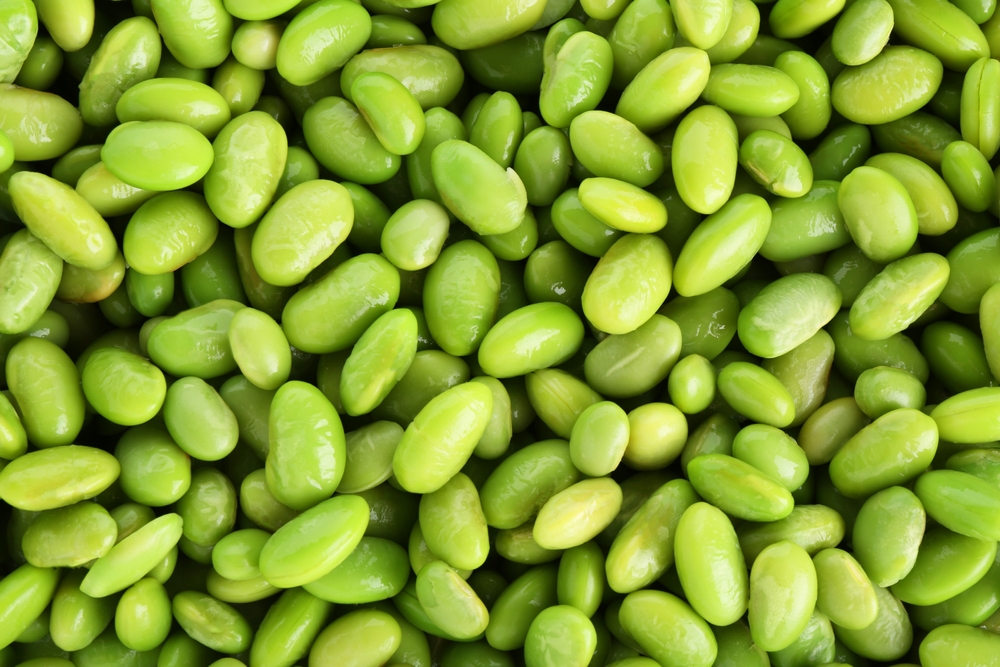
Among all foods, soy contains the highest levels of these plant compounds.
You get isoflavones through typical portions
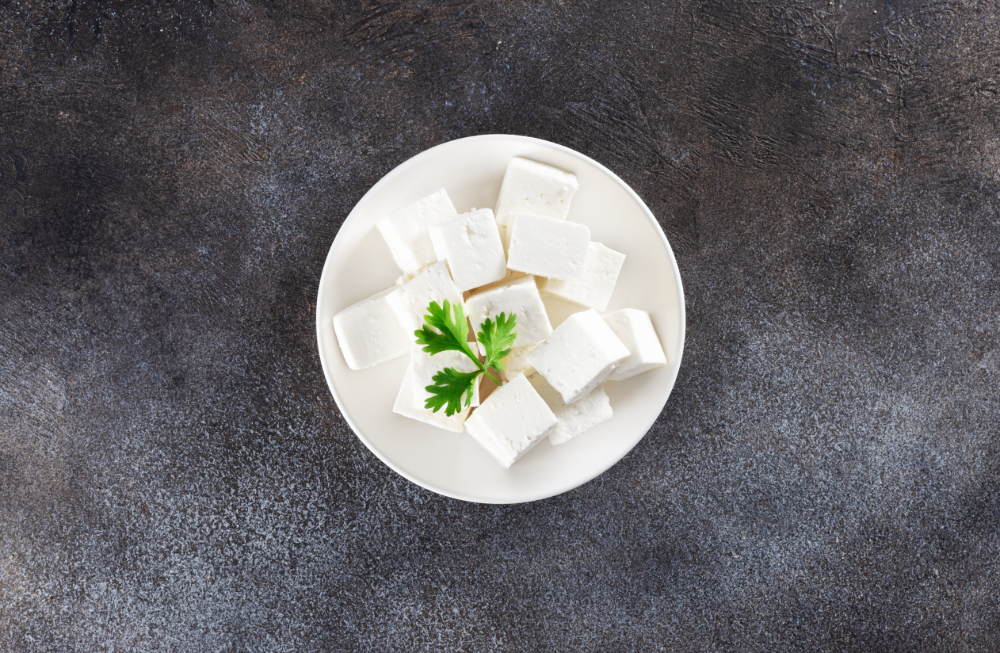
For every gram of soy protein, you get approximately 3.5 mg of isoflavones, which can quickly add up to a significant amount.
Iron absorption may be lower
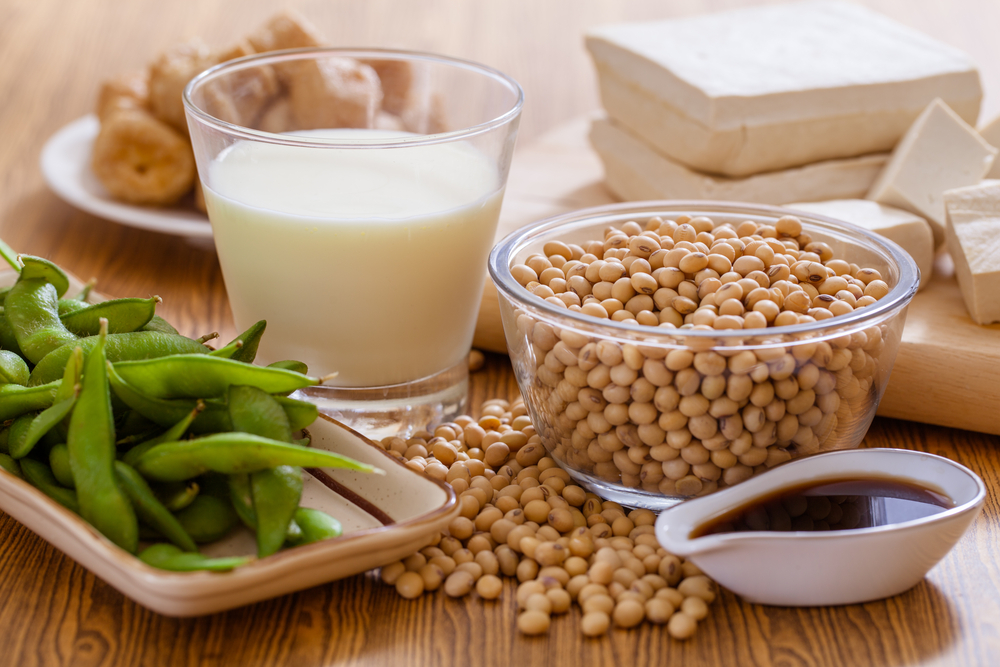
Although soy contains iron, it is absorbed less efficiently than iron from animal sources.
Vegetarians may have lower iron stores

People who primarily follow a plant-based diet may have a higher risk of iron deficiency, according to a study published in Critical Reviews in Food Science and Nutrition.
Also read: How red meat can affect your heart if you eat it often
You may need to consume more iron
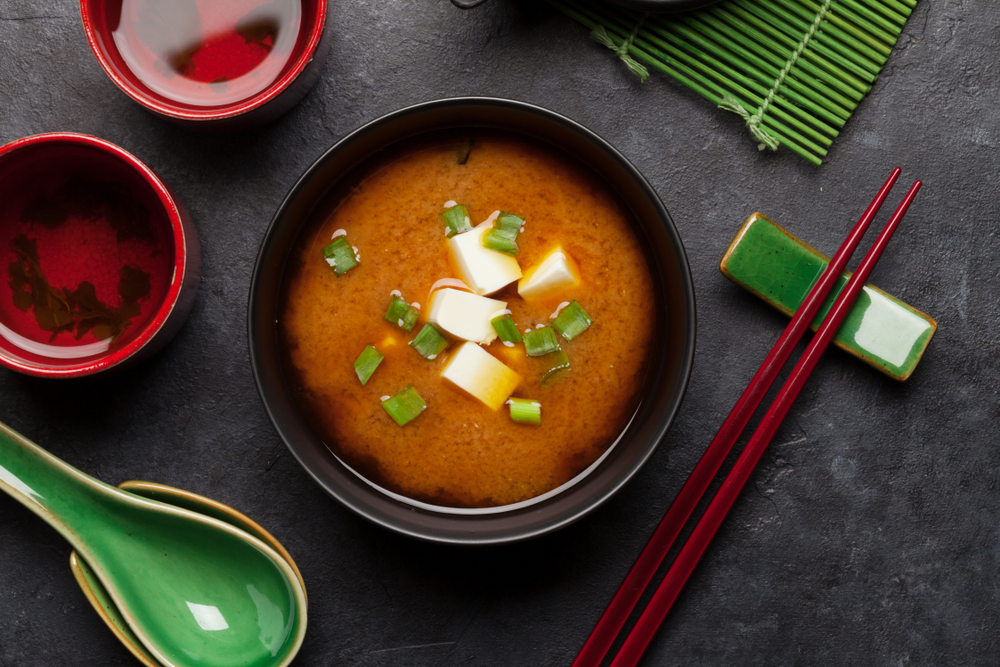
Vegetarians and vegans are advised to consume up to 1.8 times more iron than people who eat meat.
Large amounts of soy are not enough on their own
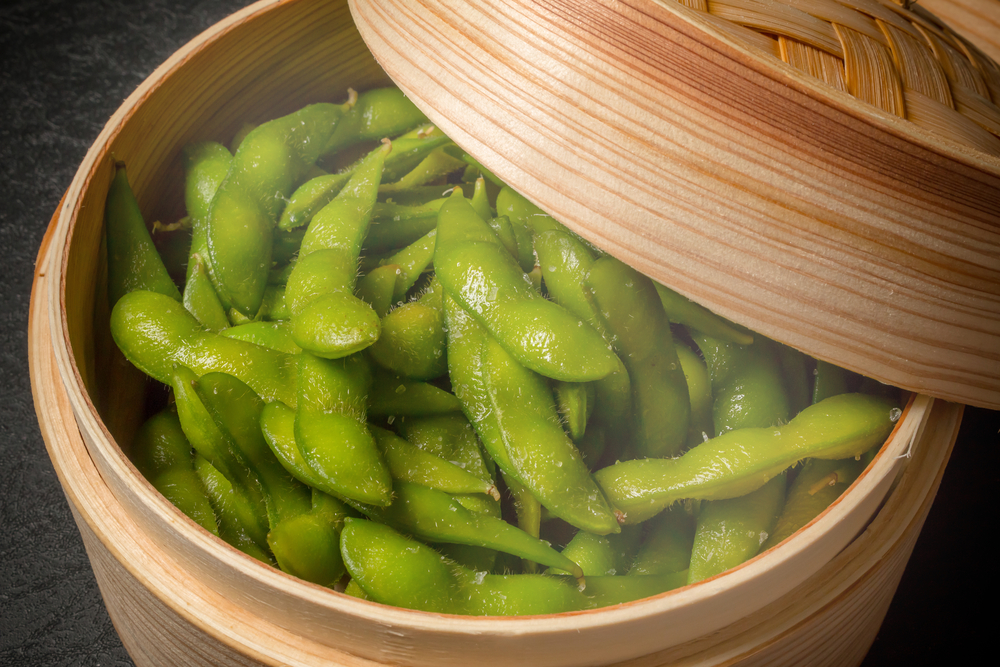
It can be difficult to meet your full iron needs with soy alone, so dietary variety is important.
More research is still needed
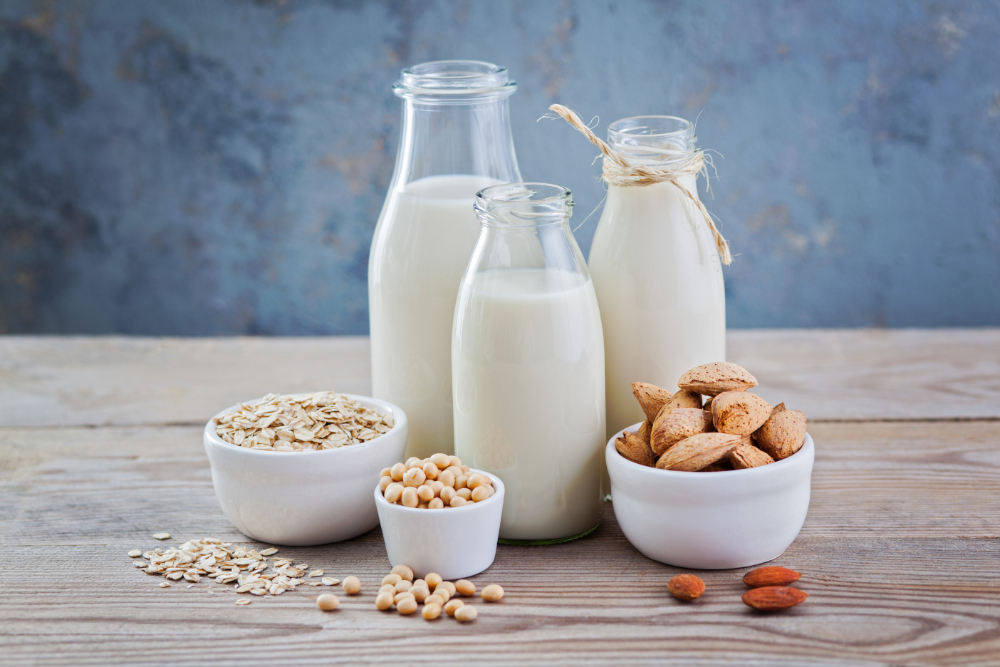
Although soy has several potential benefits, uncertainty remains, and further studies are necessary.
Sources: EatingWell, Circulation, The Journal of Nutrition, Menopause, Journal of Agriculture and Food Research, and Critical Reviews in Food Science and Nutrition.
Also read: Lululemon investigated for harmful PFAS in sportswear
This article is made and published by Ida-Marie Palm Varbæk, who may have used AI in the preparation.