
The liver has many important functions in the body, but with liver cirrhosis, the organ becomes severely damaged.
The disease often develops over time and can affect both quality of life and survival, writes Onmeda.
What is liver cirrhosis?
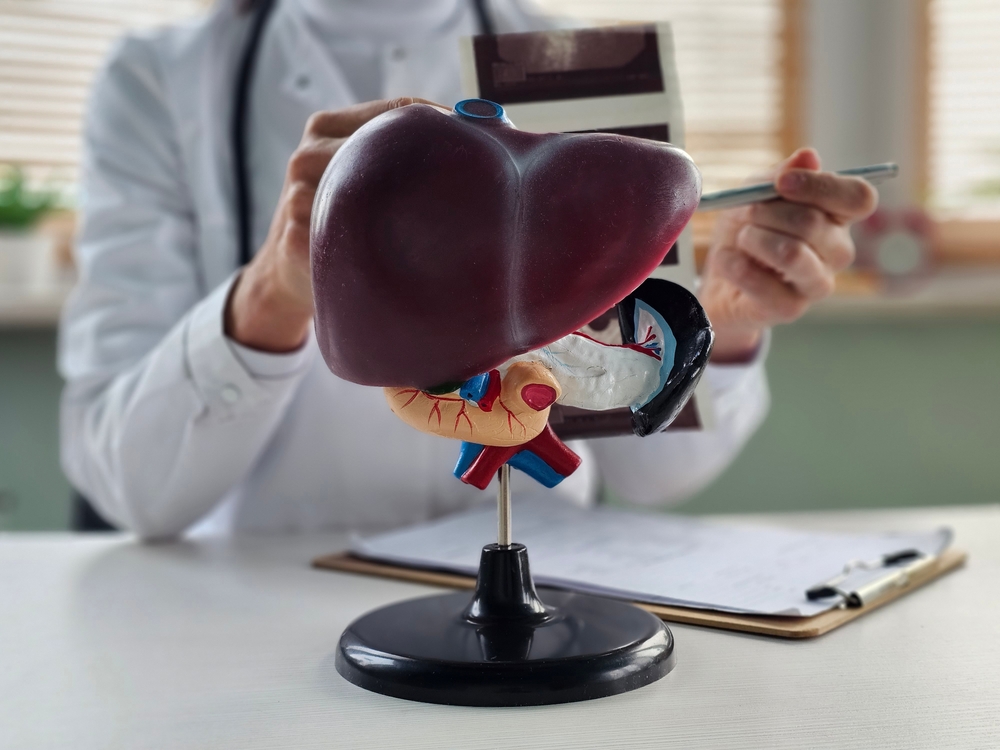
In liver cirrhosis, the liver is so damaged by a chronic disease that it no longer functions normally.
Liver tissue is replaced by scar tissue, making the organ smaller and harder.
Also read: More people are choosing canned mackerel – and there’s a good reason
Stages of the disease
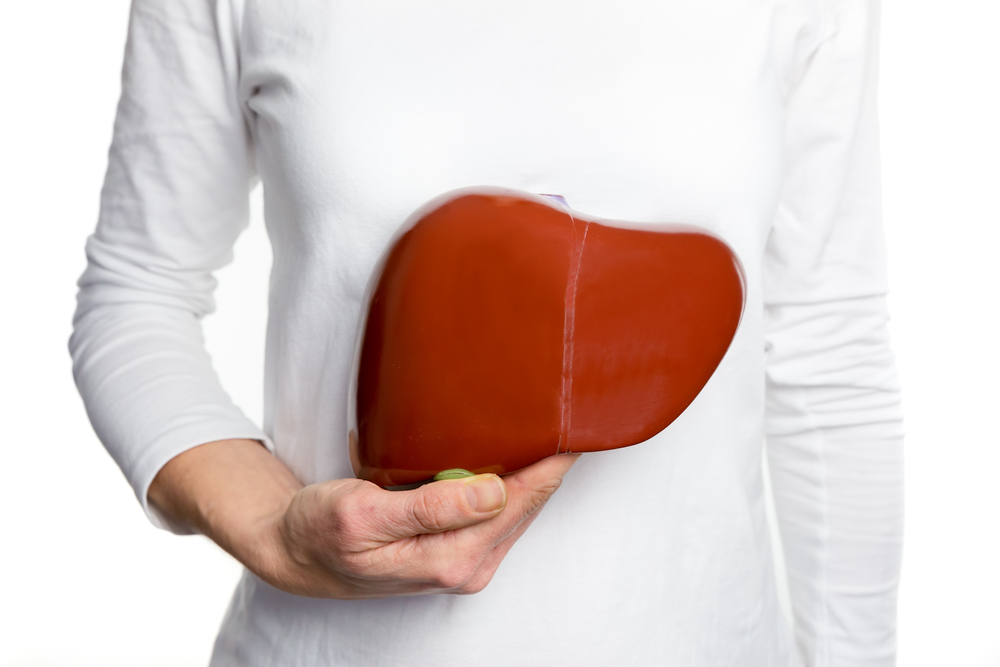
Liver cirrhosis is divided into three stages: Child A, B, and C, where A is the early stage and C is the most severe.
Early symptoms

At first, many people have no clear symptoms, but over time, fatigue, reduced performance, and nausea may occur.
Digestive-related issues
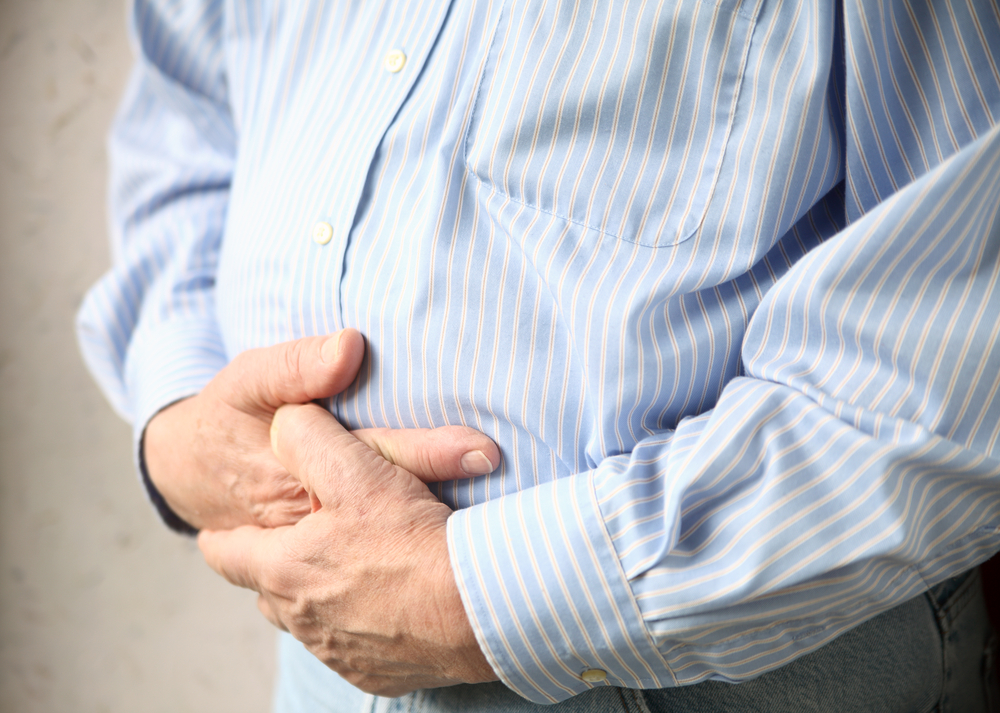
A feeling of pressure or bloating in the upper abdomen, as well as weight loss, are typical signs of the disease.
Skin changes

The liver can affect the skin, which may lead to visible blood vessels, red palms, shiny lips, and itching.
Also read: Lifestyle diseases can increase cancer risk by up to 30 percent
Fluid in the abdomen

A buildup of fluid in the abdomen can cause it to enlarge and lead to rapid weight gain.
Hormonal changes

Men may experience erectile dysfunction and changes in hair growth, while women may have irregular or absent menstruation.
Symptoms in advanced stages
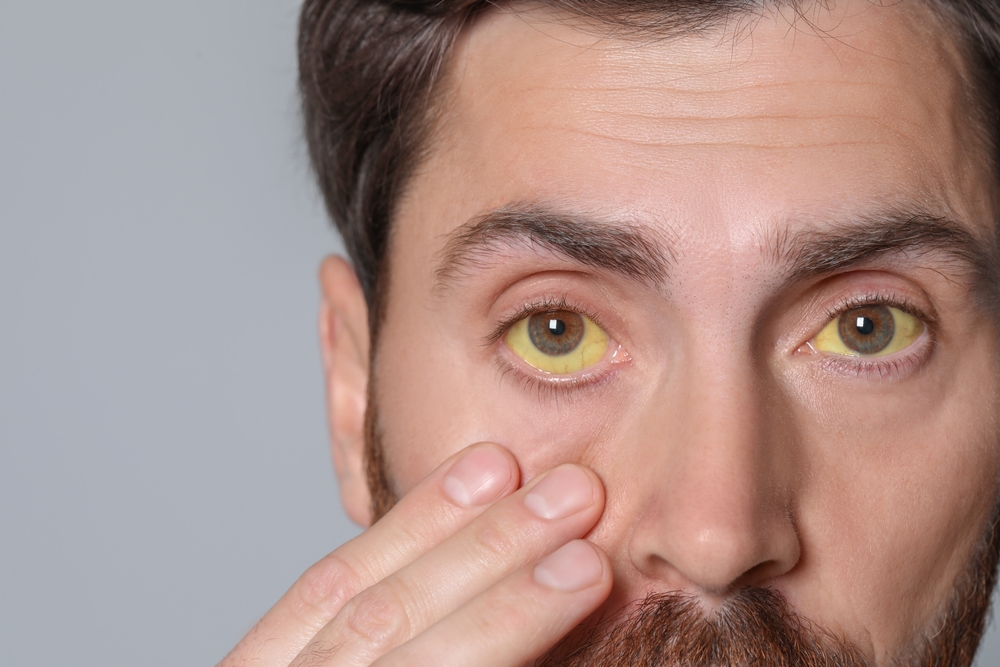
Jaundice, with yellowing of the skin and eyes, occurs when the liver can no longer break down bilirubin properly.
Serious complications

A tendency to bleed, varicose veins in the esophagus, and severe weight loss may occur in the later stages.
Also read: How to spot fresh eggs instantly at the supermarket
Impact on the brain

Toxins in the blood can lead to confusion, speech difficulties, and, in severe cases, coma.
Common causes
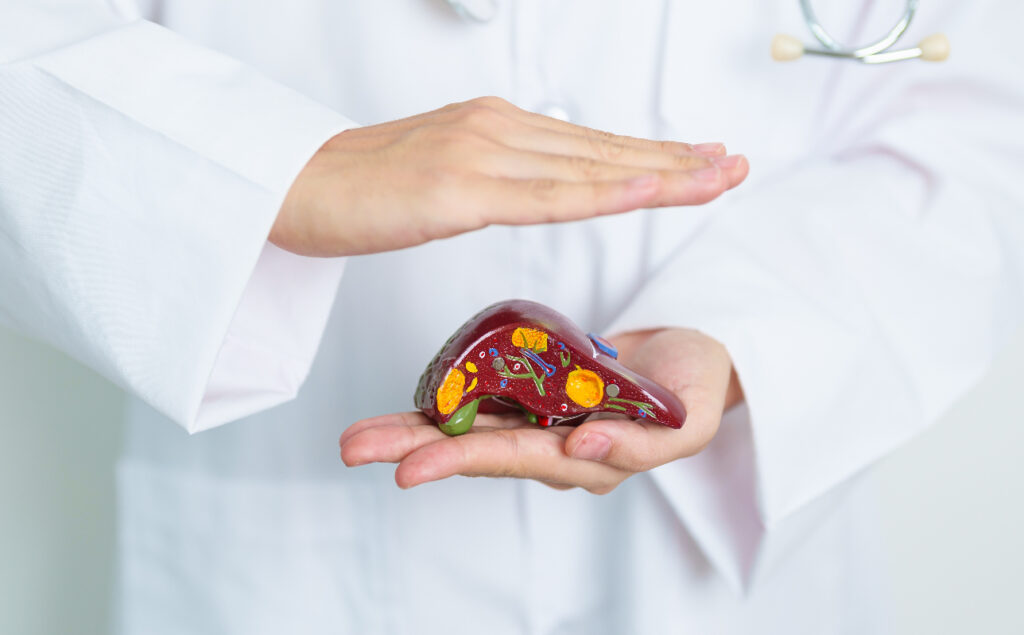
The most common causes are fatty liver disease and liver inflammation such as hepatitis B, C, or D.
The role of alcohol

In approximately 60 percent of patients, the disease is caused by alcohol, which leads to fat accumulation and damage in the liver.
Other causes of the disease
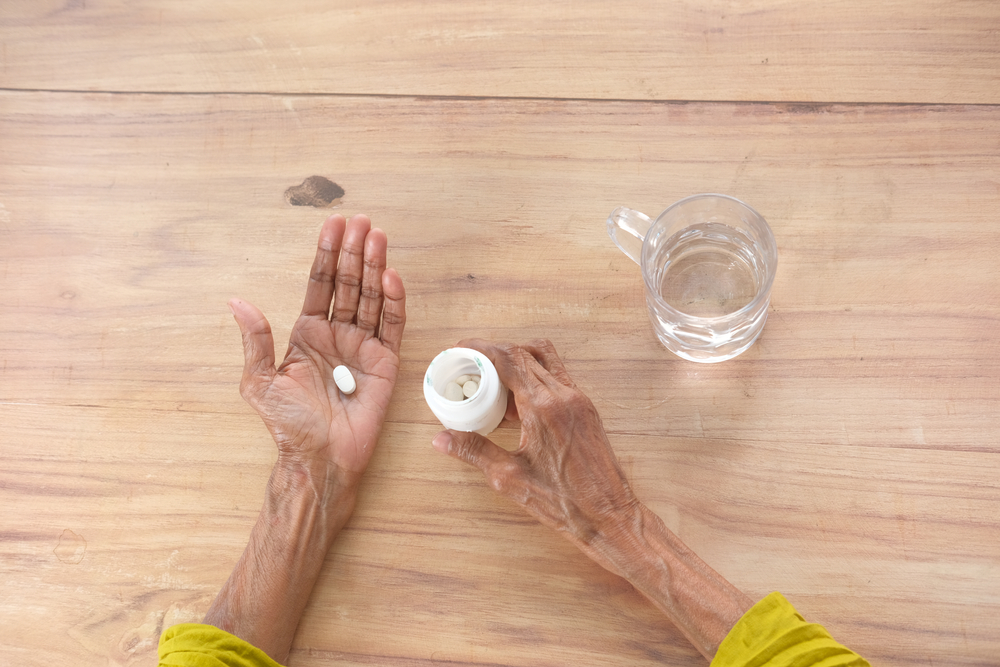
Infections, autoimmune diseases, genetic disorders, and certain medications or chemicals can also lead to liver cirrhosis.
Also read: Do you eat too much sugar? Here are the signs
Life expectancy

In the early stage, almost all patients survive the first years, while only about 35 percent in the end stage live longer than one year.
Treatment options

Early treatment can improve the condition of the liver, especially by avoiding alcohol, eating a healthy diet, and maintaining a stable weight.
Liver transplantation

In severe cases, a liver transplant can improve survival and provide many additional years of life.
The importance of nutrition
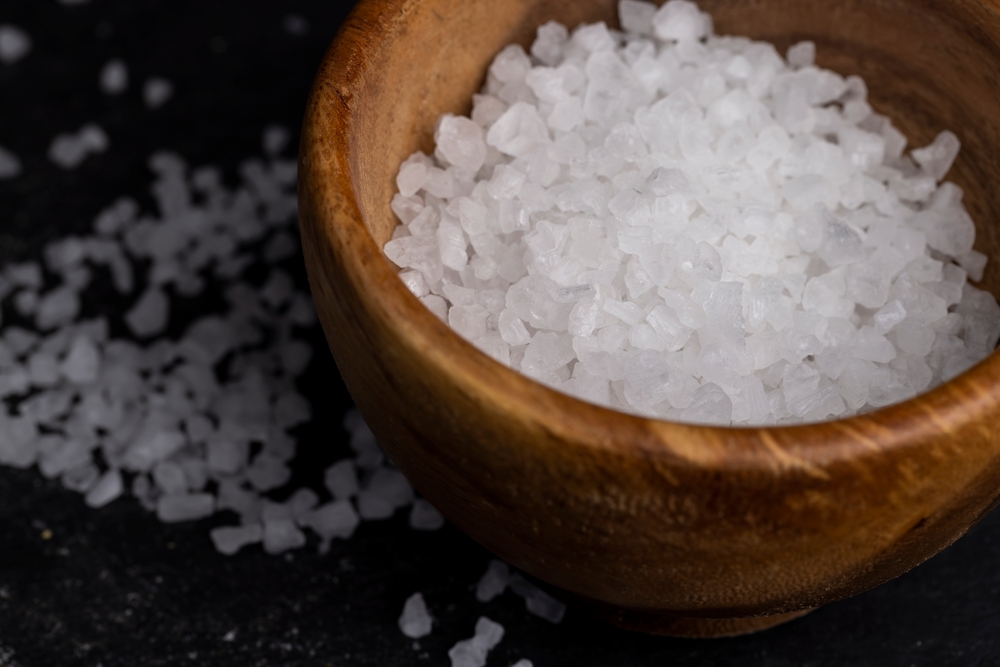
Patients have an increased need for calories and protein but should limit salt intake to avoid fluid retention.
Also read: Approved diabetes treatment for children as young as one year old
Prevention

In many cases, the disease can be prevented by limiting alcohol, avoiding harmful substances, and treating liver diseases in time.
Sources: Onmeda.
This article is made and published by Ida-Marie Palm Varbæk, who may have used AI in the preparation.