
The condition of the liver is closely linked to everyday eating habits.
By choosing beneficial foods and limiting harmful ones, it is possible to support liver function and long term energy.
The liver is a highly active organ that filters toxins, processes fats, and stores vitamins, but it can become overloaded without proper care, according to Lrytas.
The liver's role in the body
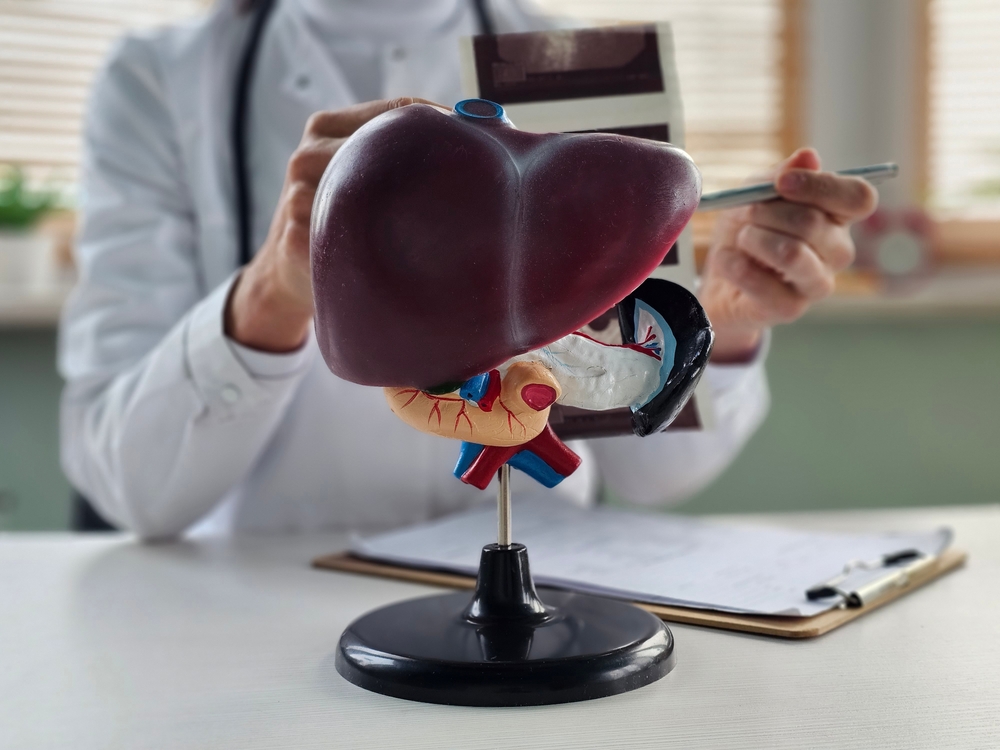
The liver works continuously by removing toxins, breaking down fats, and storing essential vitamins needed for the body.
Also read: The best way to eat oats for your gut health
Impact of poor diet
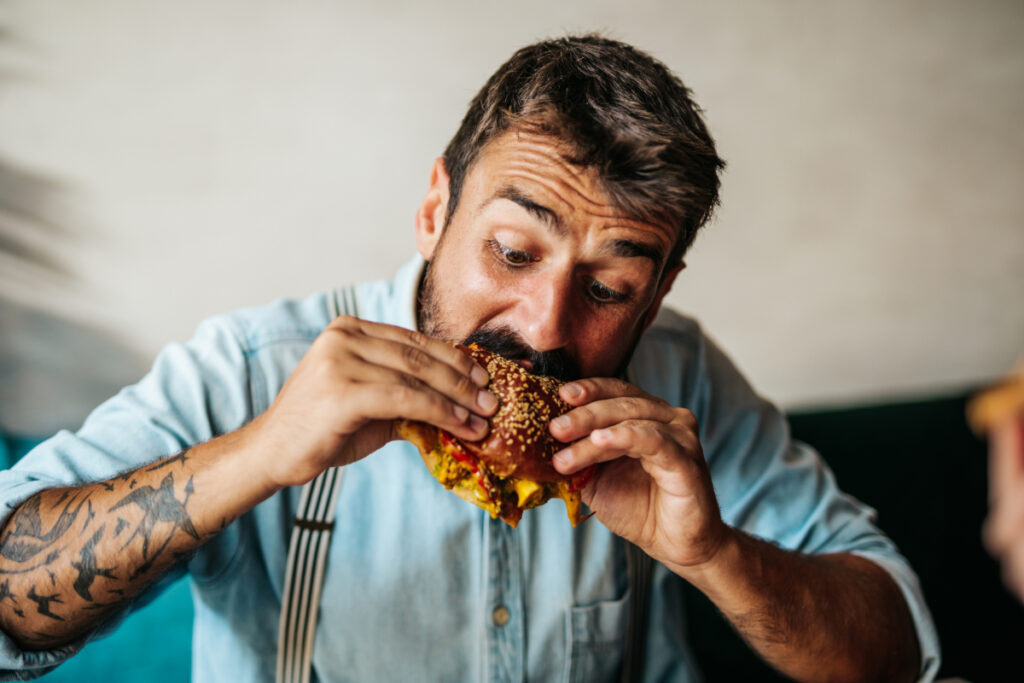
High sugar intake, alcohol, and processed foods can put significant strain on the liver and reduce its efficiency.
Natural ability to recover
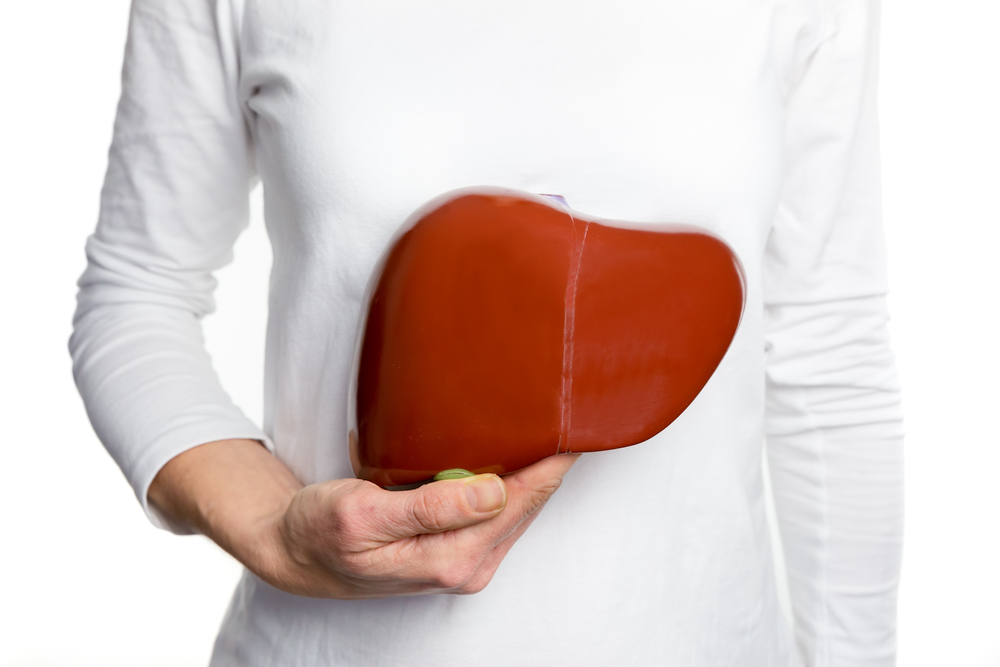
The liver has the ability to regenerate if proper nutrition is maintained through daily food choices.
No need for strict detox

According to Lrytas, extreme detox programs are unnecessary, as simple dietary adjustments can support liver recovery.
Signs of an overloaded liver
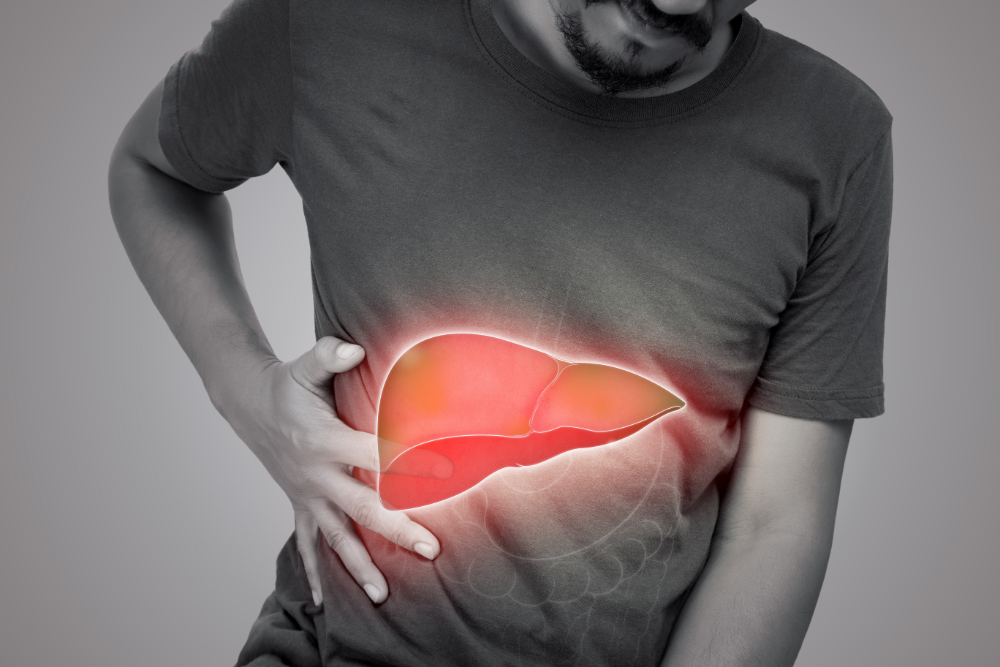
Certain symptoms may indicate that the liver is under stress and not functioning optimally.
Also read: How olive oil can affect your blood pressure when used in cooking
Constant fatigue

Ongoing tiredness can be a signal that the liver is struggling to cope with its workload.
Difficulty losing weight

Challenges in weight loss may be linked to impaired liver function.
Digestive problems

Issues with digestion can arise when the liver is not working efficiently.
Worsening skin condition

Changes in skin health can reflect internal strain on the liver.
Also read: Seven infected with E. coli – raw cheddar under investigation
Garlic
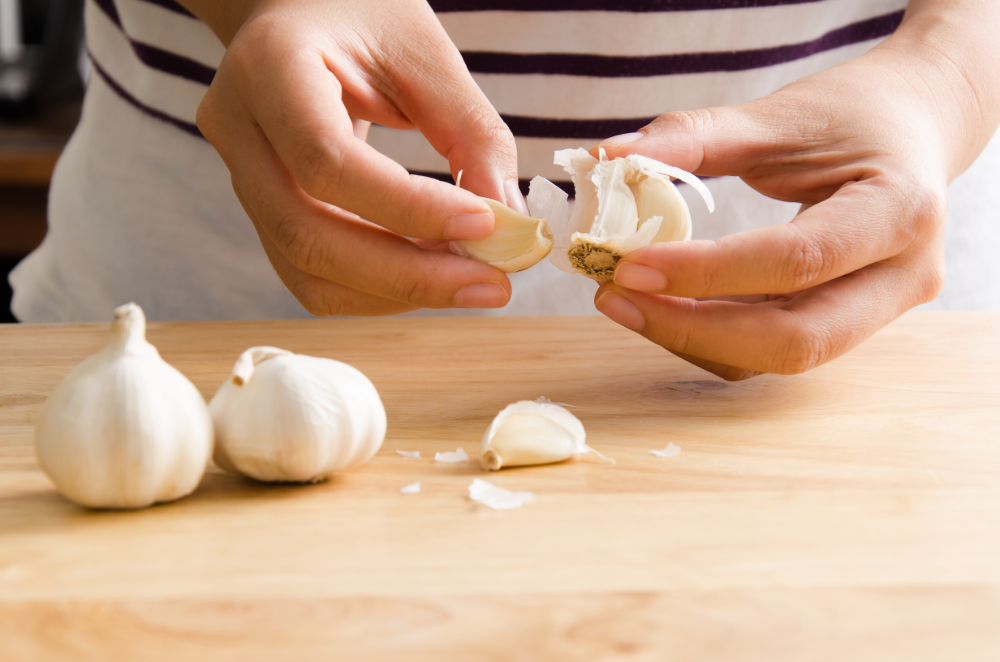
Garlic helps activate enzymes that assist the body in removing toxins.
Beetroot
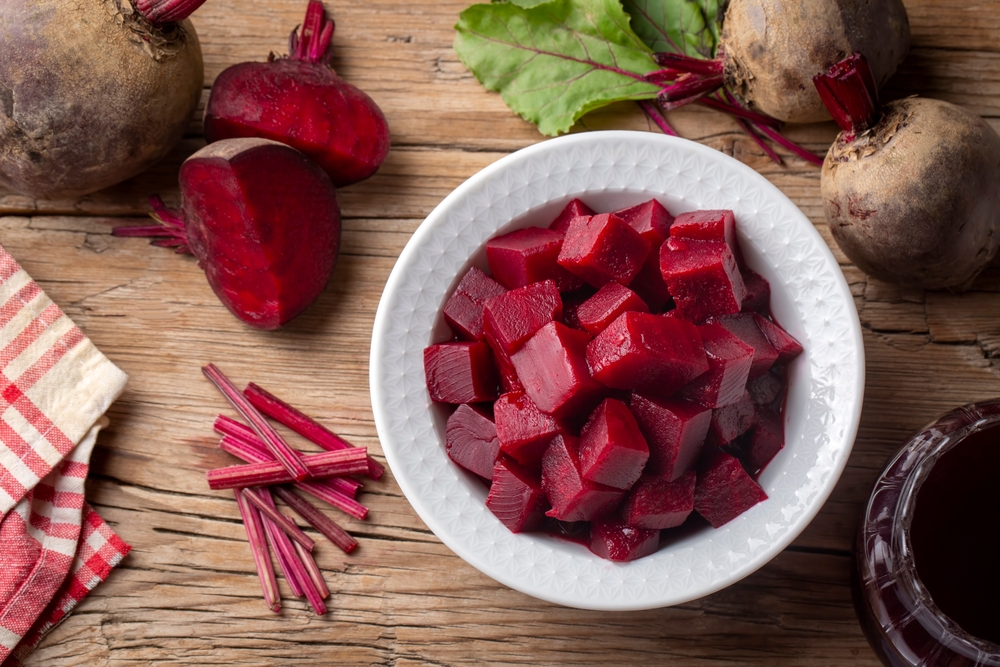
Beetroot supports fat breakdown and helps reduce inflammation in the body.
Turmeric
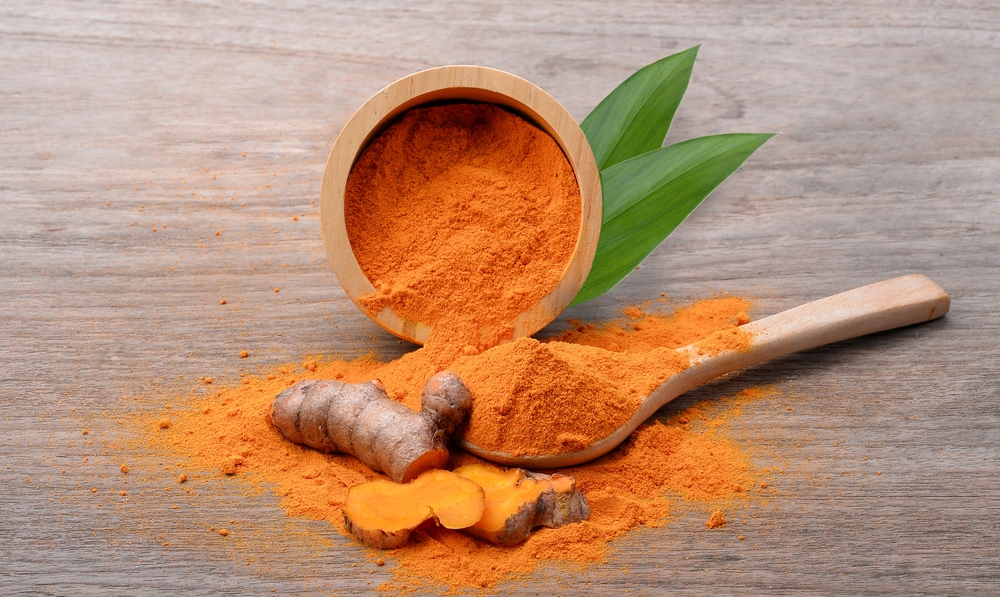
Turmeric promotes bile production and protects liver cells from damage.
Citrus fruits
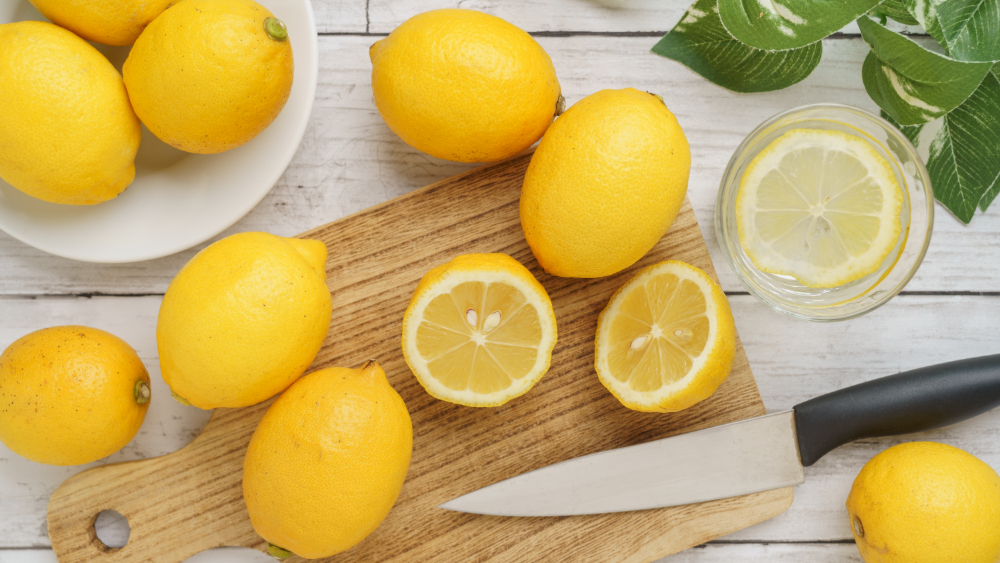
Citrus fruits are rich in antioxidants that aid the detoxification process.
Also read: 8,500 steps a day may help you keep the weight off
Cruciferous
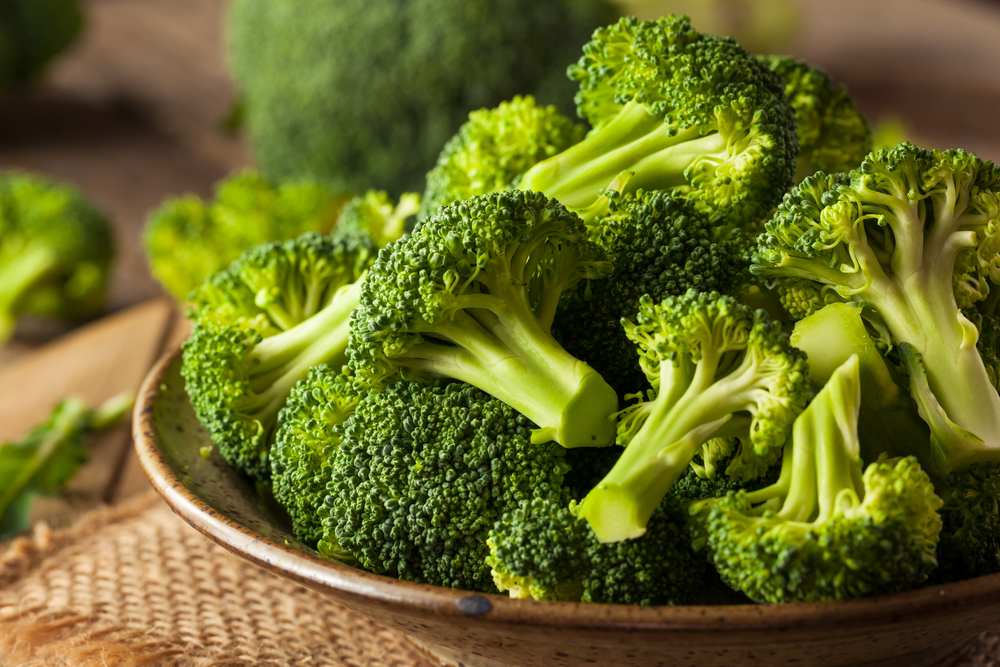
Vegetables like broccoli and cabbage enhance the production of cleansing enzymes.
Green tea
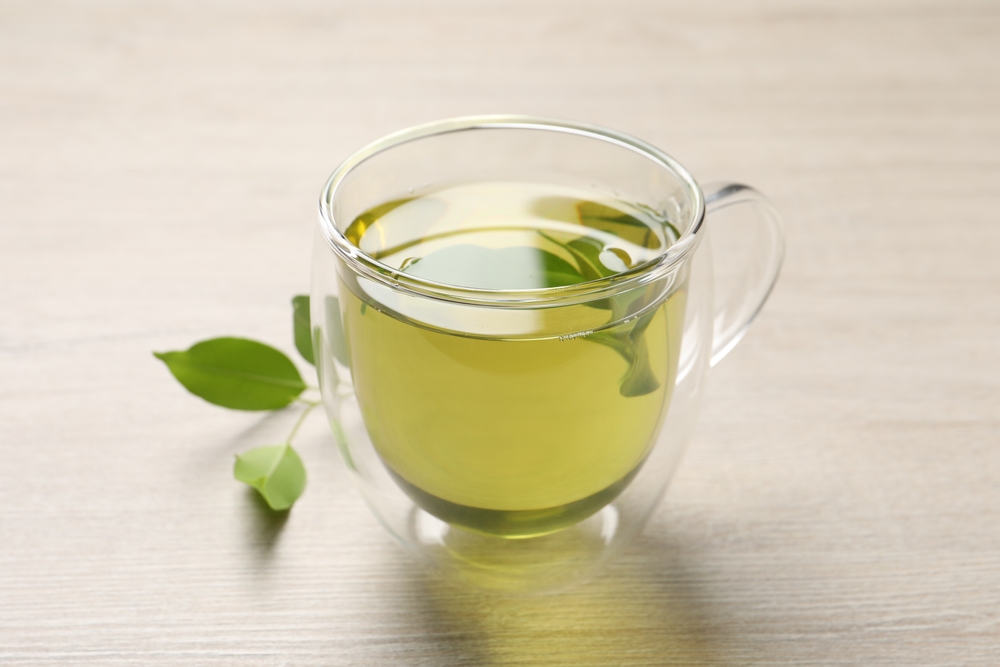
Green tea helps limit fat accumulation in the liver.
Avocado
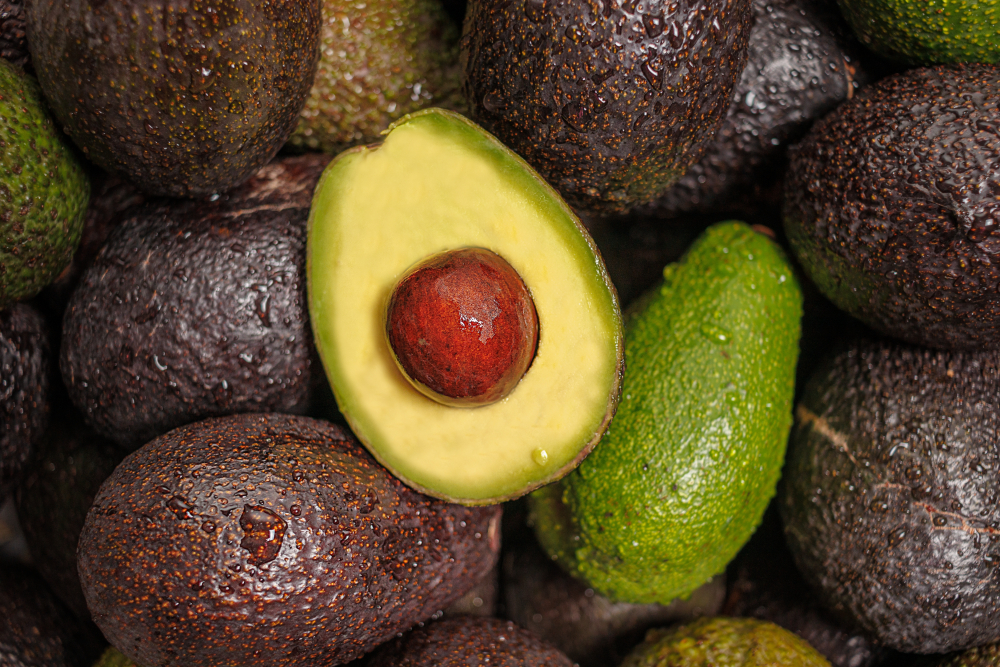
Avocados stimulate the production of glutathione, which is an important antioxidant.
Leafy greens
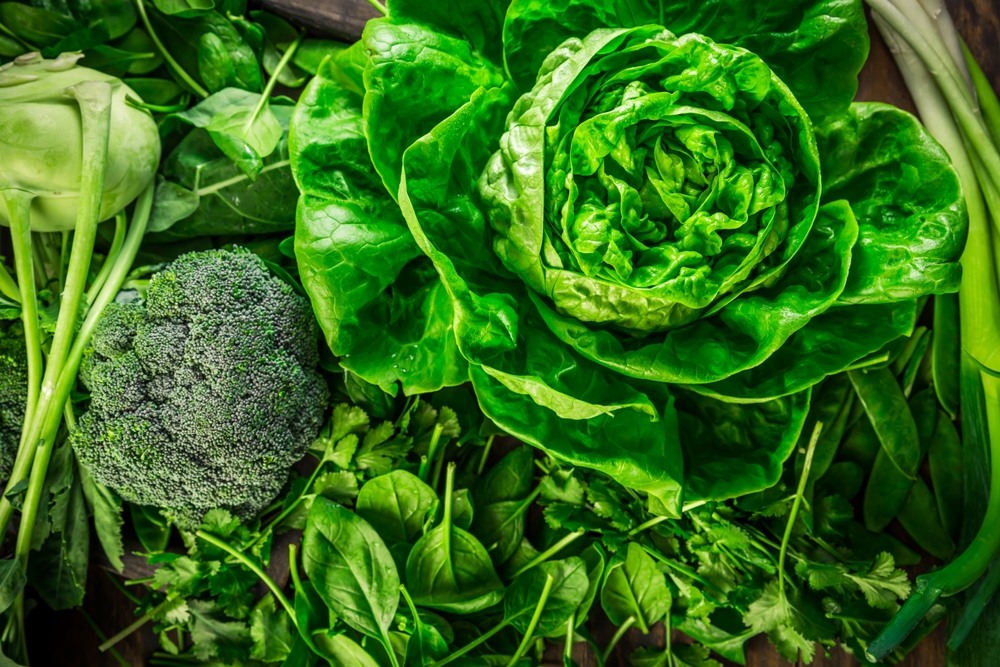
Greens help neutralize toxins and support overall liver health.
Also read: Researchers found lower Alzheimer’s risk among people who ate five eggs a week
Nuts
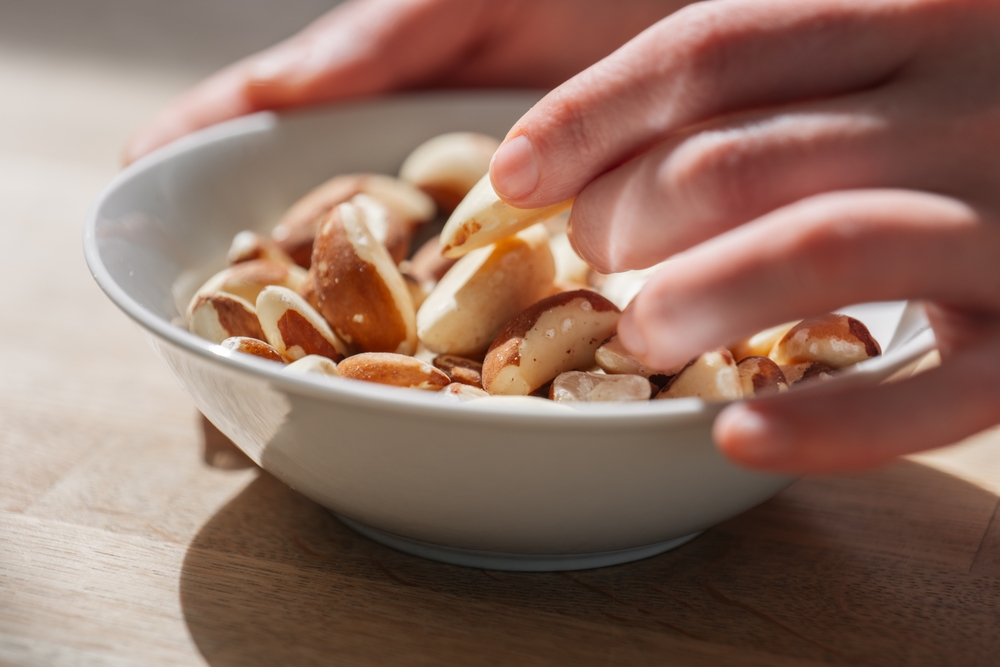
Nuts reduce inflammation and assist natural cleansing processes.
Artichoke
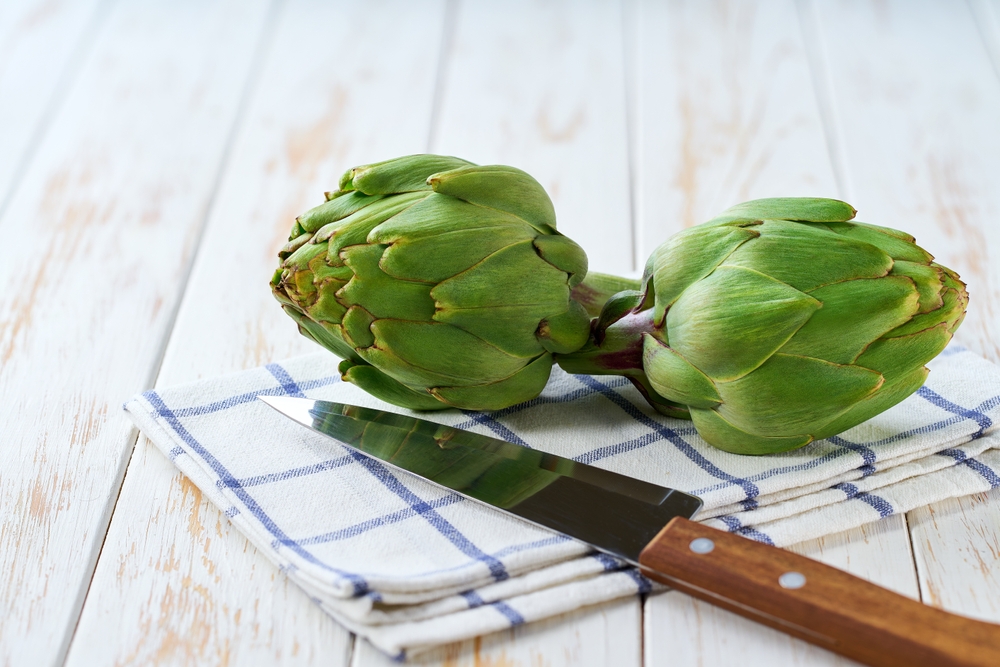
Artichokes improve bile flow and support digestion.
Foods to avoid

Sugar, sweet drinks, alcohol, trans fats, fast food, and refined flour products should be limited as they burden the liver and slow its recovery.
Sources: Lrytas.
This article is made and published by Ida-Marie Palm Varbæk, who may have used AI in the preparation.