
Superfoods are foods high in vitamins, minerals, and antioxidants that can offer a range of health benefits.
A new survey from Pollock Communications and Today’s Dietitian highlights a number of particularly nutrient-dense choices.
Here are the key foods you should know, according to Real Simple.
Fermented foods

Fermented products such as yogurt, kimchi, pickles, and kombucha are known for their positive impact on gut health.
Also read: Do you take omega-3? Research explains who actually benefits from it
Many are plant-based and may also help strengthen the immune system.
Berries

Berries such as cranberries, blueberries, and raspberries are rich in antioxidants and vitamin C. They also provide fiber and have anti-inflammatory properties.
Berries in the diet

Berries can easily be incorporated into daily meals by adding them to smoothies, salads, or oatmeal, making them a flexible source of nutrition.
Bone broth

Bone broth is a type of stock made by simmering bones and connective tissue from animals over a long period.
Also read: Can your lungs recover after smoking? A doctor has the answer
It is a relatively new addition to the list and contains collagen, which is important for hair, skin, and nails. It is also rich in protein.
Bone broth as a meal

This type of broth can be consumed on its own as a snack or used as a base for soups, making it easy to incorporate into cooking.
Seeds
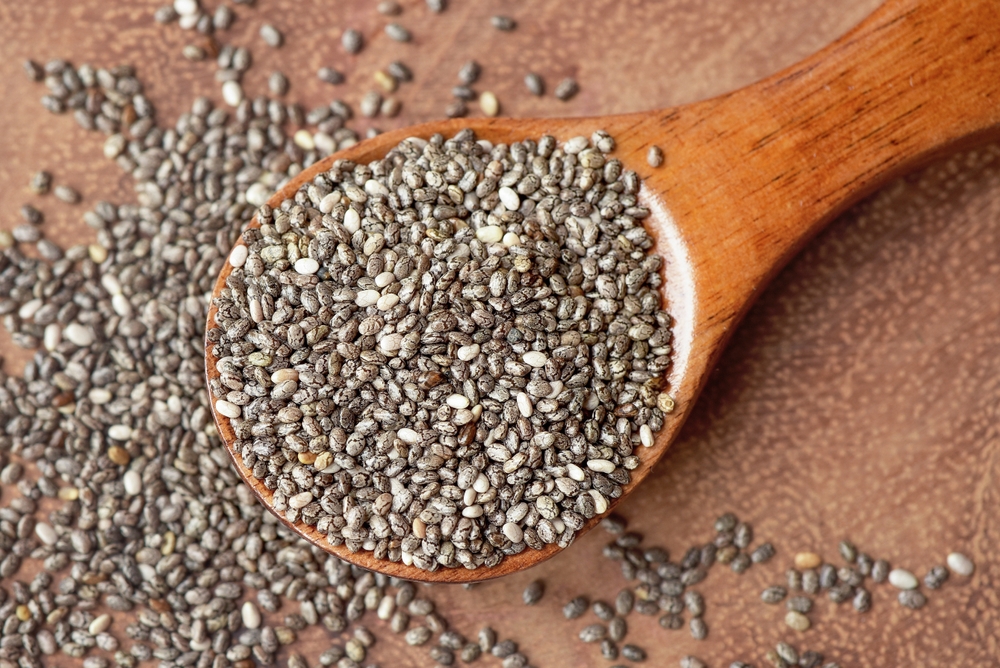
Seeds such as chia seeds and hemp seeds are small but nutrient-dense. They contain fiber and antioxidants and can support digestion and help stabilize blood sugar levels.
Seeds in everyday meals

Seeds can be added to salads, smoothies, or used in dishes like chia pudding, making them a practical ingredient.
Also read: New study: Vitamin D may reduce diabetes risk in selected groups
Avocado
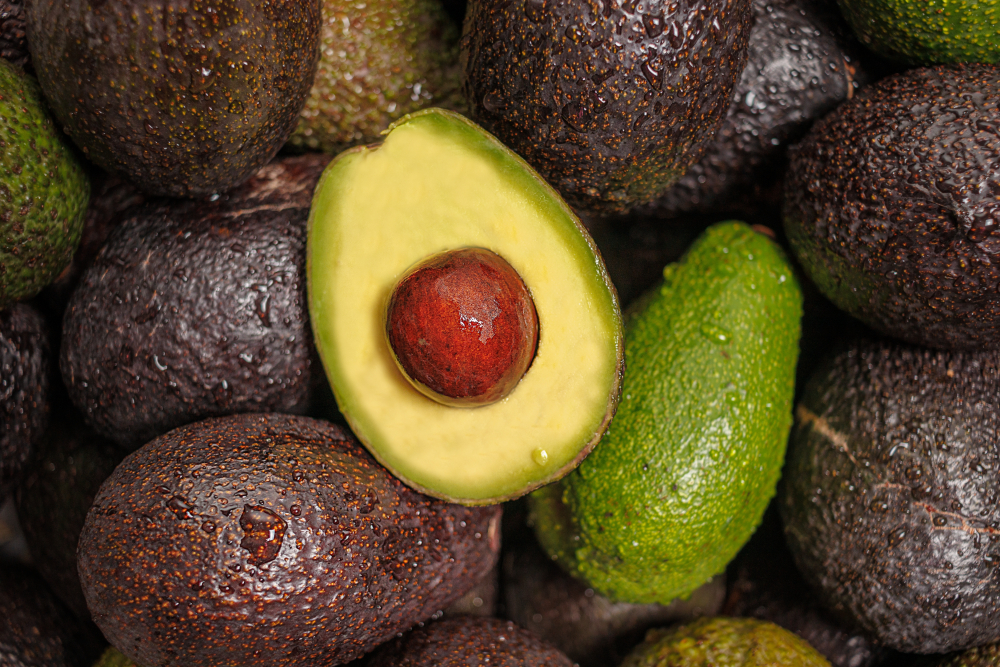
Avocado is rich in healthy fats, fiber, and vitamin K. These nutrients can support both heart and brain health and improve the absorption of other nutrients.
Leafy greens
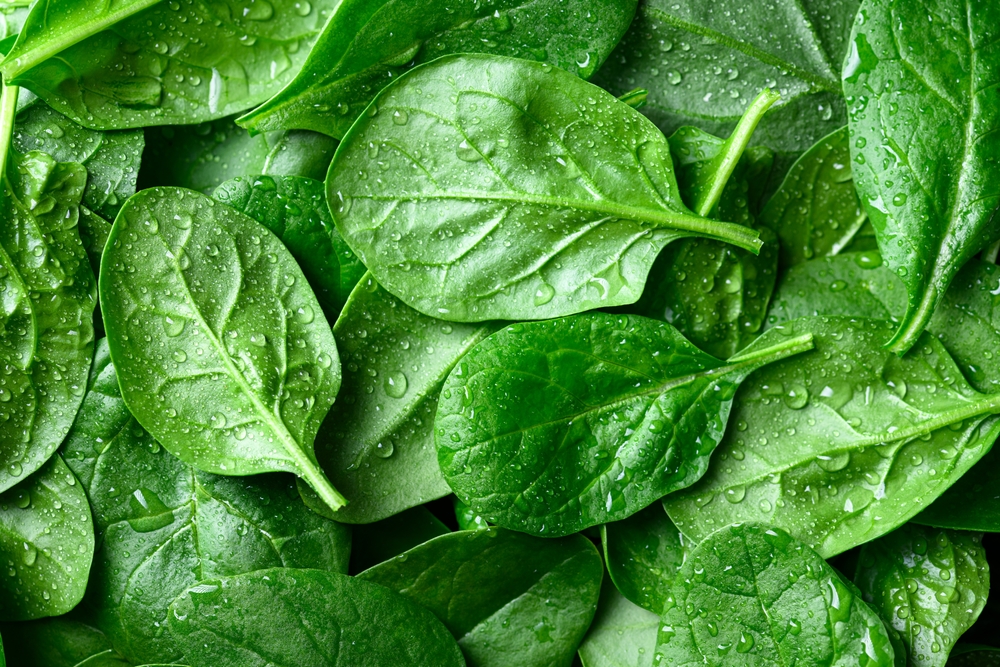
Spinach is a popular choice among leafy greens and contains more iron and potassium than similar alternatives, which can support energy levels and muscle function.
Nuts
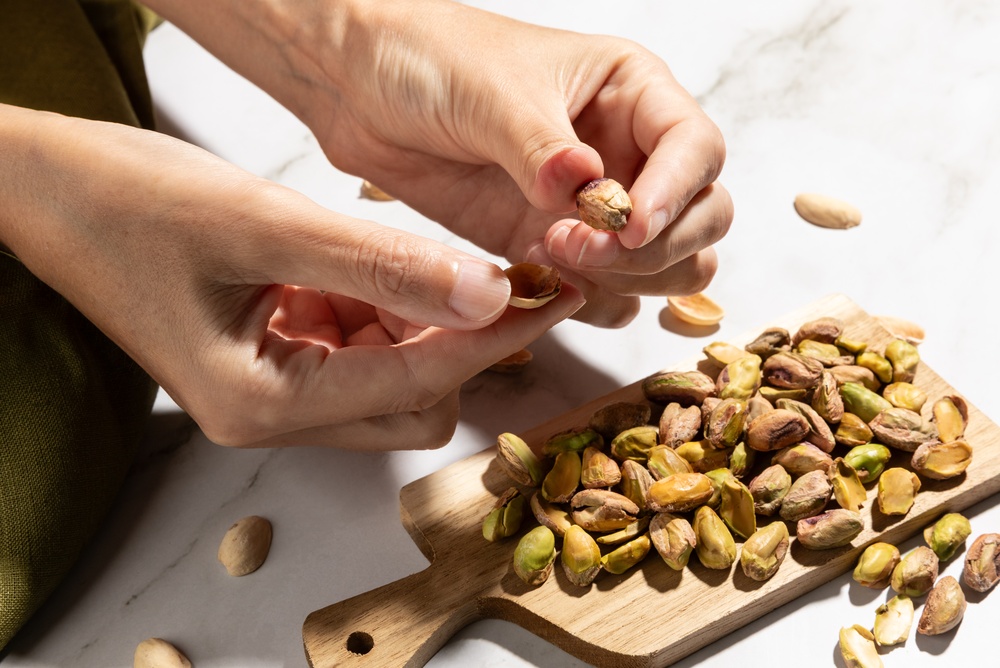
Almonds and walnuts are nutrient-rich options. Almonds provide protein, fiber, and magnesium, while walnuts contain omega-3 fatty acids.
Ancient grains

Grains such as teff, oats, and sorghum are rich in protein, fiber, and antioxidants and can be used as a base for meals or for breakfast.
Also read: Do you often eat takeaway? It could cost you months of your life
Green tea

Green tea contains antioxidants that can reduce oxidative stress, support gut health, and contribute to both heart and brain function.
Legumes
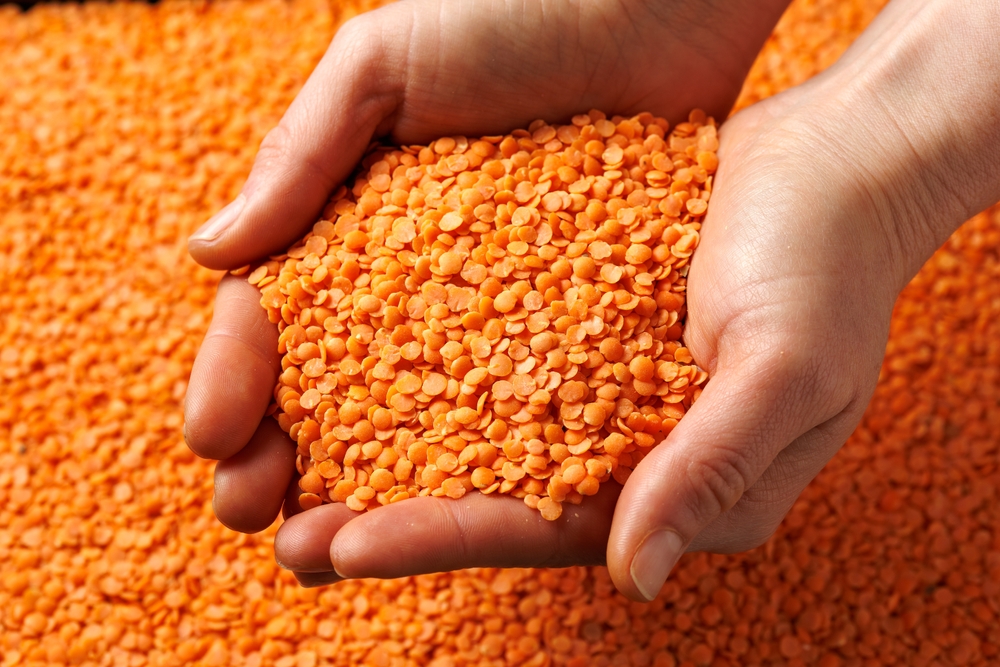
Legumes such as lentils, chickpeas, beans, and dried peas contain protein, fiber, and micronutrients such as iron, potassium, and folate.
Sources: Real Simple and Pollock Communications and Today’s Dietitian.
Also read: How to choose clothing for sensitive skin
This article is made and published by Ida-Marie Palm Varbæk, who may have used AI in the preparation.