
Many people turn to supplements when stress, screen time or irregular routines start affecting their sleep. Research suggests that magnesium and melatonin may support sleep in different ways when used together, reports EatingWell.
Stress in the evening may affect how well you sleep

High stress levels can make it harder for the body and mind to relax at night. According to the article, magnesium may help reduce the body’s stress response, while melatonin also supports relaxation through its role in the sleep cycle.
The body naturally produces melatonin at night

Melatonin is a hormone released by the brain when it gets dark. Its main role is to help regulate the body’s internal clock and signal that it is time to sleep.
Phones and screens may disrupt melatonin production
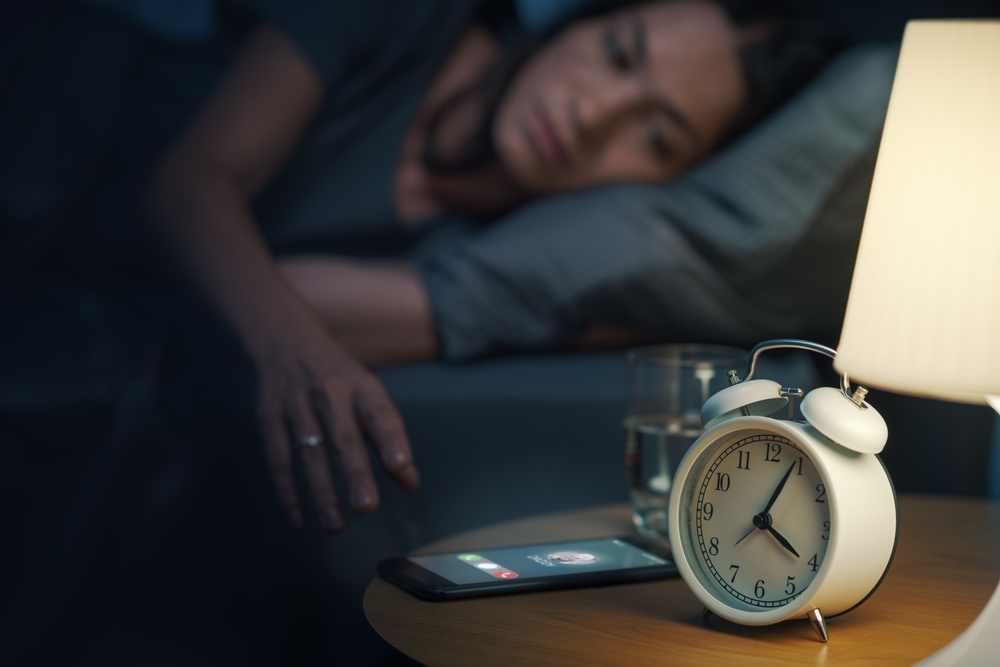
The article explains that blue light from screens can suppress the body’s natural melatonin release, which may make it more difficult to feel sleepy in the evening.
Also read: This is what happens to your body if you eat tofu regularly
Magnesium supports several important body functions

Magnesium is involved in hundreds of biochemical reactions in the body. It plays a role in muscle function, nervous system regulation and circadian rhythms.
Low magnesium intake has been linked to sleep problems
Many adults do not consume enough magnesium through food alone. Research mentioned in the article connects low magnesium levels with sleep disturbances and poorer sleep quality.
The two supplements work differently in the body

Melatonin mainly affects sleep timing, while magnesium may help the body feel physically calmer and more relaxed before bedtime.
They may help calm an overactive mind at night
Both magnesium and melatonin influence GABA, a neurotransmitter that helps slow brain activity and promote relaxation during the evening hours.
Also read: Researchers point to the best exercise for high blood pressure
Some studies showed faster sleep onset

Research highlighted in the article found that certain participants fell asleep more quickly after taking magnesium and melatonin together.
Sleep quality may also improve
Studies mentioned in the article reported improvements in sleep efficiency, total sleep time and fewer awakenings during the night among some participants.
Researchers also looked at other health effects

One study referenced in the article found reductions in calorie intake and fat mass, while another reported improvements in blood sugar and cholesterol levels in women with PCOS.
Side effects are still possible

Melatonin may cause grogginess, headaches or vivid dreams in some people. Magnesium supplements may lead to nausea, cramping or diarrhea, especially in higher doses.
Also read: Your sunflower oil can become toxic if stored incorrectly – here’s how to avoid it
Supplements are not a replacement for healthy habits

Experts quoted in the article stress that sleep supplements should not replace healthy routines such as limiting caffeine, reducing screen time and maintaining consistent sleep schedules.
Also read: Sleep duration may affect the body’s biological age, new study shows
This article is made and published by Mie Hermansen, who may have used AI in the preparation.