
Cruises are often associated with relaxation and memorable vacations, but crowded environments can also increase the risk of illness.
According to Healthline, experts recommend careful planning before and during the trip to reduce the risk of infections and other health problems.
Get vaccinated in time
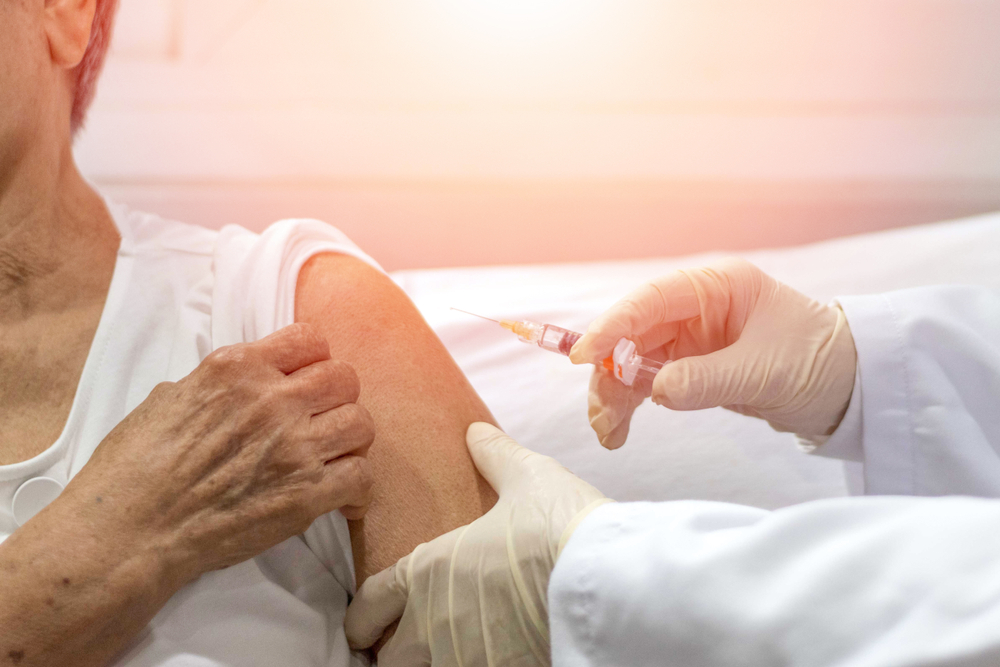
Health authorities recommend updating vaccines for influenza and COVID-19 four to six weeks before departure.
Some travelers may also benefit from an RSV vaccine.
Also read: Several chocolate products removed from shelves over possible salmonella contamination
Adjust your sleep schedule

If the trip involves crossing several time zones, jet lag can affect both sleep and digestion. Gradually adjusting your daily routine a few days before departure may help.
Pack a health kit

It is recommended to bring prescription medication, motion sickness remedies, pain relievers, bandages, and medication for diarrhea and heartburn.
Choose the right cabin

A cabin located in the middle of the ship or on lower decks may be beneficial for people who are prone to seasickness.
Consider travel insurance

Medical treatment onboard can be expensive, and emergency evacuation may cost more than $200,000, according to Healthline.
Also read: Serena Williams reveals why she froze her eggs in her 20s
Bring hand sanitizer
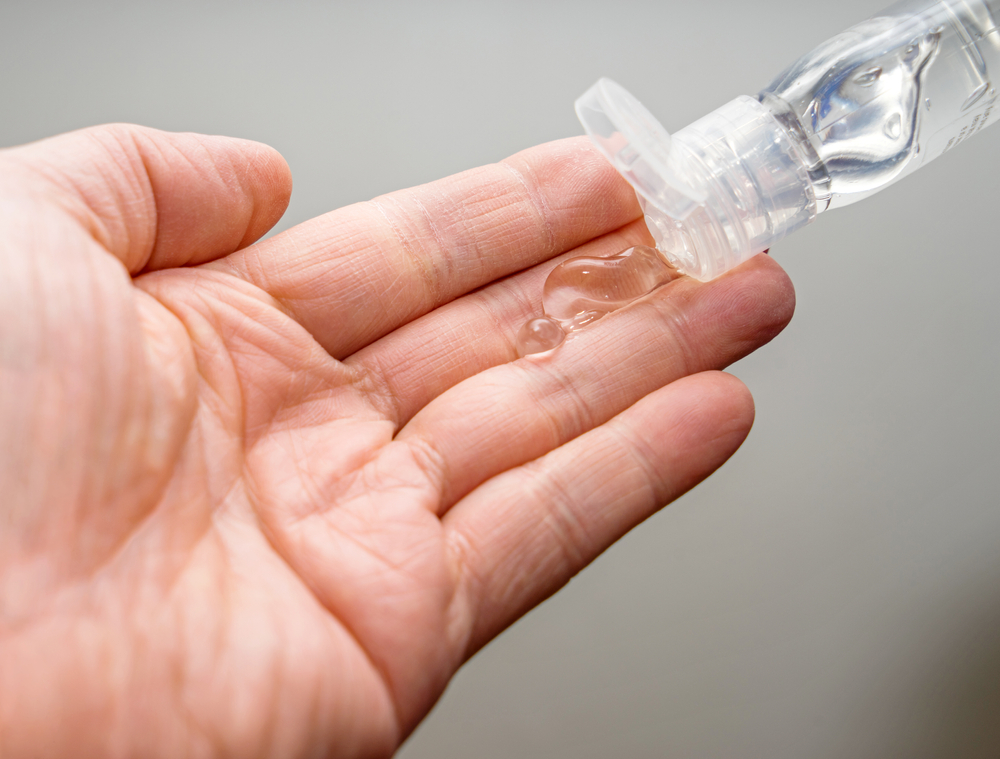
Although many ships provide hand sanitizer stations, carrying your own sanitizer may make it easier to use it more frequently.
Pack disinfectant wipes
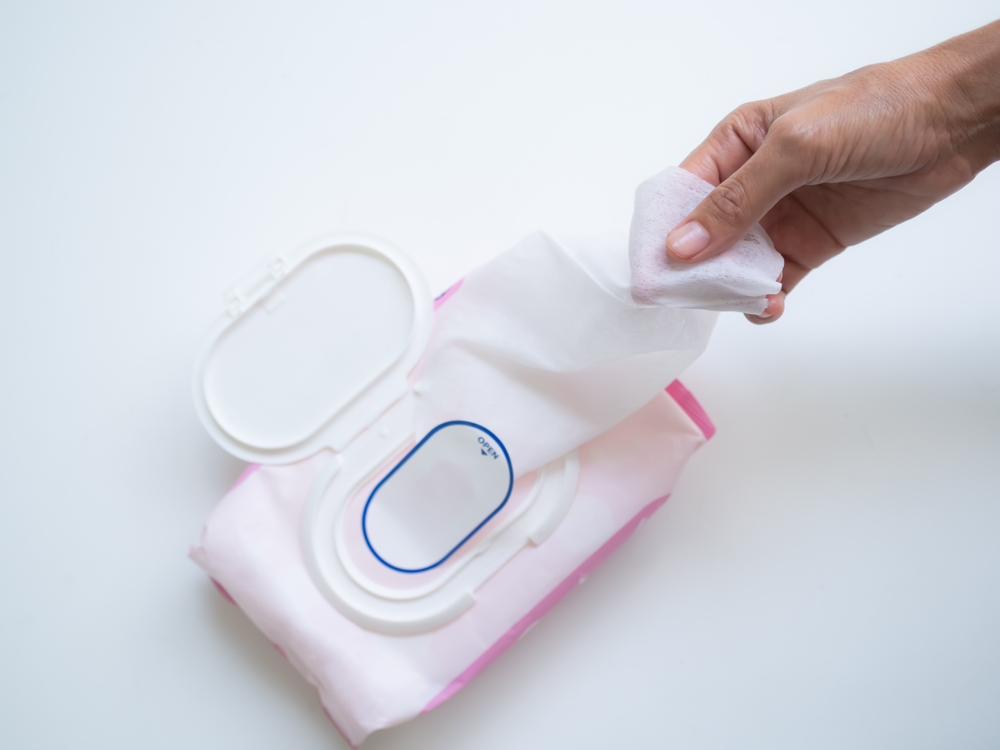
Passengers are advised to wipe down surfaces in their cabin upon arrival, especially door handles, light switches, and remote controls.
Use sunscreen

Experts recommend sunscreen with at least SPF 15 and reapplying it every two hours while spending time in the sun.
Drink plenty of water

Proper hydration can help prevent nausea and dehydration. Many modern cruise ships offer water stations for refillable bottles.
Also read: This is what happens to your body if you eat tofu regularly
Wash your hands frequently

Passengers should wash their hands before meals, after going ashore, and after touching shared surfaces such as railings and elevator buttons.
Avoid sick passengers

If other passengers show signs of vomiting or diarrhea, it is recommended to keep your distance and notify the ship’s staff.
Limit alcohol consumption

Excessive alcohol intake can increase the risk of dehydration and accidents, especially while swimming.
Stay active

Exercise during the trip can improve sleep and help counter the effects of large buffet meals. Taking the stairs instead of the elevator can be a simple way to stay active.
Also read: Researchers point to the best exercise for high blood pressure
Respond quickly to illness

If symptoms such as fever, coughing, vomiting, or diarrhea occur, the ship’s medical team should be contacted immediately. Some passengers may be asked to isolate.
Sources: Healthline.
Also read: Your sunflower oil can become toxic if stored incorrectly – here’s how to avoid it
This article is made and published by Ida-Marie Palm Varbæk, who may have used AI in the preparation.