
Many people associate fruit with sugar and vitamins, but some fruits also provide protein, fiber, and other valuable nutrients.
With the right choices, fruit can complement a balanced diet while supporting satiety and recovery, according to iDNES.
Protein in fruit
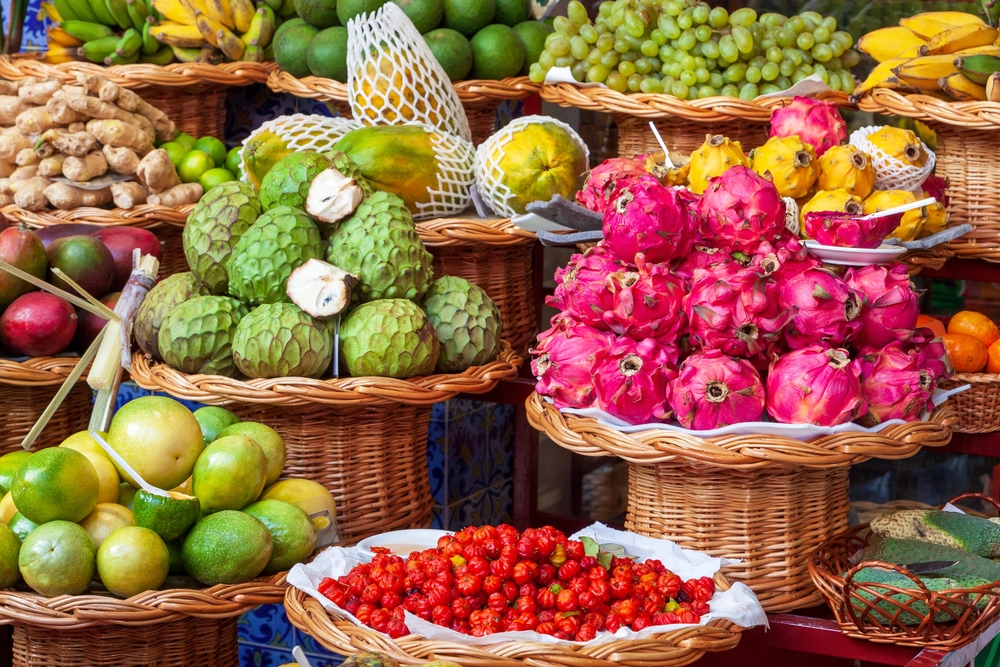
Protein from fruit naturally comes alongside fiber and antioxidants. This makes fruit a different source of nutrients compared with many processed protein products.
Fruit can increase daily protein intake
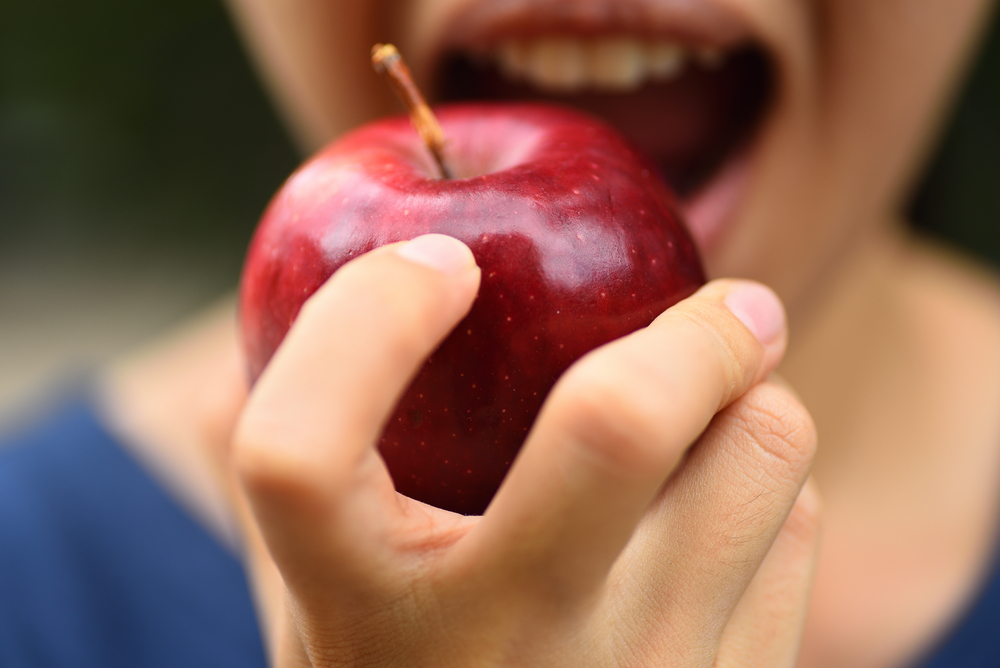
Although fruit cannot compete with meat or other traditional protein sources, carefully selecting certain fruits can contribute an additional 5 to 10 grams of protein per day.
Also read: Low levels of vitamin D may lead to more pain after surgery
Kiwi
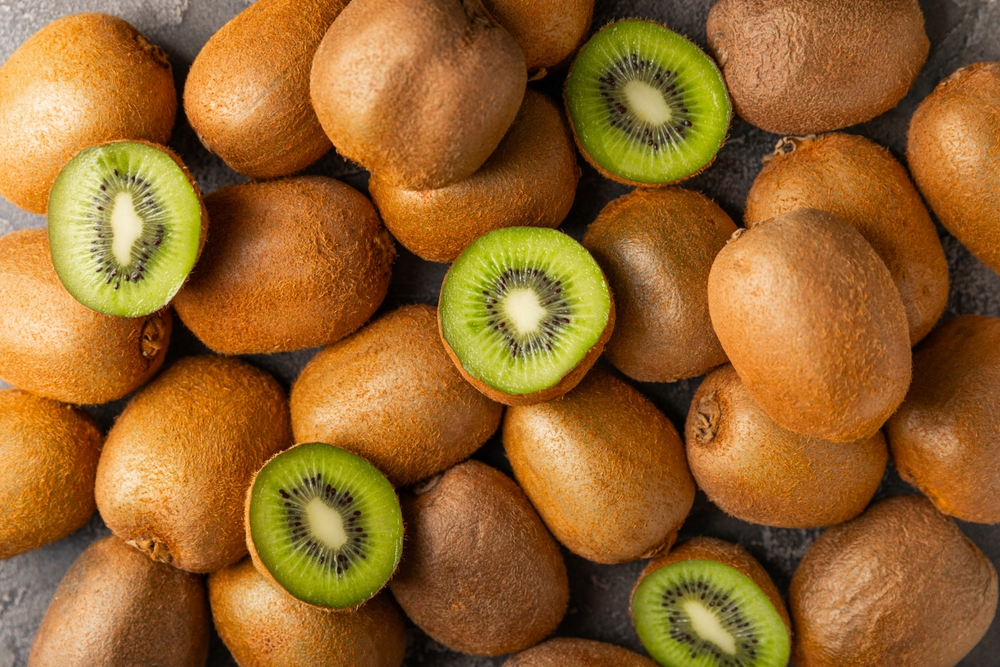
According to iDNES, kiwi contains approximately 1.1 grams of protein per 100 grams. The fruit is also highlighted for its benefits to digestion.
Frozen berries
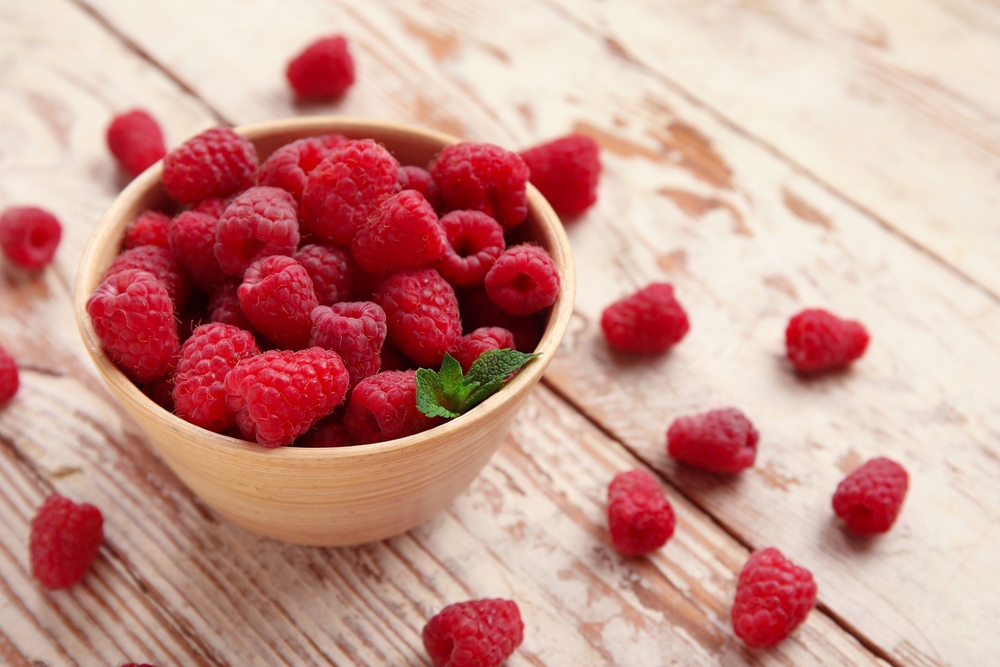
Frozen blackberries and raspberries can be significantly cheaper than fresh varieties when they are out of season. According to iDNES, both the protein content and vitamins are preserved through gentle freezing.
Increased satiety

Protein has the highest thermic effect among nutrients.
As a result, the body uses energy to process it, and a higher protein intake may help support feelings of fullness.
Also read: This method helps you burn more calories on your walk
Stable energy release
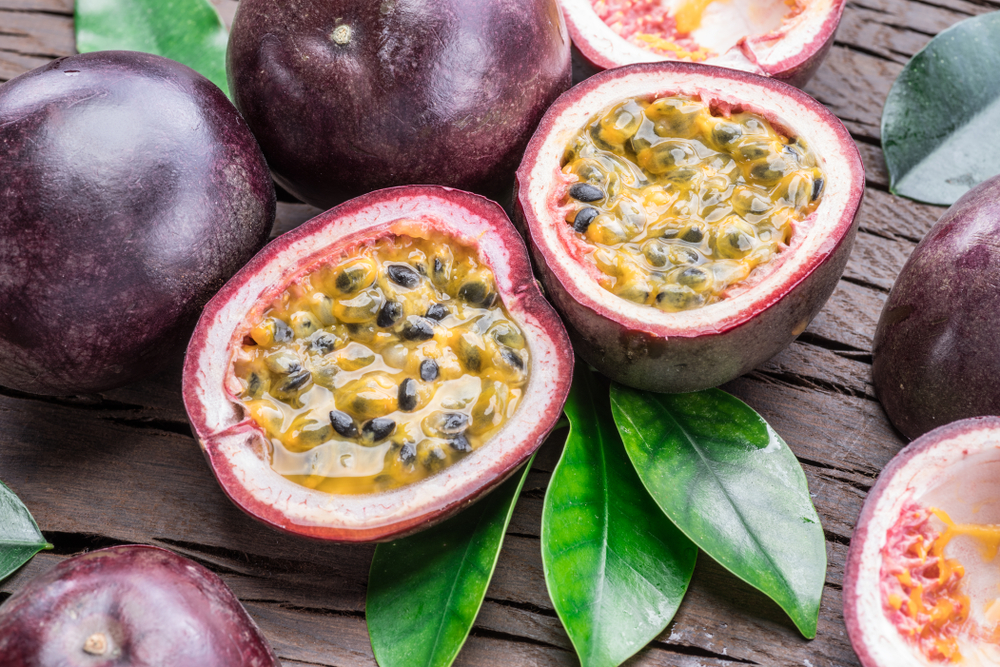
The fiber found in fruit can slow the absorption of sugar. This means energy is released more gradually rather than all at once.
One-sided fruit diets are not recommended
iDNES emphasizes that a diet based exclusively on fruit can lead to deficiencies in essential amino acids. Dietary variety is highlighted as crucial.
Supporting digestion
Kiwi and pineapple contain enzymes such as actinidin and bromelain.
These substances are not proteins themselves, but they may help the body break down and digest protein from other foods.
Also read: Experimental nasal spray sparks interest among dementia experts
Avocado
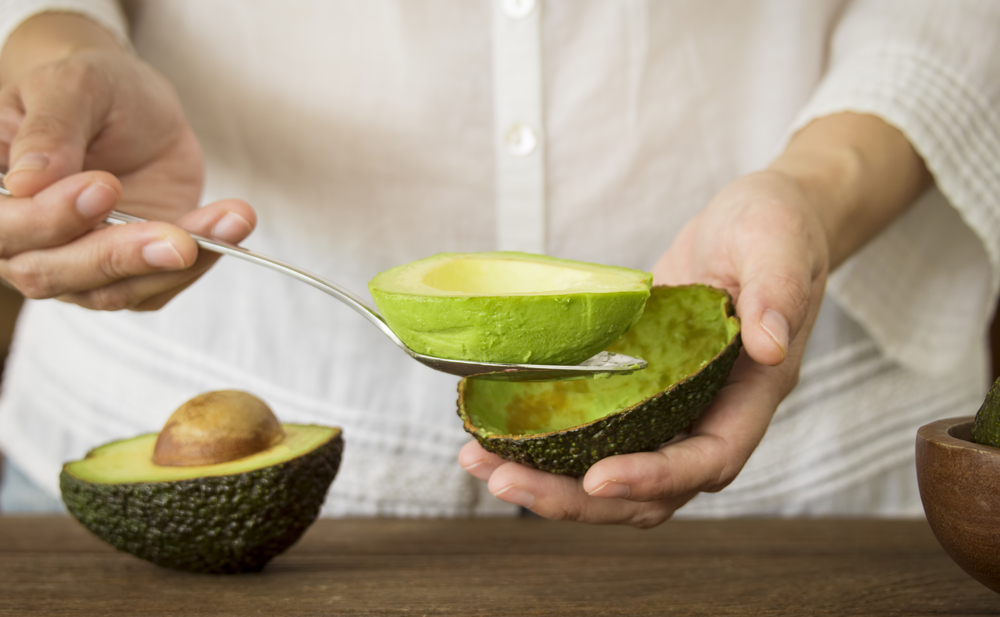
Although many people consider avocado a vegetable, it is botanically classified as a fruit.
A medium-sized avocado provides approximately 3 to 4 grams of plant protein, along with a broader amino acid profile than many other fruits.
Blackberries
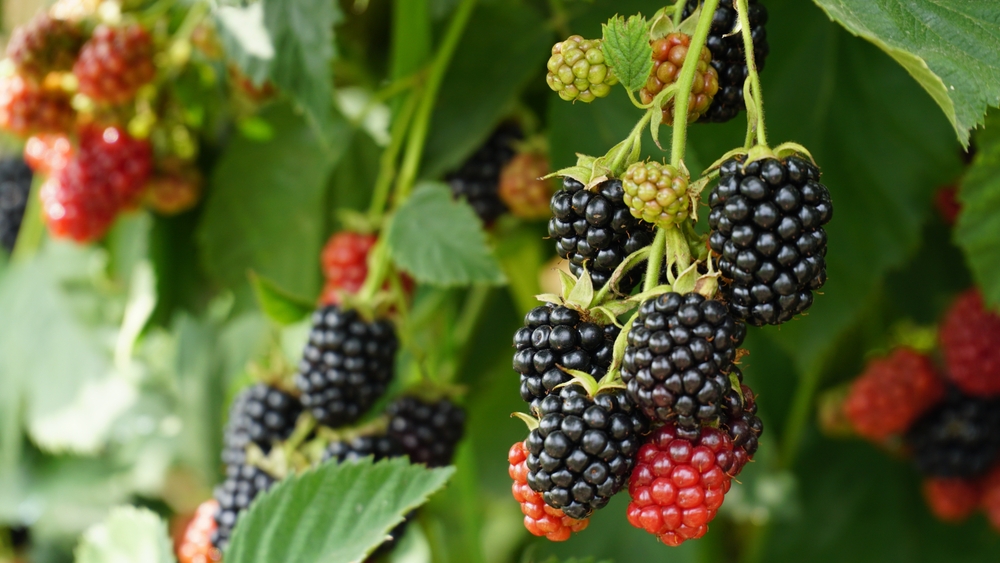
Blackberries contain around 2 grams of protein per cup. They also have a low glycemic index, meaning energy is released more gradually.
Raspberries
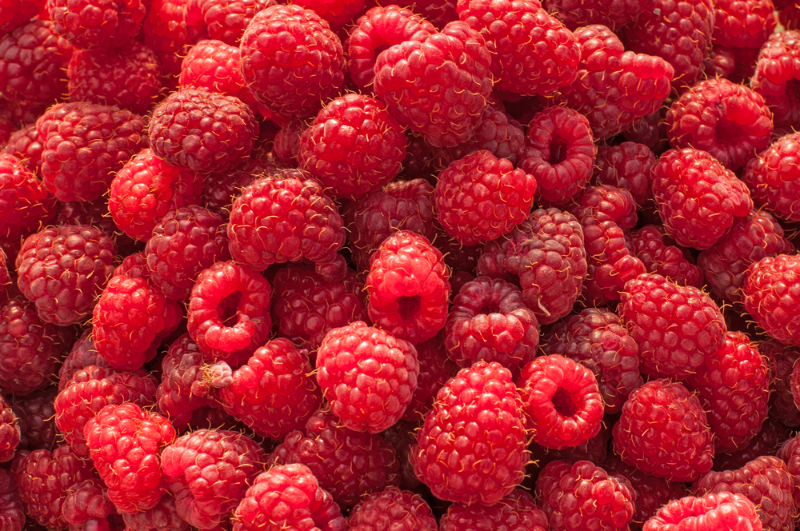
Raspberries are among the locally available fruits with a relatively high protein content. One cup contains approximately 2 grams of protein as well as a good amount of fiber.
Also read: Have you quit smoking? It could reduce your risk of dementia
Banana

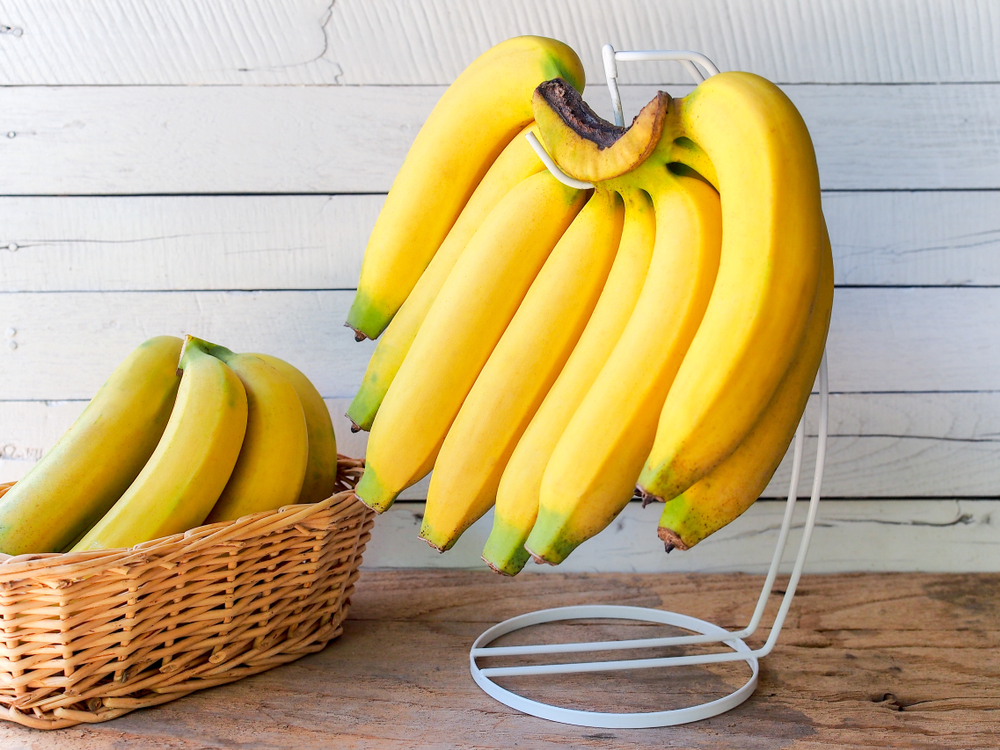
Bananas are well known for their potassium content, but they also contain around 1.3 grams of protein per fruit.
Combining bananas with dairy products may help the body make better use of amino acids.
Dried apricots
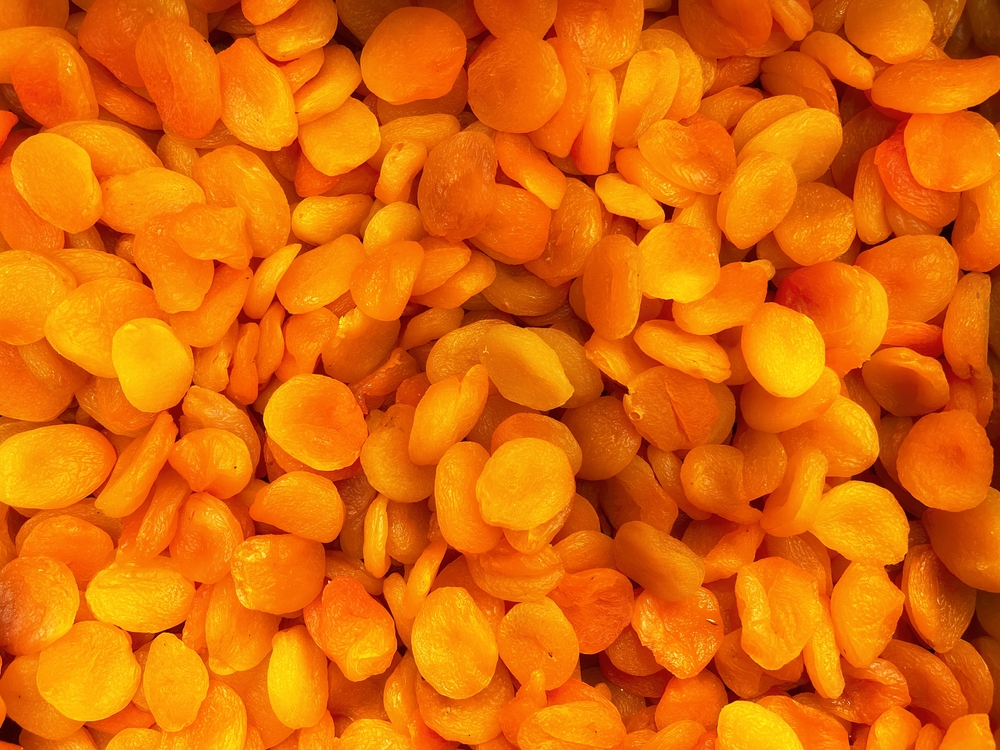
When fruit is dried, the water content is removed and nutrients become more concentrated. Dried apricots contain more than 3 grams of protein per 100 grams and are easy to take on the go.
Guava tops the list
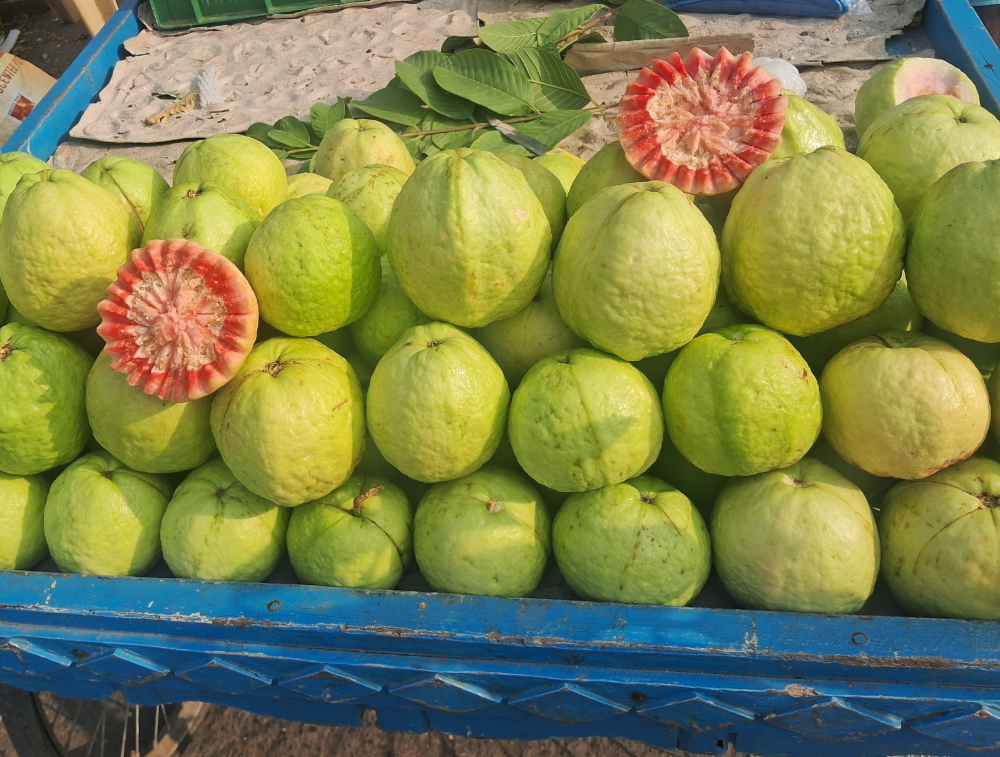
Guava is among the fruits with the highest protein content. A serving about the size of a coffee cup contains roughly 4.2 grams of protein.
Also read: Scientists investigate possible vision risk with wegovy
The fruit is also rich in vitamin C and is becoming increasingly available in supermarkets.
Sources: iDNES.
This article is made and published by Ida-Marie Palm Varbæk, who may have used AI in the preparation.