
Many products promise to slow the aging process, but diet also plays an important role.
Several nutrient-rich foods have been linked to benefits for both the brain and the body, according to Verywell Mind.
Blueberries
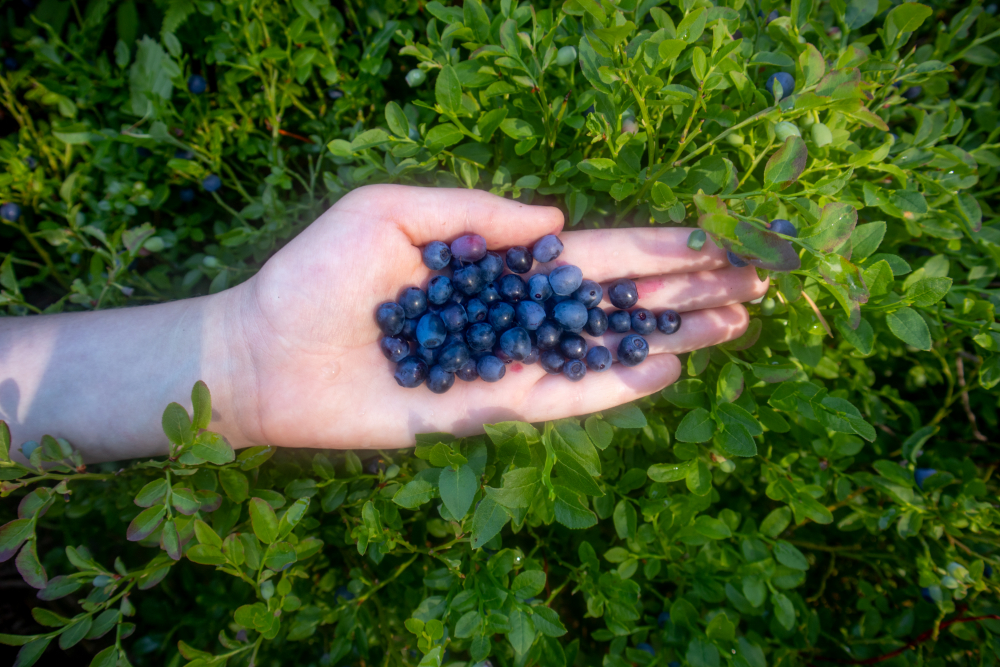
Blueberries contain high levels of antioxidants such as anthocyanins and proanthocyanidins.
These compounds may help protect cells from damage caused by free radicals and reduce inflammation, which is associated with aging and chronic diseases.
Also read: A child’s birth month may affect their risk of getting the flu
Greek yogurt
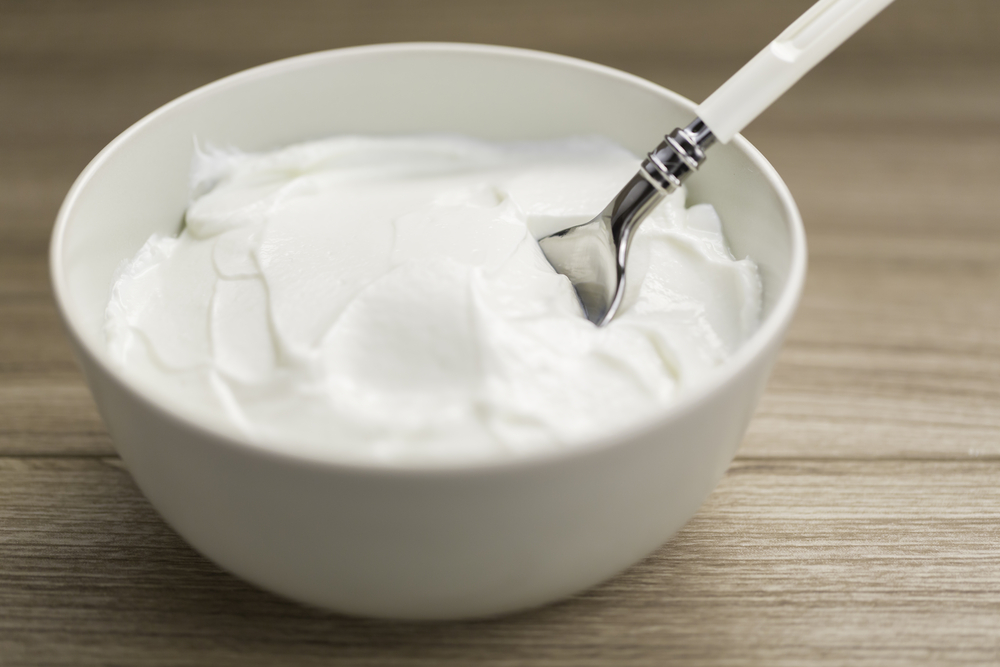
Greek yogurt is rich in probiotics, which support a healthy gut microbiome.
A well-functioning gut microbiome may contribute to a stronger immune system and help reduce inflammation throughout the body.
Avocado
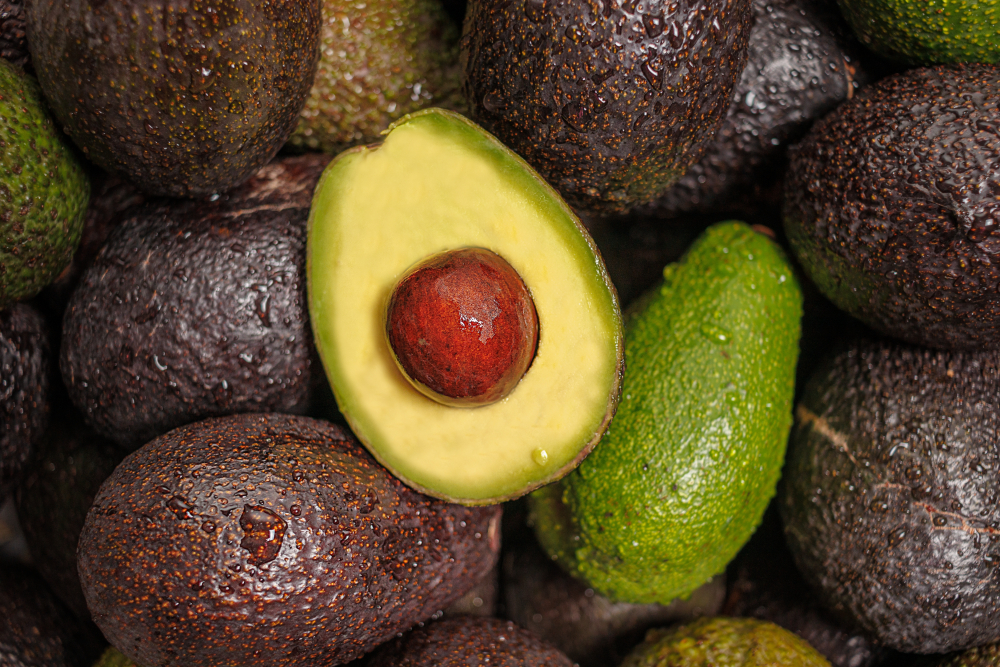
Avocados contain fiber, antioxidants, phytosterols, and monounsaturated fats.
According to a study published in Frontiers in Nutrition, older adults who ate avocados performed better on cognitive tests than those who did not consume avocados.
Also read: Dermatologists: Your position in the shower may affect your skin health
Turmeric
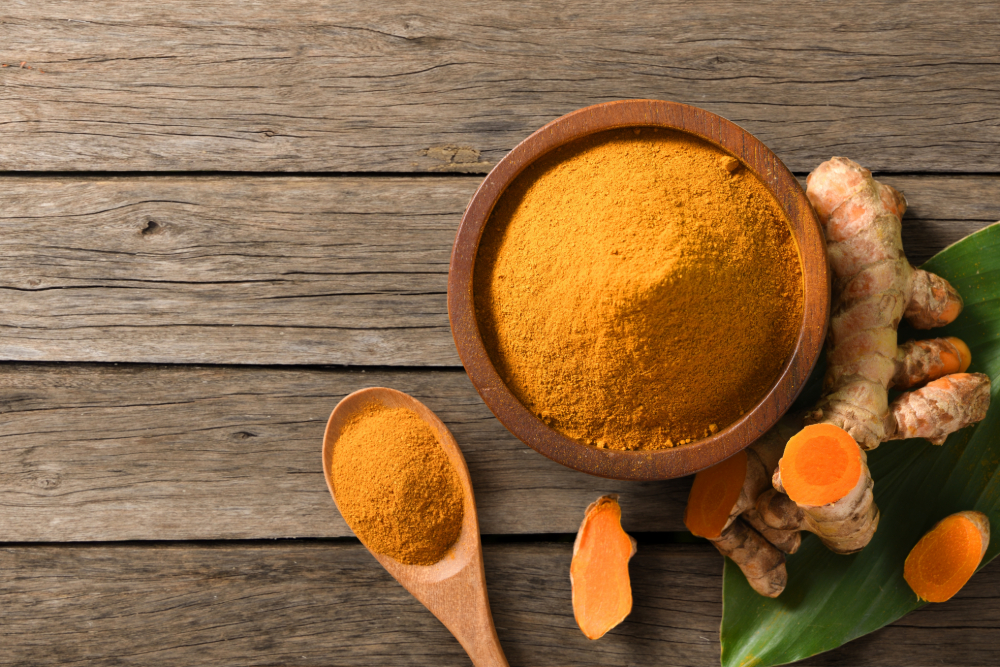
Curcumin, the active compound found in turmeric, is known for its antioxidant, anti-inflammatory, and neuroprotective properties.
Research published in The AAPS Journal also suggests that the compound may influence mechanisms that are important for the survival of cancer cells.
Fatty fish

Fatty fish such as salmon, sardines, pollock, anchovies, and cod contain omega-3 fatty acids.
These fatty acids have been associated with support for brain function, reduced inflammation, and improved cognitive performance, according to a study published in Cureus Journal of Medical Science.
Also read: These diseases can be revealed through your eyes
Matcha
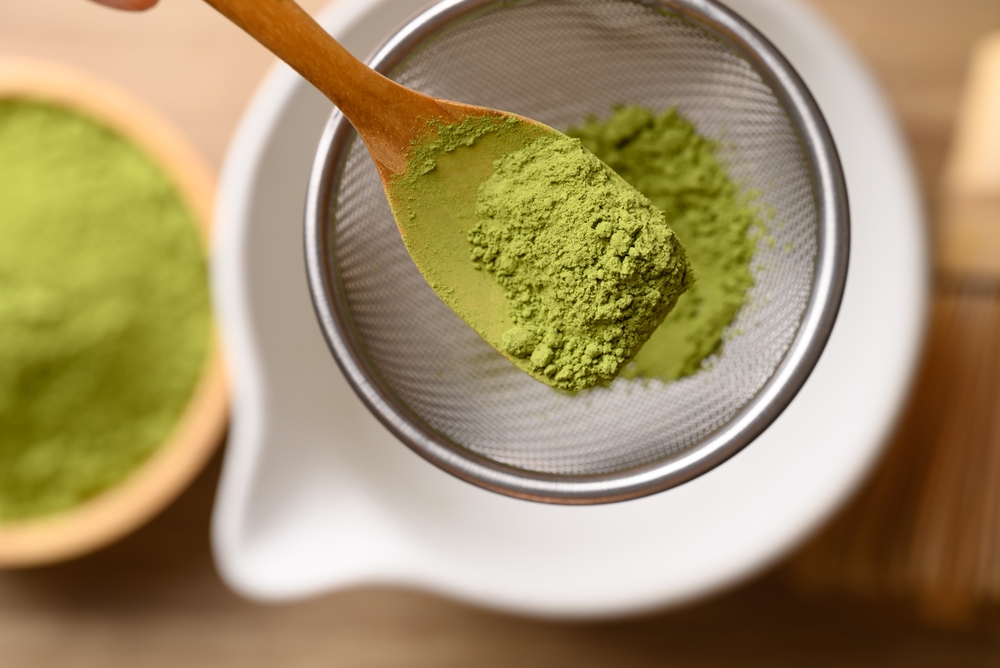
Matcha is made from finely ground green tea leaves and contains nutrients including polyphenols, catechins, and L-theanine.
These compounds have been linked to improved concentration, working memory, and protection against oxidative stress, according to a study published in Food Research International.
Walnuts
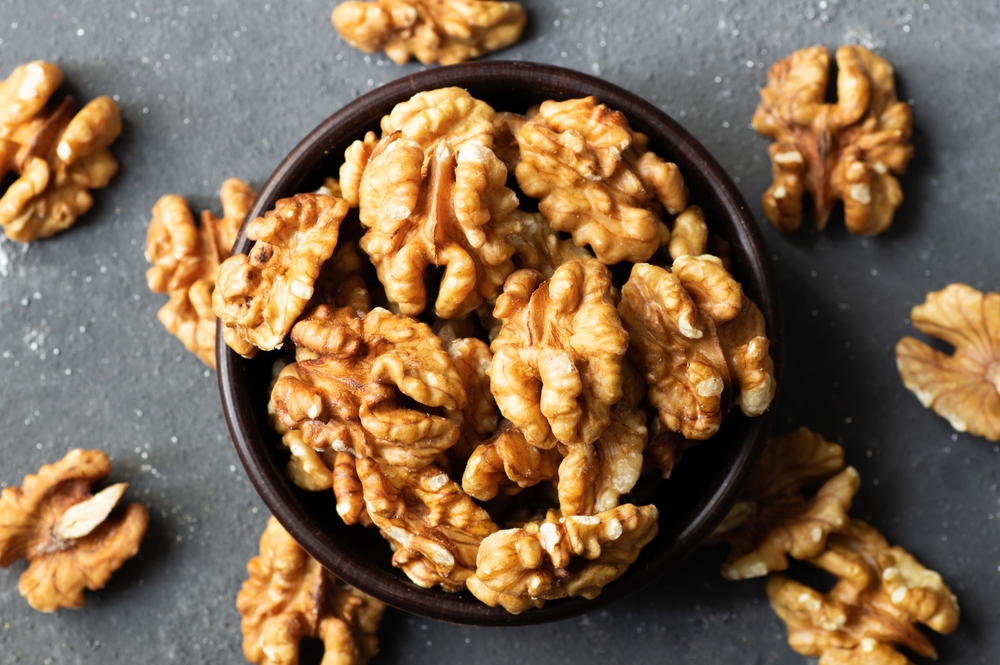
A large study published in Nutrients found that 60-year-olds who consumed at least five servings of walnuts per week lived approximately 1.3 years longer than those who did not eat walnuts.
Dark leafy greens
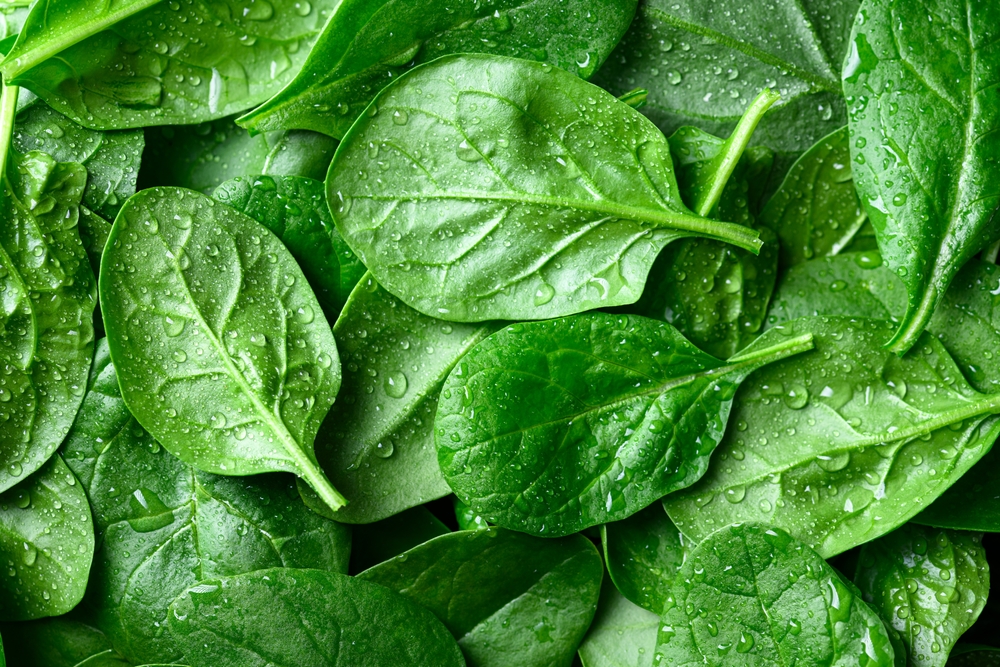
Spinach, kale, Swiss chard, and arugula are packed with vitamins and bioactive compounds.
Also read: GLP-1 drugs linked to 30 percent lower risk of dying from breast cancer
A high intake of leafy greens has been associated with a lower risk of inflammatory diseases and slower cognitive decline, according to a study published in Neurology.
Extra virgin olive oil

Extra virgin olive oil contains polyphenols and oleic acid, which may help protect cells from oxidative damage.
High consumption has been linked to greater longevity and a lower risk of several diseases.
Lentils
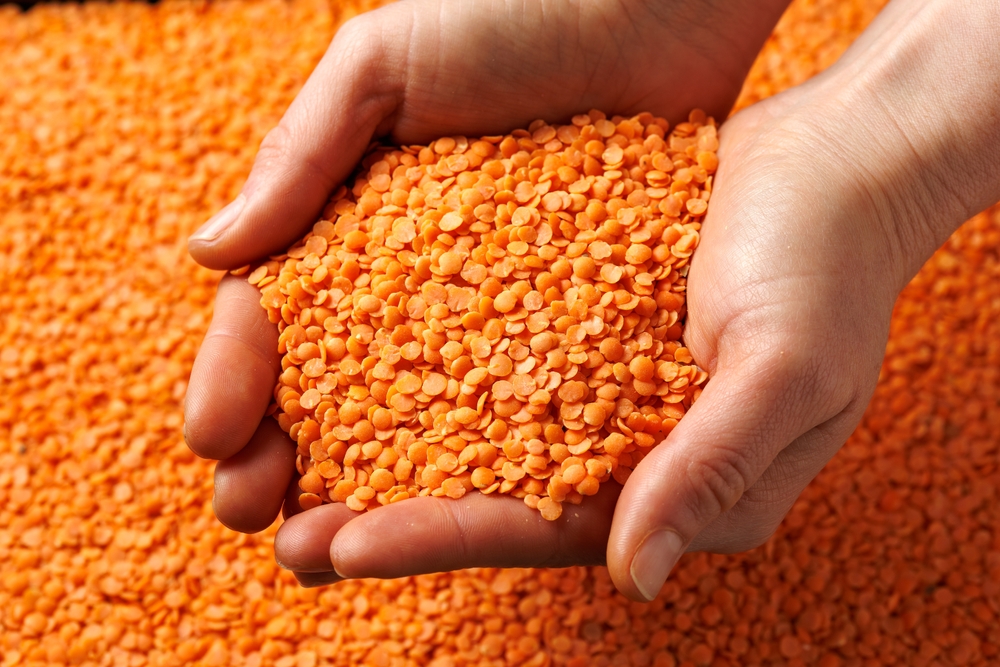
Lentils contain polyphenols, saponins, and phytosterols with antioxidant and anti-inflammatory properties.
Also read: Watermelon may offer more than just refreshment, studies suggest
They also provide protein and fiber, both of which are important for maintaining health throughout life.
What do these foods have in common?
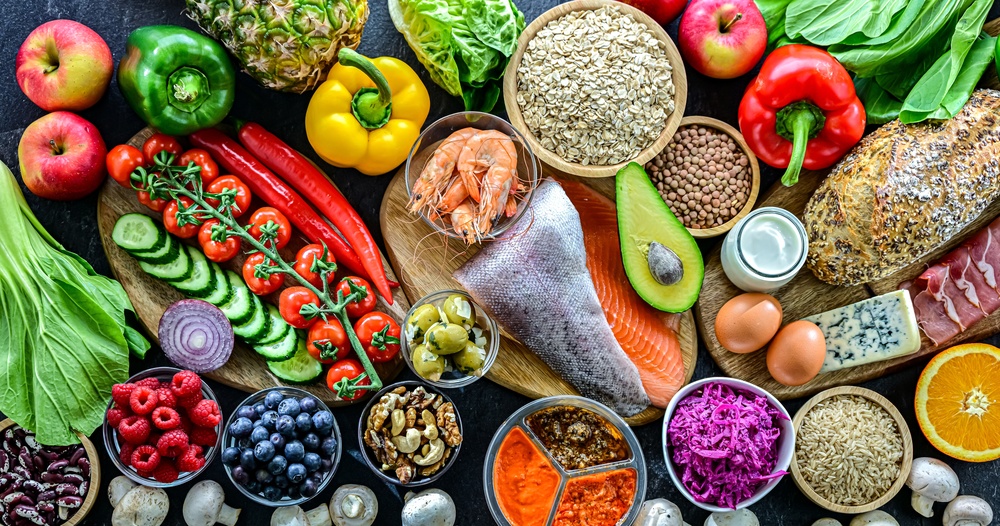
Many of the foods on this list are rich in antioxidants, fiber, or healthy fats.
Verywell Mind highlights that these nutrients are associated with benefits for both brain health and overall well-being.
No miracle foods

Verywell Mind emphasizes that no single food can stop the aging process.
The best strategy is a varied diet rich in whole foods and antioxidants.
Sources: Verywell Mind, Frontiers in Nutrition, The AAPS Journal, Cureus Journal of Medical Science, Food Research International, Nutrients, and Neurology.
This article is made and published by Ida-Marie Palm Varbæk, who may have used AI in the preparation.