
Your eyes can reveal more than just vision problems.
According to eye specialists, changes in vision or the appearance of the eyes can sometimes be signs of other diseases or health conditions elsewhere in the body.
Here are some conditions, according to Prevention, that can affect the eyes in different ways.
Glaucoma
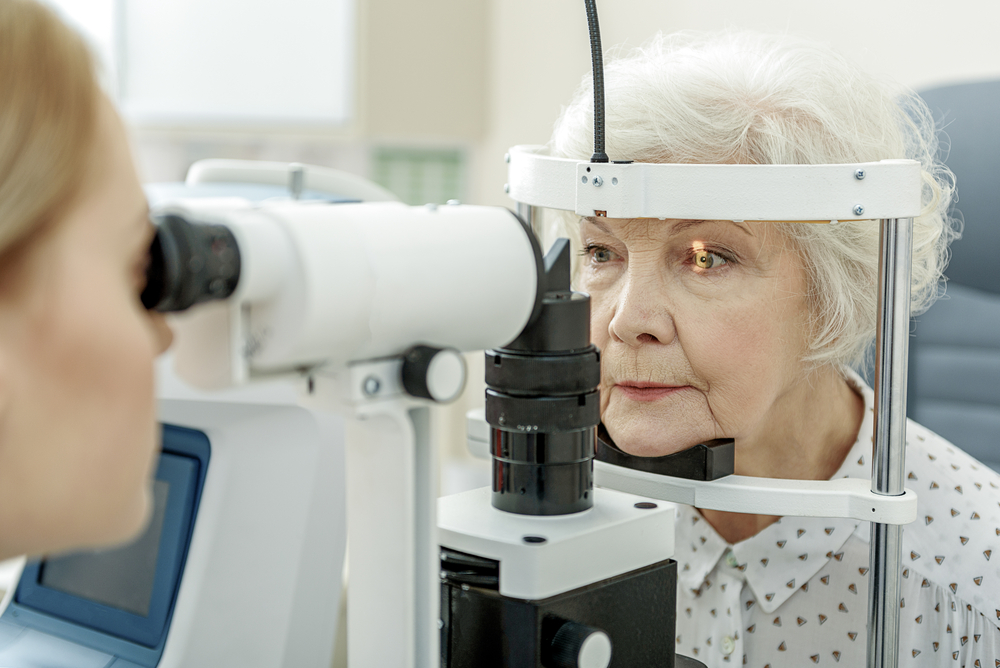
Glaucoma can damage the optic nerve and lead to blind spots in the field of vision.
Also read: GLP-1 drugs linked to 30 percent lower risk of dying from breast cancer
Some people also experience halos around lights, blurred vision, pain in the eye or forehead, and red eyes.
If left untreated, the condition can result in severe vision loss.
Cataracts

With cataracts, the eye’s lens gradually becomes cloudy.
This can cause vision to appear hazy or blurred, and colors may seem less vivid.
Also read: Watermelon may offer more than just refreshment, studies suggest
Many people also experience increased sensitivity to glare and difficulty seeing in low-light conditions.
Macular degeneration
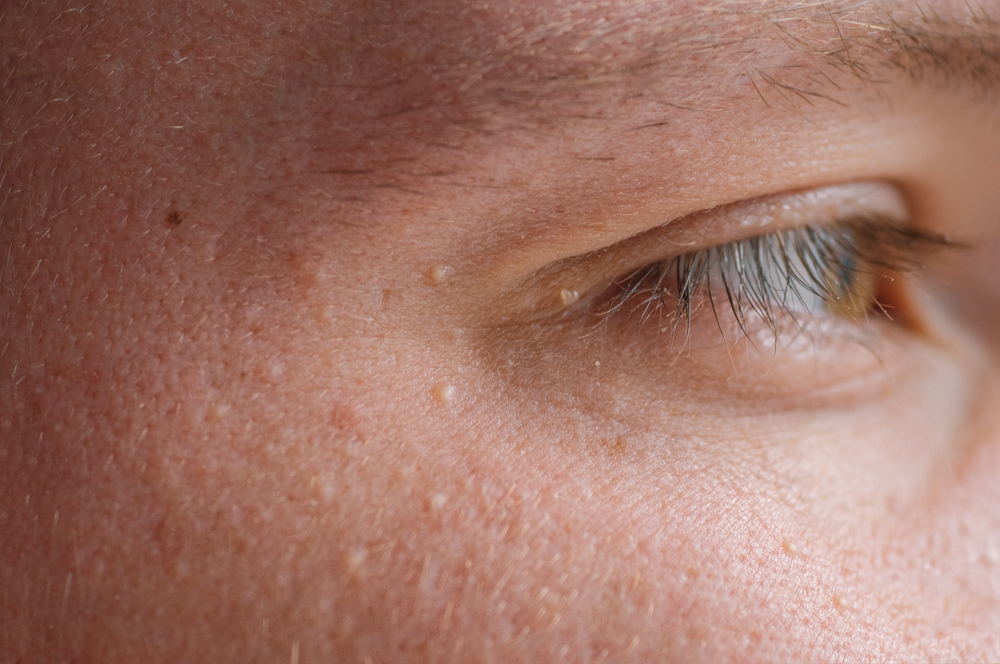
Macular degeneration is a common cause of vision loss among older adults.
The condition affects the central area of the retina, which can make faces and objects appear distorted.
Straight lines may look wavy, while peripheral vision often remains unaffected.
Also read: Medication could reduce the need for knee replacements in osteoarthritis patients
High cholesterol

In some cases, high cholesterol can lead to temporary vision disturbances. Vision may briefly disappear and then return.
Fatty deposits may also develop around the eyes, and grayish rings can form around the cornea.
Thyroid problems

If the thyroid gland is not functioning properly, the muscles around the eyes may swell.
This can cause the eyes to appear more prominent than usual. Some people may also experience double vision.
Also read: Experts warn against using this type of kitchen paper with food
Graves’ disease
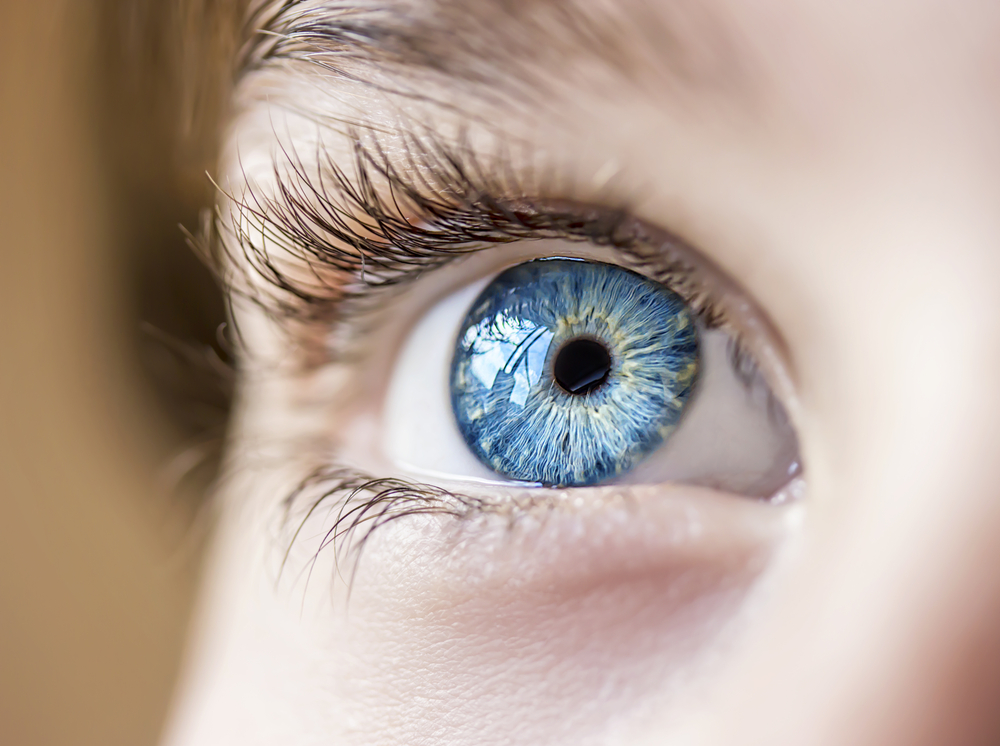
The autoimmune condition Graves’ disease can cause the eyelids to retract, making the eyes appear larger.
If the eyelids cannot close completely, it can lead to dry and irritated eyes.
Diabetes

Diabetes can cause the central area of the retina to swell or accumulate fluid. This can lead to vision loss and, in severe cases, blindness.
People with diabetes are also at increased risk of both glaucoma and cataracts.
Also read: How blueberries can affect your cholesterol if you eat it regularly
Retinal migraine

Retinal migraine can present as temporary blind spots, flashing lights, zigzag patterns, or floating lines in the field of vision.
The symptoms typically occur in only one eye and often last for a short period.
Myasthenia gravis
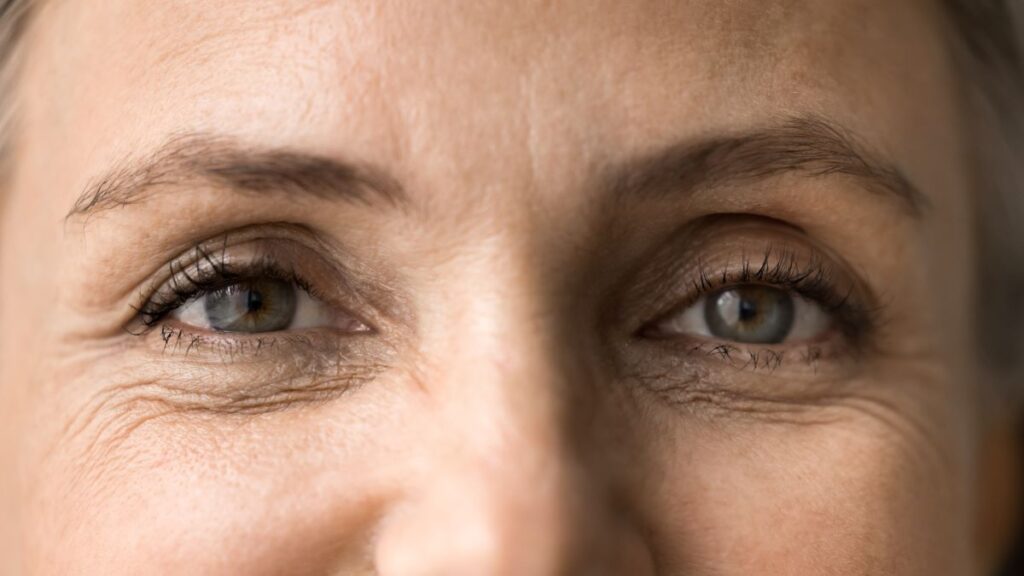
The autoimmune disease myasthenia gravis can weaken the muscles around the eyes.
This can make it difficult to keep the eyelids open and may also cause double vision.
Lupus

Lupus can lead to uveitis, an inflammatory condition affecting the eye.
Symptoms may include blurred vision, pain, redness, and sensitivity to light.
Multiple sclerosis

Vision changes can be an early sign of multiple sclerosis.
Reduced vision in one eye, pain during eye movement, faded color perception, or double vision may be among the symptoms.
Stroke

A sudden loss of vision can be a sign of a stroke.
Vision loss may affect one eye, part of the visual field, or both eyes. The condition can also cause double vision and problems with eye movement.
Source: Prevention.
This article is made and published by Ida-Marie Palm Varbæk, who may have used AI in the preparation.