
GLP-1 medications such as Ozempic, Wegovy, Mounjaro, and Zepbound have become increasingly popular for weight management and metabolic health.
At the same time, microdosing has emerged as a growing trend, with some people choosing lower or less frequent doses than those outlined in approved treatment plans. However, the practice is not approved and may carry several risks, according to Healthline.
What is microdosing?
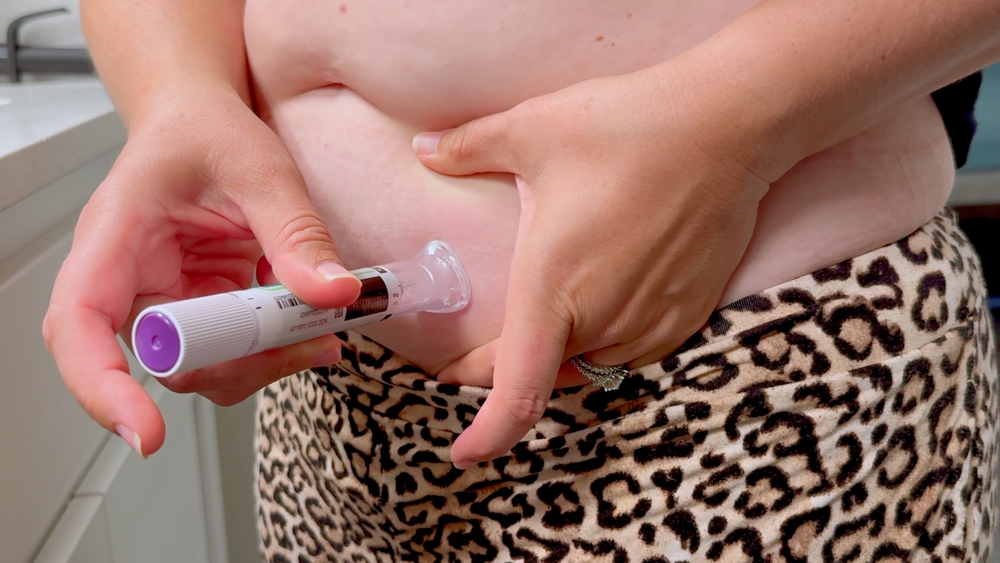
Microdosing involves taking smaller doses or altering the dosing schedule compared with official guidelines for GLP-1 treatment.
Many want fewer side effects

One of the most common reasons people choose to microdose is to reduce gastrointestinal side effects such as nausea, vomiting, and constipation.
Also read: After decades of waiting, a sunscreen ingredient has finally been approved
Some are pursuing different treatment goals

People experiencing perimenopause or mild insulin resistance may be interested in lower doses to support hormonal balance rather than weight loss.
Appetite control is a key motivation

Some individuals use microdosing to reduce hunger and food cravings without experiencing the significant appetite suppression that can occur with standard doses.
High costs play a role

Because GLP-1 medications are often expensive and not always covered by insurance, some people use microdosing as a way to make a prescription last longer.
Lower weekly doses are a common method

One common approach is to take a smaller portion of the usual dose every seven days.
Also read: These small changes could keep your hair cleaner for longer
Some extend the time between injections
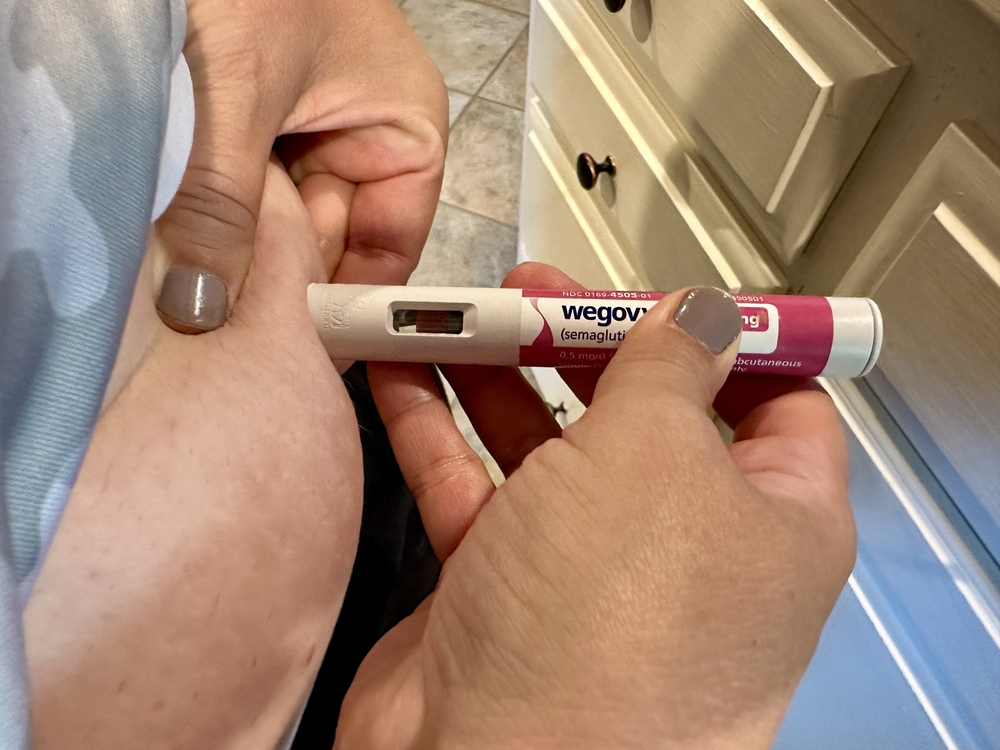
Others take the standard dose but wait 10 to 14 days between injections instead of the recommended seven days.
Some alternate between treatment and non-treatment periods

Some users also alternate between weeks on treatment and weeks off treatment in an attempt to reduce cumulative side effects.
There is no official microdosing protocol

Microdosing is not a regulated practice, and there are no standardized guidelines outlining how it should be done.
It may reduce effectiveness

According to Healthline, lower doses may reduce the medication’s effectiveness, even if side effects become less severe at the same time.
Also read: How tomatoes can affect your body if you eat them every day
Dose changes can make monitoring more difficult

Irregular dosing patterns may make it harder to assess side effects, drug interactions, and overall treatment outcomes.
Microdosing often involves compounded products

Brand-name medications such as Wegovy and Mounjaro are typically supplied in pens with fixed doses, making microdosing difficult.
As a result, microdosing is often carried out using compounded GLP-1 products.
Compounded GLP-1 products carry specific risks
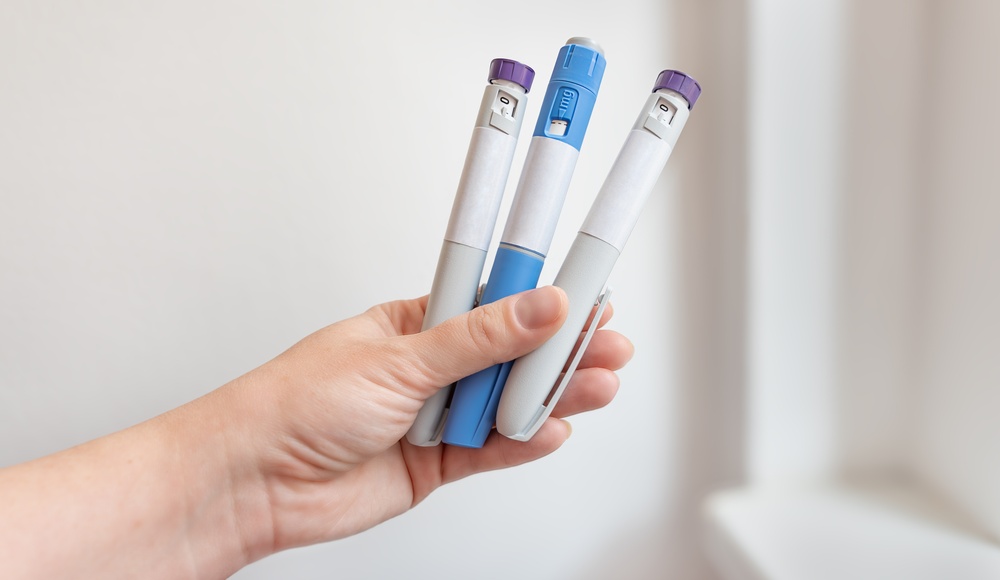
These products are generally not approved by the U.S. Food and Drug Administration (FDA) and have not undergone the same extensive testing for safety and effectiveness as approved brand-name medications.
Also read: X-Men actor reveals breast cancer diagnosis – here are the signs you should know
Potency may vary between products

The concentration of the active ingredient can differ from one product to another, making precise dosing less predictable.
Shelf life can become an issue
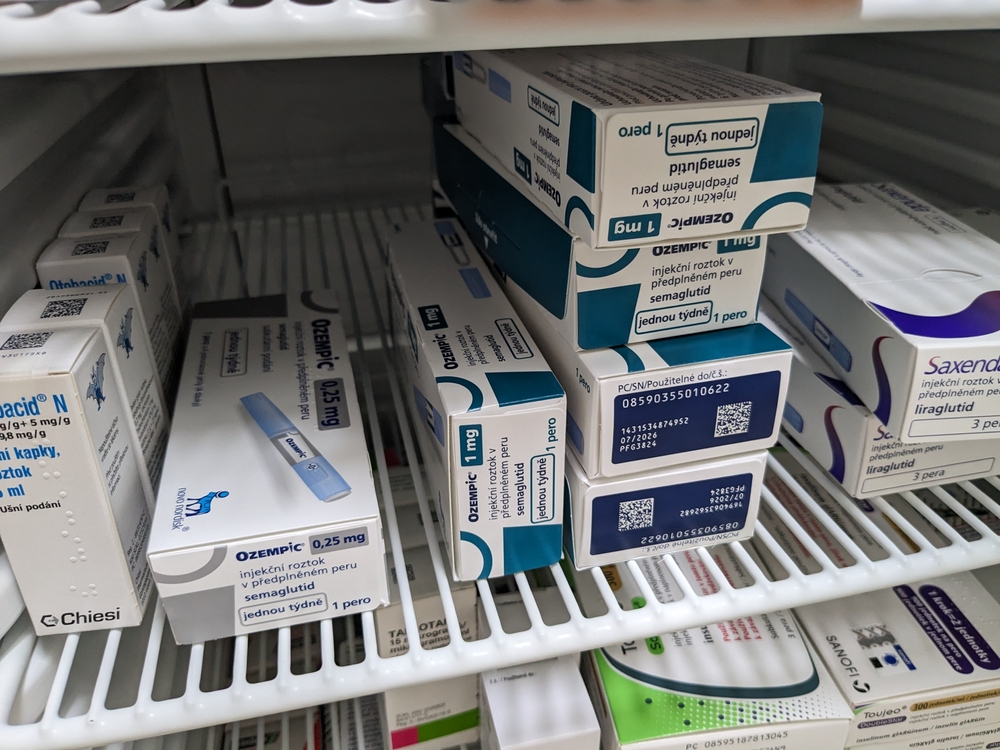
Once a medication is opened, it remains stable and sterile only for a limited period.
Microdosing may result in the medication being used over a longer period than intended, which can present potential risks.
The risk of bacterial contamination may increase
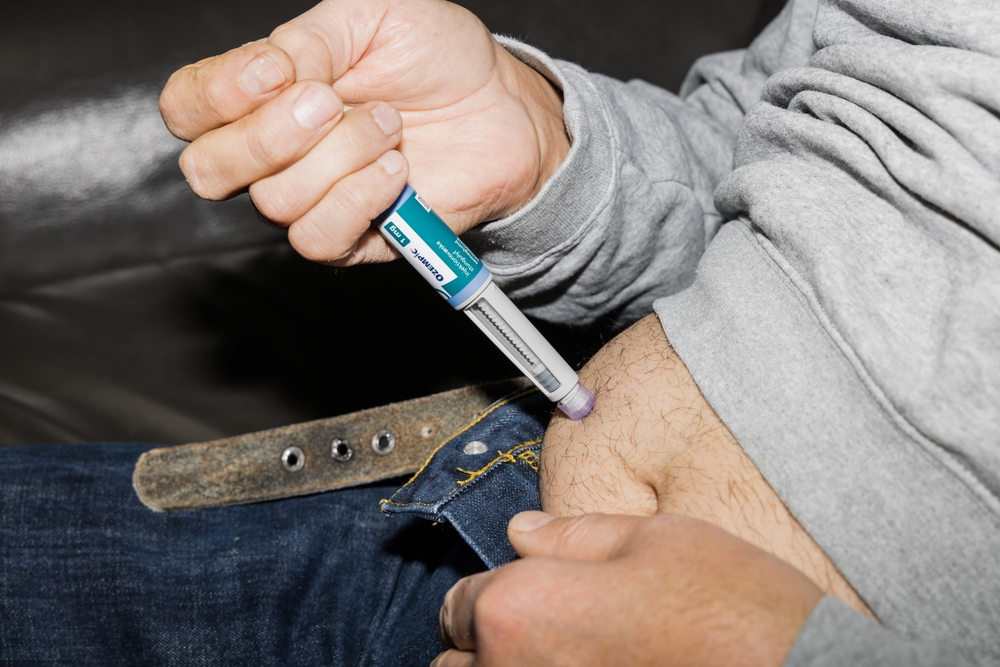
Using medication beyond its expiration date or repeatedly accessing the same container may increase the risk of bacterial contamination and infections.
Also read: Forget potatoes: Why you should eat parsnips instead
Tablets should not be split or crushed

Brand-name tablets such as Rybelsus should be swallowed whole.
Splitting, crushing, or dissolving the tablets may affect how the medication works and increase the risk of side effects.
Evidence for long-term effectiveness is lacking

Healthline highlights that there is currently no extensive clinical evidence showing that microdosing is an effective strategy for maintaining weight loss over the long term.
Speak with a healthcare provider about severe side effects

If the standard dose feels too strong, experts recommend consulting a doctor or pharmacist rather than adjusting the dosage independently.
A healthcare provider may suggest alternatives

Possible solutions may include remaining on the lower introductory dose for a longer period, using treatments to manage digestive side effects, or adjusting lifestyle habits such as diet, exercise, and sleep.
Source: Healthline.
This article is made and published by Ida-Marie Palm Varbæk, who may have used AI in the preparation.