
Skin cancer on the face is more common than many people realize.
Because the face is frequently exposed to the sun’s UV rays, it is one of the areas of the body most at risk of developing the disease, according to North Brighton Medical.
Early detection can make treatment both simpler and more effective.
Skin cancer often develops on the face
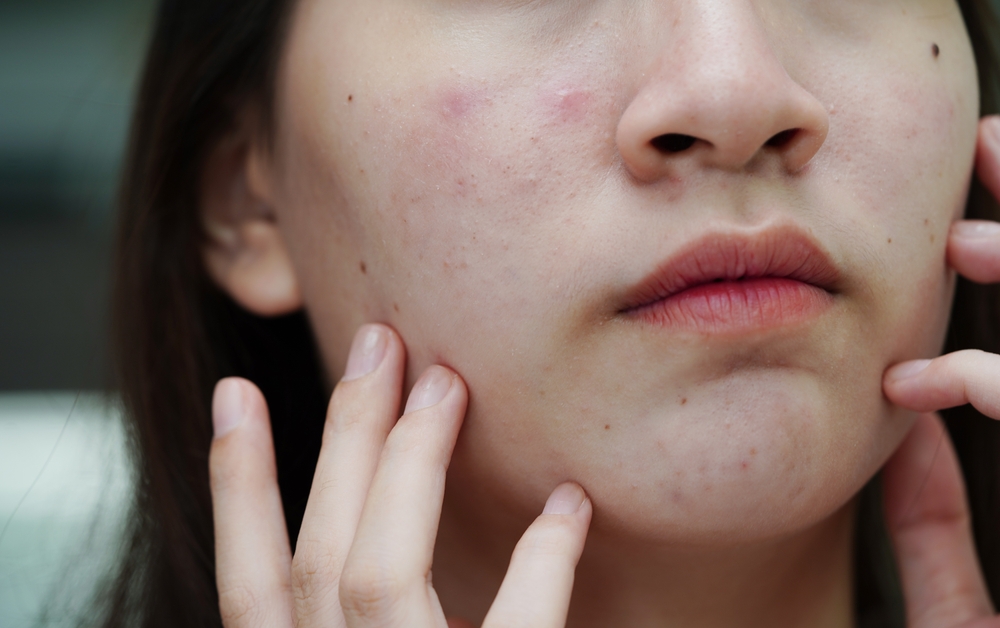
Skin cancer develops when abnormal cells grow uncontrollably, often as a result of damage caused by UV radiation.
Also read: Do you have high cholesterol? This is the number you should pay attention to
The face is particularly vulnerable because it is rarely covered and receives significant sun exposure over the years.
New moles can be a warning sign

A new mole appearing on the face may be a sign of melanoma, especially if it changes over time.
Changes in existing moles should be examined
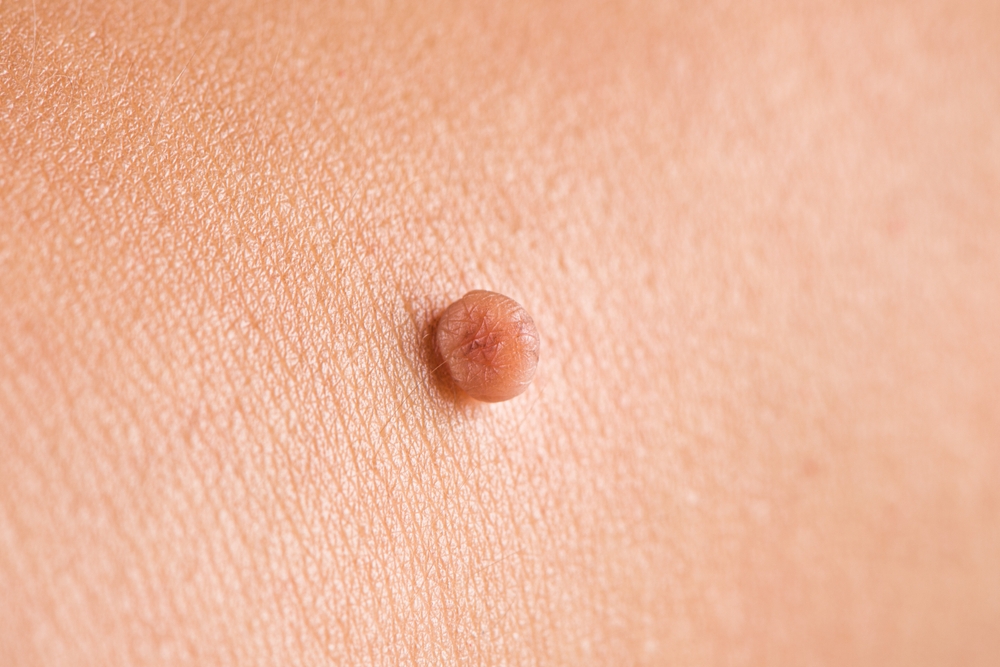
Moles that become larger, change shape, develop uneven borders, or display multiple colors may be signs of skin cancer.
These factors can help with assessment

Asymmetry, border, color, diameter, and evolution are factors that can help determine whether a mole should be examined more closely.
Also read: Three-ingredient summer drink gains popularity in hot weather
Red and scaly patches can be a sign
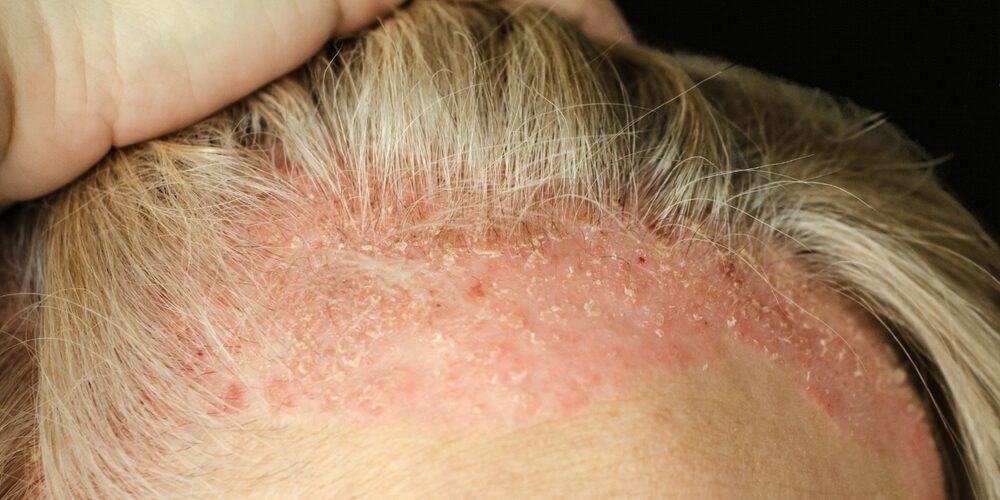
A red, rough, or scaly area of skin that does not go away may be an early sign of squamous cell carcinoma.
These skin changes may feel tender, but they can also be completely painless. What they have in common is that they do not heal on their own.
Sores that do not heal
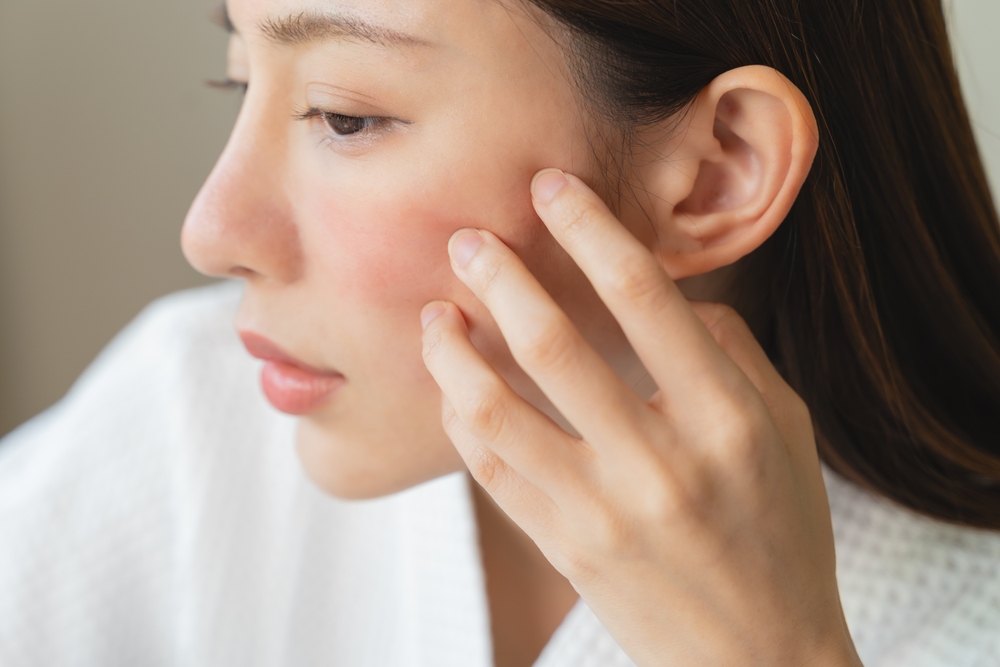
A sore on the face that has not improved after more than two weeks should be examined by a doctor.
Basal cell carcinoma can resemble small lumps or sores
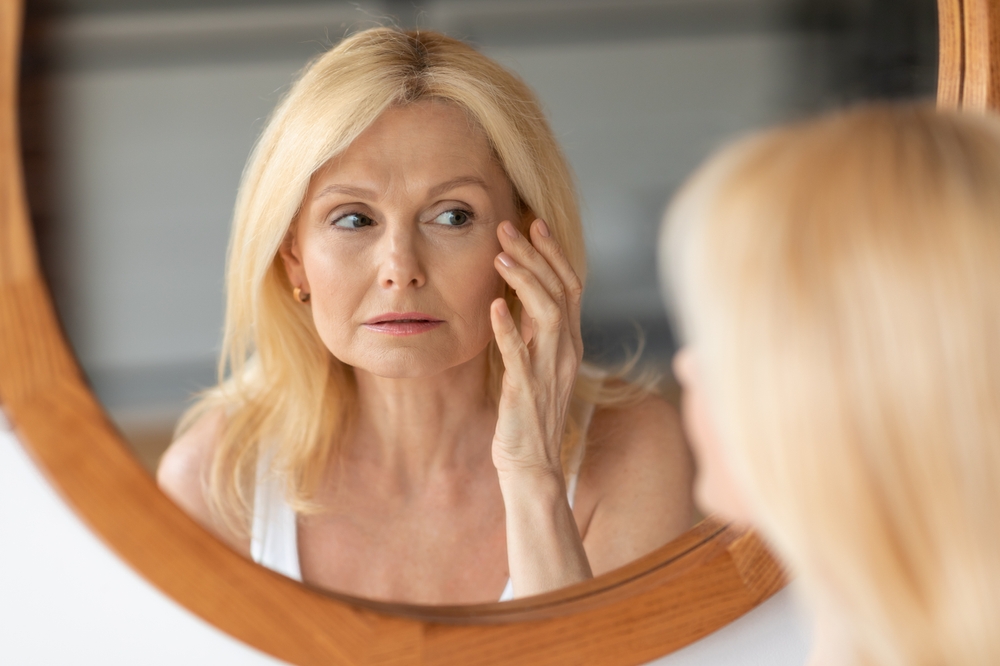
This type of skin cancer often appears as small shiny lumps or sores with raised edges.
Also read: These everyday work movements may increase miscarriage risk
Pearly bumps can be a symptom

Small transparent or pearl-like bumps around the nose, lips, or cheeks may be signs of basal cell carcinoma.
Some of these bumps bleed easily, form a crust, and then begin bleeding again.
Dark spots
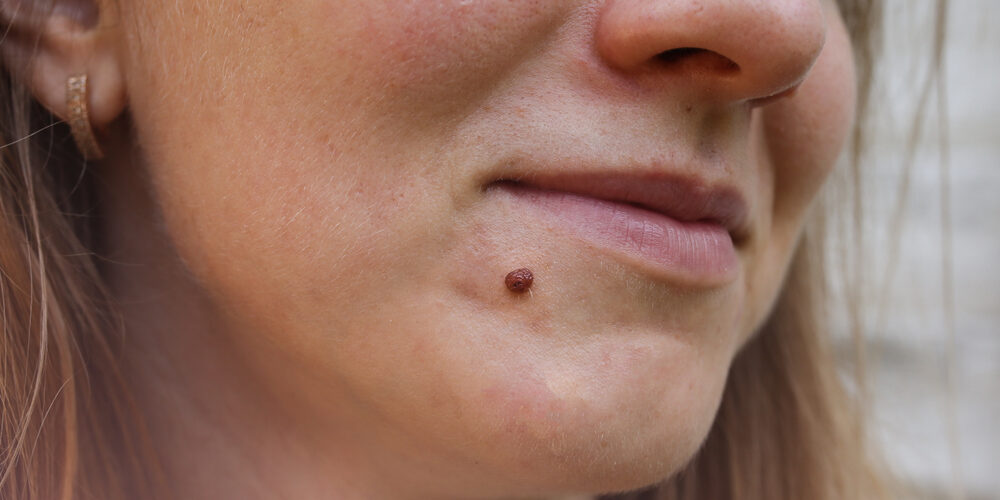
A flat brown or black spot that grows, becomes darker, or changes shape may be a sign of melanoma.
Melanoma is considered the most aggressive form of skin cancer, making early diagnosis crucial.
Also read: Just 5 to 15 minutes of daily exercise can keep the brain sharp – regardless of age
Horn-like skin growths
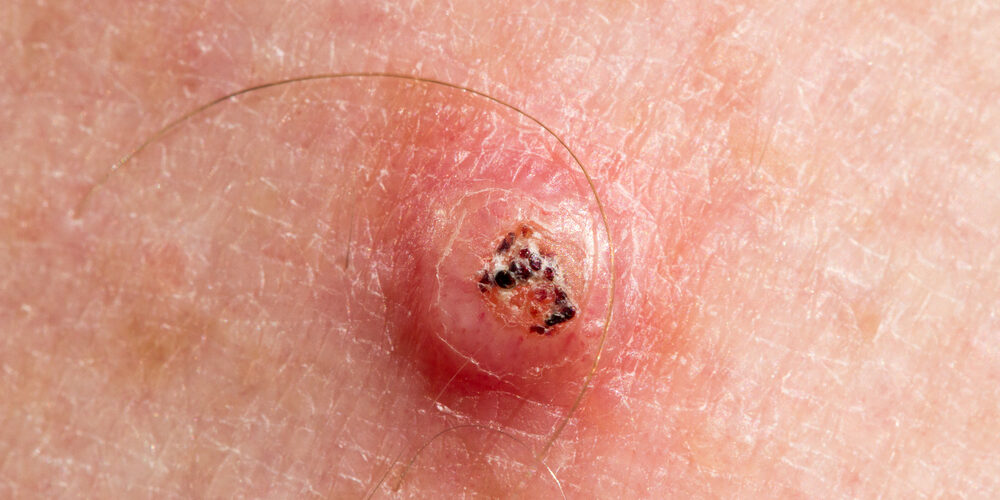
Keratoacanthomas are dome-shaped growths with a core of keratin. They can develop on skin that is frequently exposed to the sun.
Keratoacanthomas can grow rapidly and may be associated with squamous cell carcinoma.
Unexplained skin changes
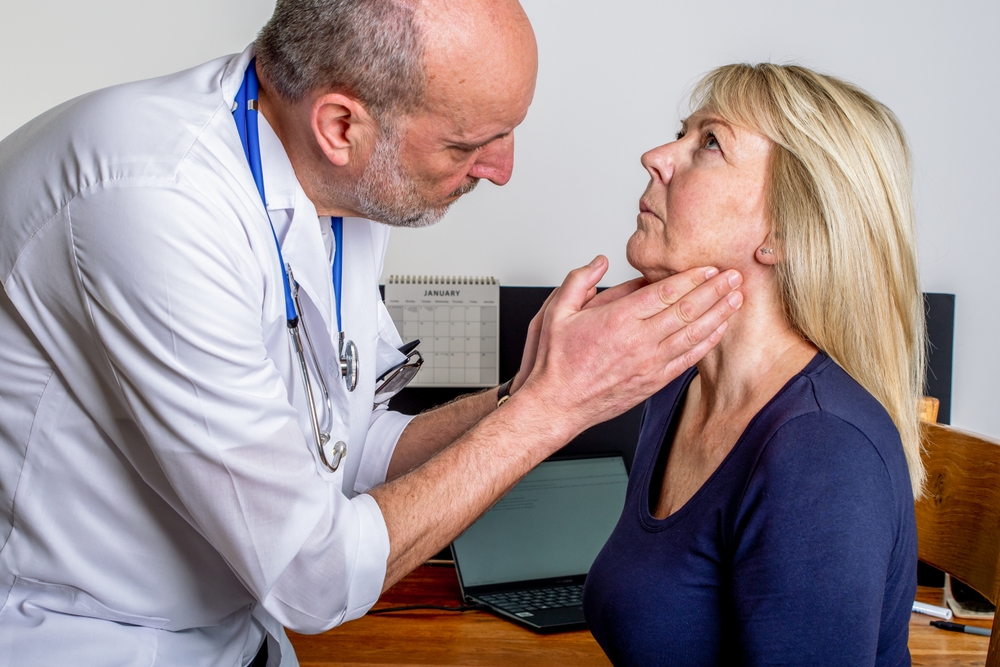
Lumps, crusted sores, or other skin changes that do not heal within a few weeks should be taken seriously.
Some harmless conditions can resemble skin cancer

Certain benign skin conditions can resemble cancerous changes, making a professional evaluation important.
Also read: Upgrade your barbecue with these five flavorful vegetables
Early detection improves treatment outcomes

The earlier these signs are identified and examined, the better the chances of achieving a successful treatment outcome.
This article is made and published by Ida-Marie Palm Varbæk, who may have used AI in the preparation.