
Bananas are a nutritious fruit rich in potassium, but they also affect blood sugar levels. How much they raise your blood sugar depends on factors such as ripeness, portion size, and what you eat them with, reports Verywell Health.
Bananas affect blood sugar
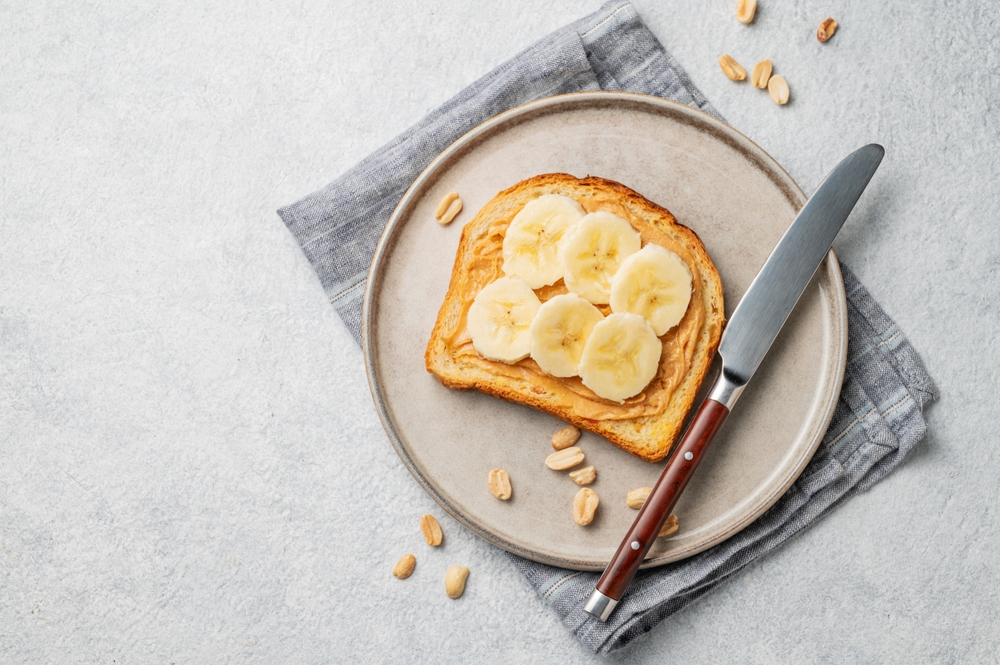
Bananas contain natural sugars that are absorbed into the bloodstream and increase blood sugar levels. The amount of the increase depends, among other things, on the banana's size and ripeness.
The glycemic index measures the effect

The glycemic index, or GI, shows how quickly a food raises blood sugar. Foods with a low GI lead to a slower rise than foods with a high GI.
A ripe banana has a low GI
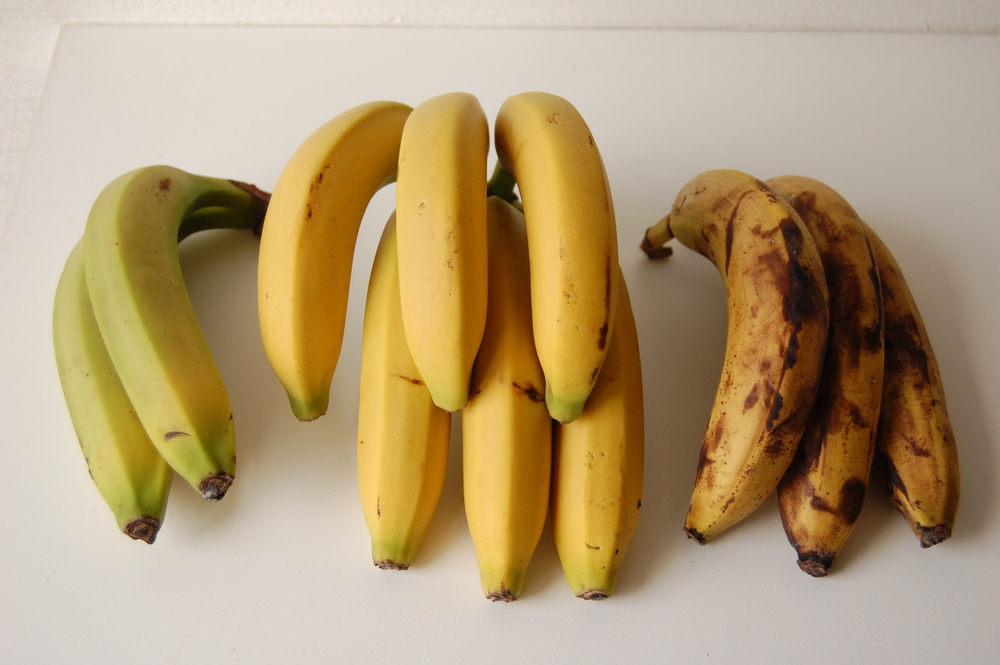
A medium sized ripe banana has a GI of about 51. This places it in the low GI category and means it typically does not cause a sharp rise in blood sugar.
Also read: Irregular menstruation may be a sign of an underlying disease
Portion size matters
Glycemic load takes both the GI and the serving size into account. A typical serving of banana falls into the medium glycemic load category.
Refrigeration slows ripening

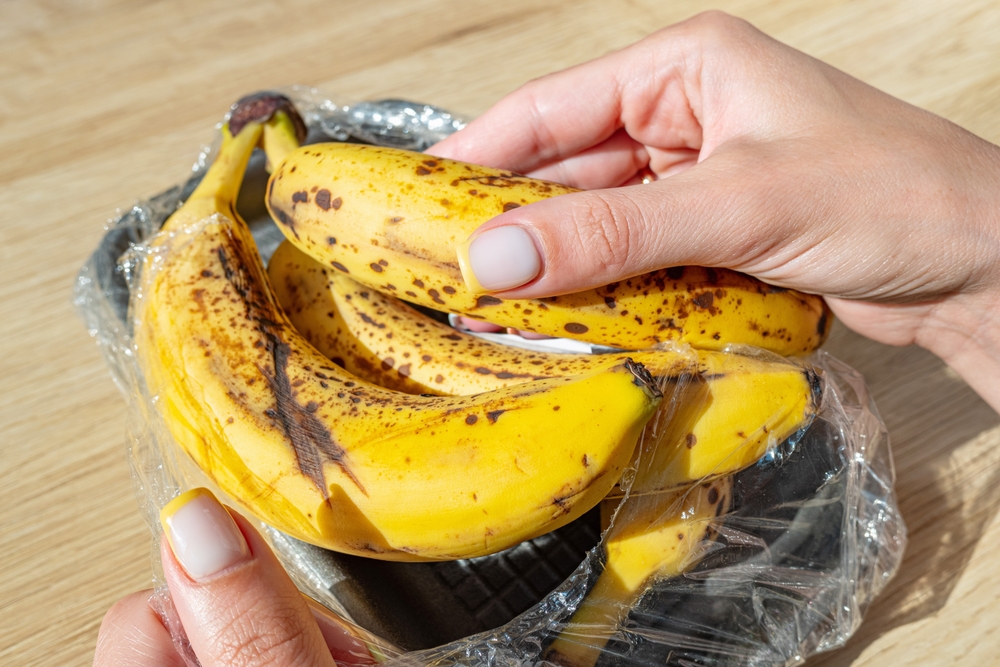
Keeping bananas in the refrigerator slows the ripening process. This helps preserve starch for longer and delays its conversion into sugar.
Green bananas cause a smaller rise
Green or slightly underripe bananas contain more resistant starch. This helps keep blood sugar levels steadier after eating.
Ripe bananas have a faster effect
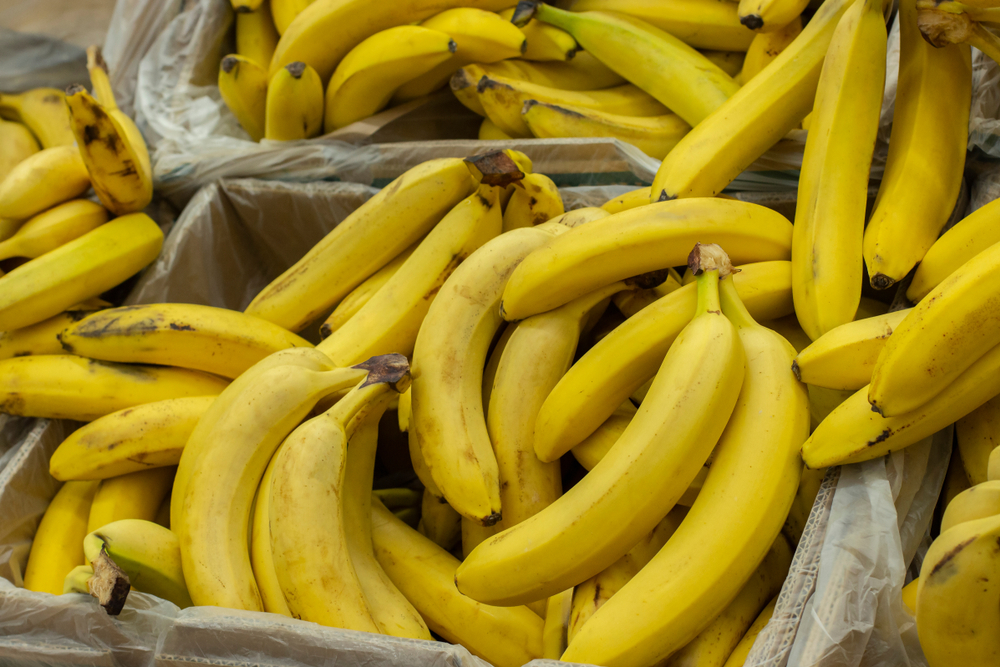
As bananas ripen, more of their starch is converted into sugar. As a result, their GI increases and blood sugar may rise more quickly.
Also read: Doctors found 38 parasites in her brain years after a holiday
Very ripe bananas have the highest GI
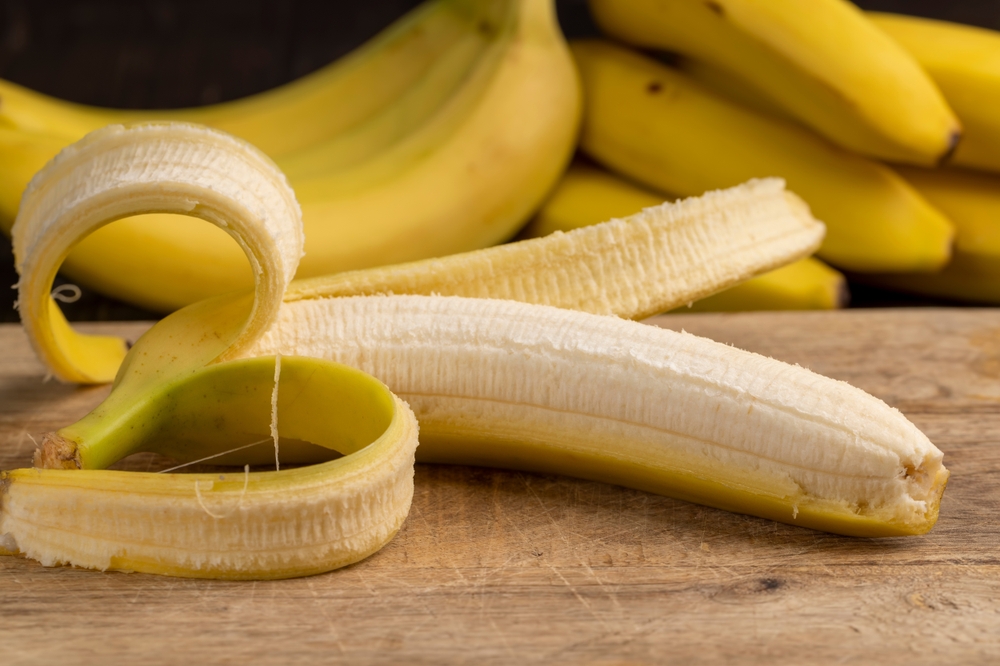
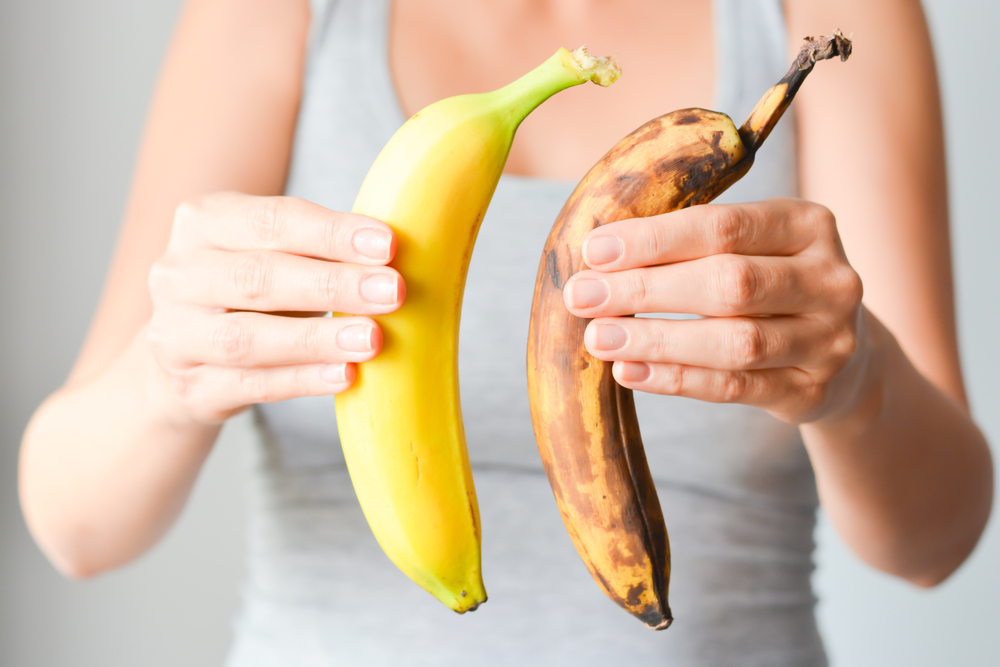
Bananas with brown spots or mostly black peels have a higher GI than less ripe bananas and are more likely to produce the greatest rise in blood sugar.
Choose less ripe bananas
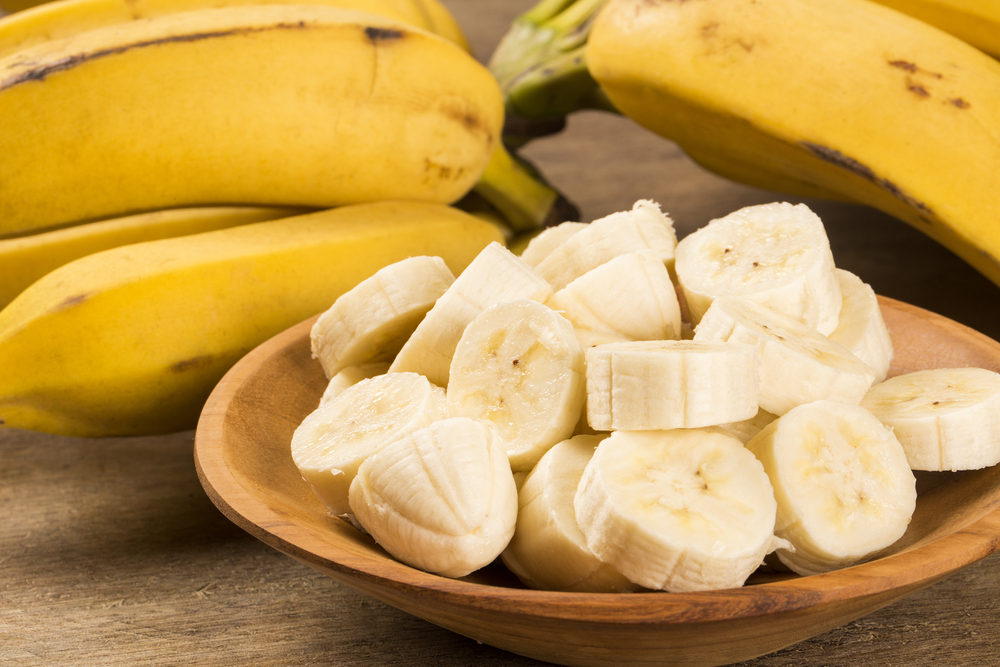
If you want to reduce blood sugar fluctuations, choosing green or less ripe bananas may be beneficial because they contain more resistant starch.
Pair bananas with protein or fiber
Eating a banana together with protein, fiber, or healthy unsaturated fats may help reduce the rise in blood sugar. Examples include nuts, yogurt, or overnight oats.
Watch your portion size
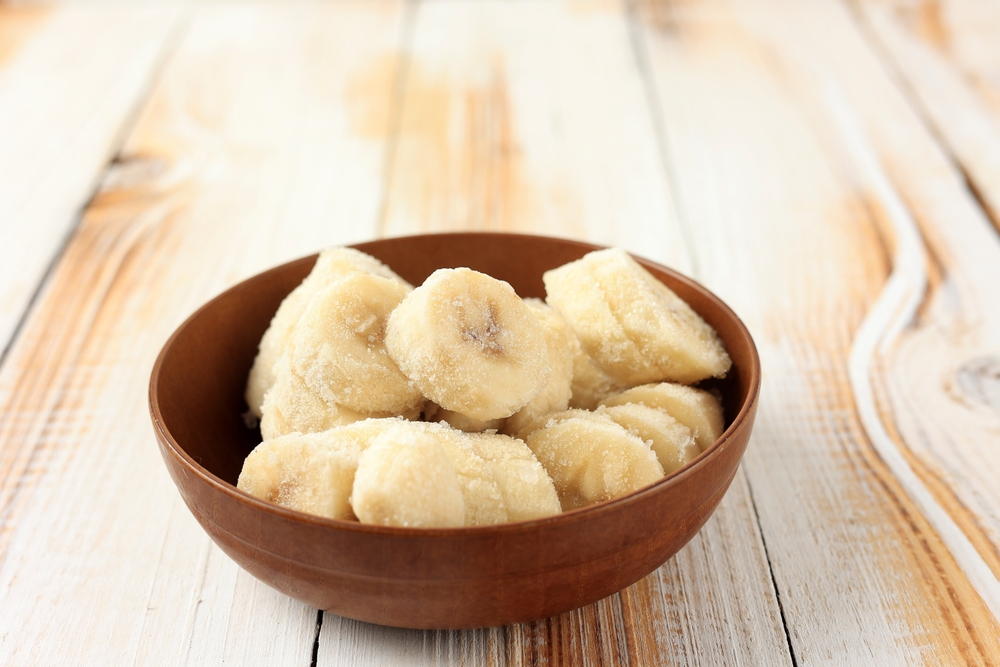
Even low GI fruits can raise blood sugar when eaten in large amounts. Choosing a smaller banana or splitting a larger one into two servings may help.
Also read: Why you should never scratch a mosquito bite, according to scientists
Bananas are a popular workout food
Bananas are often eaten before, during, or after exercise because their carbohydrates provide a quick source of energy. Their potassium also supports normal muscle function.
Speak with a healthcare provider if blood sugar spikes are frequent

If you regularly experience significant increases in blood sugar after eating bananas or other fruit, consult a healthcare provider. Monitoring your blood sugar can provide valuable insight into your body's response, and a registered dietitian can help create a meal plan tailored to your needs.
Also read: A simple tape measure test could reveal your heart disease risk
This article is made and published by Mie Hermansen, who may have used AI in the preparation.