
When serious symptoms appear, it can be tempting to wait and see if they pass. But during a heart attack, acting quickly can make a significant difference, especially if no one else is around to respond, reports Novant Health.
Pay attention to your body's warning signs
When you're alone, it's easier to dismiss discomfort or convince yourself that the symptoms will go away. That's why it's important to take any unusual signs seriously.
A heart attack requires immediate medical attention

A heart attack occurs when blood flow to part of the heart becomes blocked. The longer the heart is deprived of oxygen-rich blood, the greater the potential damage to the heart muscle.
Symptoms can vary from person to person

Not everyone experiences the same warning signs. Some people develop chest pain, while others notice pain in the jaw or shoulder, break out in a cold sweat, or experience discomfort that feels like heartburn without an obvious cause.
Also read: Doctors spot troubling pattern in asthma patients
Severe pain is not a requirement
Even relatively mild symptoms can be caused by a heart attack. The intensity of the pain does not necessarily reflect how serious the condition is.
Call emergency services before doing anything else

If your symptoms are unusual and you cannot explain them, contact emergency services immediately. The article advises against calling friends or family before seeking professional medical help.
Make it easier for first responders
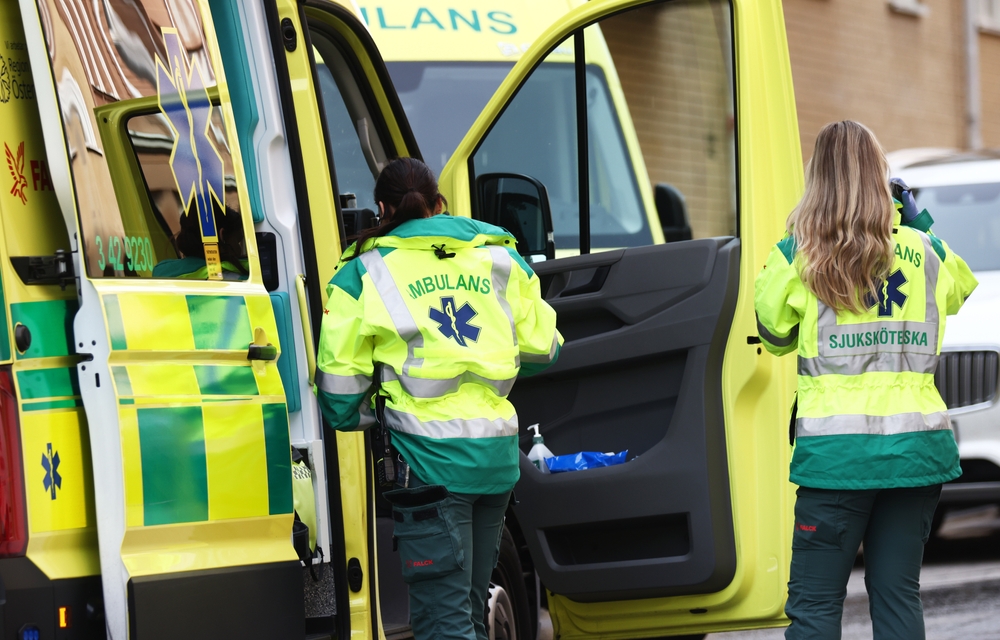
While waiting for emergency personnel, unlock your door if possible, secure any pets, and place a current list of your medical conditions and medications somewhere easy to find.
Don't wait for the symptoms to disappear
Going to bed or hoping the discomfort will fade will not resolve the underlying problem and may delay life-saving treatment.
Also read: The everyday stress symptoms experts want people to notice
The coughing myth doesn't work
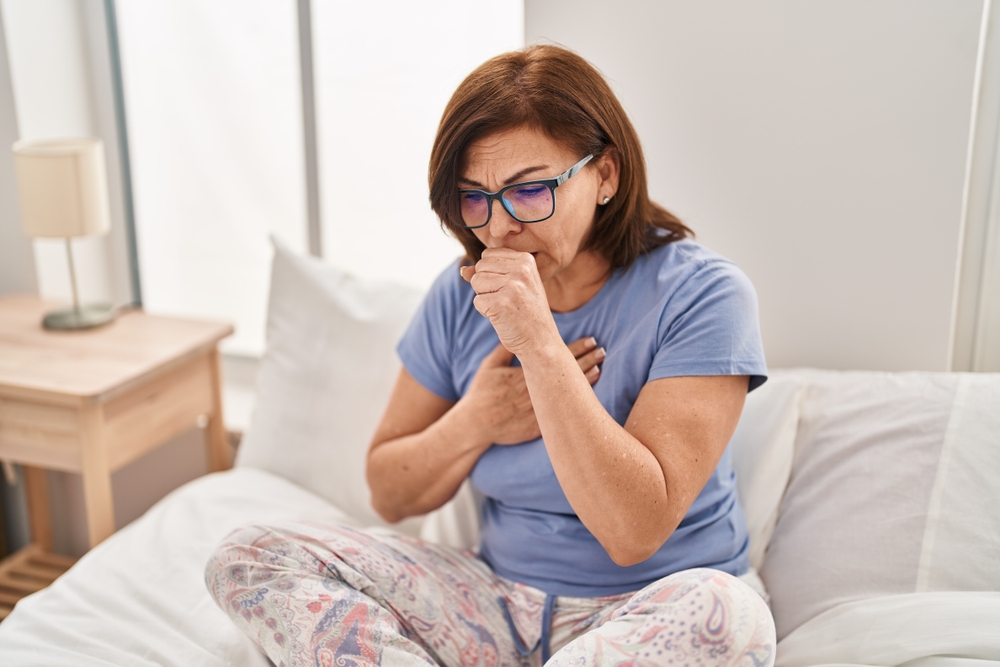
A common myth claims that coughing can help during a heart attack. According to the article, this only applies to very specific situations involving certain heart rhythm disorders in monitored hospital settings and is not an effective response at home.
Heart attack and cardiac arrest are not the same
A heart attack is caused by a blocked blood supply to the heart, while cardiac arrest occurs when the heart stops beating. One condition can lead to the other, but they are not the same.
Several factors increase the risk
Older age, a family history of heart disease, smoking, high blood pressure, diabetes, excess body weight, and autoimmune diseases such as lupus and rheumatoid arthritis are all listed as risk factors.
Being prepared can make a difference
People who live alone are encouraged to know their family's medical history, keep important phone numbers readily available, and store an up-to-date list of their medical conditions and medications in an accessible location.
Also read: Cancer doctor: Ice cream can be part of a long and healthy life
Medical information can help in an emergency
Using a medical ID bracelet or the medical ID feature on a smartphone can provide first responders with important health information when every second counts.
Follow your prescribed treatment plan

If a doctor has advised that it is safe, low-dose aspirin may be used when a heart attack is suspected. People who have been prescribed nitroglycerin should keep it nearby and use it exactly as directed.
Also read: New study: Vaping may affect your blood vessels
This article is made and published by Mie Hermansen, who may have used AI in the preparation.