
Some prescription medicines and herbal remedies can make the skin much more sensitive to sunlight.
According to Netdoktor, this can lead to skin reactions and, in some cases, eye damage if proper sun protection is not used during treatment.
What is photosensitivity?

Certain medicines and herbal products can increase the skin's sensitivity to sunlight.
This condition is known as photosensitivity or photosensitization and may require extra protection through clothing, hats, and sunscreen.
Also read: Why you get heat rash – and how to treat it
Both tablets and creams can be responsible
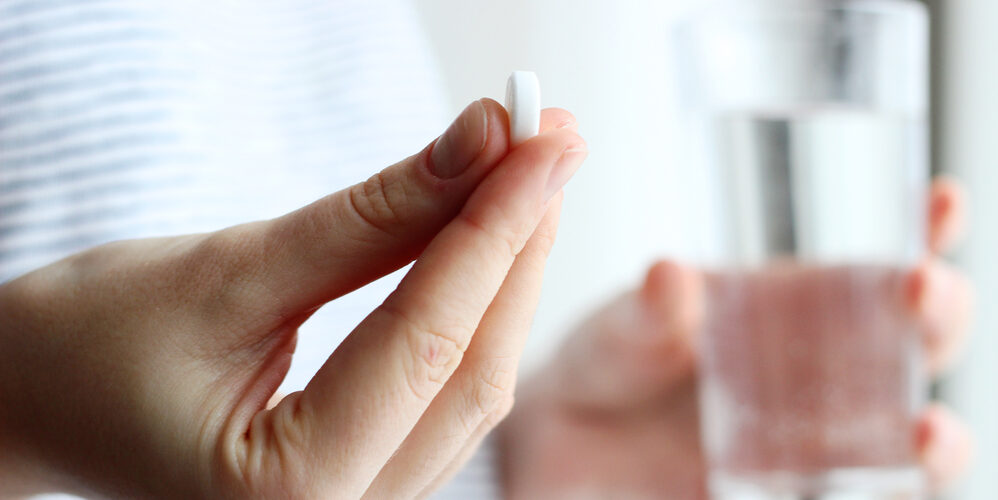
Photosensitivity can occur during treatment with oral medications that affect the entire body, as well as with certain creams or gels applied directly to the skin.
There are two types of reactions
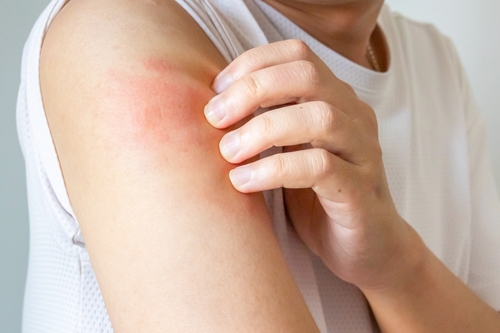
Doctors distinguish between phototoxic and photoallergic reactions.
Although both are caused by the interaction between medication and sunlight, they develop through different mechanisms.
Phototoxic reactions
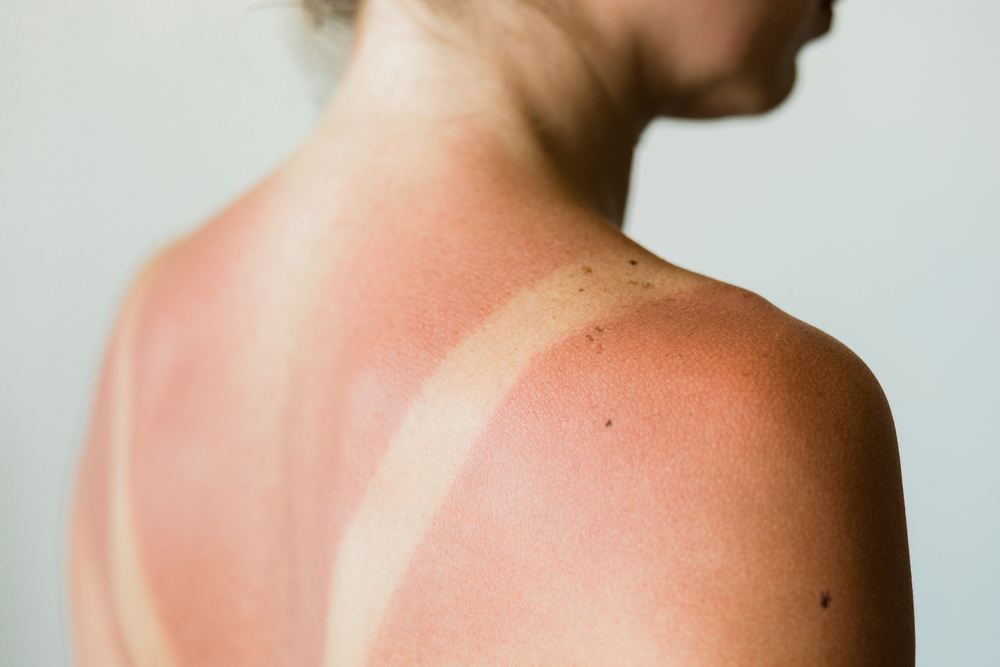
In a phototoxic reaction, sunlight activates the medication.
Also read: FDA greenlights nicotine pouches despite health concerns
This can result in blisters, eczema, or severe sunburn on areas of the skin exposed to the sun.
Photoallergic reactions
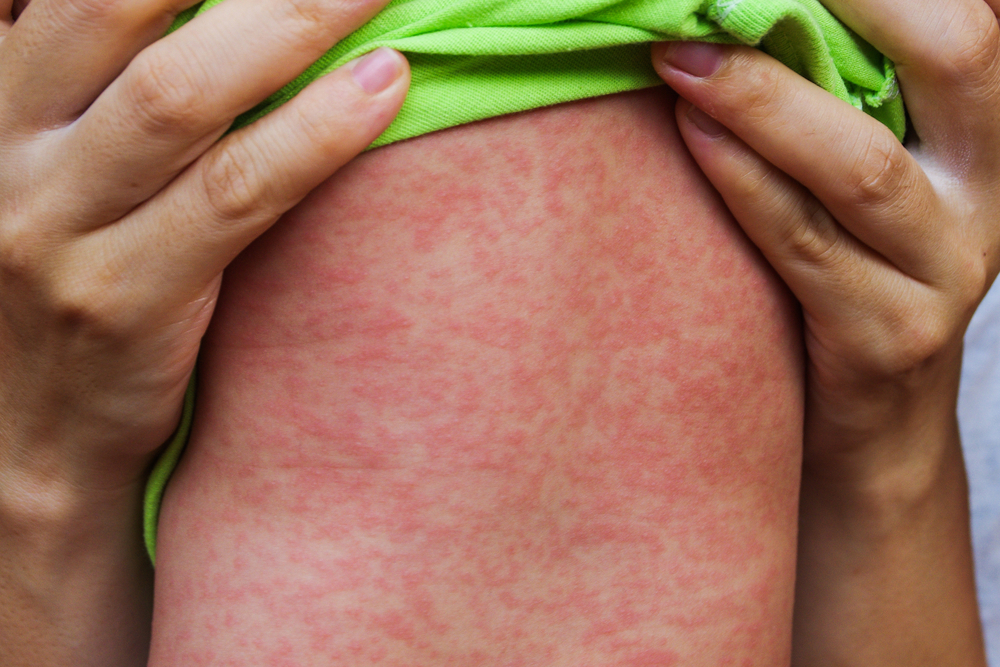
A photoallergic reaction occurs when a medication changes its structure after exposure to sunlight.
The immune system then recognizes the altered substance as a foreign invader, and the resulting rash may spread across large areas of the body.
Skin and eyes can be affected

Photosensitivity may cause skin rashes, sunburn, small fluid-filled blisters, and changes in skin pigmentation.
Also read: Former Trump adviser rejects dementia claims – but shares new assessment
Some medications can also increase the risk of eye damage following exposure to sunlight.
UV-A rays play a key role

Long-wave UV-A radiation is particularly responsible for triggering these reactions.
These rays are present in natural sunlight as well as tanning beds, and they can pass through window glass.
Many types of medication can cause sun-related side effects
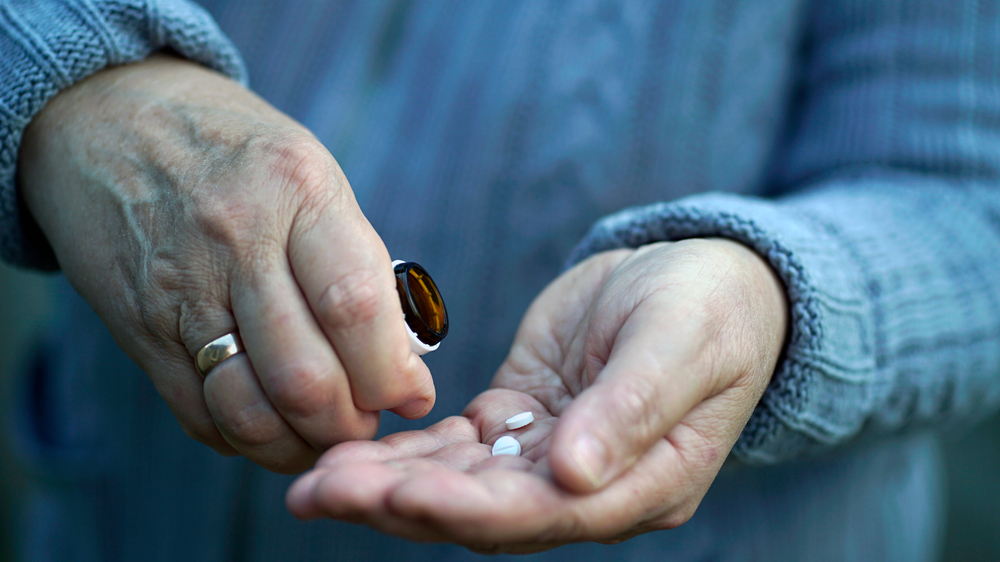
Medications associated with photosensitivity include treatments for malaria, antibiotics, acne medications, drugs for high blood pressure, medicines used to treat heart rhythm disorders, psychiatric medications, and certain pain-relieving and anti-inflammatory drugs.
Also read: How green tea can affect your liver if you drink it every day
Herbal remedies containing St. John's wort

St. John's wort may cause photosensitivity when taken in higher doses or over extended periods.
This can appear as itching and redness, particularly in people with fair skin.
Skin type and dosage matter
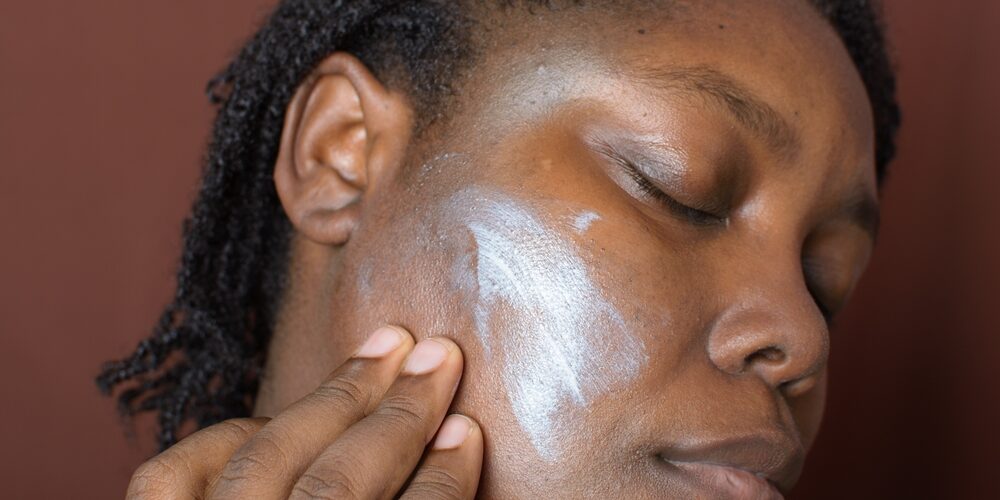
The risk depends on several factors, including skin type, the amount of medication taken, and the length of time spent in the sun.
Darker and hairier skin is generally less affected than fair, hairless skin.
Also read: Could inflammation be causing depression? New study suggests connection
Even a short time in the sun may be enough
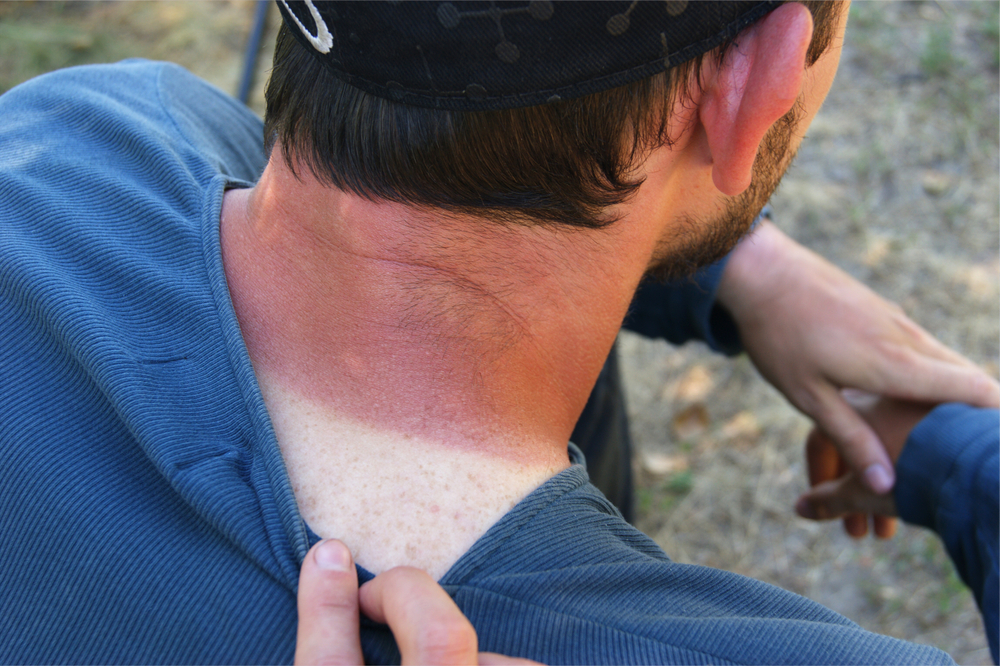
The skin can begin to react after as little as 30 minutes to one hour of sun exposure while taking photosensitizing medication.
The reactions can be serious

Damage may appear within a few hours or up to several days after sun exposure.
While symptoms may disappear quickly, they can also become chronic, and severe skin reactions may increase the risk of skin cancer.
Sun protection can reduce the risk

Using a sunscreen that protects against both UV-A and UV-B rays, along with a hat, sunglasses, and protective clothing, can help reduce the harmful effects of sunlight.
Because of this, it is only rarely necessary to discontinue treatment.
Photosensitivity is also used as a treatment
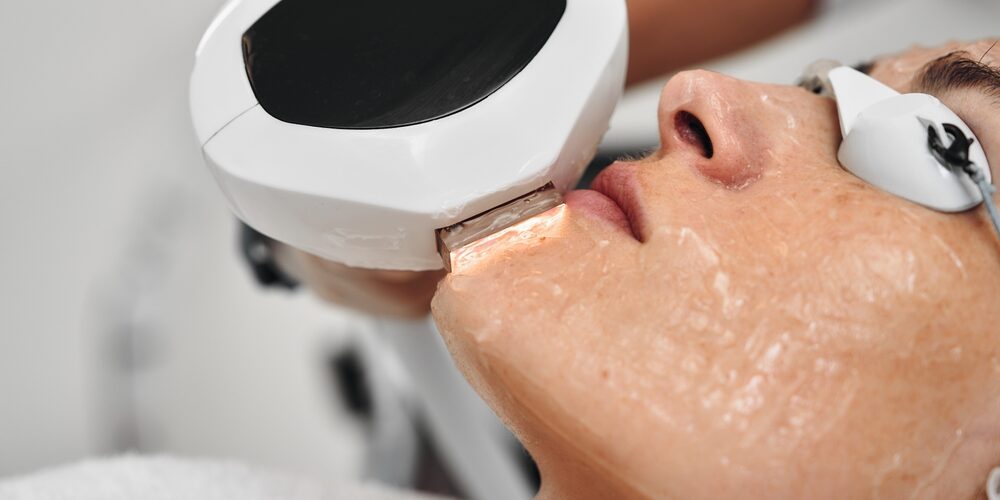
In PUVA therapy for psoriasis, the light-sensitizing effect of the drug psoralen is used as part of the treatment.
During therapy, patients must wear protective eyewear to prevent eye damage.
The issue is not limited to medication
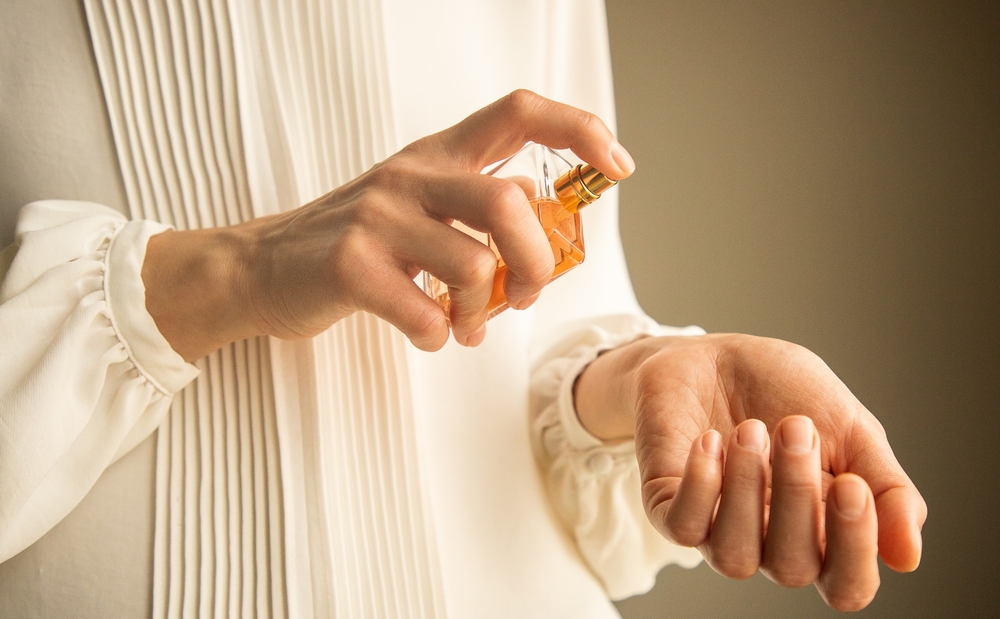
Photosensitivity can also be triggered by certain perfumes, some preservatives used in creams, and specific dyes.
For that reason, taking appropriate precautions and protecting the skin from sunlight is important.
This article is made and published by Ida-Marie Palm Varbæk, who may have used AI in the preparation.