
A daily cup of green tea may offer more than a comforting routine. Research suggests it can support liver health in several ways, although it should be seen as part of a healthy lifestyle rather than a cure for liver problems, reports Health.
Green tea contains compounds that may protect the liver
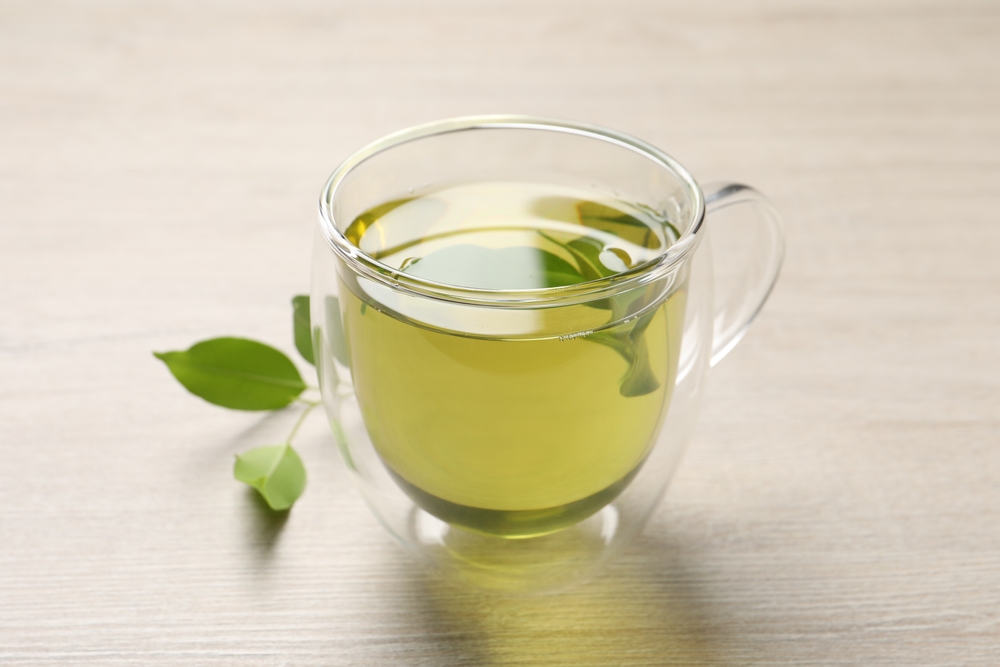
Green tea is rich in antioxidants, particularly catechins such as EGCG. These compounds help neutralize free radicals that can damage cells, potentially protecting the liver from oxidative stress.
Oxidative stress can affect liver health
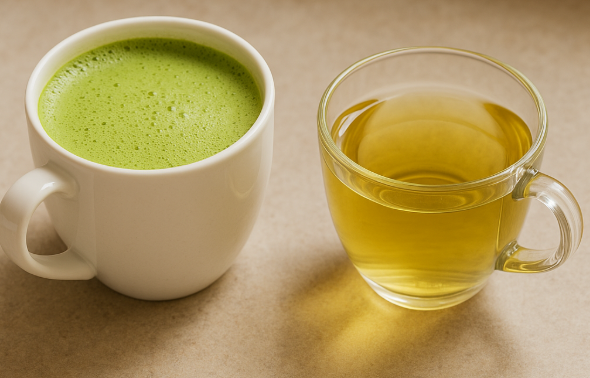
Researchers believe oxidative stress contributes to the development of several liver conditions, including metabolic dysfunction associated steatotic liver disease (MASLD), previously known as nonalcoholic fatty liver disease. Reducing oxidative stress may help support normal liver function.
It may help the liver process fat more efficiently
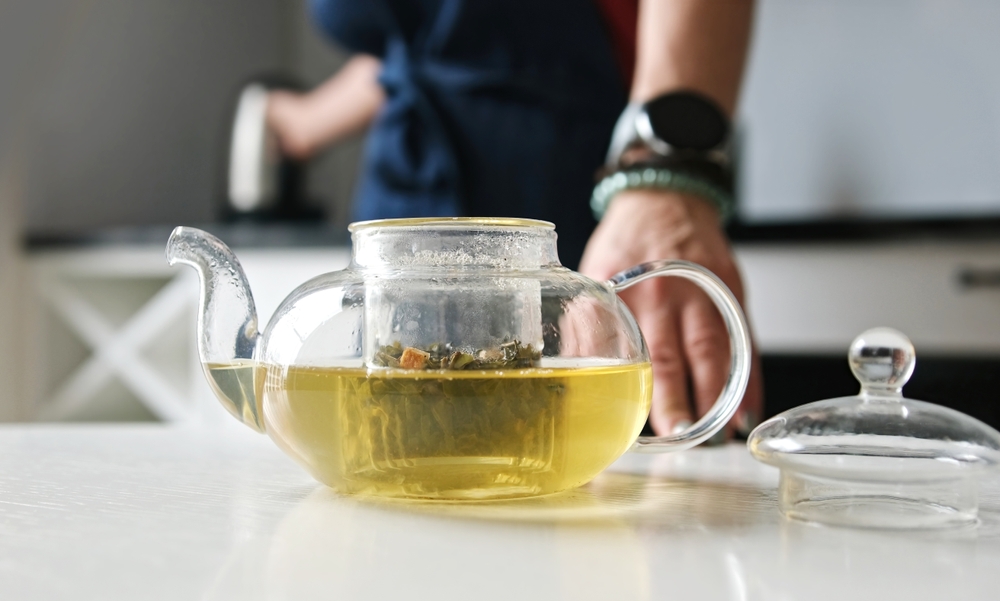
The liver plays a key role in producing, storing, and transporting fat throughout the body. According to research, green tea may improve fat metabolism, making it easier for the liver to handle fat effectively.
Also read: Could inflammation be causing depression? New study suggests connection
It could reduce fat accumulation in the liver
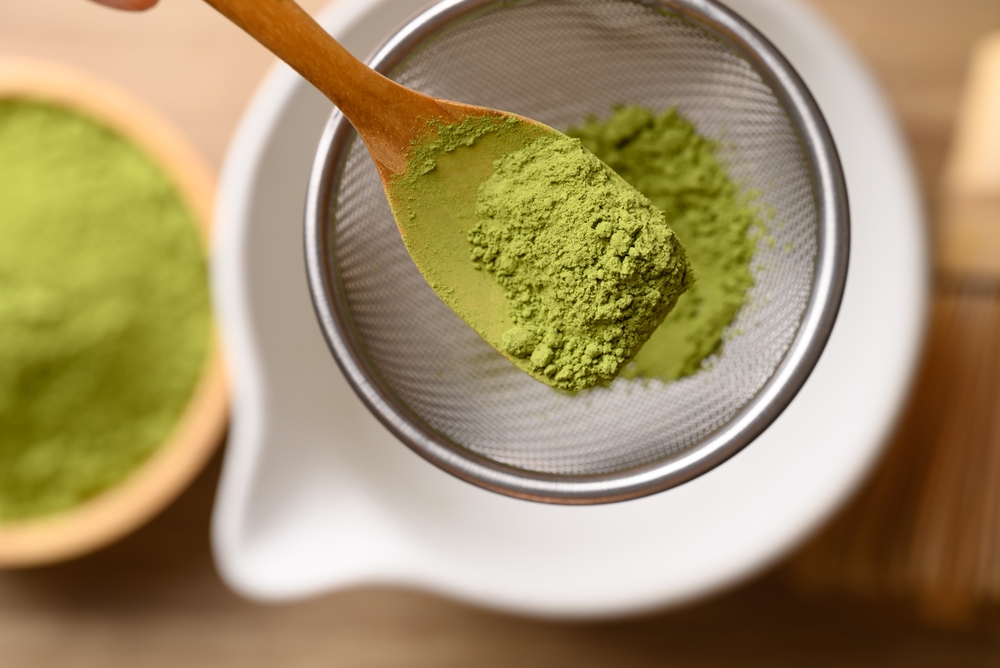
Catechins, especially EGCG, may help the body break down dietary fat more efficiently. This could reduce the amount of fat stored in the liver, although more human studies are needed to confirm the effect.
Liver enzyme levels may improve

ALT and AST are commonly used to assess liver health. Some studies suggest that people with metabolic conditions or fatty liver disease who regularly drink green tea may experience lower levels of these enzymes.
The benefits appear greatest for people with fatty liver disease

A 2020 research review found that green tea helped reduce liver enzyme levels in people with nonalcoholic fatty liver disease. However, the benefits were limited in people without existing health conditions.
It may help reduce inflammation

Green tea contains polyphenols that may help lower chronic inflammation in the body, including in the liver. Reducing inflammation may help protect liver cells and support healthy liver function over time.
Also read: Which sweetener is best for your coffee? Dietitians share their answer
It is not a stand alone solution
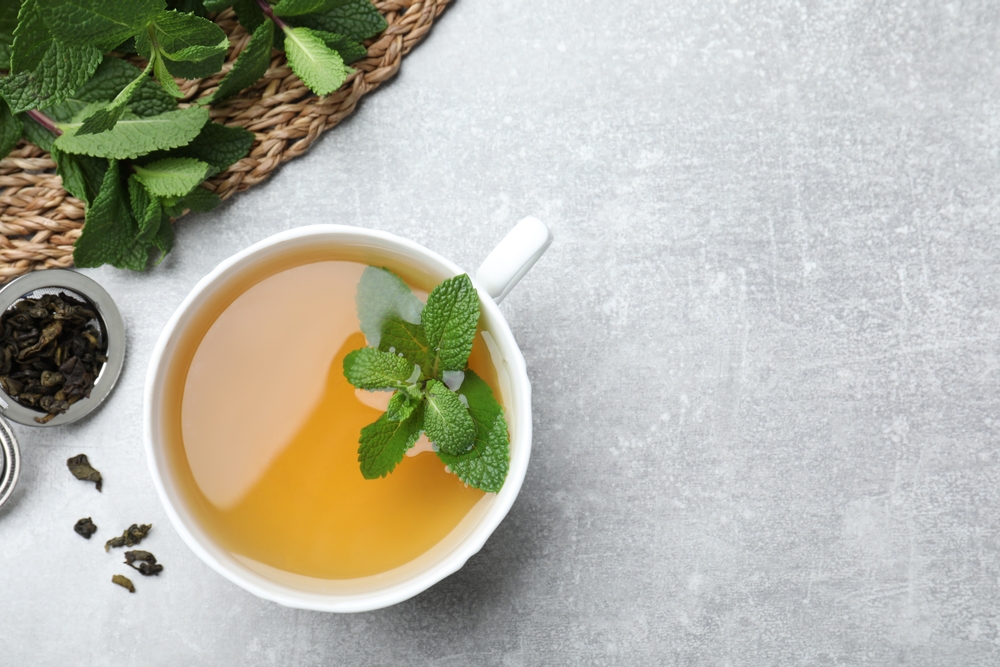
Although green tea may offer several benefits, it should not be considered a treatment for liver disease. Its greatest value comes when it is combined with other healthy lifestyle habits.
Too much green tea can cause caffeine related side effects

Green tea naturally contains caffeine. Drinking excessive amounts may lead to jitteriness, headaches, a rapid heartbeat, or difficulty sleeping.
It may reduce iron absorption

The polyphenols in green tea can decrease the body's absorption of non heme iron from plant based foods. This is more likely if green tea is consumed with meals or in large quantities.
It can interact with certain medications

Green tea may affect the way some medications work, including blood pressure medicines, blood thinners, antibiotics, and certain chemotherapy drugs.
Also read: Simple sunscreen tips for better UV protection
Green tea supplements may carry liver risks
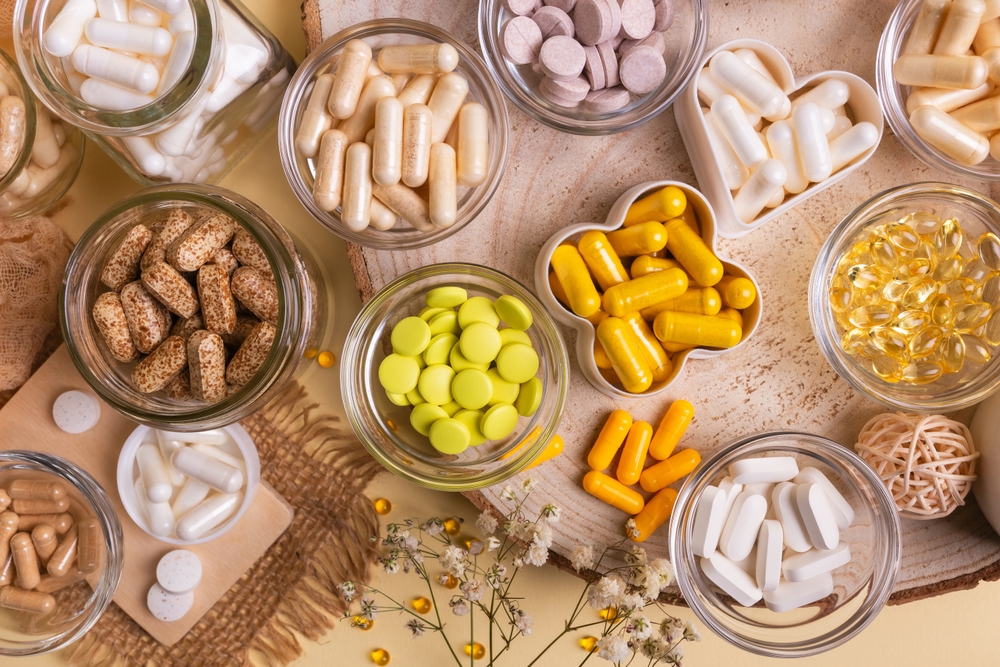
While brewed green tea is generally considered safe, concentrated green tea supplements have been linked to rare cases of liver stress and liver toxicity.
Healthy habits remain the best support for your liver
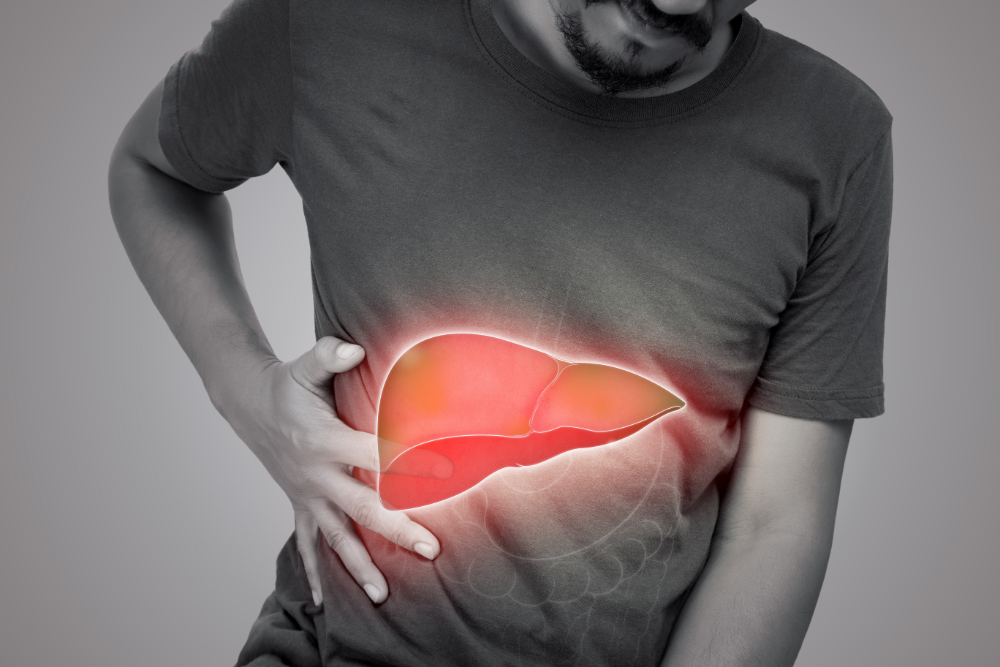
Alongside drinking green tea, maintaining a balanced diet, limiting added sugar, staying physically active, keeping a healthy weight, and limiting alcohol intake remain some of the most effective ways to support liver health.
Also read: New research links walking speed to lower risk of cognitive decline
This article is made and published by Mie Hermansen, who may have used AI in the preparation.