
Using the right amount of sunscreen, and applying it correctly, makes a significant difference in how well your skin is protected from the sun’s harmful UV rays.
Here are the most important facts about effective sun protection, according to the Arizona Skin Cancer Foundation.
Sunscreen should be reapplied
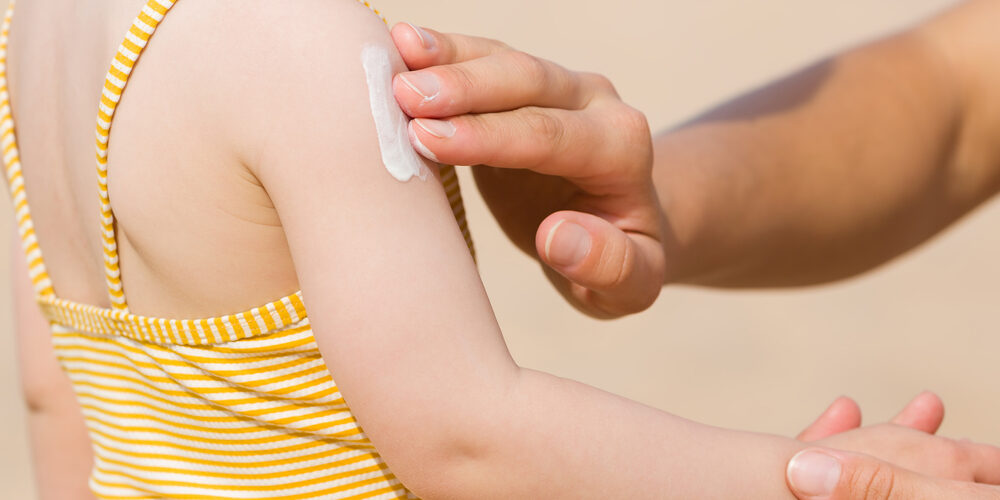
Applying sunscreen once is not enough. It should be reapplied every two hours to maintain effective protection throughout the day.
Reapply after swimming or sweating
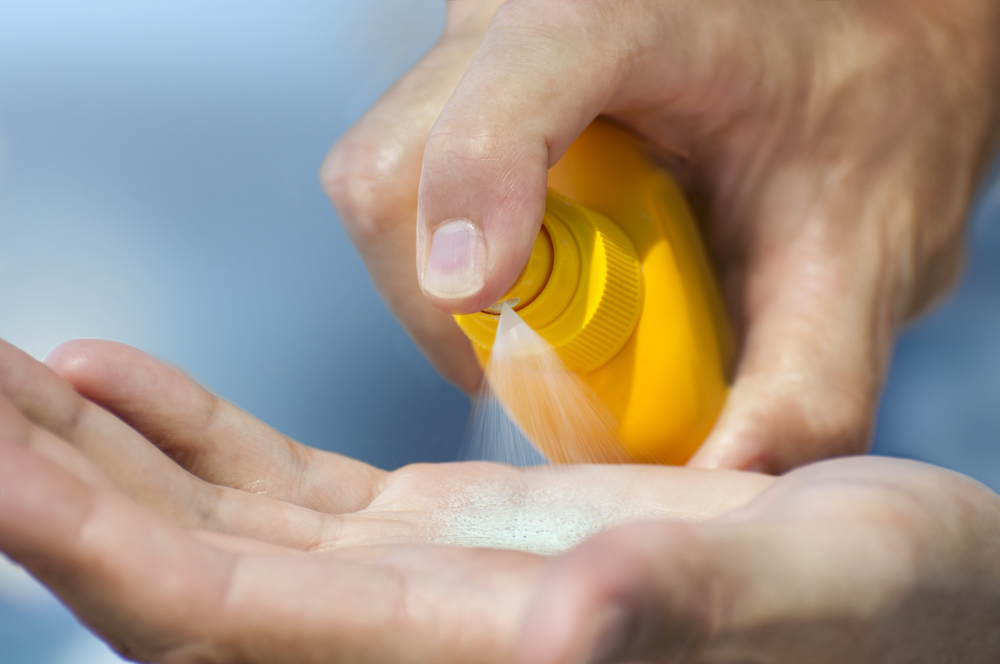
If you have been swimming, sweating heavily, or drying off with a towel, you should reapply sunscreen immediately, even if the product is water-resistant.
Also read: New research links walking speed to lower risk of cognitive decline
SPF measures protection against UVB rays
SPF indicates how well a sunscreen protects against UVB rays, which are the primary cause of sunburn and also contribute to the development of skin cancer.
No sunscreen blocks all UV radiation
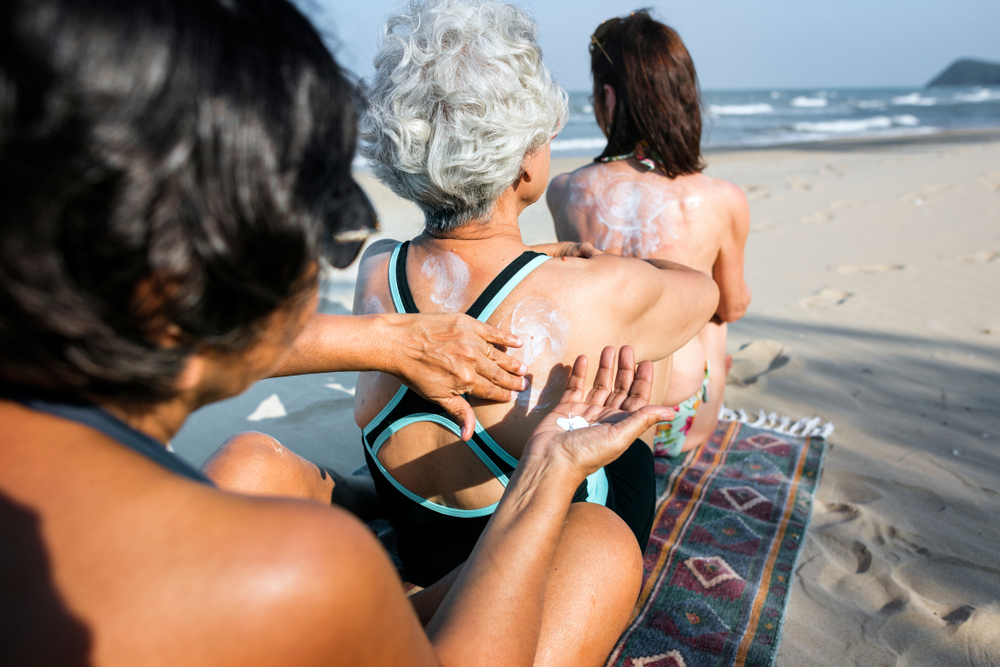
Even sunscreens with a very high SPF cannot block 100 percent of the sun’s UV rays. Additional forms of sun protection are still important.
Choose a broad-spectrum sunscreen
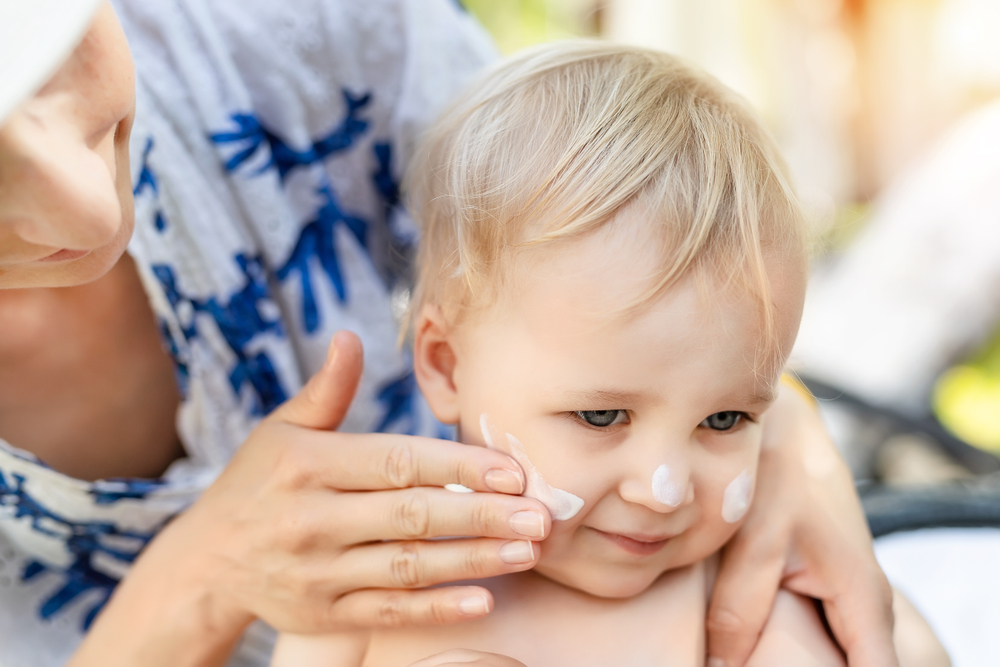
A sunscreen labeled as broad-spectrum protects against both UVA and UVB rays, offering more complete protection from sun damage.
UVA rays penetrate deep into the skin

UVA rays reach the deeper layers of the skin, where they can contribute to premature aging and increase the risk of skin cancer.
Also read: Parkour gains popularity among older adults - here's why
Shorter UVA wavelengths may also contribute to sunburn.
UVB rays affect the skin’s surface

UVB rays primarily damage the outer layer of the skin, causing sunburn and contributing to the development of skin cancer.
Protect yourself in multiple ways

In addition to sunscreen, experts recommend seeking shade and wearing protective clothing, a wide-brimmed hat, and sunglasses to reduce UV exposure.
Adjust your protection to your activities

The type and level of sun protection you need should depend on your activities and your individual risk of developing skin cancer.
Also read: Artificial sweeteners linked to metabolic changes in new research review
The recommended amount
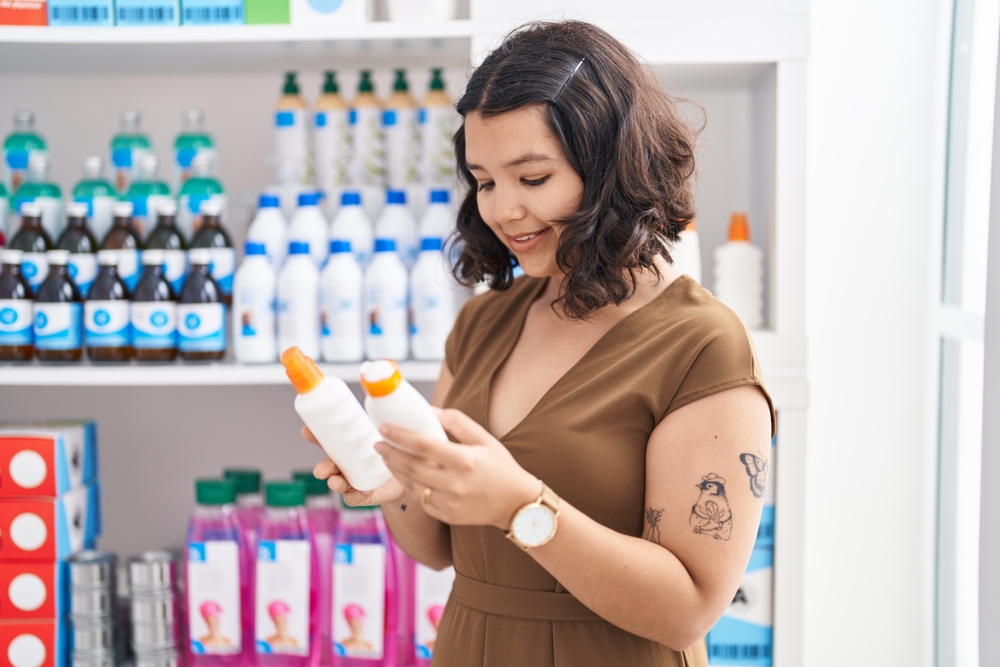
U.S. health authorities recommend applying approximately 2 milligrams of sunscreen per square centimeter of skin to achieve the level of protection indicated by the product’s SPF.
A simple rule of thumb for the whole body

For the average adult, this equals about 30 milliliters of sunscreen, roughly the amount that fits in a standard shot glass.
Your face and neck each need their own application

About one-quarter of a teaspoon of sunscreen is recommended for the face.
The neck should receive the same amount to ensure adequate protection.
Also read: New research: High salt intake may affect memory
Most people do not apply enough
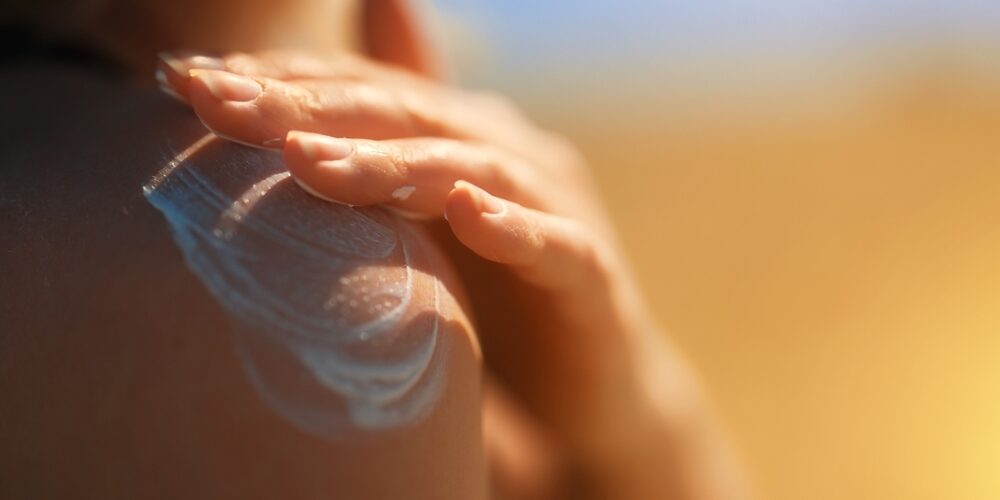
According to the Arizona Skin Cancer Foundation, research shows that most people apply only 25 to 50 percent of the recommended amount of sunscreen.
As a result, they receive significantly less protection than they expect.
Also read: How eating green bananas affects your body
This article is made and published by Ida-Marie Palm Varbæk, who may have used AI in the preparation.