
Rice has long been criticized by some as nothing more than empty carbohydrates, but one American dietitian decided to eat rice every day for a week to see how it would affect her.
Here are her findings, according to Prevention.
Rice was part of everyday meals
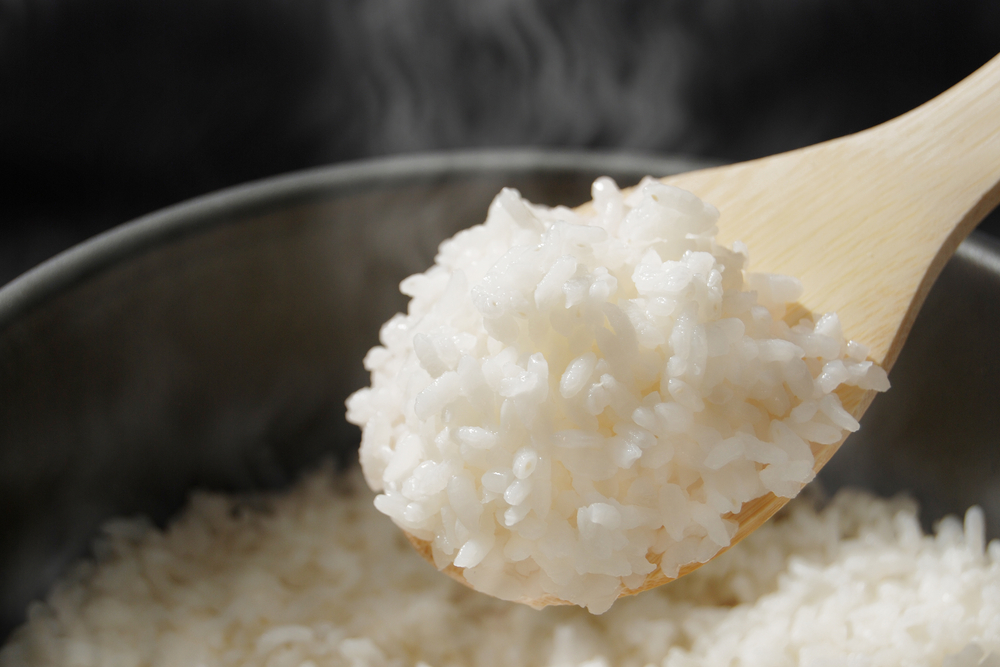
The dietitian ate rice every day for a week, choosing both white and brown rice.
On busy days, she also relied on pre-cooked rice that could be prepared in just a few minutes.
Also read: Dietitians compare strawberries and bananas: Which is the healthier choice?
Meals were varied
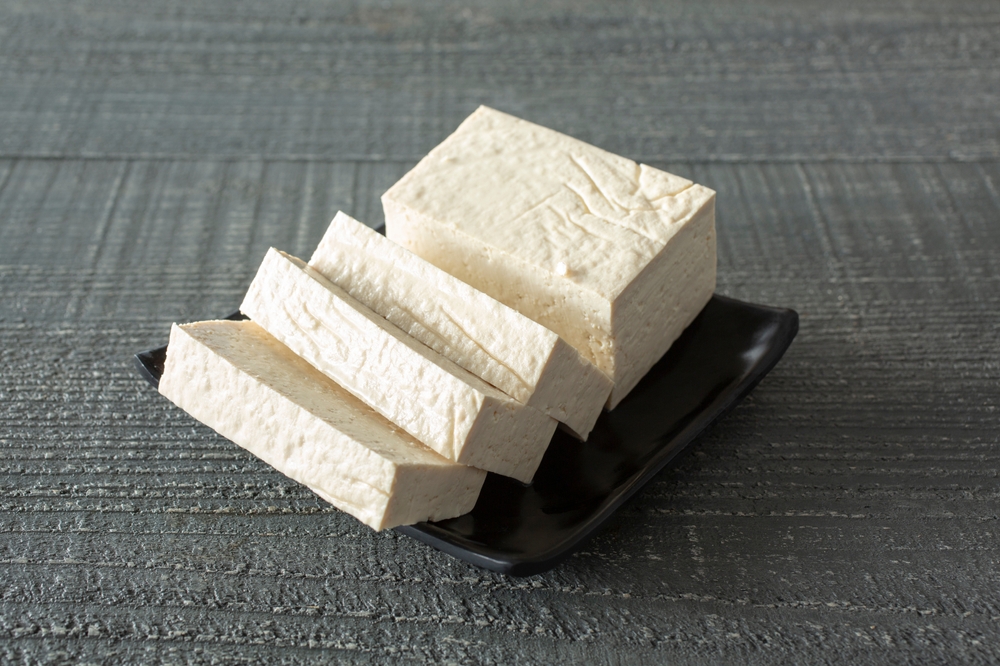
Rice was served alongside foods such as salmon, roasted vegetables, tofu, and leafy greens.
The goal was to include rice as part of balanced, everyday meals rather than making it the main focus.
She felt full

She found that the meals were satisfying, especially when the rice was paired with protein, healthy fats, and vegetables.
Her energy stayed steady

According to the dietitian, the balanced meals helped maintain stable energy levels, and she did not experience the afternoon slump she sometimes noticed after lunch.
Also read: Up to one in three cases of heart disease may be linked to ultra-processed foods
Dinner became easier

She also found that weeknight cooking became simpler because rice served as a reliable base for many meals.
Rice was not eaten on its own
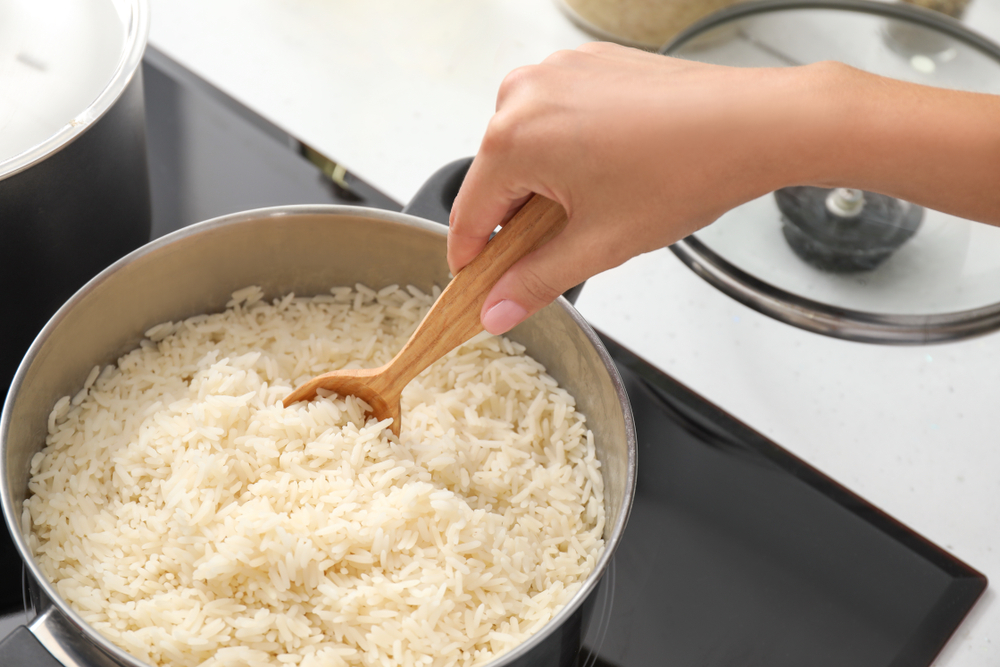
The dietitian emphasized that she did not eat bowls of plain rice.
Instead, rice was used as the foundation for meals containing other nutrient-rich ingredients. She noted that the outcome might have been different if she had eaten only rice.
White and brown rice are different
Brown rice contains more dietary fiber and a greater number of bioactive compounds than white rice because the bran and germ are retained during processing, according to a study published in the Journal of Nutritional Science and Vitaminology.
Also read: Daily nuts linked to healthier aging, study of 18,684 seniors finds
Enriched white rice contains important nutrients
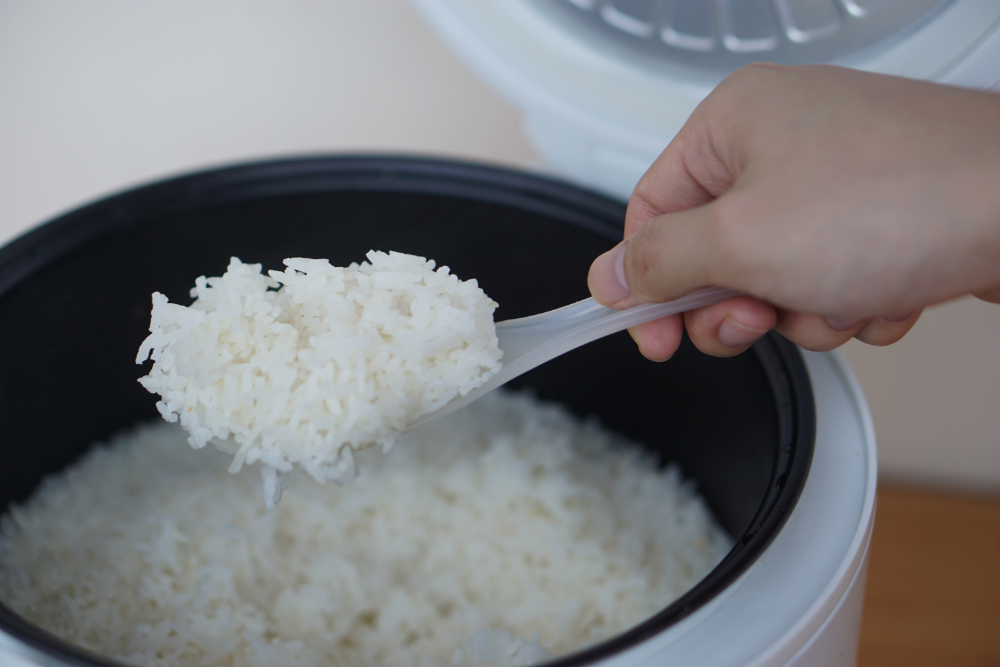
With enriched white rice, selected nutrients are added back after processing, making it important to check the product label.
Meal composition matters
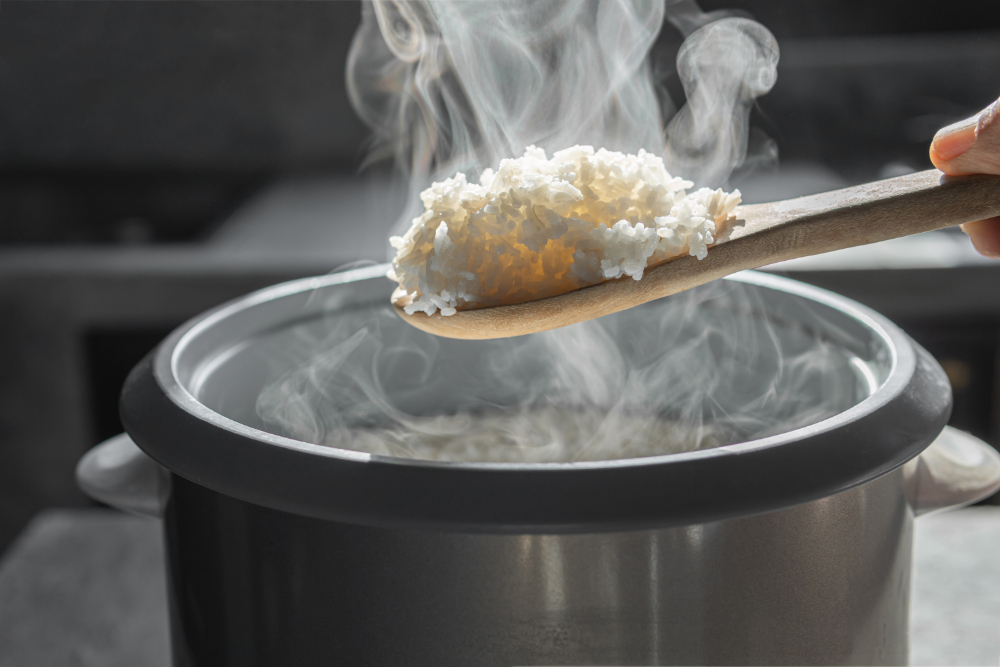
Prevention highlights that portion size and the other ingredients in a meal play a significant role in its overall nutritional value.
Rice is an important source of energy

Rice provides carbohydrates, the body's preferred source of energy.
When combined with protein, vegetables, and healthy fats, rice can contribute to longer-lasting fullness and more stable energy levels.
Also read: Here's what happens to your body if you do burpees every day
Brown rice may support heart health
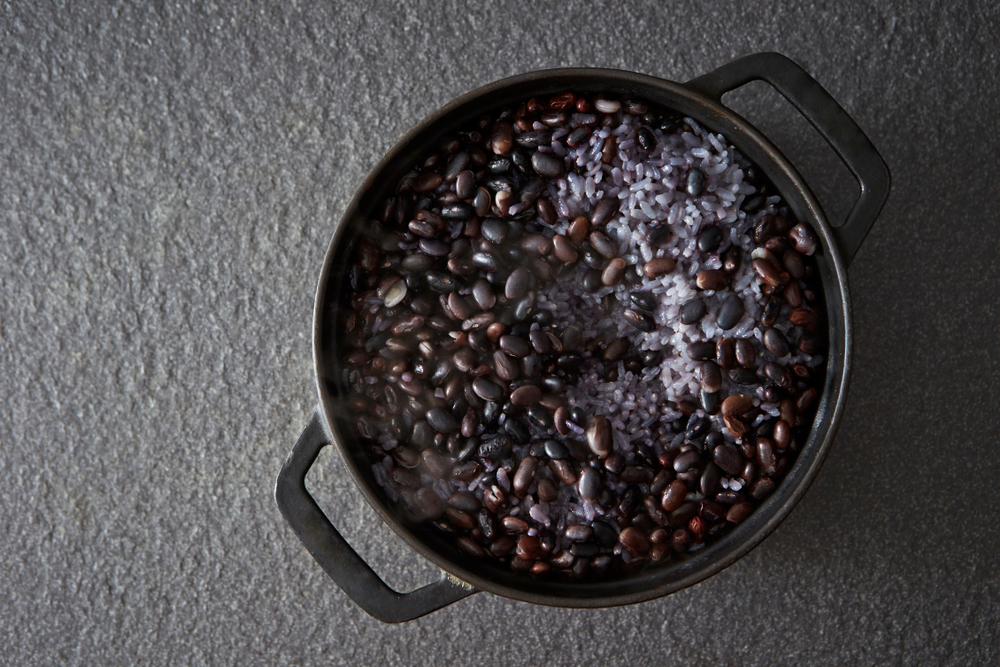
According to research published in BMC Medicine, a higher intake of whole grains was associated with a lower risk of coronary heart disease.
People who ate brown rice at least twice a week had a lower risk than those who rarely consumed it.
Rice can provide essential nutrients
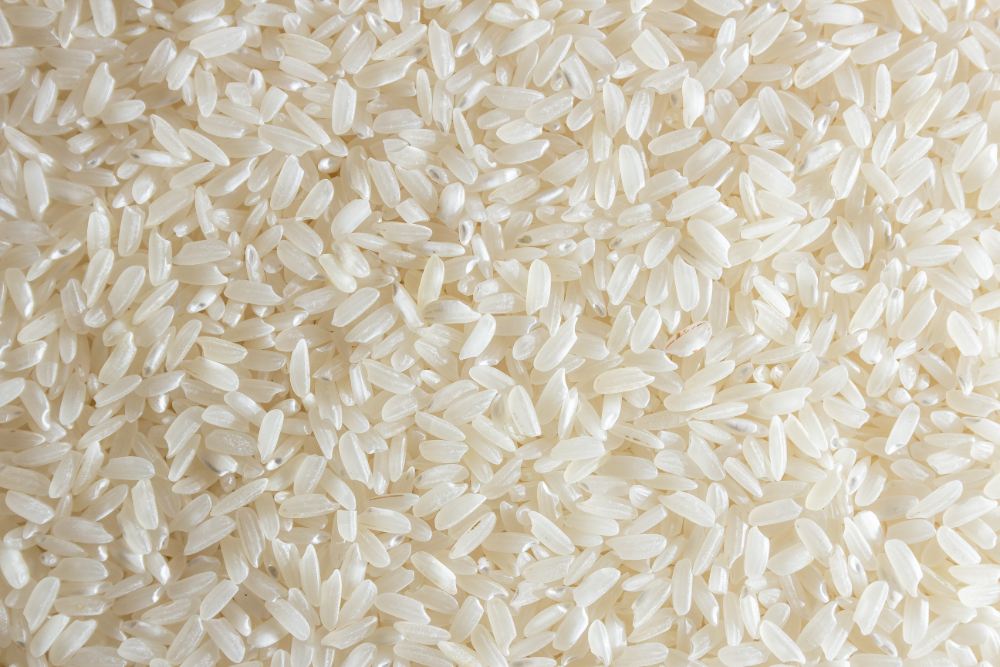
Enriched white rice may contain nutrients such as iron and B vitamins, including thiamin, niacin, folic acid, and in some cases riboflavin.
Prevention also notes that enriched rice may help improve iron levels in populations where rice is a dietary staple.
Also read: You don't need to work out every day to live longer – two hours may be enough
Some people should be more cautious
People with type 2 diabetes or an increased risk of developing the condition should pay close attention to both the type and amount of rice they consume, according to a study published in BMJ Open.
Prevention also points out that people with certain kidney diseases or other medical conditions may require individualized guidance regarding their rice intake.
This article is made and published by Ida-Marie Palm Varbæk, who may have used AI in the preparation.