
Nerve damage often develops gradually and can cause symptoms that many people overlook in everyday life.
Here are some of the warning signs that experts say should be evaluated by a doctor, according to Prevention.
Nerve damage often develops gradually

According to neurologists, nerve damage usually develops over time.
It can cause the body to send incorrect signals, leading to pain without an obvious cause or making it difficult to detect sensations that should normally be felt.
Also read: The simple trick behind tastier scrambled eggs
Diabetes

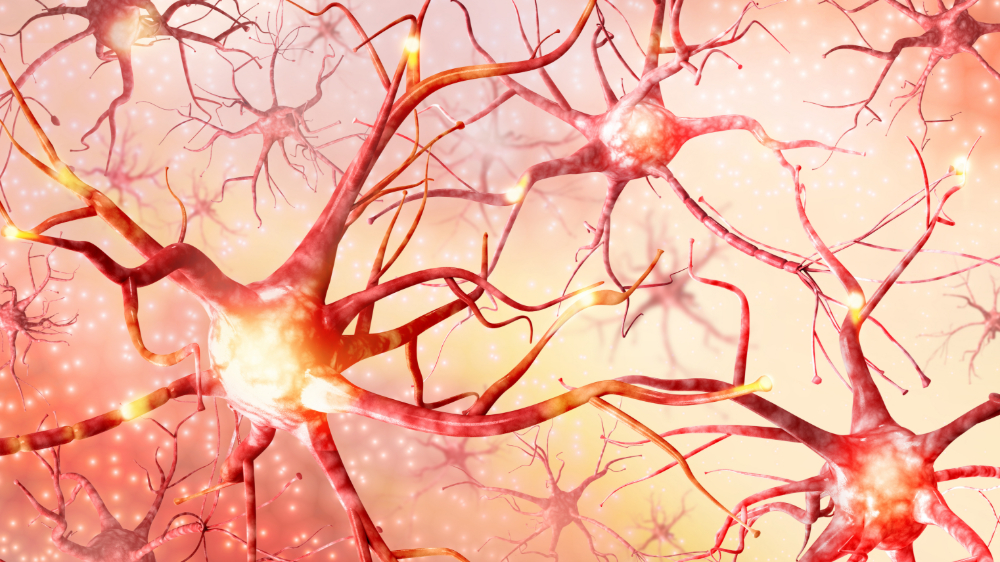
Nerve damage, also known as neuropathy, affects the peripheral nerves located outside the brain and spinal cord.
Diabetes is one of the most common causes, but the condition can also result from injuries, infections, vitamin deficiencies, autoimmune diseases, and certain medications.
Numbness and tingling

Tingling, pins-and-needles sensations, burning feelings, or numbness in the hands and feet can be an early sign of nerve damage.
Over time, these symptoms may spread to the arms and legs.
Also read: Ice-cold drinks may not help you cool down during a heatwave – try this instead
Temporary tingling is not always serious

It is common to experience tingling if a nerve has been compressed during sleep.
However, if the sensation does not go away, it may indicate nerve damage.
More frequent minor injuries

Your senses normally help your body detect heat, sharp objects, and other potential hazards.
When the nerves are not functioning properly, you may be more likely to injure yourself without realizing the danger in time.
Also read: Berries going bad too quickly? This simple trick may help
Muscle weakness
Damage to the motor nerves can cause muscle weakness or, in severe cases, paralysis.
This can make it difficult to move certain parts of the body.
Pain in the lower back and leg

Sharp pain in the lower back that radiates down one leg may be caused by sciatica.
This condition occurs when the sciatic nerve becomes compressed or damaged.
Also read: These healthy habits linked to up to 14 extra years of life
Poorer balance

Nerve damage can affect the body's ability to sense the position of the feet and legs.
This can reduce coordination and increase the risk of falls.
More frequent bladder problems

Nerve damage can disrupt the signals between the bladder and the brain.
This may lead to more frequent urination, difficulty controlling the bladder, or problems emptying the bladder completely.
Also read: These breakfast choices can keep you full for hours
Brief, intense headaches

Shock-like headaches may occur when one of the major nerves in the neck becomes compressed.
The condition is known as occipital neuralgia and can cause sharp, stabbing, or tingling pain.
Changes in sweating

The nerves play an important role in regulating the body's sweat production.
If they become damaged, you may begin to sweat either more or less than usual.
Body temperature may fluctuate

When the nerves responsible for communication between the brain and the sweat glands are affected, the body may also have greater difficulty regulating its temperature.
This article is made and published by Ida-Marie Palm Varbæk, who may have used AI in the preparation.