
Eggs are a well-known source of protein, but they are far from the only option.
Several common foods contain even more protein per serving while also providing other important nutrients, according to Verywell Health.
Chicken breast
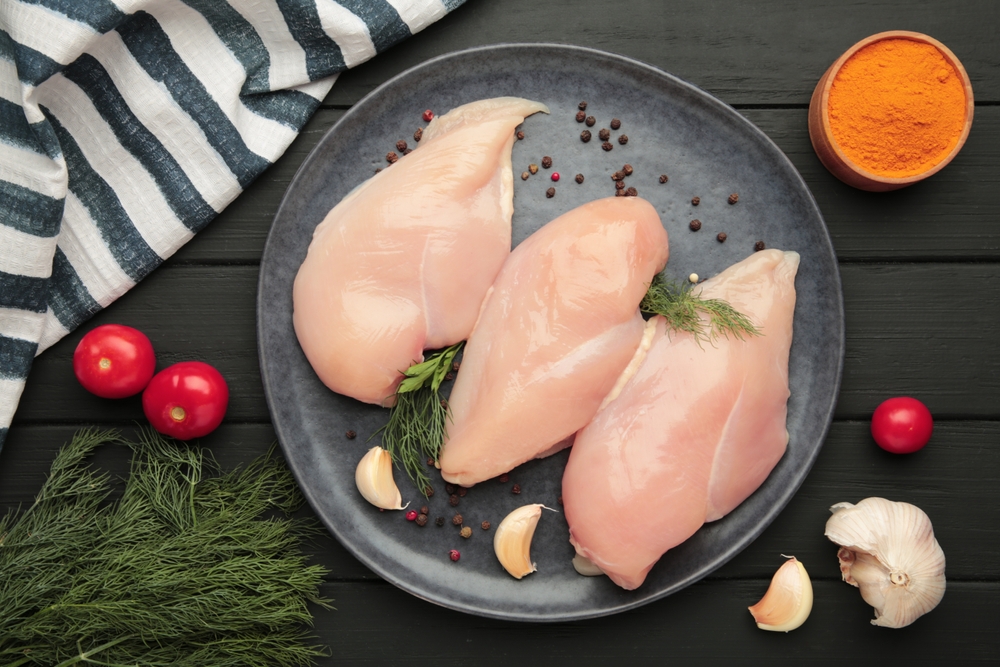
Skinless chicken breast contains 22.5 grams of protein per 100 grams.
It is also low in fat and contains all nine essential amino acids, making it a complete protein source.
Also read: A compound found in mushrooms and cheese may make vaccines more effective
Greek yogurt

A 155-gram serving of Greek yogurt contains 16.1 grams of protein.
Its high protein content is due to the yogurt being strained multiple times compared with regular yogurt.
Almonds
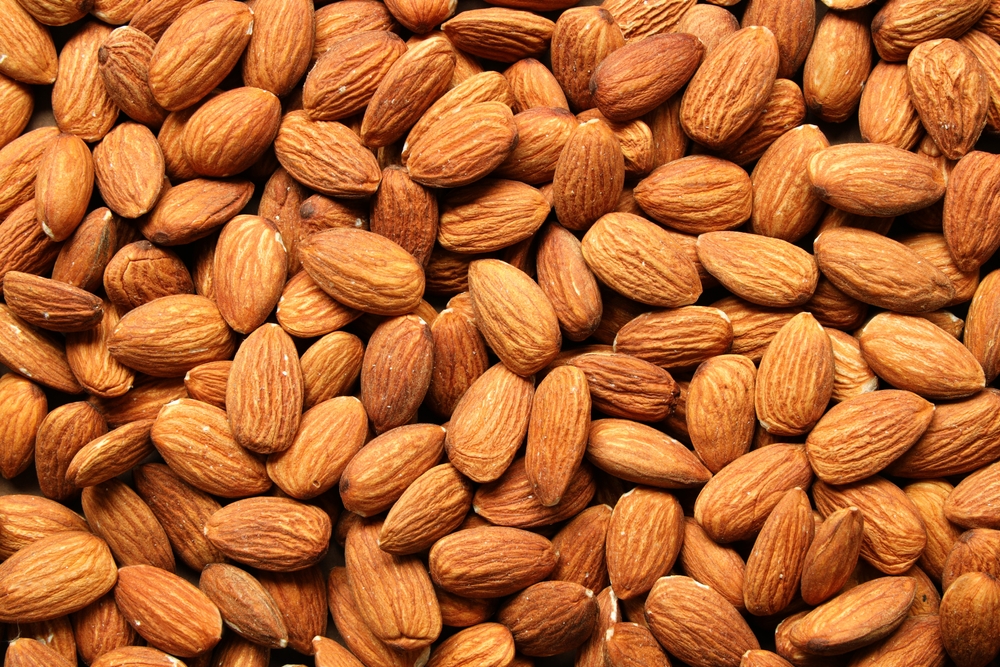
A 57-gram serving of almonds provides 7.6 grams of protein. They also contain unsaturated fats, calcium, magnesium, phosphorus, dietary fiber, and vitamin E.
Lentils
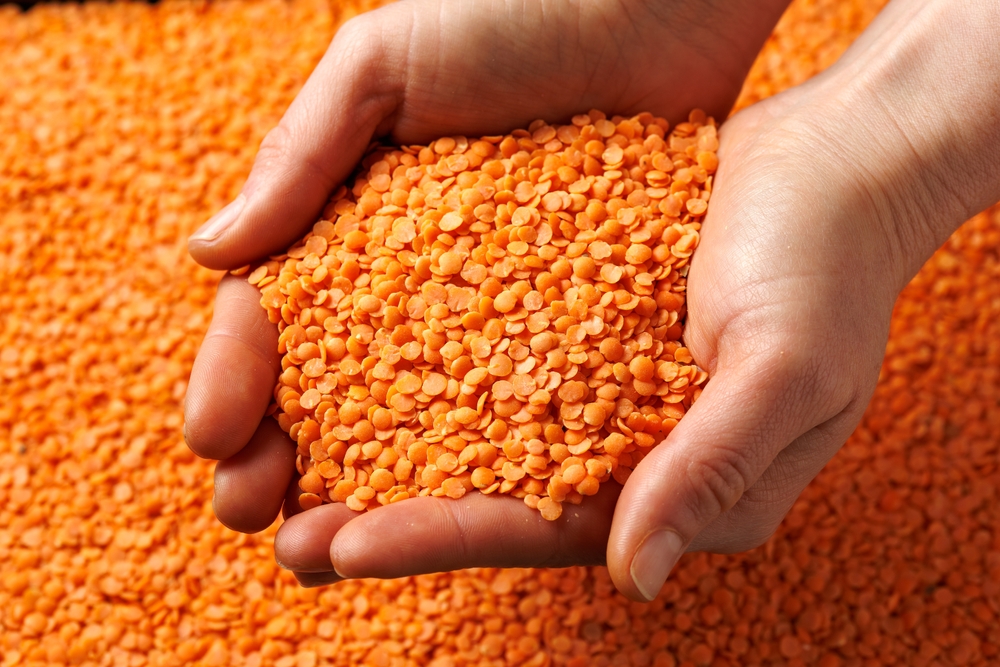
Half a cup of cooked lentils contains 9 grams of protein. Lentils are also high in dietary fiber while being relatively low in calories.
Also read: New research shows mosquitoes can learn to ignore mosquito repellent
Tuna
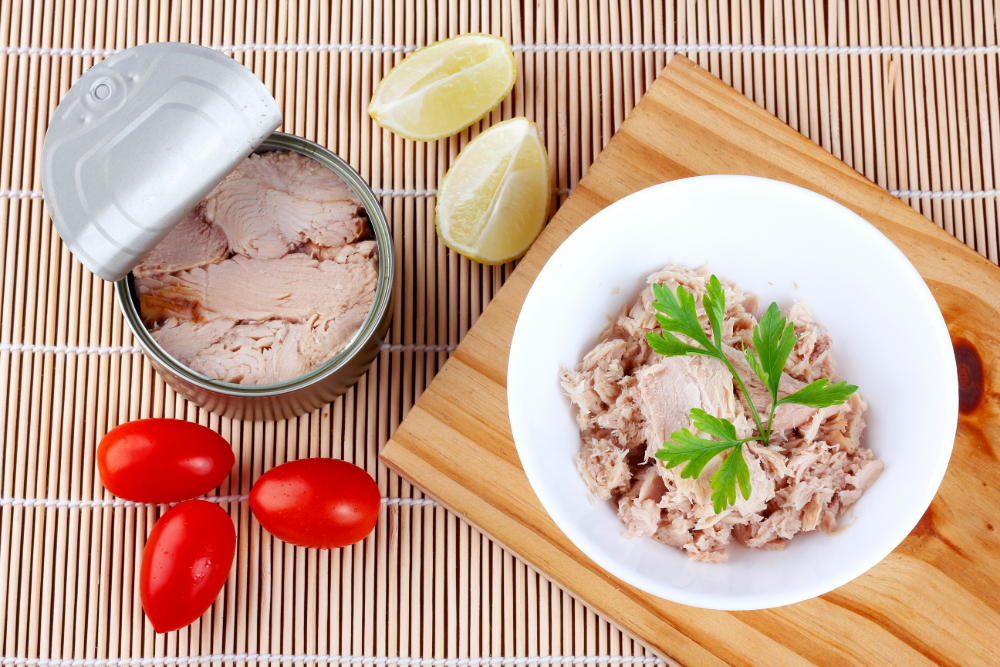
An 85-gram serving of canned tuna contains 21.7 grams of protein.
Tuna is also rich in omega-3 fatty acids and, when packed in water, is low in calories.
Tofu
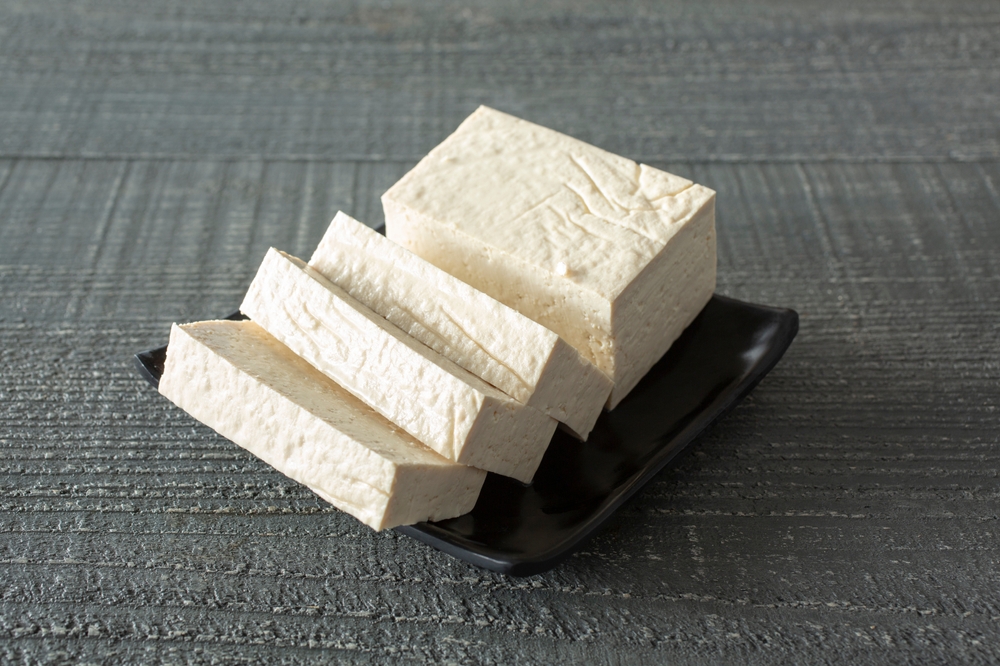
An 85-gram serving of tofu contains 9 grams of protein.
Made from soybeans, tofu also provides nutrients such as copper, selenium, manganese, and calcium.
Also read: How corn can affect your body if you eat them regularly
Black beans
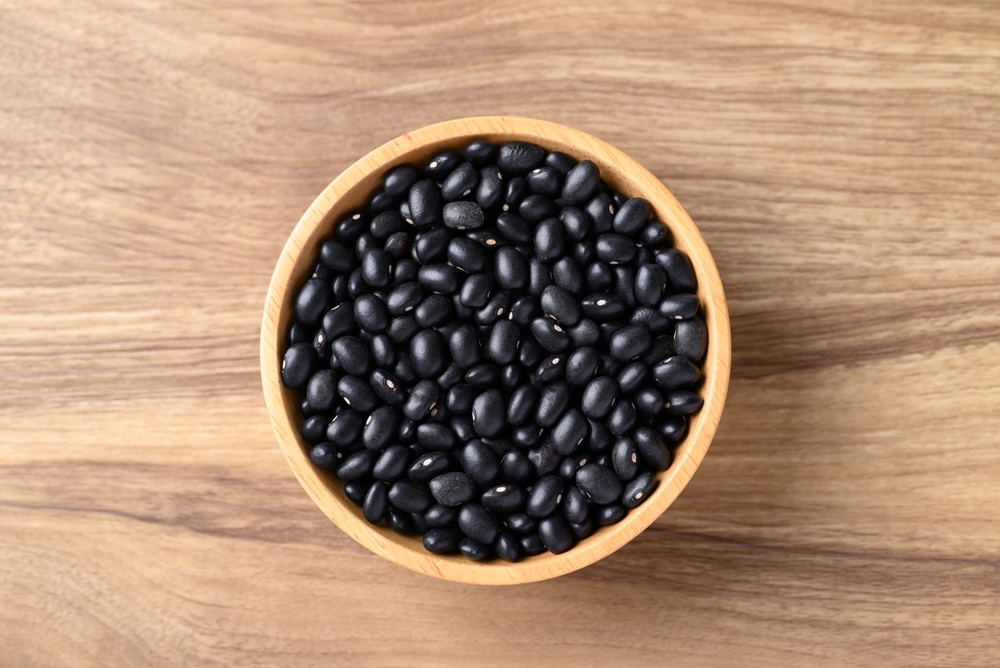
An 86-gram serving of black beans provides 6 grams of protein.
They contain both soluble and insoluble dietary fiber, which are important for digestive and heart health.
Beef and pork

A 100-gram serving of beef contains 20.1 grams of protein, while the same amount of pork tenderloin contains 21.1 grams.
Both meats also provide important nutrients, including iron, zinc, and B vitamins such as vitamin B12.
Also read: Experts reveal the recommended daily fiber intake
Edamame
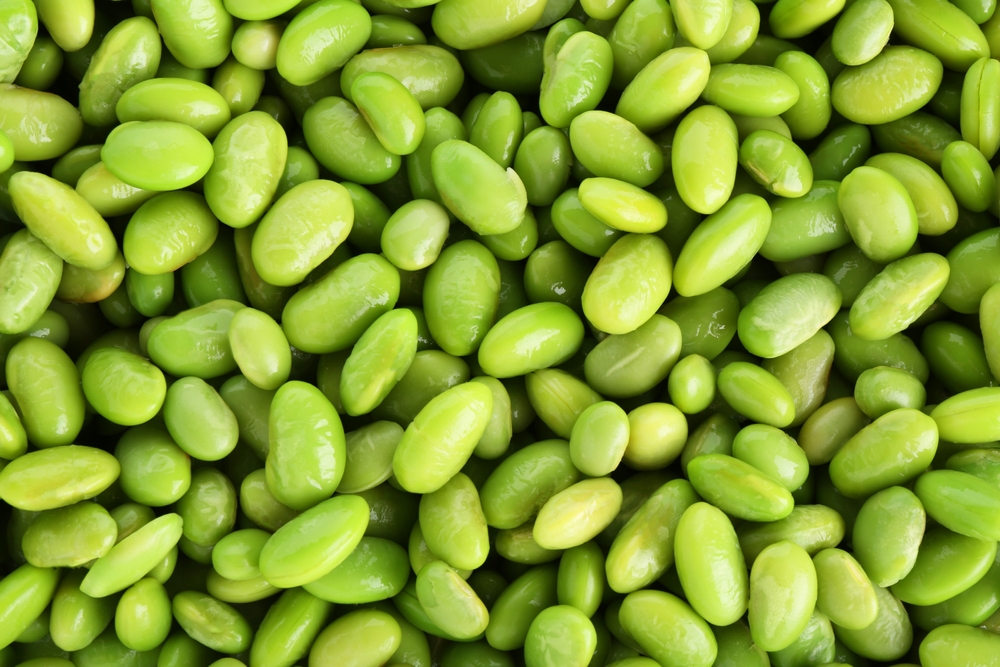
An 85-gram serving of edamame contains 9 grams of protein.
Soybeans are a complete protein source and also contain dietary fiber, according to a study published in Molecules.
They can be eaten as a snack or added to salads and grain bowls.
Salmon

An 85-gram serving of farmed salmon contains 20.3 grams of protein.
Also read: Doctor reveals: These are the essentials your medicine cabinet should contain
Salmon is also rich in omega-3 fatty acids and vitamin D, which helps the body absorb calcium and phosphorus.
Peanut butter
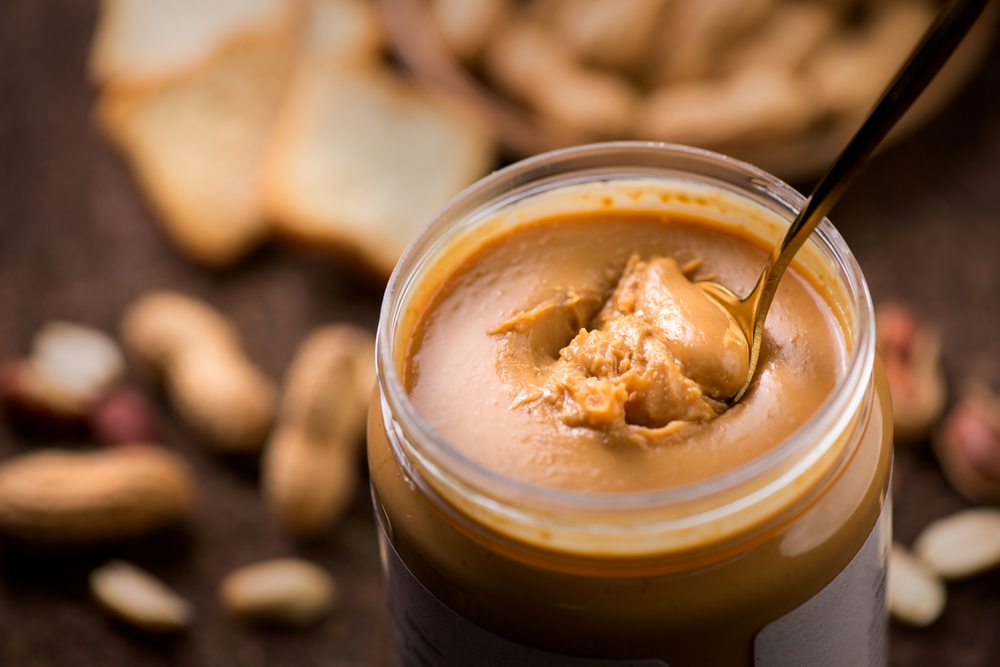
Two tablespoons of peanut butter contain 7.1 grams of protein. It can be used in sandwiches, dressings, soups, or as part of a snack.
Protein needs vary

According to Verywell Health, protein requirements depend on factors such as body size.
People who are highly physically active, pregnant, or over the age of 65 may require more protein, according to a study published in Applied Physiology, Nutrition, and Metabolism.
At the same time, it is important to maintain a balanced diet that also includes vitamins, minerals, carbohydrates, and healthy fats.
This article is made and published by Ida-Marie Palm Varbæk, who may have used AI in the preparation.