
Research suggests that corn provides dietary fiber, vitamins, minerals, and antioxidants that support several important functions in the body.
At the same time, studies indicate that the health benefits depend on whether corn is consumed in its whole form or as a highly processed product, according to Verywell Health.
Better digestion

Research published in Advances in Physiology Education suggests that the dietary fiber in corn can promote healthy bowel movements, relieve constipation, and contribute to regular digestion.
Verywell Health also notes that some people with irritable bowel syndrome (IBS) may find certain forms of corn more difficult to digest.
Also read: Experts reveal the recommended daily fiber intake
Stable energy

Research published in Advances in Food and Nutrition Research highlights that whole corn contains complex carbohydrates, which release energy more gradually than refined or sweetened corn products.
Antioxidants
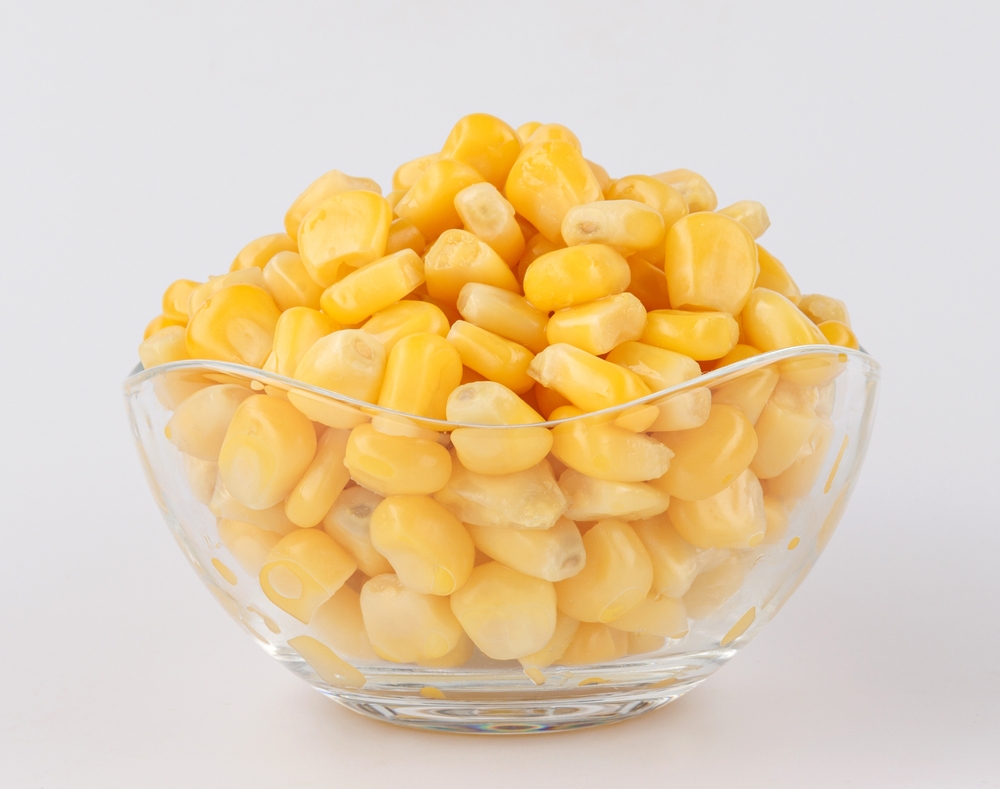
According to a study published in the FASEB Journal, yellow corn contains the carotenoids lutein and zeaxanthin, which help protect the retina.
Another study published in Antioxidants suggests that these compounds may reduce the risk of age-related macular degeneration.
Minerals

Research published in The Journal of Clinical Hypertension shows that the potassium and magnesium found in corn help regulate blood pressure.
Also read: Doctor reveals: These are the essentials your medicine cabinet should contain
Studies published in Food Chemistry and Evidence-Based Complementary and Alternative Medicine also suggest that the plant compound ferulic acid may reduce inflammation and lower the risk of heart disease.
Blood sugar is influenced by preparation
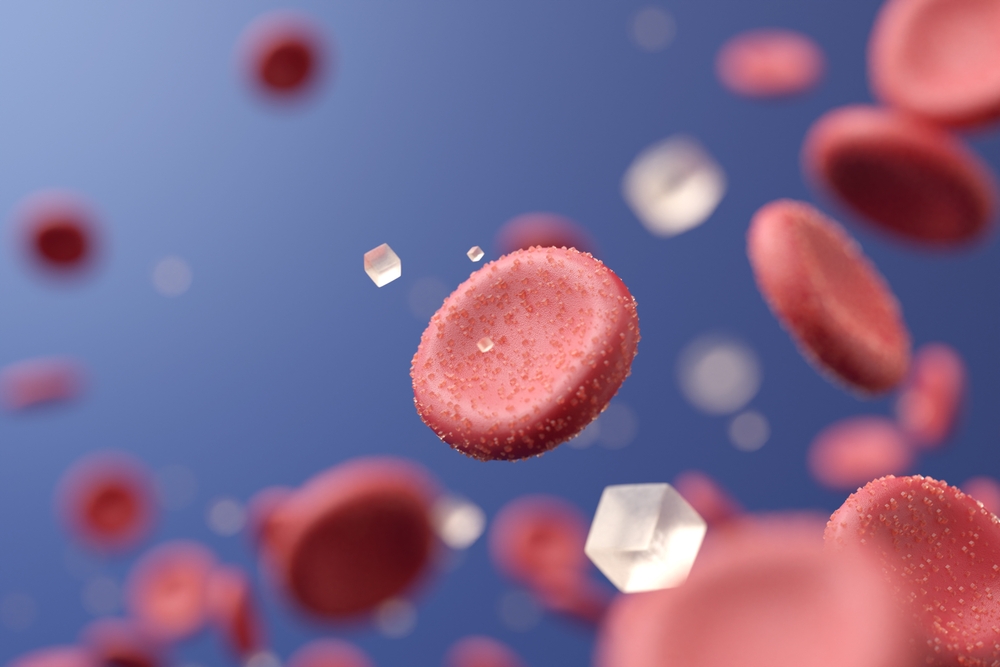
Verywell Health explains that corn has a moderate glycemic index.
Preparation methods therefore matter, and corn can still serve as a source of complex carbohydrates for people with diabetes or insulin resistance, according to a study published in Nutrients.
Both a vegetable and a whole grain

Fresh corn on the cob is classified as a starchy vegetable, while dried corn, such as popcorn, is considered a whole grain.
Also read: Doctors say this morning headache could be a warning sign
Both forms can be healthy choices when they are not prepared with large amounts of butter, oil, or salt.
Dietary fiber

One cup of cooked corn contains approximately 4.5 grams of dietary fiber, which supports digestion, the gut microbiome, and calcium absorption.
Vitamins and minerals

Corn provides several essential nutrients, including vitamin B1, folate, magnesium, potassium, and phosphorus, all of which play important roles in energy metabolism, nervous system function, blood pressure regulation, and bone health.
Whole corn
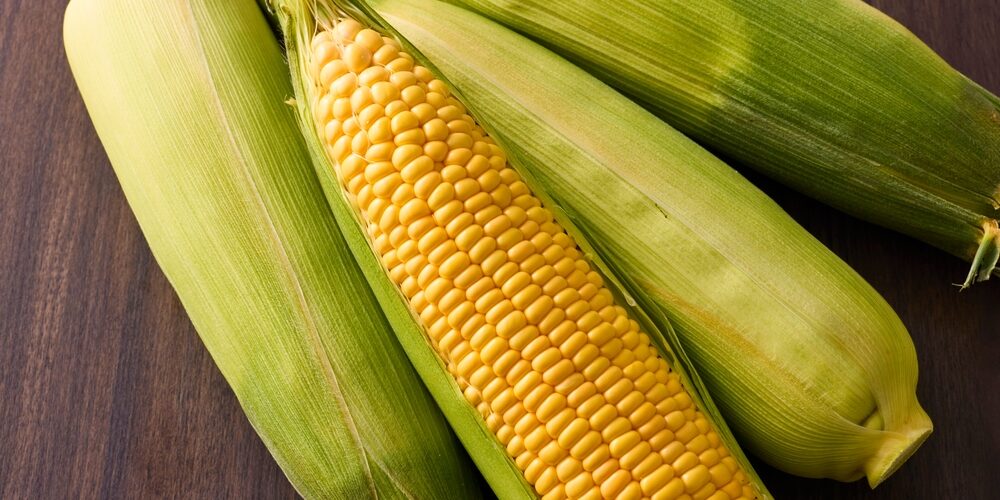
Verywell Health highlights fresh corn on the cob, frozen corn kernels, and low-sodium canned corn as some of the best options for maximizing nutrient intake.
Also read: Popular sweeteners may be linked to faster cognitive decline
Meal composition

According to Verywell Health, pairing corn with lean protein or healthy fats may increase satiety and help maintain more stable blood sugar levels.
Appropriate portion sizes
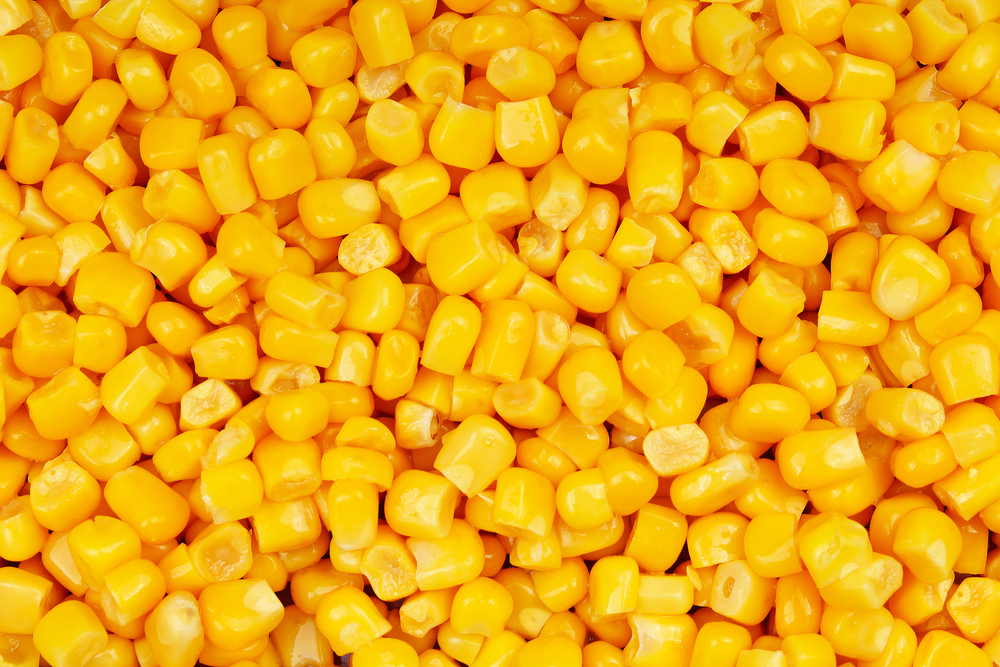
Verywell Health recommends consuming around half a cup to one cup of corn per meal, particularly for people monitoring their carbohydrate intake.
Several forms of corn are healthy choices

Fresh corn on the cob, frozen corn kernels, air-popped popcorn without butter, corn tortillas, and homemade corn-based dishes are all highlighted as nutritious options.
Ultra-processed products

Verywell Health cites research published in Public Health Nutrition linking ultra-processed corn products to weight gain, inflammation, and fluctuations in blood sugar levels.
Also read: How garlic can affect your liver if you eat it regularly
Examples include sugary popcorn, deep-fried tortilla chips, puffed corn snacks, and beverages containing corn syrup.
This article is made and published by Ida-Marie Palm Varbæk, who may have used AI in the preparation.