
Salmon is widely regarded as one of the best sources of omega-3 fatty acids, but according to Health, several other foods and supplements contain just as much or even more.
Omega-3 is essential for the body

Omega-3 is an essential fatty acid that supports heart health and may help reduce inflammation.
Because the body cannot produce enough omega-3 on its own, it must be obtained through food or dietary supplements.
Salmon is not the only option
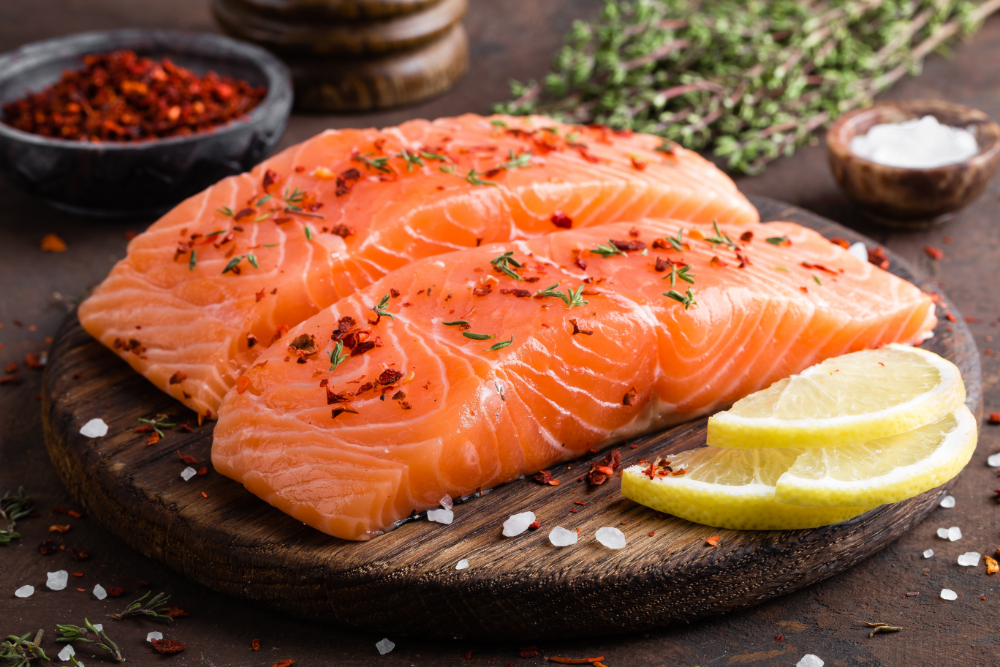
Although salmon is well known for its DHA and EPA content, several other foods and supplements are also rich in omega-3 and often have a longer shelf life.
Also read: Experts call for changes to ADHD treatment after new research
Anchovies are a concentrated source
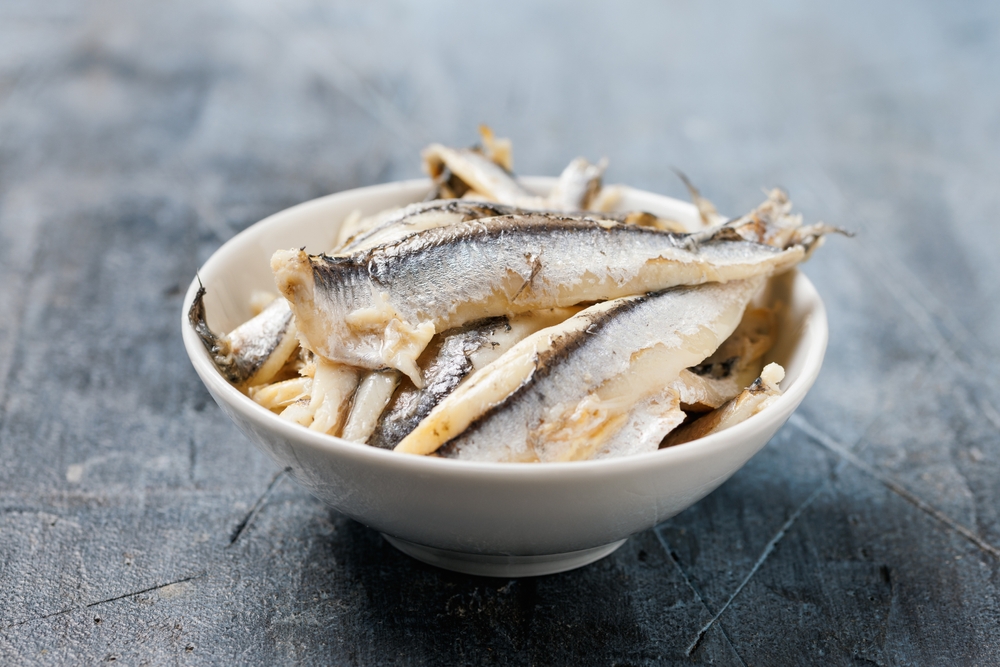
Anchovies provide high amounts of DHA and EPA.
They are also a good source of calcium, iron, selenium, and iodine.
Sardines are packed with nutrients
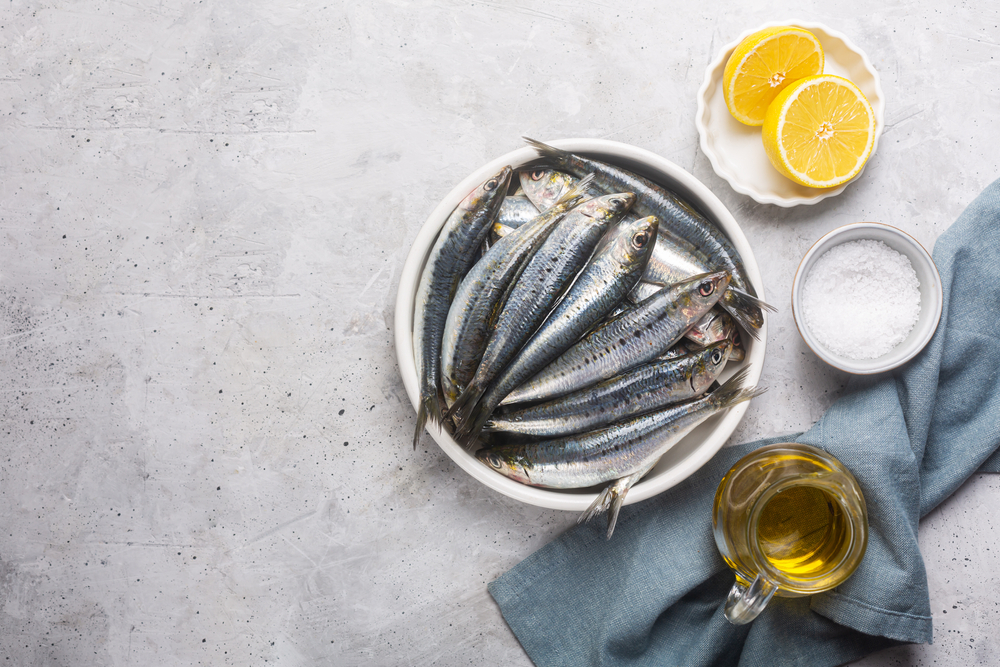
Sardines contain nearly as much omega-3 as salmon.
They also provide protein, calcium, potassium, magnesium, iron, and zinc.
Also read: Pharmacist reveals what your feet may be saying about your health
Sardines contain less mercury
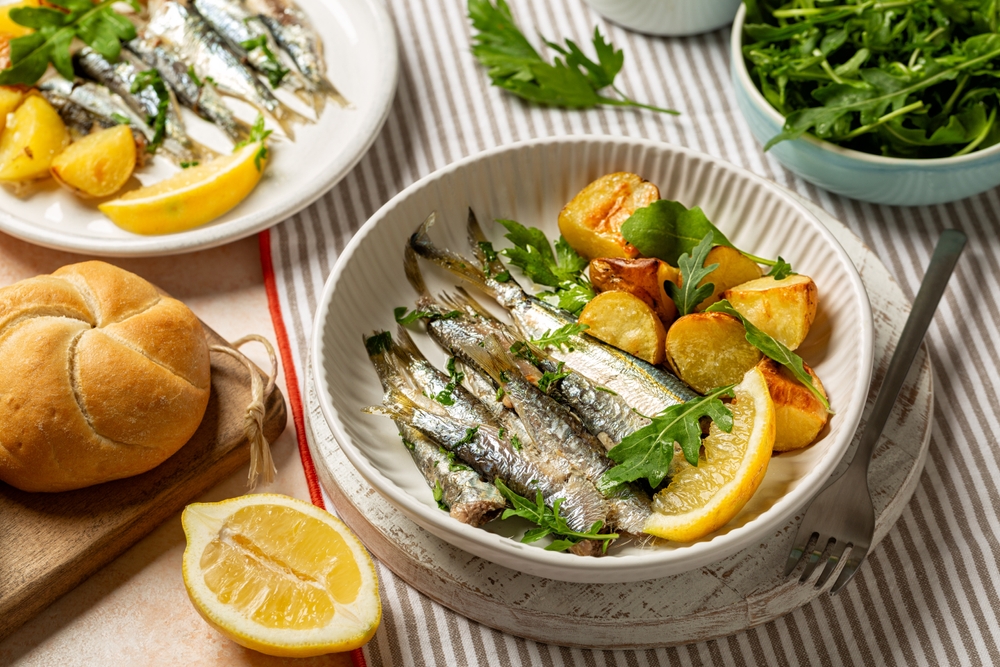
According to Health, sardines accumulate significantly less mercury than larger fish such as salmon because they are smaller, have shorter lifespans, and are lower on the food chain.
Iodine plays an important role

Health highlights that iodine is essential for the production of thyroid hormones, which help regulate metabolism, energy levels, and body temperature.
Omega-3 supplements are an alternative

Omega-3 supplements can be a practical option for people who do not eat fish or seafood.
They typically contain a combination of EPA and DHA.
Also read: Running vs. Walking: A Large Study of 48,000 Adults Found an Answer That May Surprise You
Caviar is exceptionally rich in omega-3

Two tablespoons of caviar provide more DHA and EPA than the same amount of salmon.
Caviar is also a source of vitamin B12 and choline.
Chia seeds provide ALA and fiber
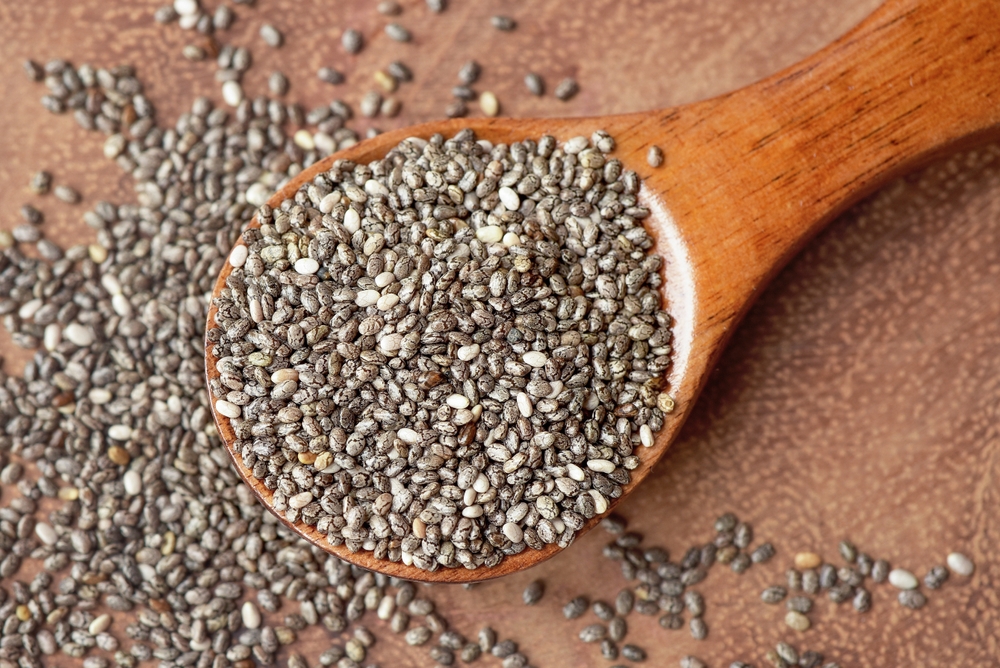
Chia seeds are rich in the plant-based omega-3 fatty acid ALA, as well as dietary fiber, magnesium, selenium, and zinc.
The fiber helps support normal digestive function.
Also read: Doctors reveal how stress affects your blood pressure
Chia seeds are versatile
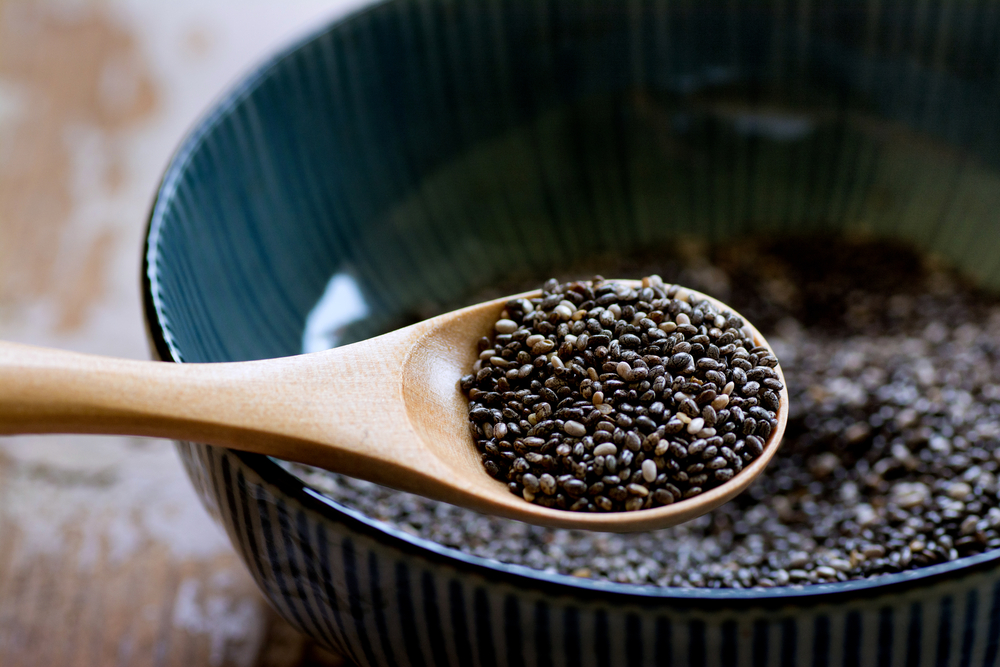
According to Health, chia seeds can be mixed into oatmeal, added to baked goods, or used to make chia pudding for a quick breakfast.
Flaxseed oil is the richest plant source
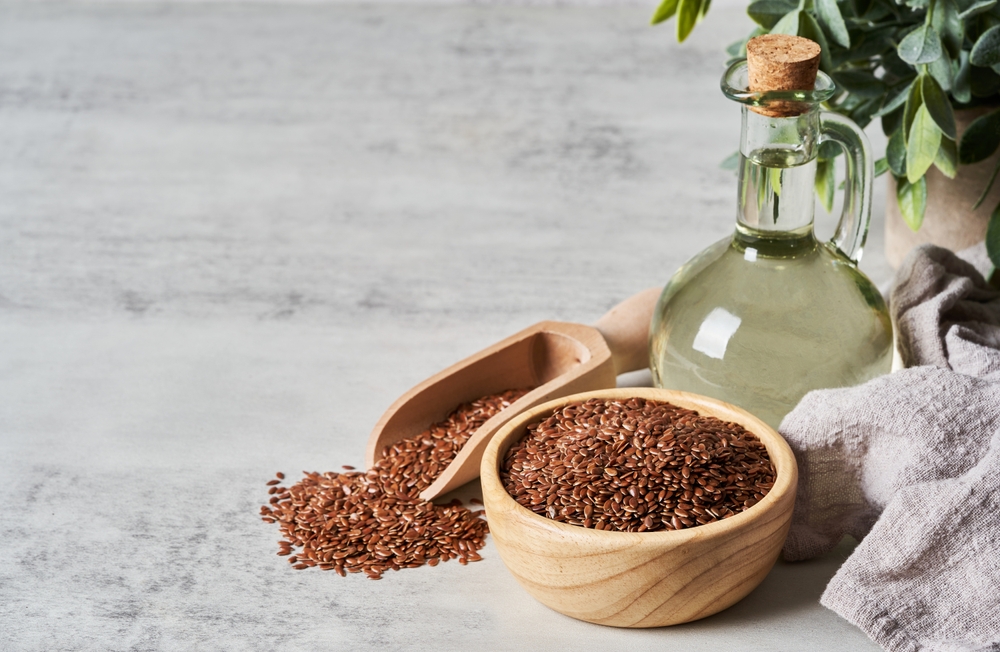
Flaxseed oil is the most concentrated plant source of the omega-3 fatty acid ALA.
Health notes that it is not suitable for frying but can be taken as a supplement or drizzled over cold dishes.
Cod liver oil tops the list

Cod liver oil contains more DHA and EPA per tablespoon than salmon.
Also read: How to improve vitamin D absorption from eggs
It is also a source of vitamins A and D and is available as both a liquid oil and in capsule form.
This article is made and published by Ida-Marie Palm Varbæk, who may have used AI in the preparation.