
Stress can cause your blood pressure to rise within minutes, but its effects may extend far beyond the moment. Experts say prolonged stress can gradually increase the risk of high blood pressure and other serious health problems, reports Prevention.
Stress raises blood pressure
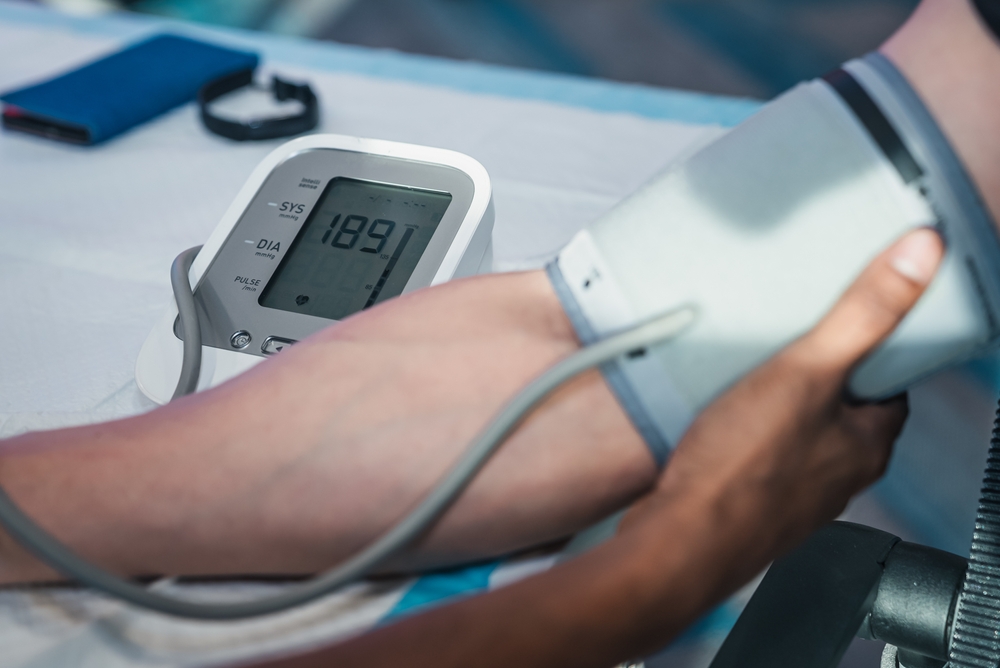
When you're under stress, your body responds by increasing both your heart rate and blood pressure.
Your nervous system goes into alert mode
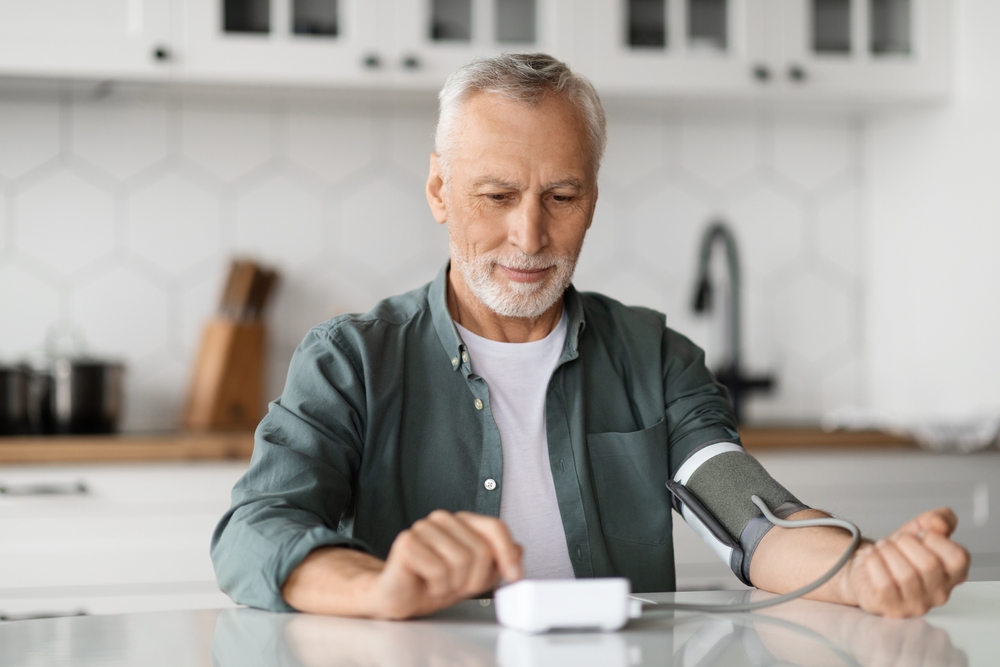
Stress activates the sympathetic nervous system, which controls many automatic functions throughout the body.
Cortisol plays a key role

The body releases the stress hormone cortisol as part of its natural fight or flight response, contributing to the rise in blood pressure.
Also read: How to improve vitamin D absorption from eggs
Home devices may detect the change
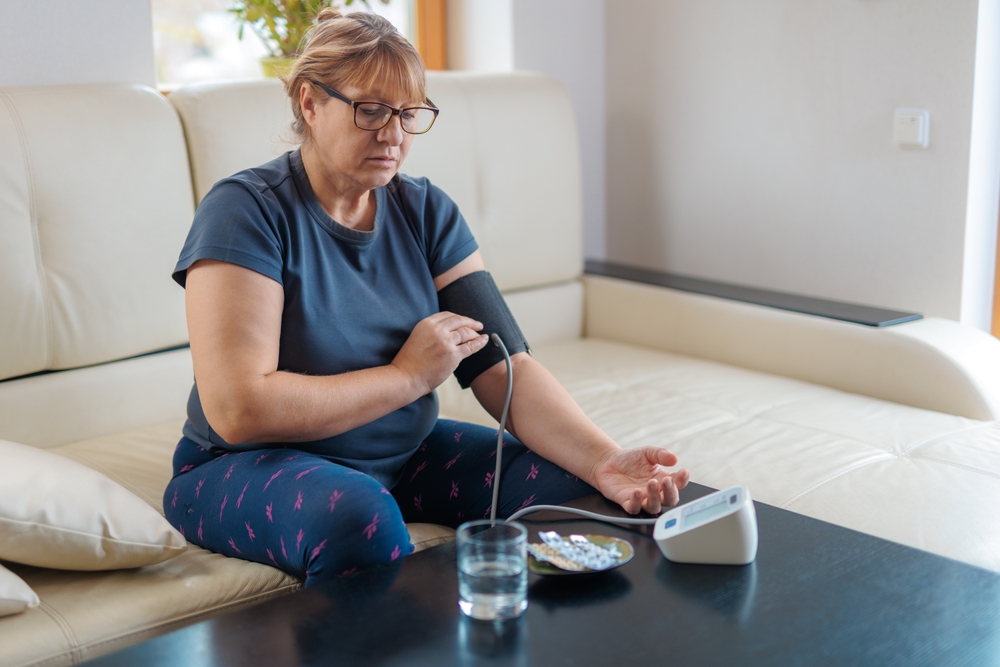
People who monitor their blood pressure with a home monitor or smartwatch may notice higher readings during stressful periods.
The effects can last beyond the moment
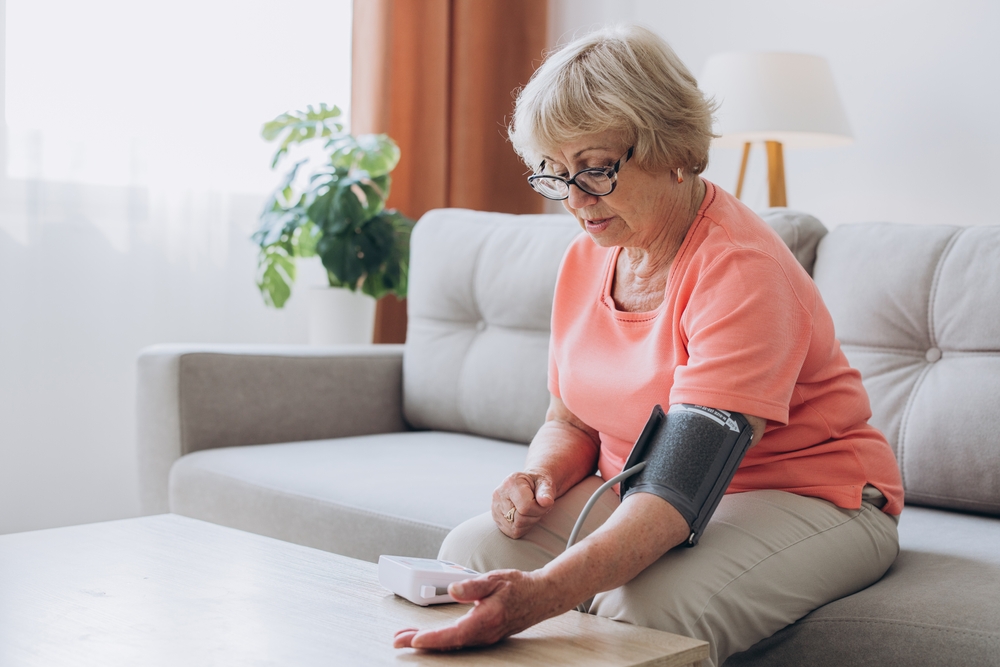
Research found that people with higher levels of stress hormones were more likely to develop high blood pressure over the following six to seven years.
Higher cortisol was linked to greater risk
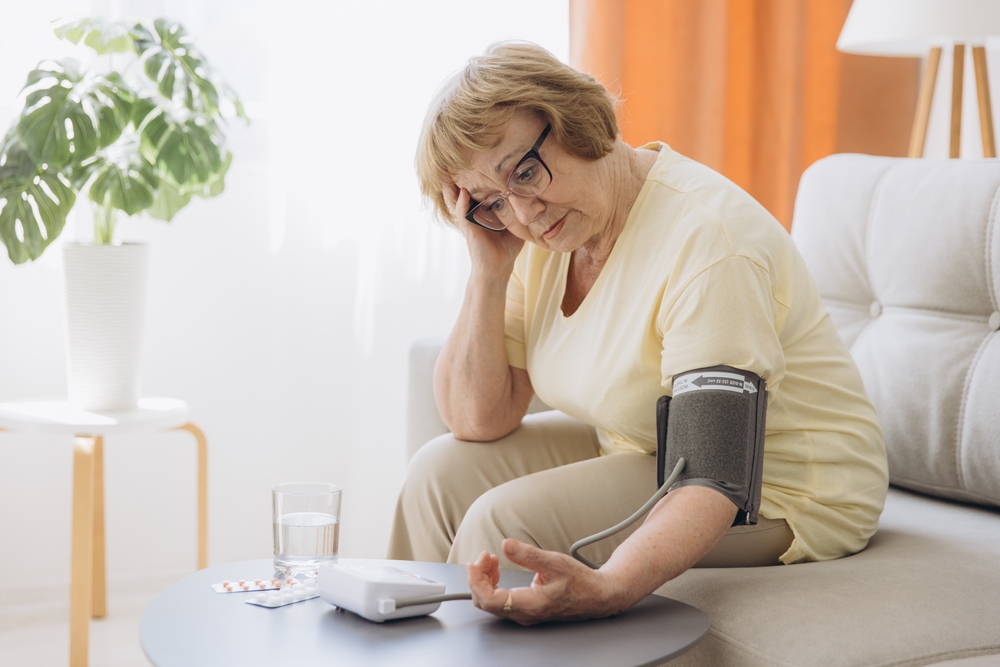
Participants with elevated cortisol levels in their urine had a 90 percent higher risk of experiencing a cardiovascular event within 11 years.
Stress can lead to unhealthy habits
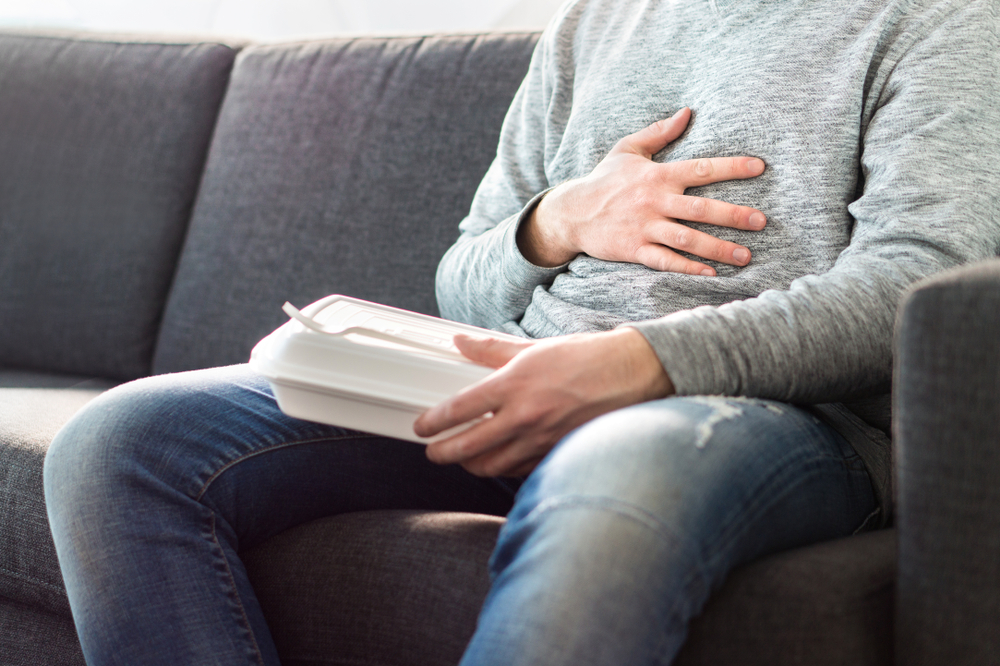
Stress is also associated with behaviors that may further increase blood pressure, including unhealthy eating, physical inactivity, tobacco use, and drinking more alcohol than usual.
Also read: This type of cheese could be a good choice after 60, new study finds
Chronic stress can affect blood vessels

Long term stress increases inflammation in the body, making blood vessels stiffer and less able to relax.
Blood pressure may gradually increase

As blood vessels lose their flexibility over time, blood pressure can slowly continue to rise.
Several organs may be affected
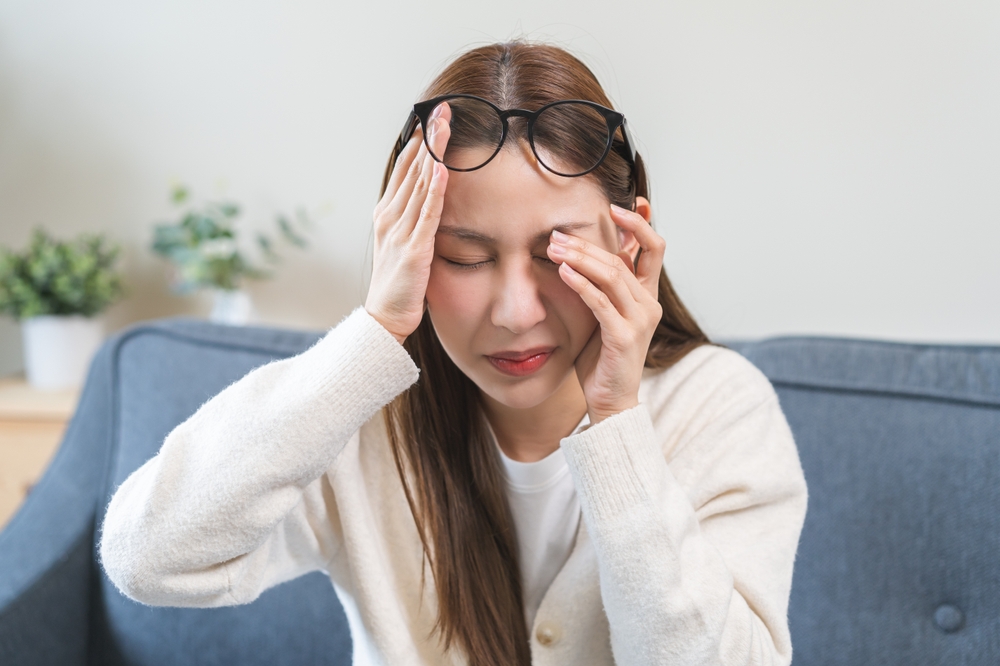
Persistently high blood pressure can eventually damage the heart, brain, kidneys, and eyes.
Managing stress may help
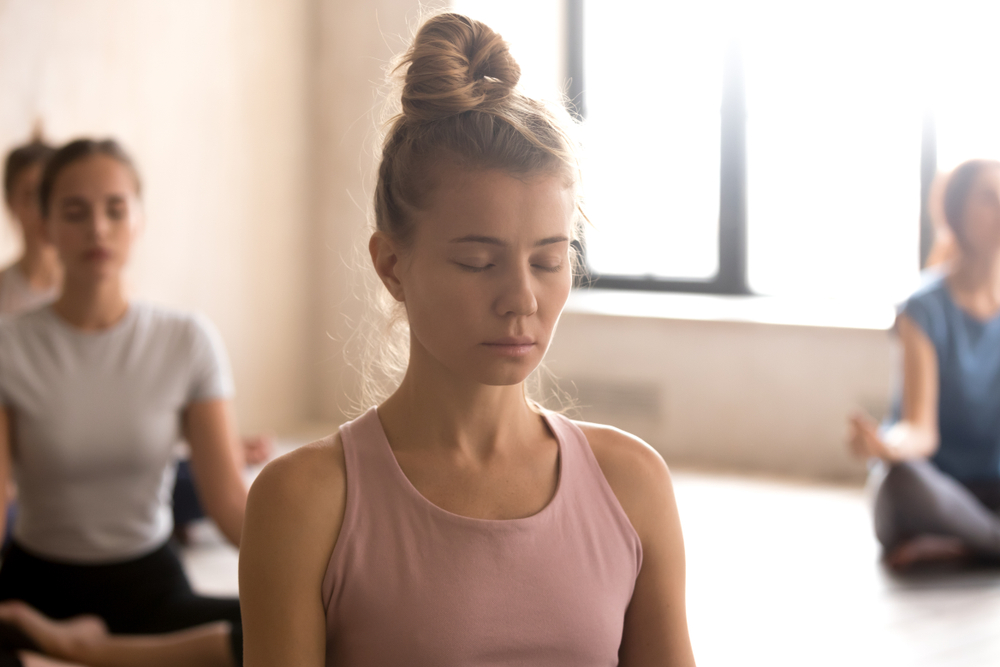
Practices such as meditation, yoga, mindfulness, and breathing exercises may help lower blood pressure, although they may not completely resolve high blood pressure.
Also read: New research: Replacing gas stoves may benefit people with asthma
Regular checkups are important
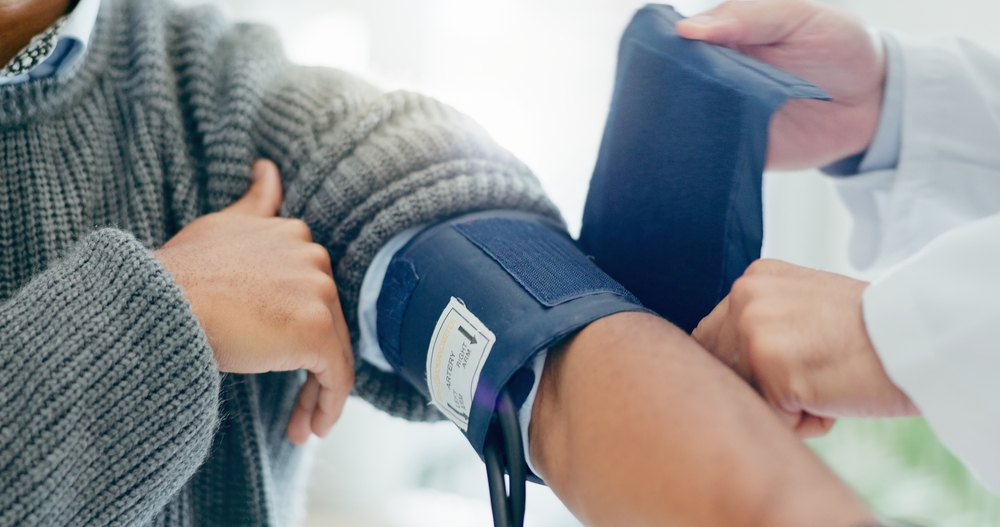
High blood pressure often causes no symptoms, making routine health checks and discussions with a healthcare provider especially important, particularly for people with a family history of the condition.
Also read: Traffic noise may increase the risk of Parkinson's disease, study finds
This article is made and published by Mie Hermansen, who may have used AI in the preparation.