
Stomach pain can have many different causes, from temporary digestive discomfort to more serious medical conditions. Depending on the cause, simple changes to your daily routine or diet may help relieve symptoms, while persistent or severe pain should always be evaluated by a healthcare professional, reports Medical News Today.
Know when stomach pain needs medical attention

Although many cases of stomach pain are harmless, some symptoms require immediate medical care. Severe or sudden pain, vomiting blood, black or bloody stools, chest pain, difficulty breathing, jaundice, or problems passing urine, stool, or gas should never be ignored.
Start with simple lifestyle changes

Everyday habits can play a role in preventing stomach discomfort. Eating more slowly, drinking enough water, exercising regularly, reducing stress where possible, and cutting back on fatty or processed foods may all help lower the risk of digestive problems.
Stay hydrated

Water is essential for normal digestion and nutrient absorption. Dehydration can make digestion less efficient and increase the chance of an upset stomach. Drinking water may also help reduce heartburn.
Also read: New study suggests some men could skip painful prostate biopsies
Eat foods that are easy to digest

When your stomach is unsettled, choosing bland foods may be beneficial. Bananas, rice, applesauce, and toast are commonly recommended for diarrhea because they are gentle on the digestive system and can help replace nutrients lost through vomiting or loose stools.
Be mindful of foods that may trigger symptoms

Some foods are more likely to contribute to indigestion, including fatty, greasy, acidic, and spicy meals, as well as certain wheat products. Avoiding these foods may help reduce discomfort.
Watch for food allergies and intolerances

For some people, stomach pain and bloating are linked to food allergies or intolerances. Common triggers include milk, peanuts, tree nuts, soy, wheat, shellfish, fish, eggs, and gluten. Anyone who suspects a food sensitivity should discuss testing or an elimination diet with a qualified healthcare professional.
Give your stomach time before lying down

Remaining upright after eating may help prevent stomach acid from moving back into the esophagus. This can reduce the likelihood of heartburn associated with indigestion.
Also read: Harvard pays millions after human remains scandal
Consider ginger for nausea
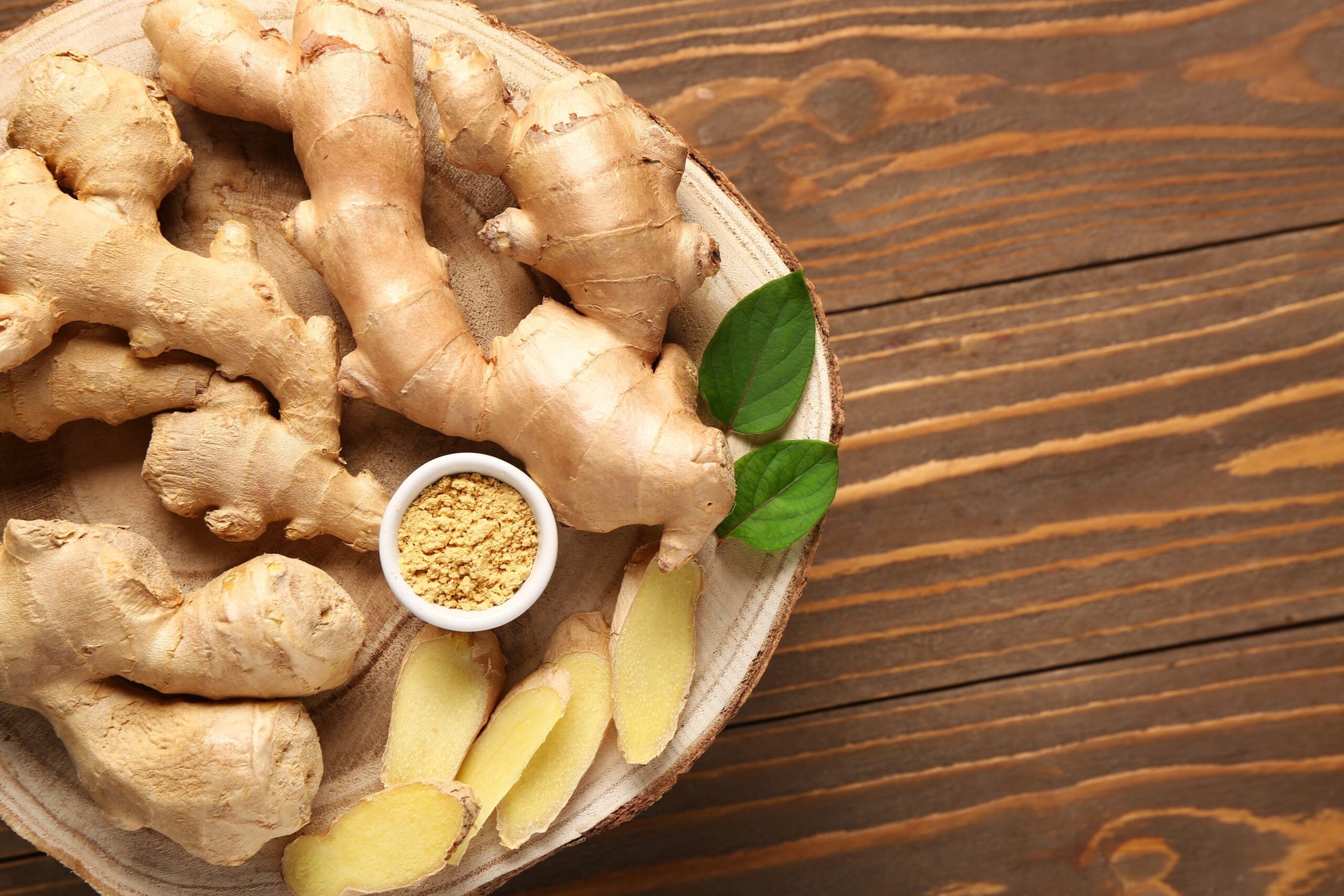
Ginger has been shown to help reduce nausea and vomiting in some people, including those who are pregnant or receiving chemotherapy. It can be consumed in food, as tea, or in some natural ginger ale products.
Some natural products may offer relief

Several natural remedies are mentioned as possible options for digestive discomfort. Basil may help reduce gas, aloe vera juice may ease symptoms such as heartburn, bloating, nausea, and acid regurgitation, while products containing licorice root may help relieve digestive symptoms. However, aloe vera may cause abdominal cramps in some people, and licorice can increase blood pressure and lower potassium levels.
Certain foods may help in specific situations

Figs contain natural compounds that may promote bowel movements and help relieve constipation, but they should be avoided during diarrhea because of their laxative effect. Plain rice may also be a suitable choice for people with irritable bowel syndrome or frequent diarrhea.
Use baking soda carefully

Some healthcare professionals suggest baking soda as a way to reduce stomach acid and relieve heartburn or indigestion. However, excessive consumption may cause side effects, including diarrhea, vomiting, muscle spasms, muscle twitching, irritability, and slow or shallow breathing.
Also read: Buying eggs? There's one detail you should always check
Remember that stomach pain has many possible causes

Abdominal pain is often linked to common problems such as gas, indigestion, constipation, diarrhea, or infections. However, it can also be associated with more serious conditions, including appendicitis, bowel obstruction, pancreatitis, kidney stones, ovarian cysts, peritonitis, pneumonia, strangulated hernia, or even a heart attack.
Also read: Researchers discover how long-term money problems affect the brain
This article is made and published by Mie Hermansen, who may have used AI in the preparation.