
Diet can play a role in eye health long before your vision begins to change.
According to Prevention, a varied diet can provide antioxidants, vitamins, minerals and healthy fats that the eyes need.
Green tea

Green tea contains antioxidants, including catechins such as EGCG.
According to optometrist Melissa Barnett, research published in BioMed Research International points to potential benefits in relation to conditions including glaucoma, cataracts and dry eyes.
Also read: Doctors compare cigarettes, vaping and cannabis - here is the biggest health risk
Eggs

Egg yolks contain lutein and zeaxanthin, antioxidants that are important for the eye's macula.
Prevention highlights a study published in Clinical Nutrition, in which eating two to four eggs a week was associated with a 62 percent lower risk of age-related macular degeneration compared with eating no more than one egg a week.
Carrots
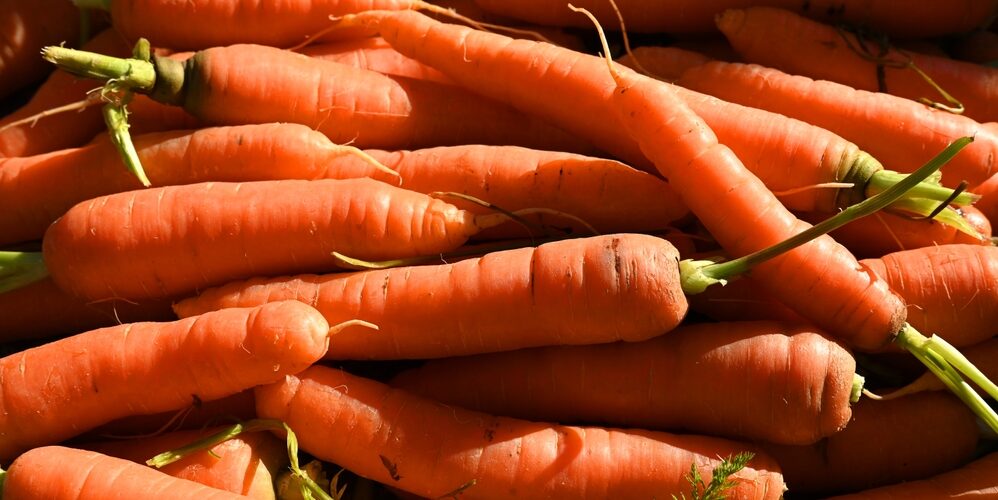
Carrots contain beta-carotene, which the body can convert into vitamin A.
The vitamin plays a role in night vision and helps keep the surface of the eye healthy and moist.
Also read: How eating sunflower seeds every day can affect your heart and immunity
Citrus fruits
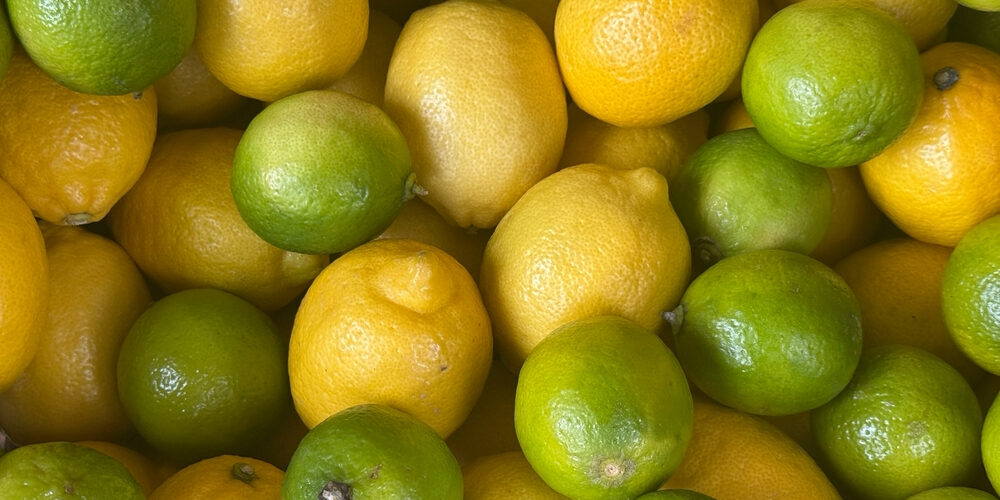
Oranges, grapefruits, lemons and limes contain vitamin C.
According to Melissa Barnett, the vitamin can protect the eye's lens from oxidative stress caused by UV light, while research has also examined its role in the development of cataracts.
Turmeric

Turmeric contains curcumin, which is associated with antioxidant and anti-inflammatory properties.
Dietitian Laura Iu tells Prevention that the compound may reduce inflammation associated with dry eyes and support tear production.
Also read: Are your eggs past their date? They may still be good
Salmon and tuna

Salmon and tuna are rich in omega-3 fatty acids, which Laura Iu says are important for retinal function and tear production.
Sardines, mackerel, anchovies, herring and trout are other sources mentioned.
Seaweed
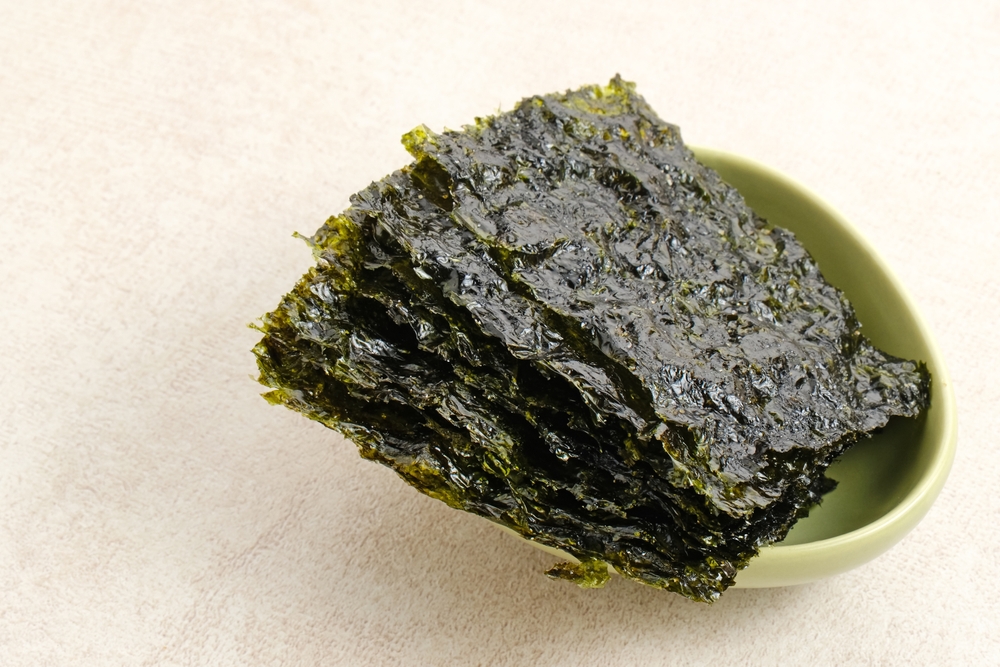
Seaweed contains vitamins A, C and E, as well as zinc. According to Laura Iu, all four nutrients are important for eye health.
Peppers

Red and green peppers provide beta-carotene as well as vitamins C and E.
Also read: Newly approved pill offers hope against one of the deadliest forms of cancer
They also contain vitamins K and B6, which Prevention links to eye pressure and protection of the optic nerve, respectively.
Nuts and seeds
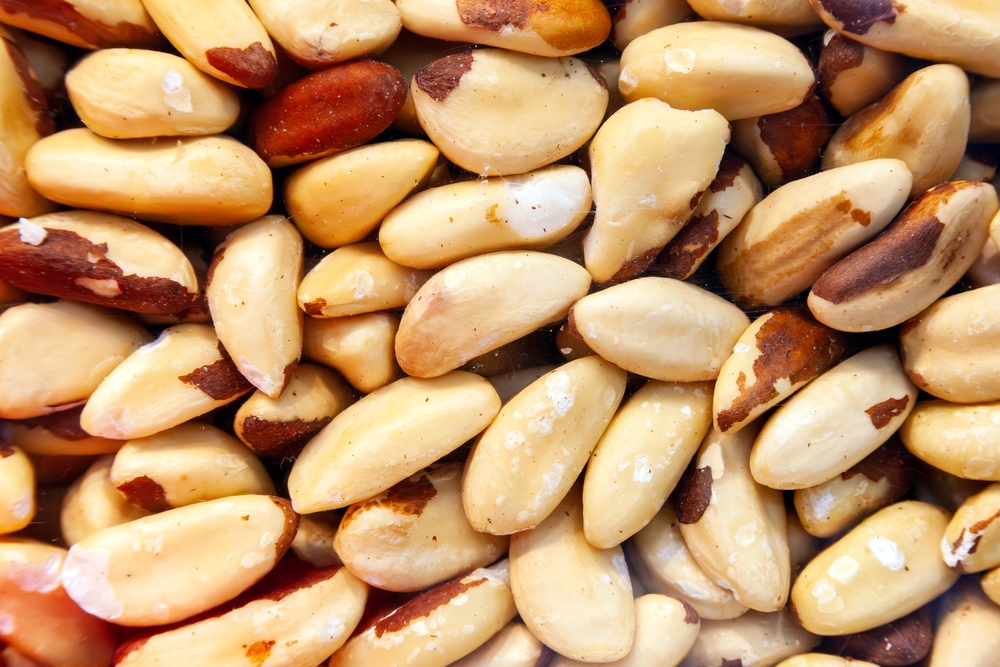
Almonds, peanuts, hazelnuts and sunflower seeds are sources of vitamin E.
Melissa Barnett explains that the vitamin may help protect eye tissue, while research has examined its association with cataract risk and the preservation of vision.
Green vegetables
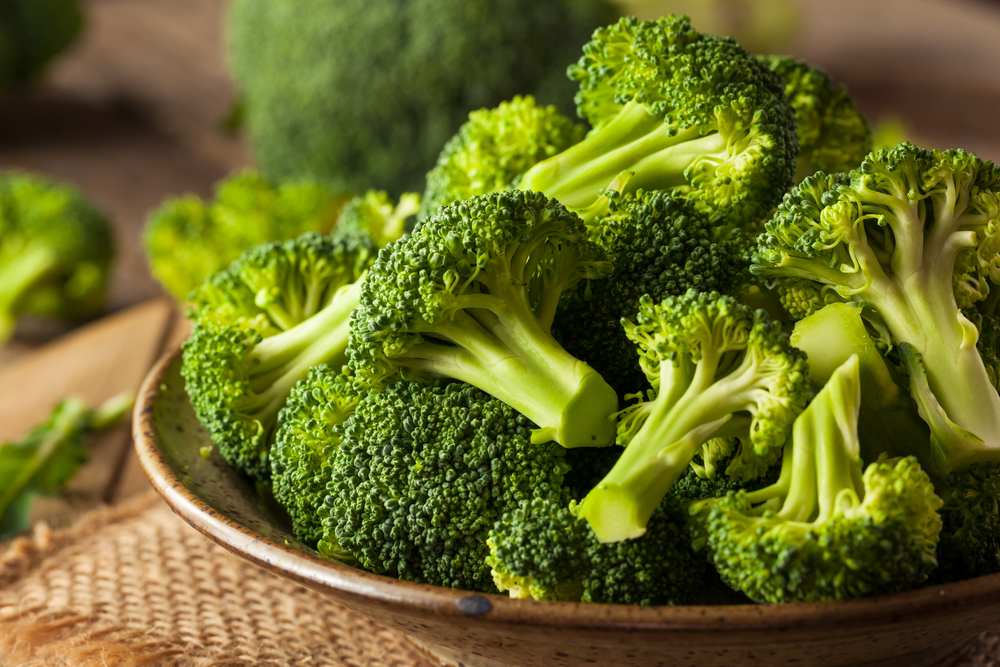
Leafy greens, broccoli and Brussels sprouts are high in beta-carotene.
Also read: One can can contain three times the recommended limit: Doctors warn parents
According to optometrist Viola Kanevsky, research published in Antioxidants shows that these vegetables may slow the progression of cataracts by up to 20 percent.
Kale
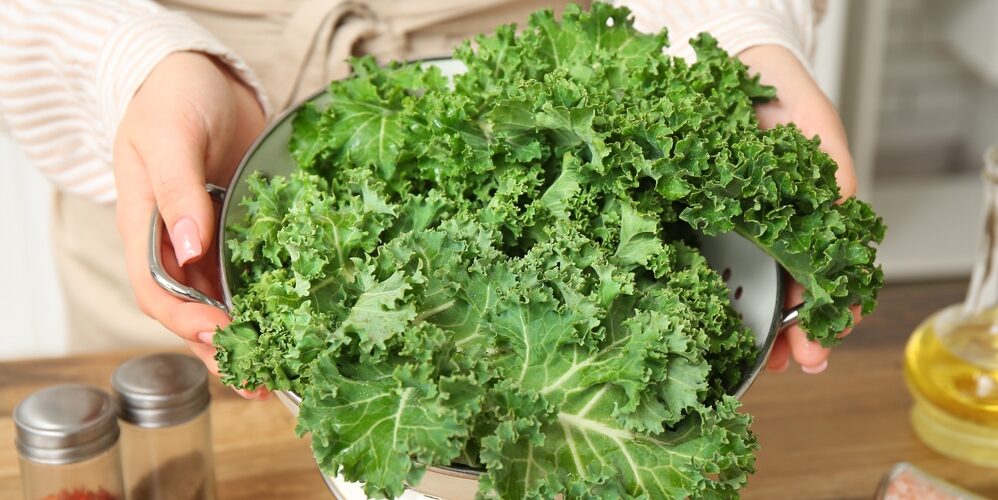
Kale and other leafy greens are good sources of lutein and zeaxanthin.
According to Prevention, these two plant nutrients help protect the eyes from damage associated with UV light.
Oysters
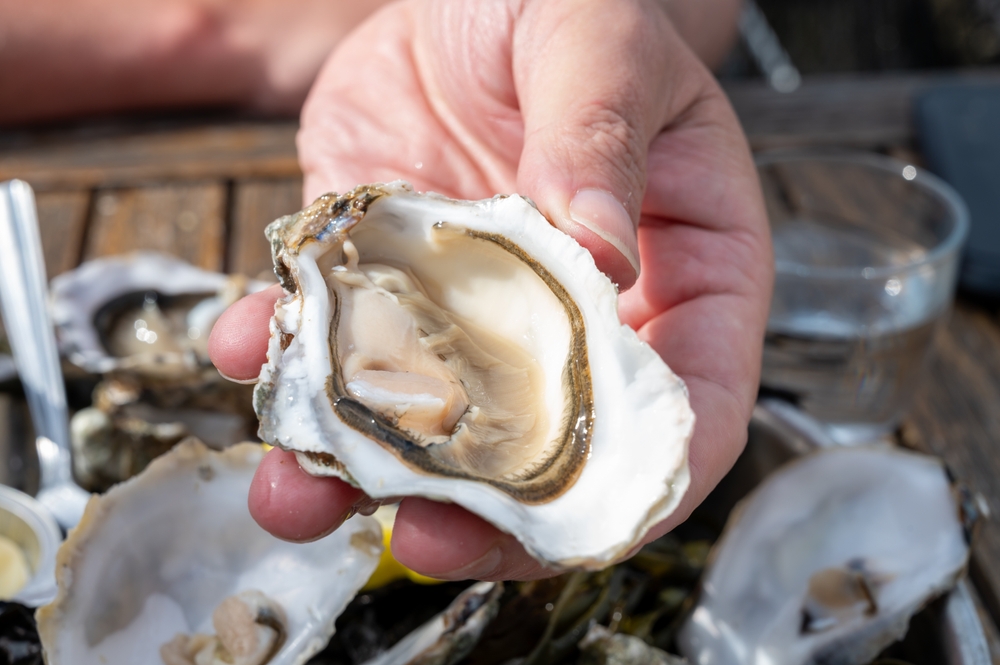
A single oyster provides nearly the entire recommended daily amount of zinc.
The mineral is important for the retina and helps transport vitamin A from the liver to the eyes.
Omega-3
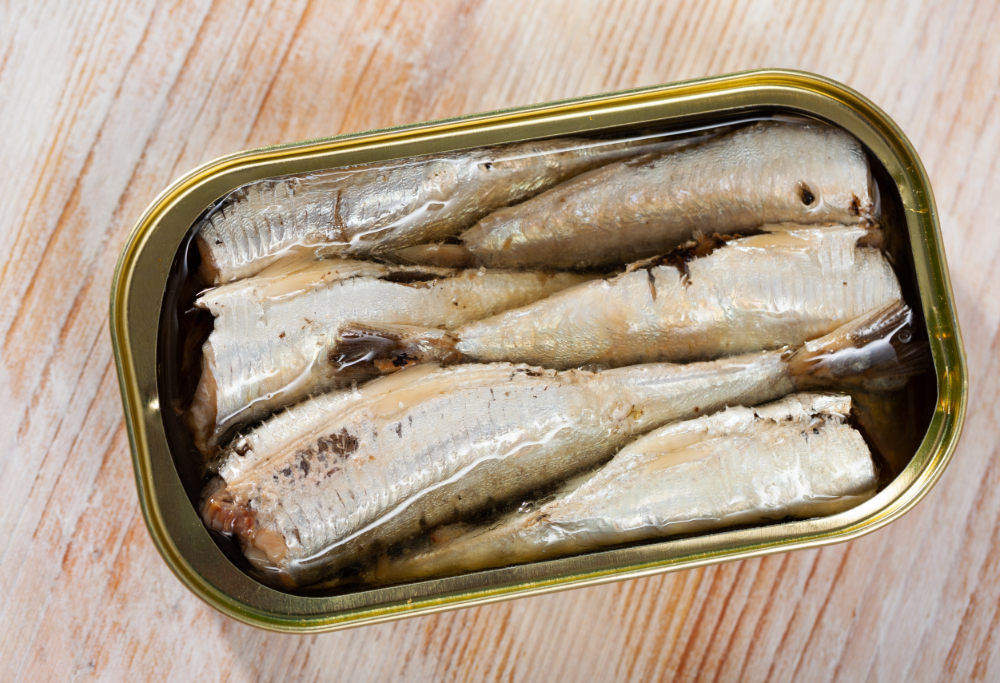
Omega-3 fatty acids are highlighted in particular in connection with dry eyes.
According to Kanevsky, supplements may be relevant for people who do not eat fish or do not get enough omega-3 through their diet.
This article is made and published by Ida-Marie Palm Varbæk, who may have used AI in the preparation.