
A new study published in Neurology links better cardiovascular health to more years of life without dementia.
The researchers highlight three factors in particular, while also stressing that the findings have several limitations, according to Health.
Smoking

Smoking is one of the three risk factors examined by the researchers.
Smoking can damage the blood vessels that supply the brain and thereby affect brain health.
Also read: 7 warning signs of sepsis that most people mistake for a bad fever
Diabetes

Diabetes was also included in the study.
Among other things, the condition can damage blood vessels, reduce blood flow to the brain and lead to chronic inflammation.
Blood pressure
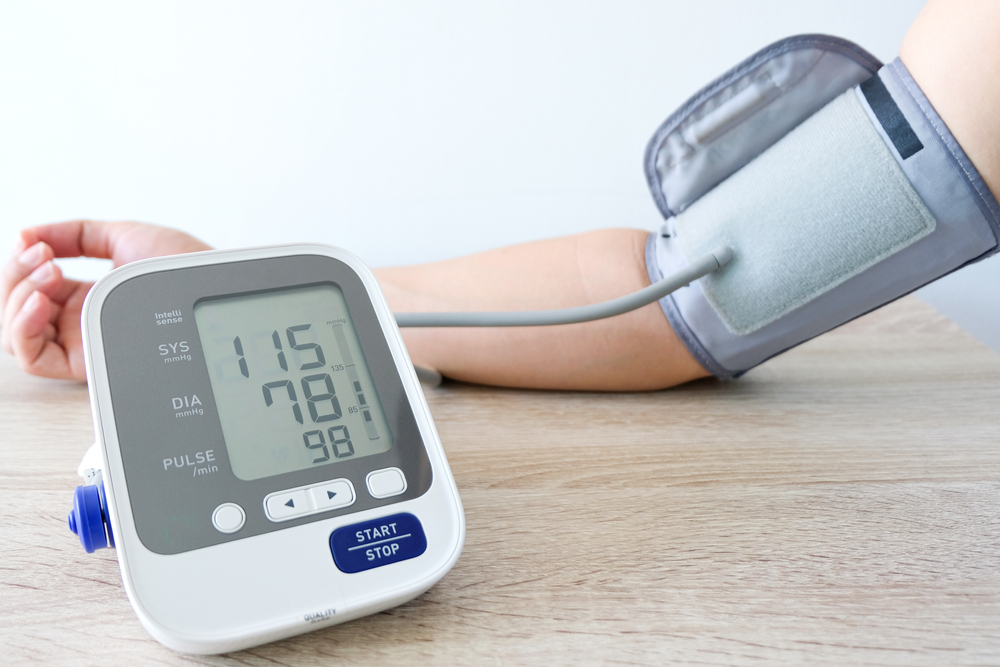
The third risk factor was abnormal blood pressure.
The researchers looked at both high and low blood pressure, as both were associated with fewer years without dementia.
Also read: Exercise may help your brain wash away the waste tied to Alzheimer's
Researchers followed more than 12,000 adults

The study included 12,409 adults from four different areas of the United States.
The participants were followed from the early 1990s until 2022.
Participants were 56 years old on average

At the start of the study, the participants were 56 years old on average.
This allowed the researchers to examine the impact of risk factors in midlife.
Also read: What eating a handful of olives every day may do to your heart and cholesterol
Health was assessed twice

The participants underwent a physical examination at the start of the study.
Around 26 years later, they were examined again.
Multiple sources of information identified cases of dementia

The researchers used cognitive tests, telephone interviews and information from hospitals and death records.
This helped them assess which participants developed dementia.
Also read: How peanut butter affects your blood sugar
The healthiest group had more years without dementia

People who did not smoke, did not have diabetes and had normal blood pressure had an average of 30.1 years without dementia between the ages of 55 and 95.
Three risk factors produced a different result

Participants with all three risk factors had an average of 17.5 years without dementia over the same age range.
The difference between the groups was therefore around 13 years.
Early death may have affected the results
People with the poorest vascular health were more likely to die before developing dementia.
Also read: How many pull-ups should you be able to do? Standards sorted by age and sex
This may have contributed to the difference between the groups.
The study does not show cause and effect
The study was observational.
It can therefore show an association between the risk factors and the number of years without dementia, but it cannot prove that these factors were the direct cause.
Only a few participants had all three risk factors

Only 176 participants had all three risk factors: smoking, diabetes and abnormal blood pressure.
This is a relatively small group, which limits how confidently conclusions can be drawn.
The risk factors were measured only once

The researchers recorded the three risk factors once during the participants' midlife.
Any changes later in life were therefore not included in this measurement.
Other healthy habits may play a role
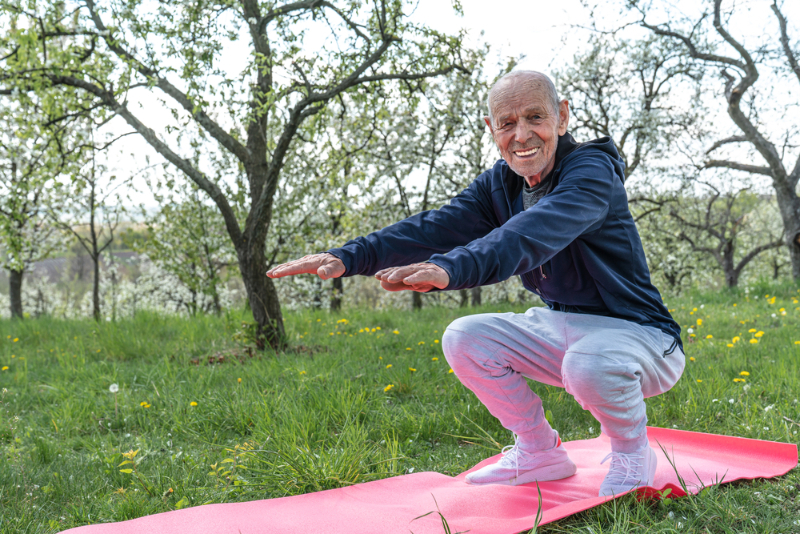
People who monitor their blood pressure may also be more physically active, prioritize sleep and have better access to healthcare.
These factors may also help delay the development of dementia.
The disease process may begin many years earlier

According to neurologist Rudy Tanzi, the disease process that leads to dementia or Alzheimer's disease at age 80 may already have begun around age 50, Health reports.
Three factors may not be enough

Smoking, diabetes and blood pressure are not the only factors that can affect brain health.
Tanzi also highlights getting enough sleep, eating a healthy diet with as few ultra-processed foods as possible, and keeping cholesterol levels and body mass index under control.
This article is made and published by Ida-Marie Palm Varbæk, who may have used AI in the preparation.