
A new study published in Nature Communications shows that several dietary patterns are associated with slower biological aging.
Researchers examined 10 dietary patterns and identified several common characteristics that may benefit health, according to Health.
Researchers studied around 7,500 people

The study was based on data from approximately 7,500 participants across two German studies.
Researchers analyzed blood samples and participants' self-reported eating habits to investigate the relationship between diet and biological aging.
Also read: New drug could prevent 70% of muscle loss linked to Ozempic
Biological age can be measured through DNA

Researchers used blood samples to examine epigenetic age, a measure of the body's biological age based on changes in DNA.
All 10 dietary patterns were associated with signs of slower biological aging.
The findings have some limitations

Although the study found an association between healthy eating and slower biological aging, it cannot establish that diet is the cause.
Researchers also noted that participants' self-reported dietary information may be inaccurate and that the findings may not apply to all population groups.
Also read: Are seed oils actually bad for you? Science has an answer
Eat more vegetables and fruit

The dietary patterns examined in the study placed particular emphasis on plant-based foods.
A high intake of fruit and vegetables was among the common characteristics of the dietary patterns associated with healthy aging.
Replace butter with olive oil

One simple change in cooking habits is to use olive oil instead of butter.
This is one way to incorporate more of the healthy fats found in several of the dietary patterns examined in the study.
Also read: 8 warning signs of type 1 diabetes adults often mistake for stress or aging
Choose whole grains
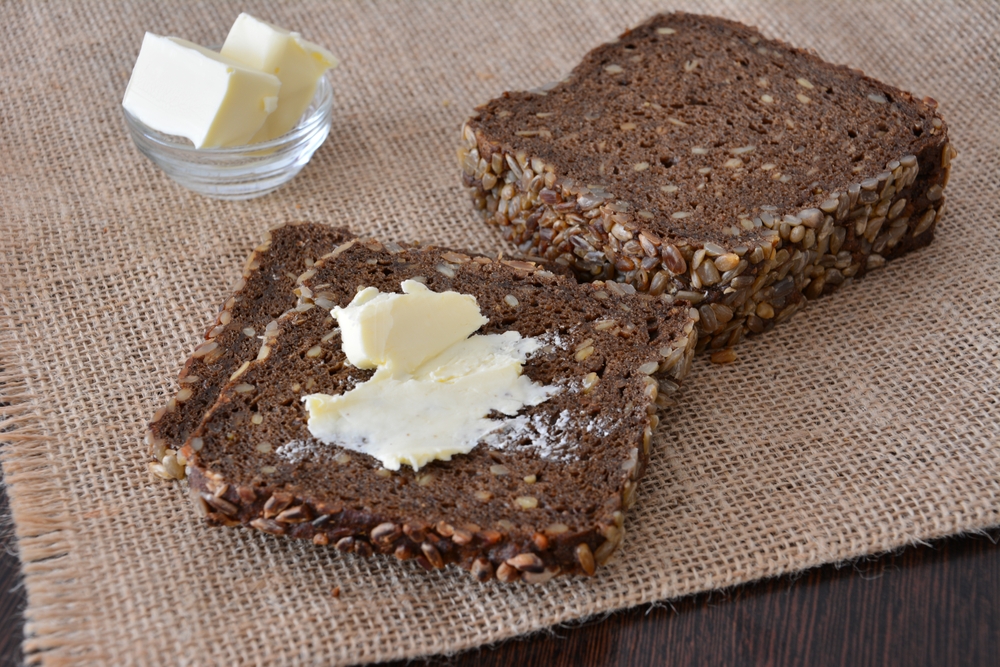
Whole grains are an important component of the dietary patterns associated with slower biological aging in the study.
Experts therefore recommend prioritizing whole grains in the daily diet.
Eat more nuts and seeds
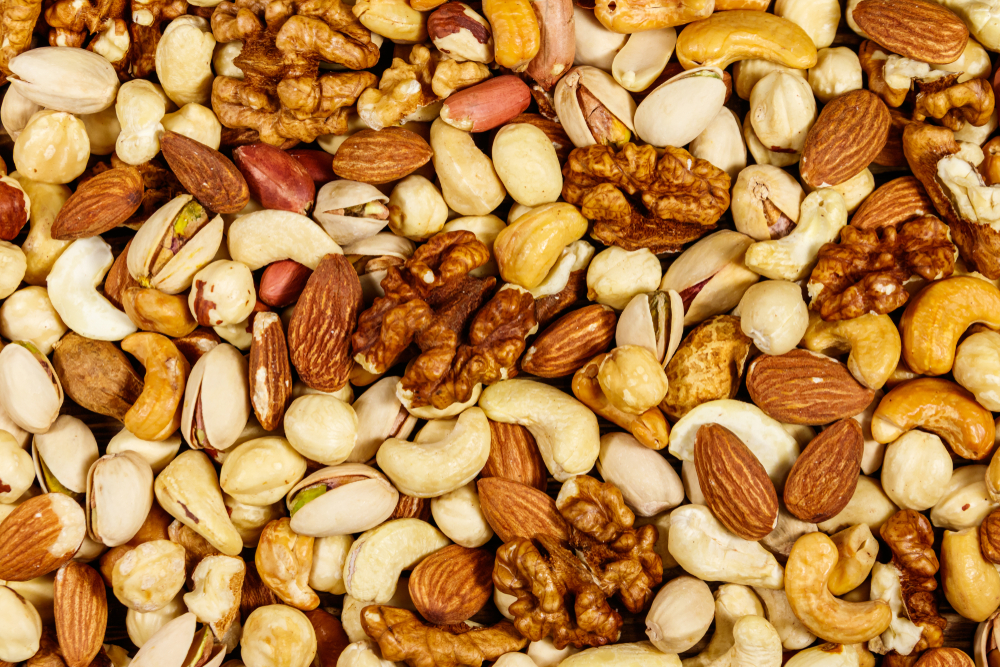
Nuts and seeds can easily be incorporated into a variety of meals.
Experts suggest sprinkling them over breakfast cereals, oatmeal, or salads.
Also read: Living near the coast? Study links microplastics to five types of cancer
Cut back on processed meat

Another common characteristic of the dietary patterns examined in the study was a lower intake of processed meat.
Experts therefore recommend limiting the consumption of these foods.
Choose a diet that works for you
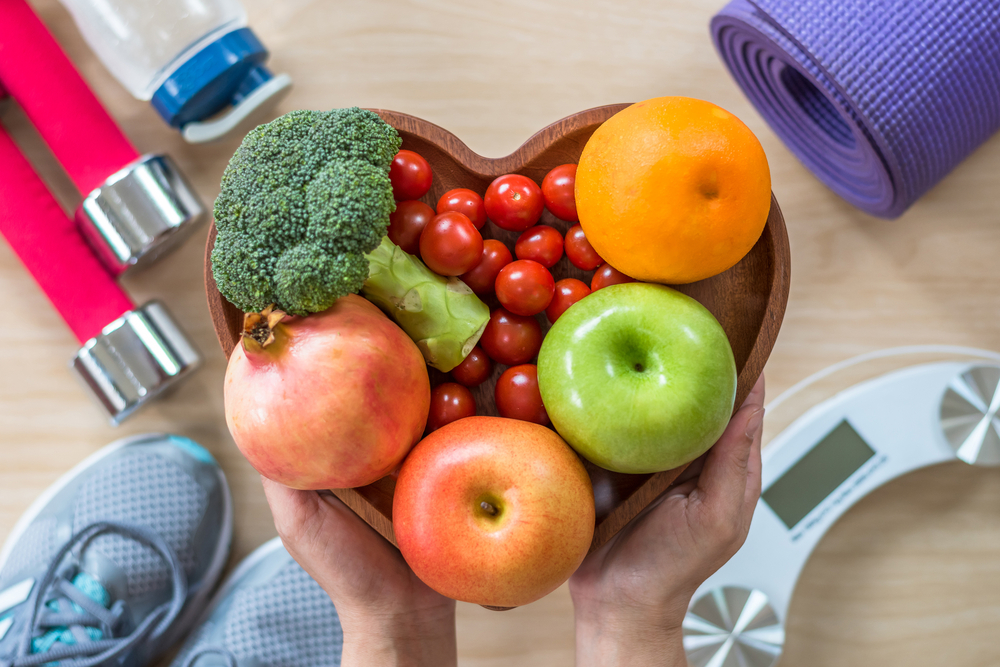
Researchers did not identify a single dietary pattern that was more effective than all the others in supporting healthy aging.
The findings therefore suggest that several different approaches to eating may offer health benefits.
Also read: Your smartwatch may now catch a dangerous sleep condition most people miss
The Mediterranean diet was among those studied

The Mediterranean diet was one of the dietary patterns compared by researchers.
It was examined alongside several other healthy eating patterns, all of which were associated with slower biological aging.
The MIND diet may benefit brain health
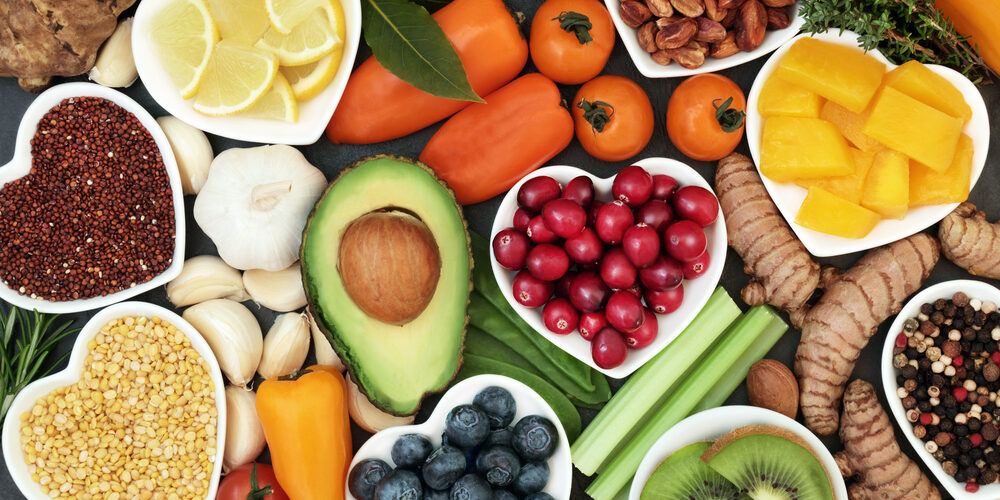
Researchers found that the MIND diet was associated with specific genetic processes involved in memory and cognitive function.
This may suggest that the diet offers particular benefits for brain health.
The DASH diet may benefit heart health
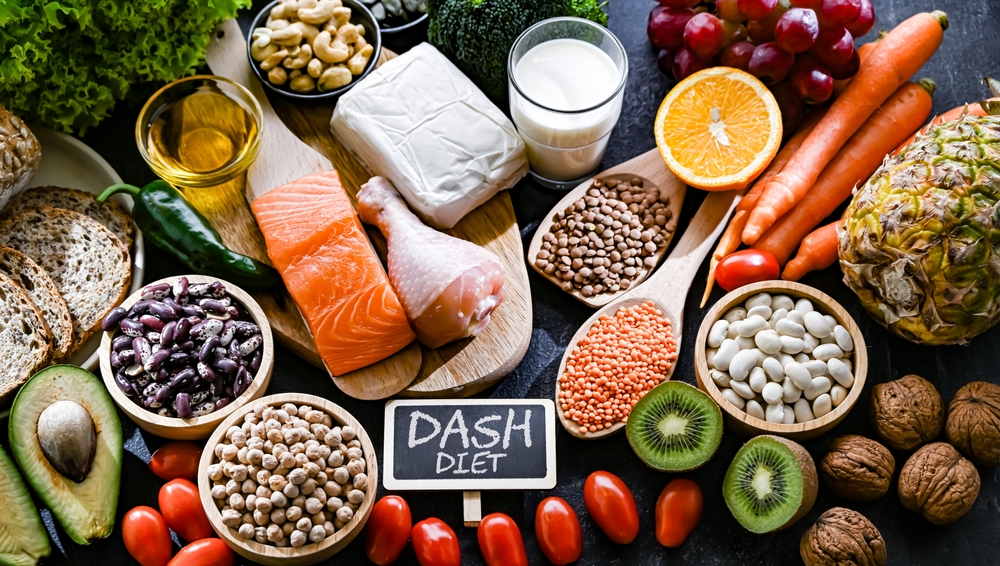
The DASH diet, which was developed with a focus on blood pressure, stood out for its association with genetic processes related to the heart.
This suggests that different dietary patterns may influence different parts of the body.
Limit sugar and salt
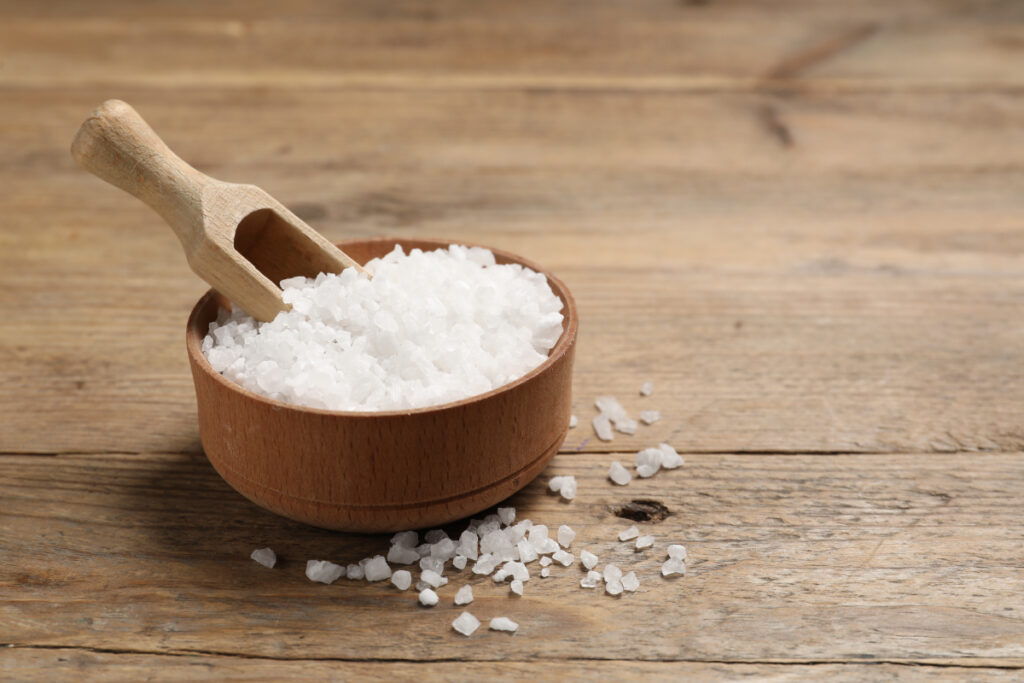
The dietary patterns examined by researchers were generally lower in added sugar and sodium.
Experts therefore emphasize limiting their intake as part of a healthy diet.
Include legumes in your diet
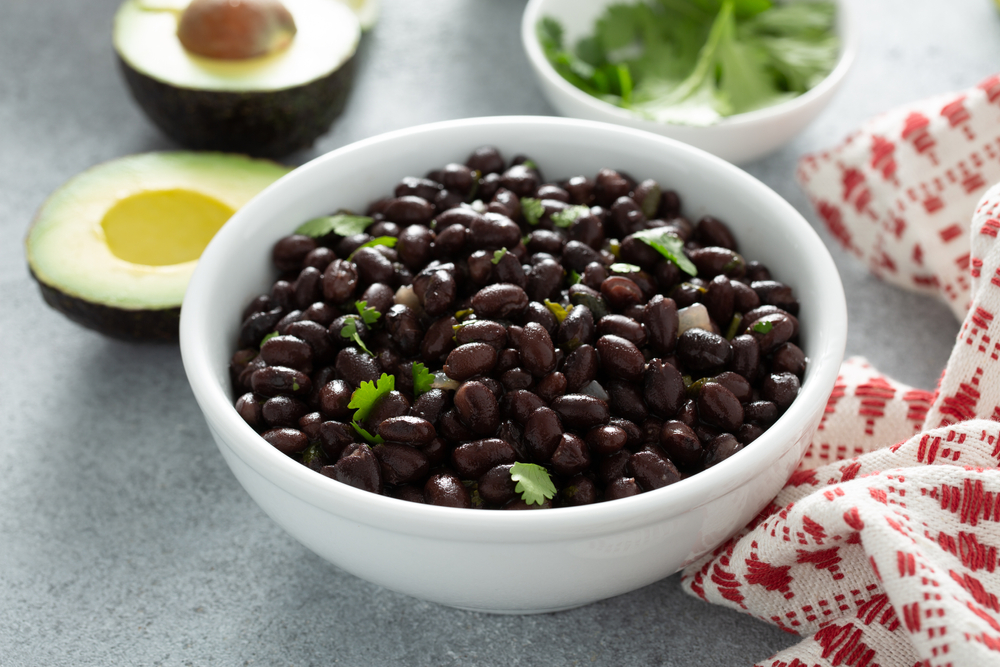
Legumes are another food group commonly found in the healthy dietary patterns examined in the study.
Experts recommend eating more legumes as part of a more plant-based diet.
Make small changes to your meals

If your current eating habits differ significantly from the recommendations, there is no need to change everything at once.
According to Health, dietitian Anne Danahy recommends starting with small adjustments so that new habits gradually become a natural part of everyday life.
Eat fruit or vegetables with every meal
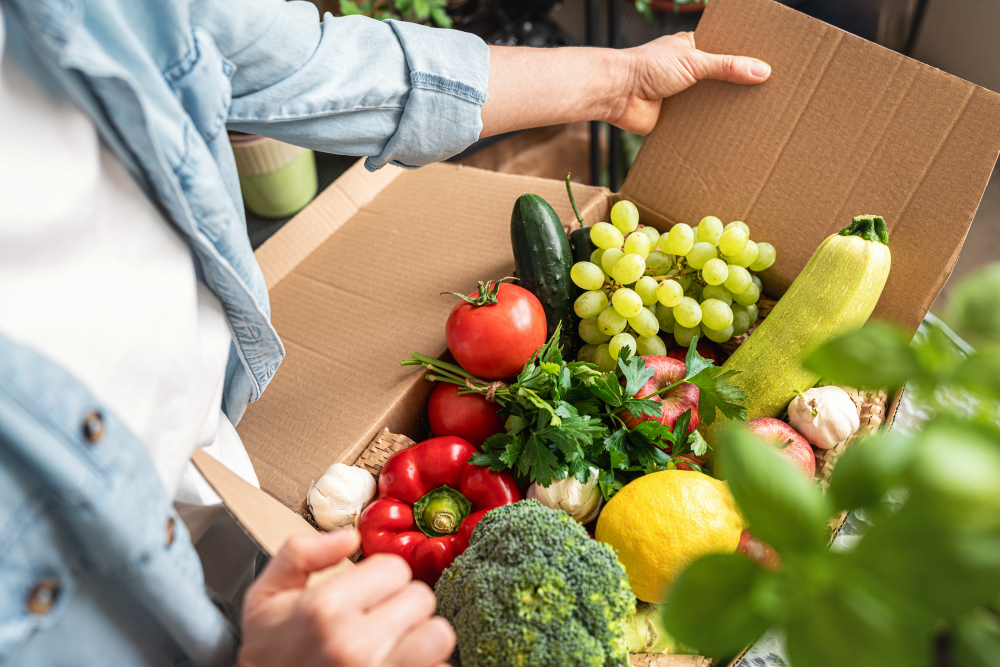
One practical way to improve your diet is to add a serving of fruit or vegetables to both main meals and snacks.
This is one of the experts' suggestions for incorporating more plant-based foods into everyday eating habits.
This article is made and published by Ida-Marie Palm Varbæk, who may have used AI in the preparation.