
Ice cream can be part of a varied diet, but eating large amounts may affect heart health.
Here, dietitians explain to Parade what you should be aware of and which alternatives you can choose.
Problematic ingredients
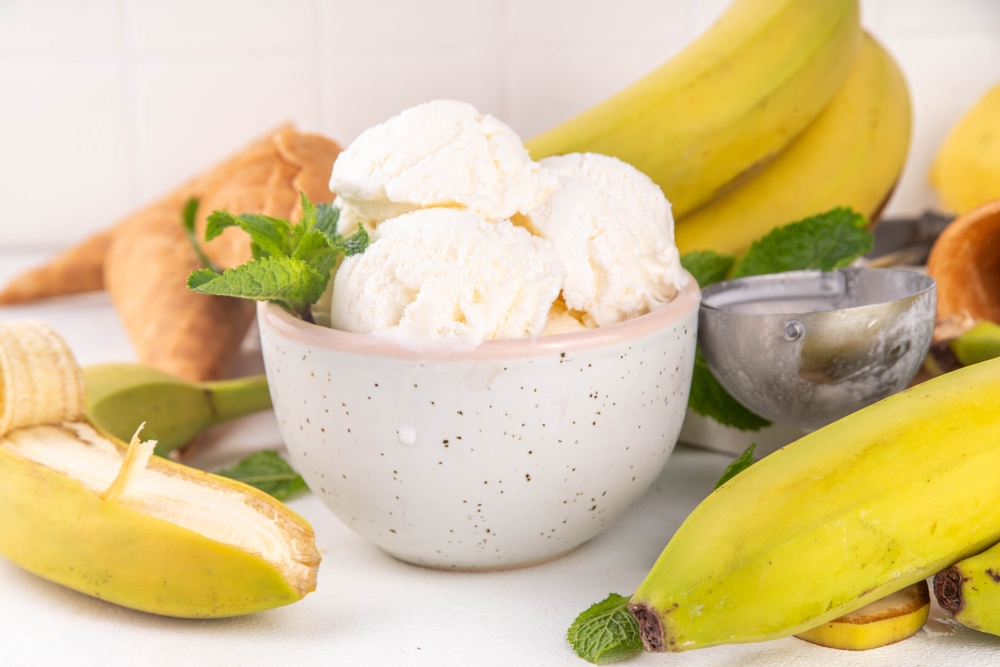
Ice cream is highlighted as one of the worst dairy products for heart health.
This is mainly due to its content of added sugar, saturated fat and calories.
Also read: 7 warning signs of chronic venous insufficiency most people blame on aging
Difficult to limit your intake

According to dietitian Julia Zumpano, ice cream can be difficult to eat in moderation.
Processed foods can stimulate the brain’s reward system and make you want to eat more.
One serving can contain a lot of sugar
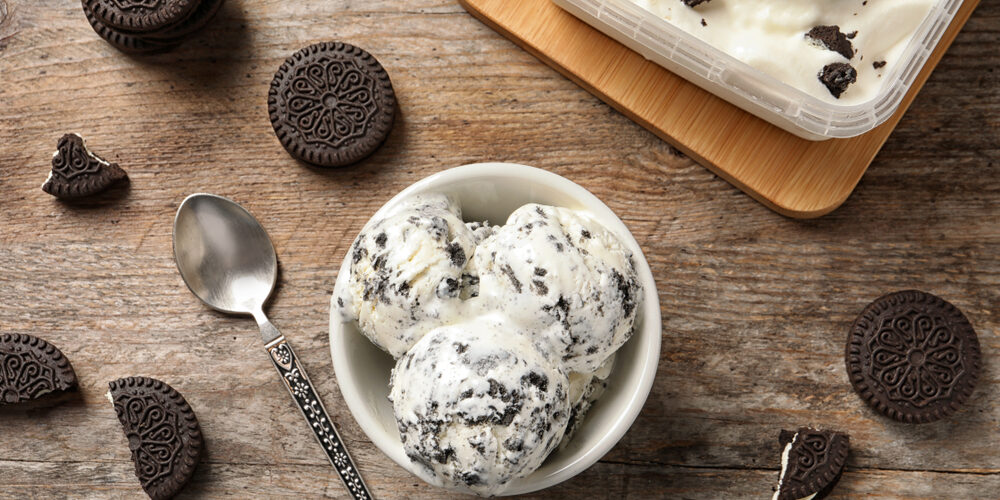
Half a cup of chocolate ice cream can contain more than 20 grams of sugar.
Chocolate sauce, sprinkles and other toppings can increase the amount even further.
Also read: 7 warning signs of mitral valve prolapse most people mistake for anxiety
Sugar can affect cholesterol

Dietitian Destini Moody explains that sugar can contribute to high cholesterol.
One reason is that sugar can promote inflammation in the walls of the arteries.
Saturated fat can put strain on the heart

The cream in ice cream is high in saturated fat. This can increase levels of LDL cholesterol and the protein ApoB in the body.
Plaque buildup in the arteries

Elevated levels of LDL cholesterol and ApoB can contribute to the buildup of plaque in the arteries.
Also read: A simple mouth rinse may detect two cancers before symptoms even appear
This can narrow the blood vessels and increase the risk of a heart attack.
Calorie intake can quickly add up

An entire tub of ice cream can contain more than 800 calories.
With chocolate pieces or small chunks of cookie dough, the calorie content can exceed 1,000 calories.
Excess weight can increase the risk

A high-calorie diet can contribute to excess weight.
Also read: What happens to your body in the 30 days after you stop drinking alcohol
Excess weight can cause chronic inflammation in the body, increasing the risk of heart disease.
Ice cream does not have to be completely off-limits

The dietitians do not necessarily recommend eliminating ice cream from your diet entirely.
A total ban can backfire, so it is better to pay attention to portion size and how often you eat it.
Choose a smaller portion

Routhenstein recommends a serving of around half a cup.
Also read: How eating barley every day may affect your cholesterol, gut and blood sugar
Ice cream can occasionally be part of a balanced diet if you also take the day’s overall saturated fat intake into account.
Try frozen bananas or nice cream

Frozen bananas can be blended with a little milk to create a consistency similar to ice cream.
Nice cream without added sugar can also provide fibre, vitamins and minerals.
Make an alternative with Greek yoghurt
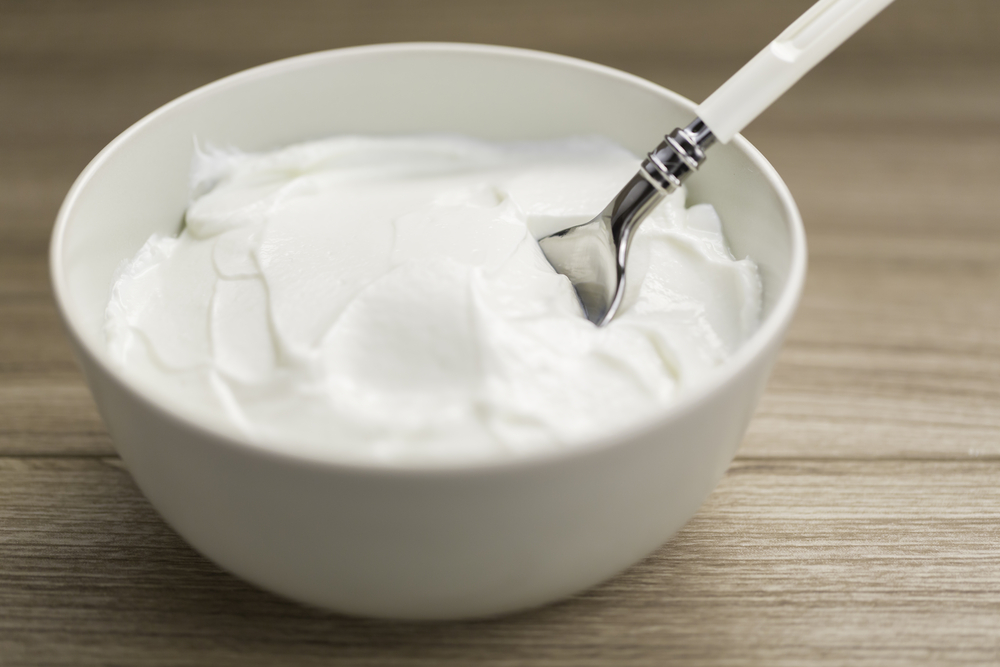
Greek yoghurt can be frozen with blueberries and pistachios.
You can vary the flavour with berries, nuts, seeds, vanilla extract, cocoa powder or a little chocolate.
This article is made and published by Ida-Marie Palm Varbæk, who may have used AI in the preparation.