
Did you know your diet isn’t the only thing that can make your poop smell bad?
Some common dietary supplements may be the hidden culprits behind those unpleasant bathroom experiences.
Here are 10 supplements that could be making your stool stink.
Chondroitin and glucosamine

These popular joint supplements might ease arthritis pain, but they come with a smelly downside.
They contain sulfate, which gut bacteria break down into hydrogen sulfide gas – aka the “rotten egg” smell often associated with foul-smelling poop and gas.
Fish oil

Fish oil and omega-3 supplements are praised for heart health, but they can cause steatorrhea – fatty, greasy stools with a distinctly fishy odor.
When your body can’t absorb the fat, it passes into your stool, giving it a shiny appearance and strong smell.
Garlic

Whether in your meals or supplement form, garlic is full of sulfur-containing compounds like allicin.
These compounds are released when garlic is digested and can lead to smelly poop due to the formation of sulfide gases in your intestines.
Iron

Iron supplements, especially in prenatal vitamins, are essential for preventing anemia.
However, they can make your stool smell metallic or sulfur-like.
Iron often includes sulfide components, and the supplement can also turn your poop dark green or nearly black.
Fat-soluble vitamins (A, D, E, K)

If your body struggles to absorb fat-soluble vitamins, it can result in fatty, pale, and foul-smelling stools – similar to the effects of fish oil.
These vitamins can leave behind unabsorbed fats that change your stool’s consistency and odor.
Combo effects with other foods or supplements

Sometimes it’s not the supplement alone, but how it interacts with other foods or meds.
Foods high in sulfates – like meat, dairy, seafood, and cruciferous vegetables – can amplify the odor, especially when paired with certain supplements.
Changes in gut bacteria
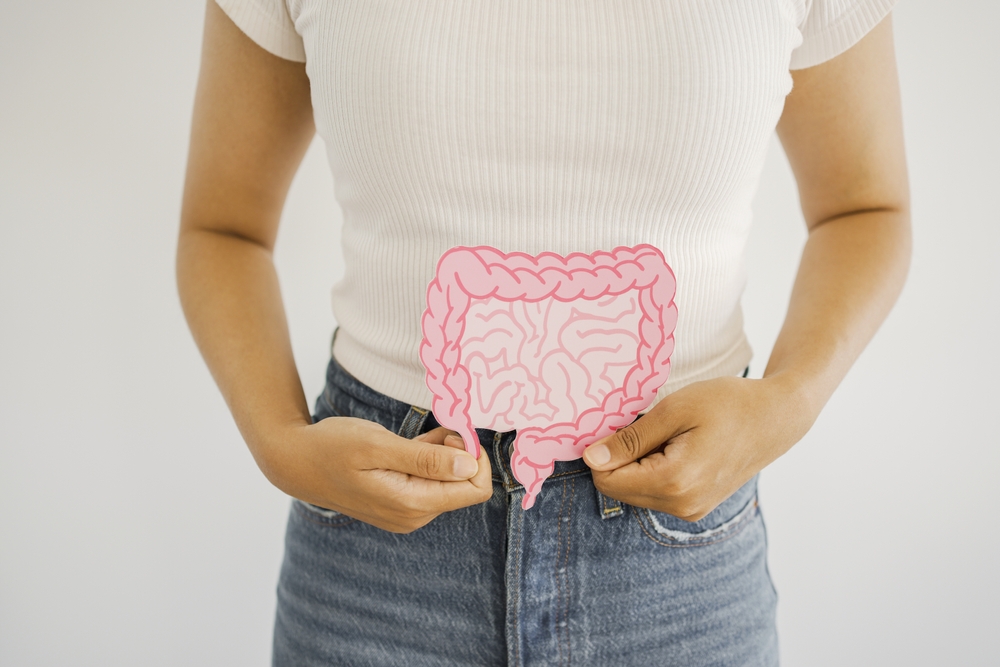
Some supplements can alter your gut microbiome, shifting the balance of good and bad bacteria.
This change can affect digestion and lead to a change in stool odor, often making it much more unpleasant.
Poor nutrient absorption

If a supplement interferes with nutrient absorption, it can cause undigested proteins or fats to pass into your stool.
This not only affects your health but often results in stools with a strong, unpleasant odor.
Other digestive side effects

Smelly poop often doesn’t come alone.
Supplements that mess with your digestion can also cause bloating, diarrhea, gas, stomach pain, and acid reflux – all of which can contribute to foul-smelling bathroom visits.
Smelly body fluids

Some supplements don’t just affect your poop – they can also cause your sweat, urine, and even breath to smell.
If you notice an overall change in body odor, it might be worth looking into your supplement regimen.
This article is based on information from Health.com.
This article is made and published by Ida-Marie Palm Varbæk, who may have used AI in the preparation.