
Maintaining muscle strength becomes more difficult with age. A small study published in the Journal of the International Society of Sports Nutrition suggests that creatine may have an impact on both muscle mass and strength in people aged 45 to 65, according to Health.
Scope of the study

Researchers followed 64 people between the ages of 45 and 65. The study lasted 12 weeks.
Creatine occurs naturally in the body

Creatine is a substance that the body produces naturally. It contributes to the production of ATP, which muscles use for energy when they contract, particularly during short periods of high-intensity activity.
Participants took 10 grams a day

About half of the participants received a placebo, while the rest took 10 grams of creatine monohydrate daily.
Also read: Are lectins in your beans actually harming you? Here's what science says
Creatine monohydrate is described as the most extensively studied and affordable form of creatine.
Some participants exercised three times a week

Some participants in both the creatine and placebo groups followed a specific dietary program. They also exercised three times a week, combining strength training with cardiovascular exercise.
Several different areas were examined
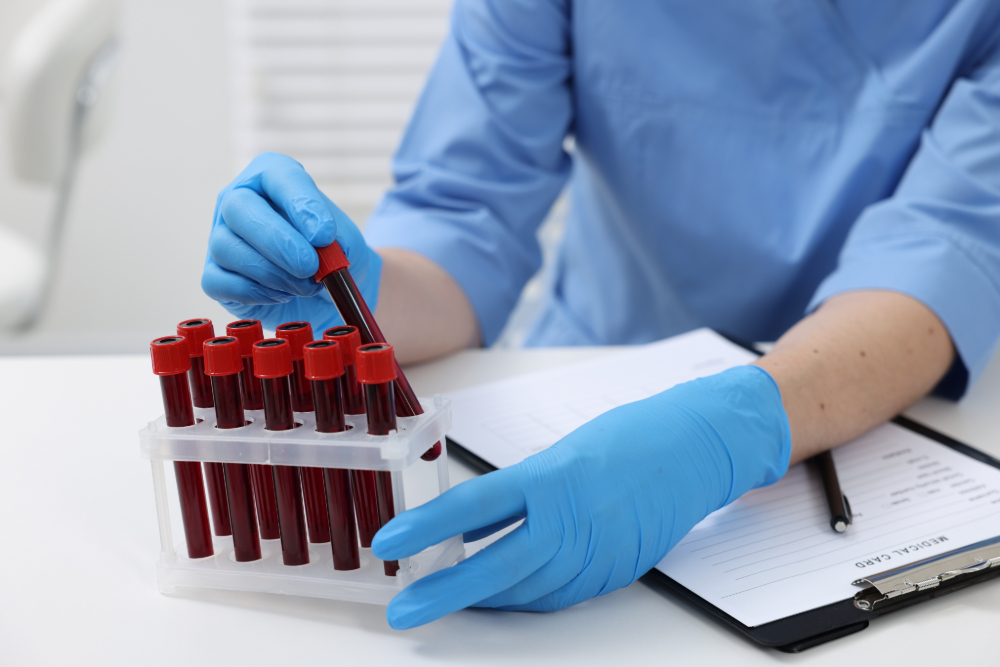
Participants underwent blood tests as well as physical and cognitive assessments. The tests were conducted at the beginning of the study and several times throughout the study period.
Exercise produced the clearest results

Among those who exercised, creatine was associated with improvements in lean mass, muscle strength, and markers of cognitive function compared with placebo.
Also read: A heart attack at 80: A new trial suggests immediate treatment still beats waiting
Body fat percentage decreased more

The researchers also found that participants who both exercised and took creatine experienced a greater reduction in body fat percentage than those who received a placebo.
Improvements without exercise

Participants who took creatine without exercising experienced smaller improvements in lean mass, muscle strength, and cognitive function.
The results therefore suggest that creatine may have an effect even without concurrent exercise.
Increased lean mass does not necessarily mean new muscle

Part of the increase in lean mass may be due to creatine drawing water into muscle cells.
Also read: 7 warning signs of skin cancer that have nothing to do with moles
As a result, an increase in lean mass does not necessarily mean actual muscle growth.
Muscles respond differently with age

Over time, muscles become less responsive to exercise. Hormonal changes, insufficient protein intake, underlying health conditions, and lack of physical activity can also contribute to age-related muscle loss.
Creatine should not replace exercise

Although the study found improvements among people who did not exercise, experts emphasize that creatine should not be used as a substitute for physical activity. The effects were greater among those who also exercised.
Lower doses are common

The study used 10 grams of creatine per day, but for most adults, 3 to 5 grams a day is a common amount.
Also read: Sweet and packed with nutrients: Yet many people walk right past the little yellow fruit
The appropriate dose may depend on factors including body size, goals, diet, and exercise routine.
A loading phase may not be necessary

Some professional athletes use a loading phase of at least 20 grams of creatine per day for five to seven days.
According to Health, consistently taking 3 to 5 grams a day can lead to the same result, although it takes a few weeks longer.
Timing matters less than consistency
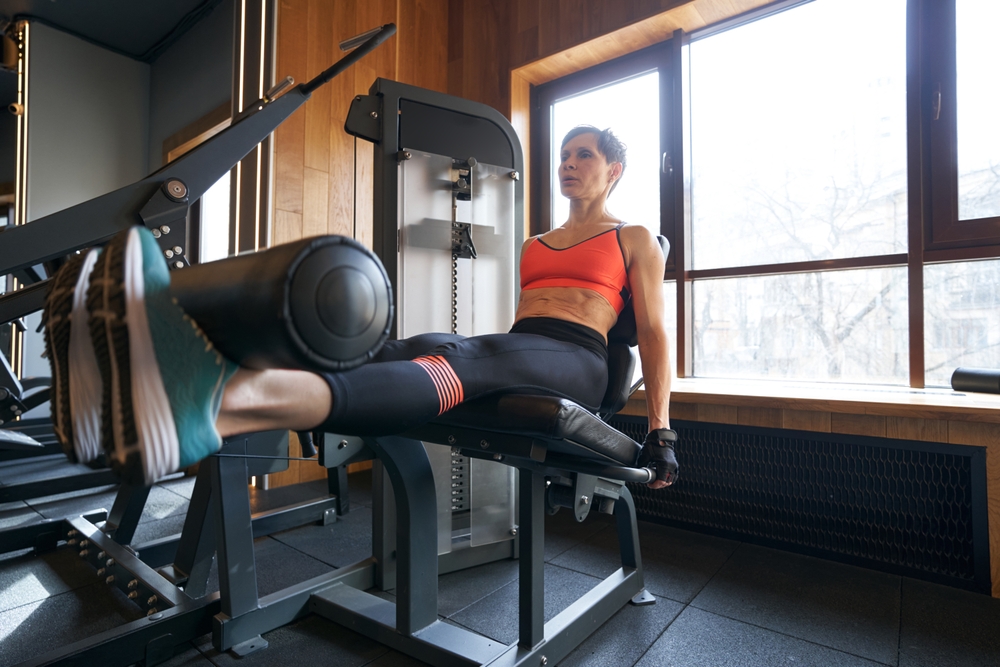
The most important thing is to remember to take creatine consistently. It can therefore be taken before or after exercise or with a meal, depending on when it is easiest to remember.
Also read: Kidney disease can show up in unexpected parts of the body
Diet and sleep also play a role

To get the most out of the effort, creatine should be combined with exercise, sufficient protein, a balanced diet, and adequate sleep.
Creatine can cause side effects

For most people, creatine is described as safe and generally well tolerated. However, some people may experience water retention or gastrointestinal symptoms.
Some people should speak to their doctor first

It is recommended to consult a doctor or other healthcare professional before starting creatine.
This is particularly important for people with kidney or liver disease, those who are pregnant or breastfeeding, and people taking prescription medication.
More research is needed

The researchers emphasize that the study was both small and relatively short. Larger studies conducted over longer periods are therefore needed before the findings can be confirmed.
This article is made and published by Ida-Marie Palm Varbæk, who may have used AI in the preparation.