
Fatigue, swelling and changes in urination can be among the body's early signals of kidney problems. Because kidney disease can develop quietly, some warning signs may easily be mistaken for something else, reports Times of India.
The disease can develop silently

Kidney disease can progress for years without causing obvious symptoms. By the time something feels wrong, the condition may already be advanced. Early signs can also appear elsewhere in the body and seem completely unrelated to the kidneys.
Persistent fatigue can be a warning sign

Unusual tiredness and weakness can occur when kidney function declines. This may be linked to anaemia and a build-up of waste products in the blood.
Watch out for swelling

If the kidneys are no longer able to remove fluid and sodium effectively, excess fluid can accumulate in the body. This can cause swelling in the legs, feet and around the eyes.
Also read: Getting vaccinated against shingles may cut your heart attack risk nearly in half
Urination habits can change

Kidney problems can lead to changes in the amount of urine produced. Some people may urinate more frequently or produce more urine than before, while others may notice a decrease.
Foamy urine can be a sign

Persistent foam in the urine can indicate that protein is being passed into the urine. This can happen when the kidneys' filtering function has been affected.
Blood in the urine should be noticed

Blood in the urine is another possible early sign of kidney problems. It is therefore a change that should not be overlooked.
Itching and dry skin can be linked to the kidneys

Persistent itching and dry skin can occur when kidney function is impaired. However, these symptoms can also have other causes.
Also read: If you have heart disease, your doctor should now be checking your kidneys too
Nausea and loss of appetite can occur

Poor kidney function can be accompanied by nausea and a reduced appetite. These are symptoms that many people would not immediately associate with their kidneys.
Concentration can be affected

Difficulty concentrating is another possible sign associated with poor kidney function. Like the other symptoms, however, it can have several different causes.
Blood pressure and the kidneys affect each other
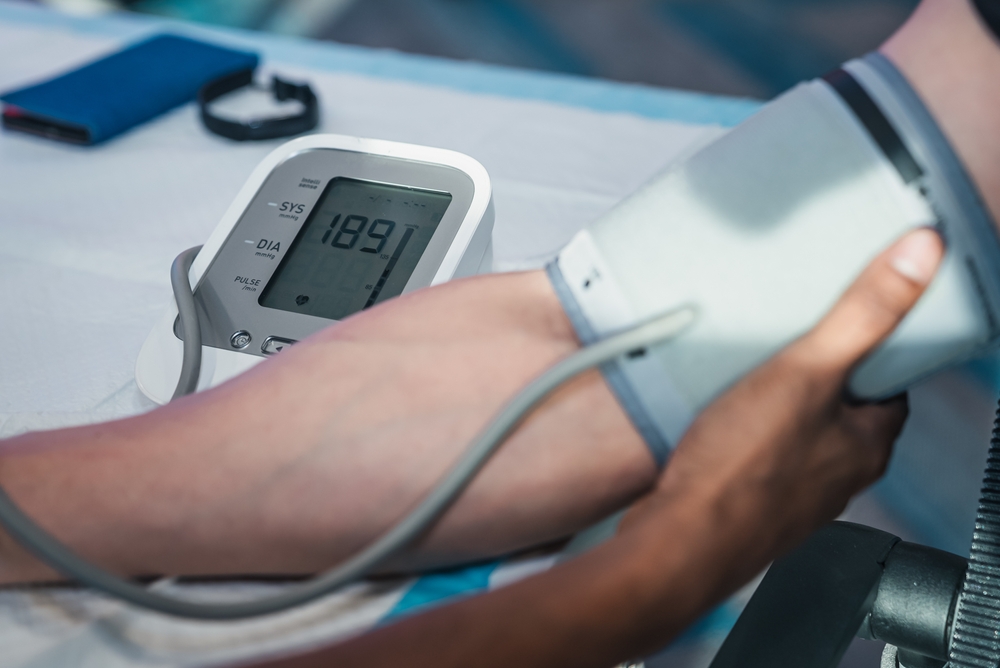
High blood pressure can damage the kidneys, while kidney damage can also contribute to rising blood pressure. The two problems can therefore aggravate each other over time.
Blood and urine tests can reveal early problems

Creatinine and eGFR measurements can help assess how effectively the kidneys are filtering the blood. A UACR test can also detect albumin in the urine, which may indicate kidney damage even when eGFR remains normal.
Also read: AFib is behind 1 in 7 US strokes, and its symptoms often look like everyday fatigue
Some people should be particularly aware
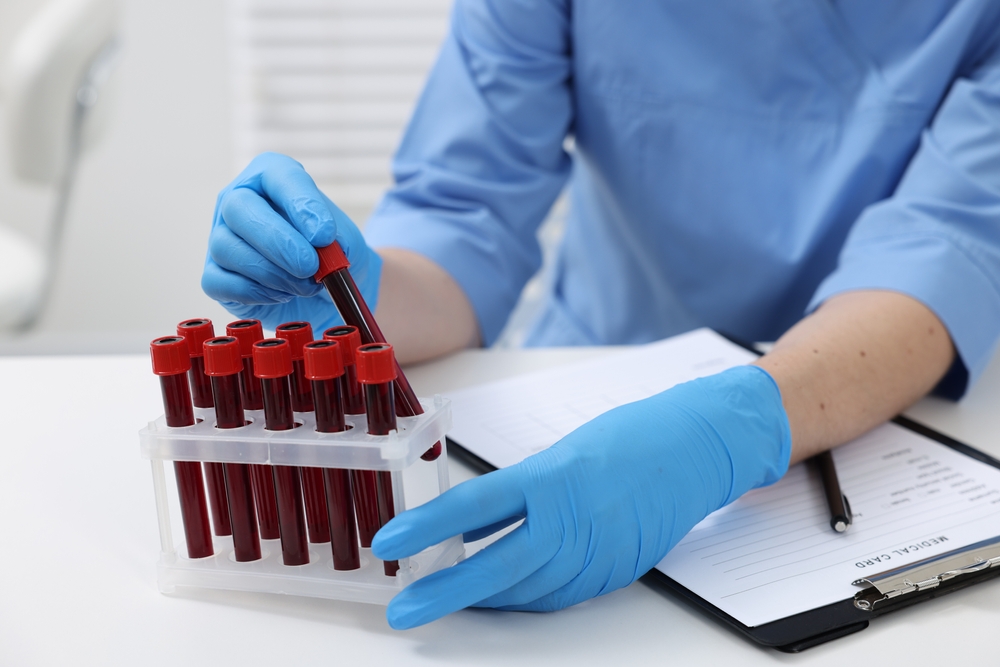
People with diabetes, high blood pressure or heart disease, as well as those with a family history of kidney disease, should speak to their doctor about screening. The symptoms alone do not prove that someone has kidney disease, but several signs occurring together may warrant medical assessment.
Also read: Healthy body fat percentage by age and sex: what your number actually means
This article is made and published by Mie Hermansen, who may have used AI in the preparation.