
Even a short period without alcohol can affect several areas of the body. Research has found measurable changes involving sleep, hydration, weight, liver health and blood pressure, reports Men's Fitness.
Your body may respond sooner than expected

Even a short break from alcohol can lead to measurable changes in the body. The effects are not necessarily immediate, however, and can depend on how much and how often you normally drink.
Your hydration may improve
Alcohol has a diuretic effect and increases fluid loss through urination. Removing alcohol therefore eliminates one of the factors that can contribute to dehydration.
Better hydration may reduce certain symptoms

When the body is better able to maintain its fluid balance, problems associated with dehydration may become less noticeable. These can include dehydration related headaches.
Also read: 8 everyday foods that research links to lower inflammation in your body
Hydration can be particularly important when exercising
For people who train hard or sweat heavily, avoiding alcohol can help remove a factor that contributes to dehydration. It is still important to drink according to thirst and pay attention to hydration around exercise.
Alcohol can affect the quality of your sleep

Although alcohol may make it easier to fall asleep, it can disrupt the normal structure of sleep. This includes REM sleep, which can be reduced by alcohol consumption.
Sleep may improve after an adjustment period
Research has found that REM sleep can increase after alcohol is discontinued. The first few nights without alcohol may not necessarily be better, particularly if the body is accustomed to regular alcohol consumption.
Your calorie intake may decrease
Alcohol provides calories without much nutritional value. Removing alcoholic drinks from your routine can therefore reduce your overall calorie intake without requiring other dietary changes.
Also read: Nearly half of Americans are low on magnesium: These 12 foods fix that
Your food choices may change too

Alcohol consumption is also associated with less healthy food choices and reduced motivation to exercise. Taking a break can therefore affect more than just the calories contained in alcoholic drinks.
Your weight may decrease over several weeks
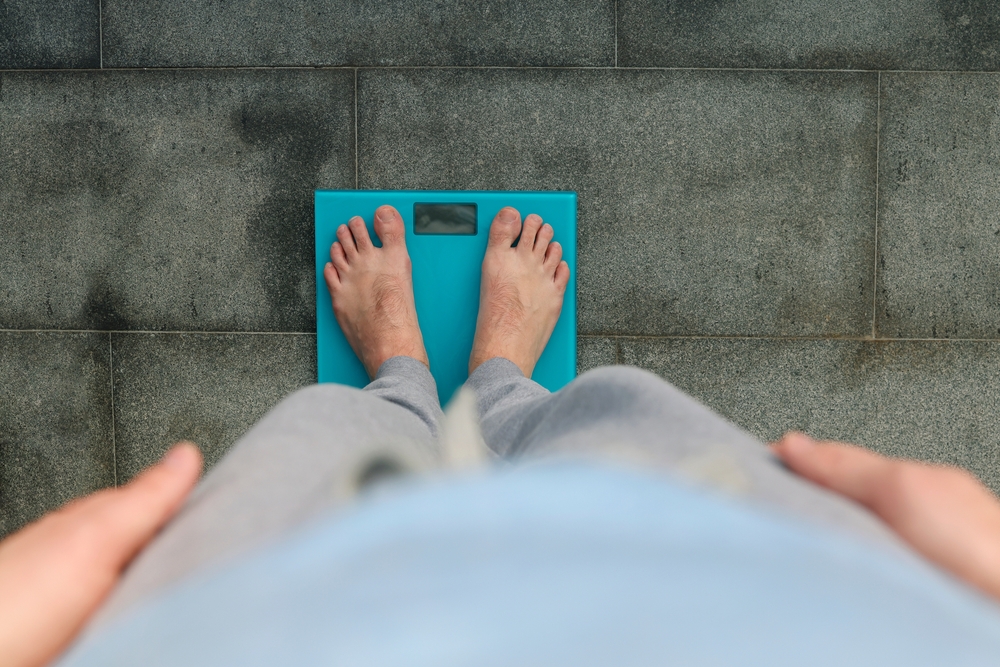
In a UCL study, participants who avoided alcohol for a month lost around two to three kilograms on average. Researchers also observed improvements in blood pressure.
Your liver has less alcohol to process
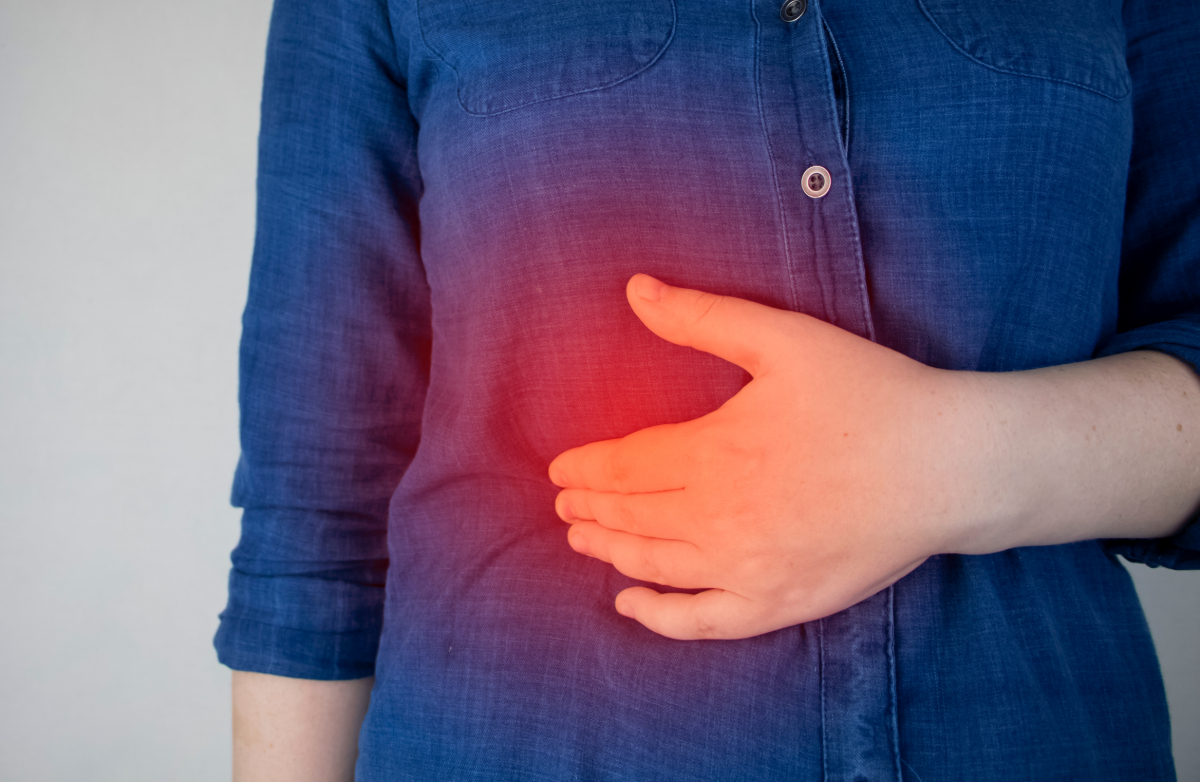
The liver is responsible for processing alcohol, and regular drinking can contribute to fat accumulating in the organ. Removing alcohol reduces this burden and can lead to measurable changes.
Liver fat can decrease significantly
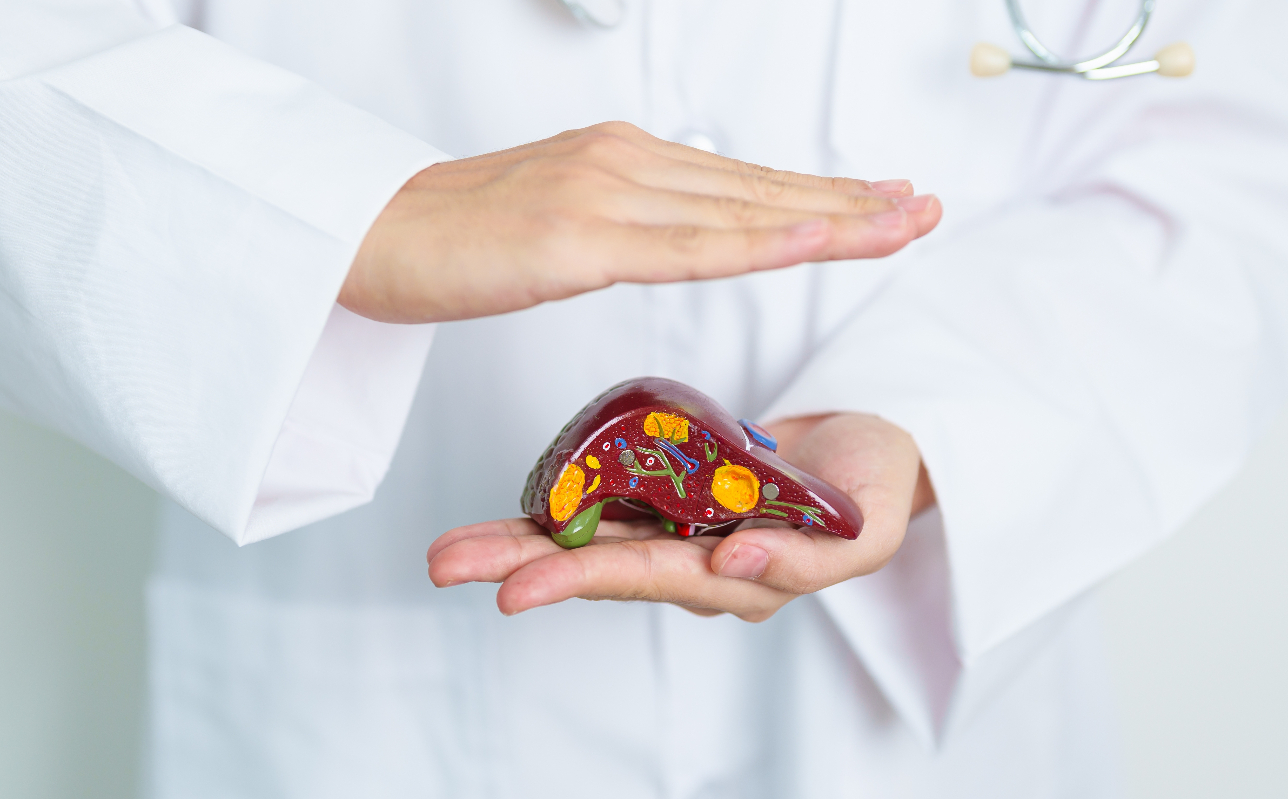
UCL research found that liver fat fell by at least 15 percent after around a month without alcohol, with reductions approaching 20 percent in some participants. Other research has also found improvements in liver enzymes after one month of abstinence.
Also read: You lose up to 5% of your muscle per decade - here's what slows it
Stopping suddenly is not safe for everyone

People who are physically dependent on alcohol should not stop drinking abruptly without medical advice. Withdrawal can cause an increase in blood pressure and heart rate, and severe cases can involve seizures or delirium tremens.
Also read: Popular sweetener linked to higher heart risk
This article is made and published by Mie Hermansen, who may have used AI in the preparation.