
Meat is a common source of protein, iron, and vitamin B12, but not all types of meat have the same nutritional profile. From fat content and processing to cooking methods and portion choices, several factors can influence how meat fits into a heart-healthy diet. Here are some of the key things to consider when choosing and preparing meat, reports EatingWell.
Meat isn’t just meat
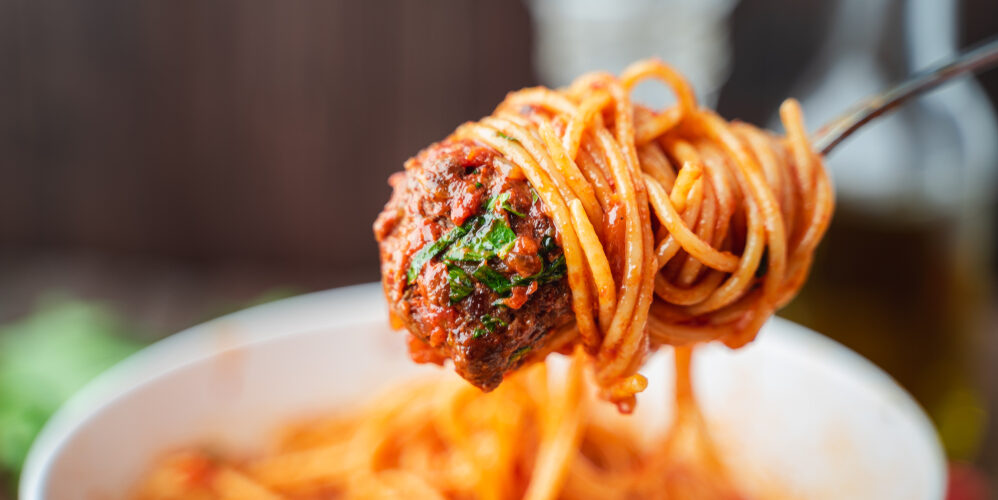
Beef, pork, chicken, and turkey can have different nutritional properties, but the type of animal does not tell the whole story. According to the nutrition experts featured in the article, factors such as fat content and the degree of processing should also be taken into account.
The heart needs protein too
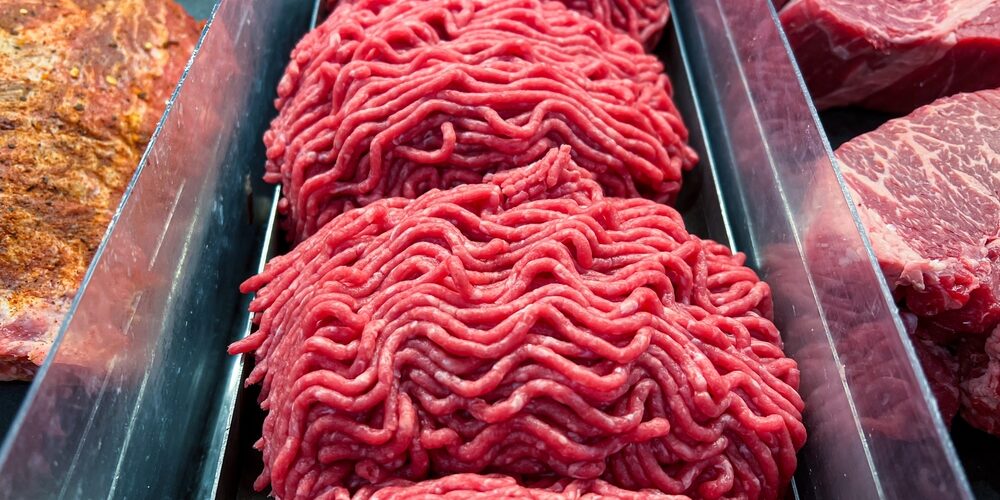
Protein is essential for the body’s cells, including when they need to be replaced and repaired. Meat can be a significant source of protein, but the body can obtain the protein it needs from both animal and plant-based foods, or from a combination of the two.
Red meat can affect cholesterol
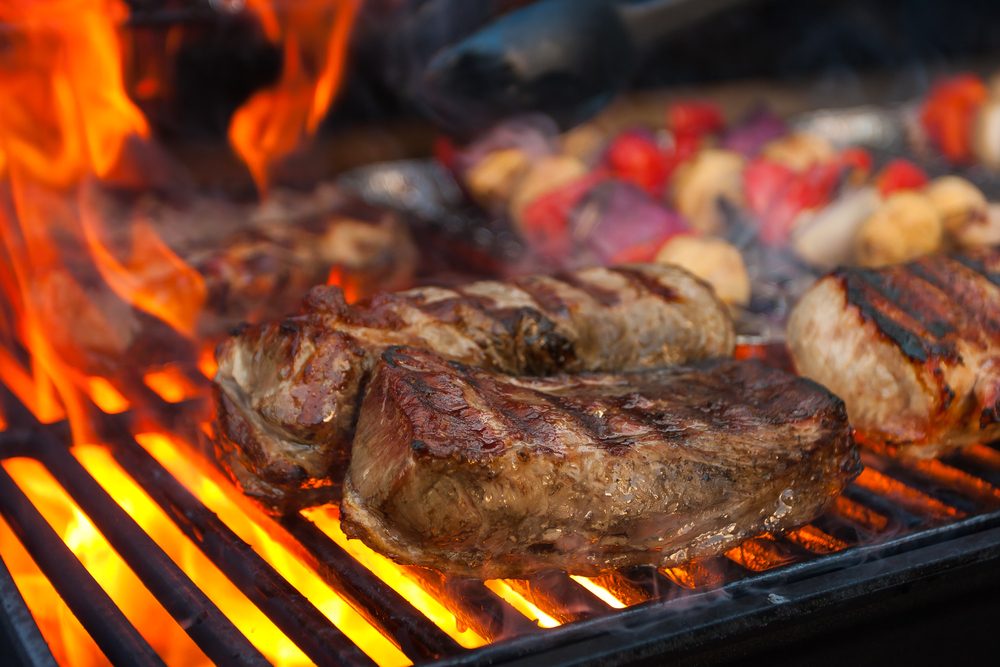
Cuts of red meat that are high in saturated fat and cholesterol can contribute to higher levels of LDL cholesterol. Elevated LDL cholesterol is associated with an increased risk of heart disease. Pork can also contain significant amounts of saturated fat, depending on the cut.
Also read: Nearly 1 in 6 children on weight loss drugs developed a nutritional deficiency within a year
Deli meats and sausages require extra attention

Processed meats such as bacon, hot dogs, sausages, and various types of deli meat can contain added sodium and fat. A high sodium intake can raise blood pressure, which is a risk factor for cardiovascular disease.
A turkey label is no guarantee

Just because a processed product is made from turkey or chicken does not automatically mean it is a better choice. Turkey sausages and processed turkey deli meats can still contain significant amounts of sodium and other additives. It is therefore recommended to compare the sodium and saturated fat content on nutrition labels.
Gut bacteria also play a role
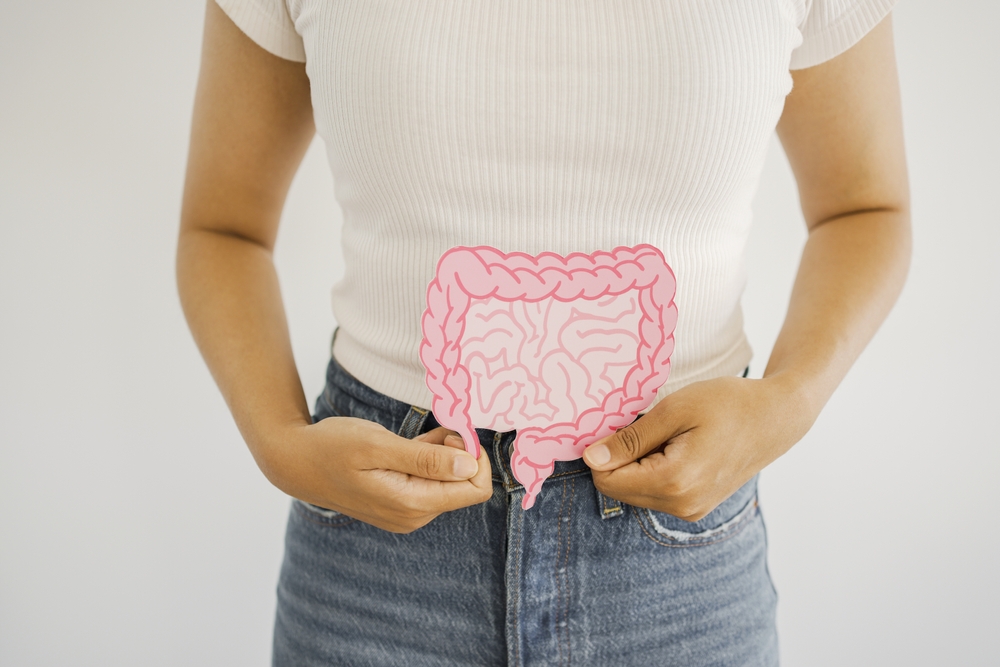
When foods including animal protein are consumed regularly, bacteria in the gut can contribute to the production of TMAO. Higher levels of this substance in the blood have been associated with an increased risk of cardiovascular disease. However, researchers are still investigating the exact relationship.
More plants can change the composition of your diet
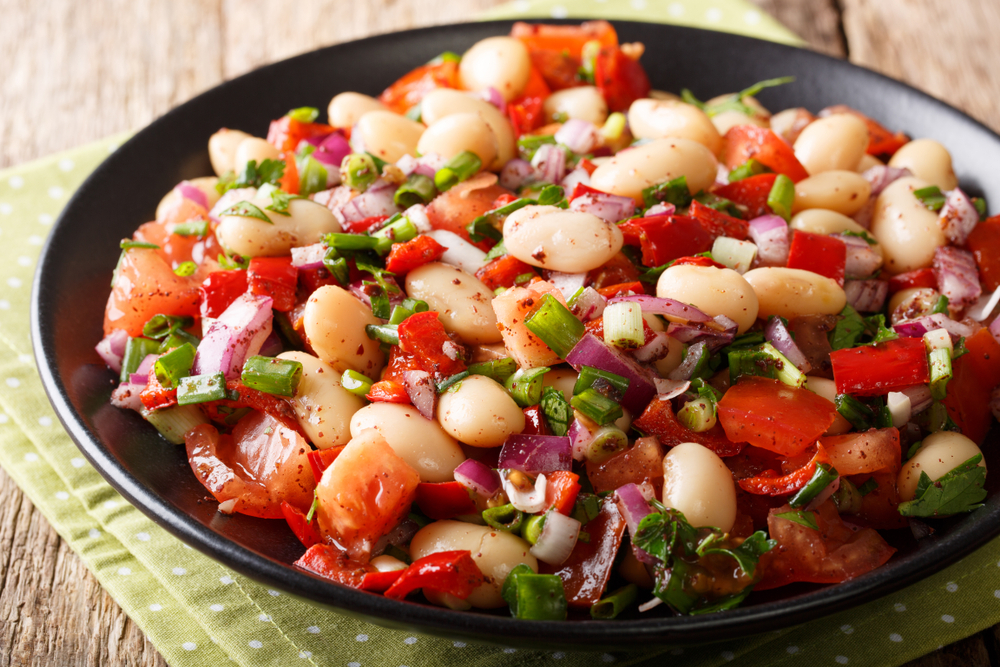
Beans, lentils, tofu, nuts, and seeds can be used to replace some of the meat in the diet. They are naturally low in saturated fat while also providing fiber. Fiber-rich foods such as vegetables, fruit, whole grains, and legumes also help support a healthy gut microbiome.
Also read: 7 supplements to avoid if you take an SSRI
Iron from meat is more easily absorbed
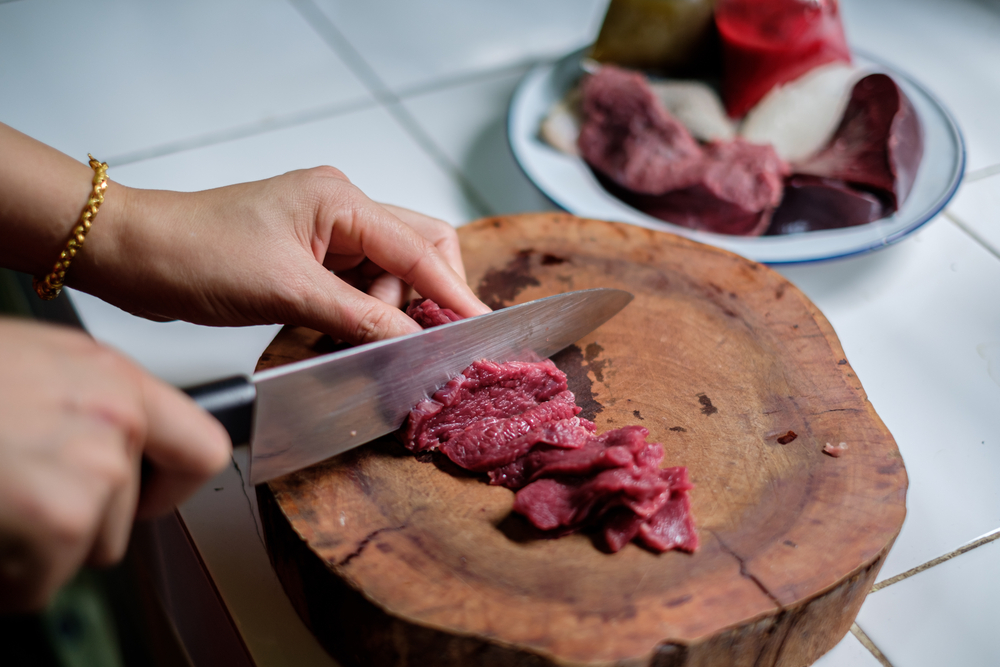
Meat provides heme iron, which is more easily absorbed by the body than the type of iron found in plants. Iron is essential for transporting oxygen throughout the body. Heme iron may be particularly relevant for people who are at increased risk of iron deficiency.
Vitamin B12 is another nutrient provided by meat
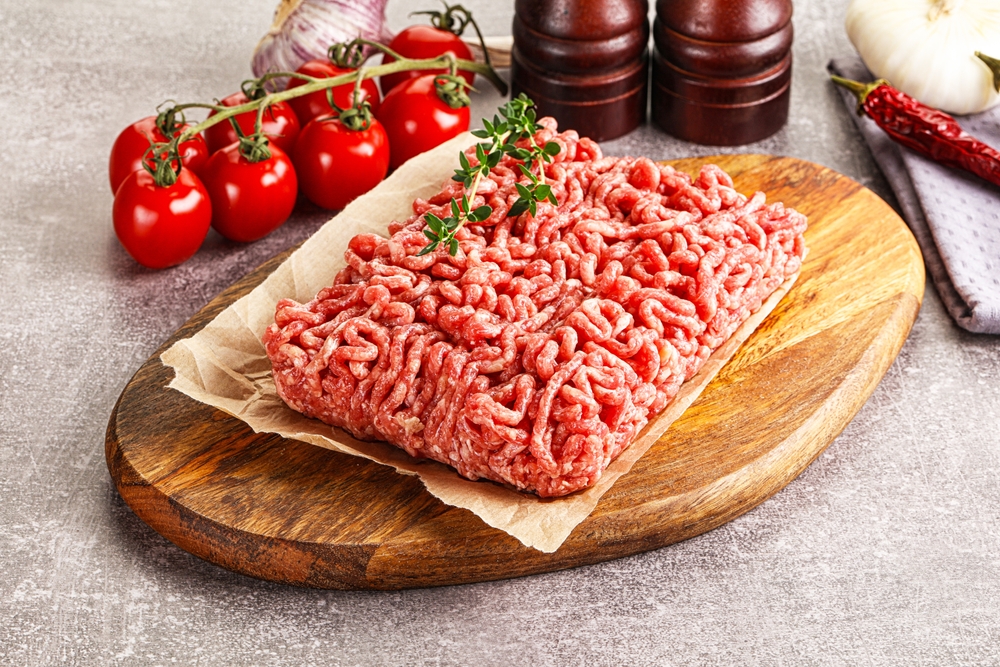
Animal-based foods such as meat and dairy products contain vitamin B12. Among other functions, the vitamin plays a role in muscle contractions. Inadequate B12 intake has been associated with conditions including obesity and abnormalities in blood lipid levels.
Lean cuts can make a difference

Lean, unprocessed red meat can be part of a healthy diet alongside foods such as vegetables, whole grains, and legumes. Visible fat can be removed before cooking or serving, and excess fat from ground beef can be drained after cooking.
Meat can be combined with plant protein
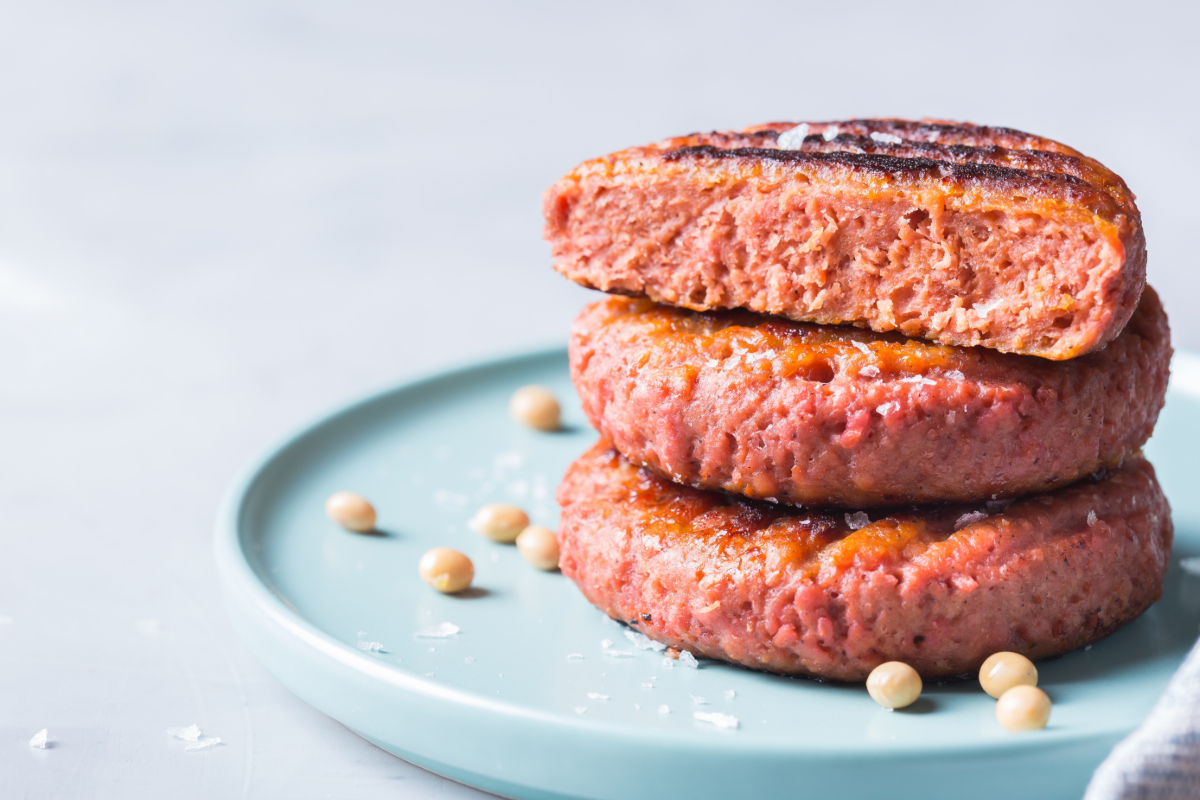
It does not always have to be a choice between meat and plants. The article suggests, for example, combining pork with lentils or ground beef with black beans in chili. Mushrooms can also be mixed with ground beef when making burgers.
Also read: Women with endometriosis face a 46% higher risk of type 2 diabetes, even before menopause
Cooking methods can change the overall meal

Grilling, roasting, broiling, and using an air fryer can add flavor without necessarily adding extra sodium or saturated fat. Herbs, spices, and marinades can also be used to enhance flavor. Deep-frying and adding extra saturated fat, on the other hand, should be limited.
Also read: Why you should avoid taking ibuprofen on an empty stomach
This article is made and published by Mie Hermansen, who may have used AI in the preparation.