
Giving birth is only the beginning of the body’s physical adjustment. In the following weeks and months, changing hormone levels and the recovery from pregnancy can produce some unexpected effects, reports Parents.
Sweating can become much more noticeable
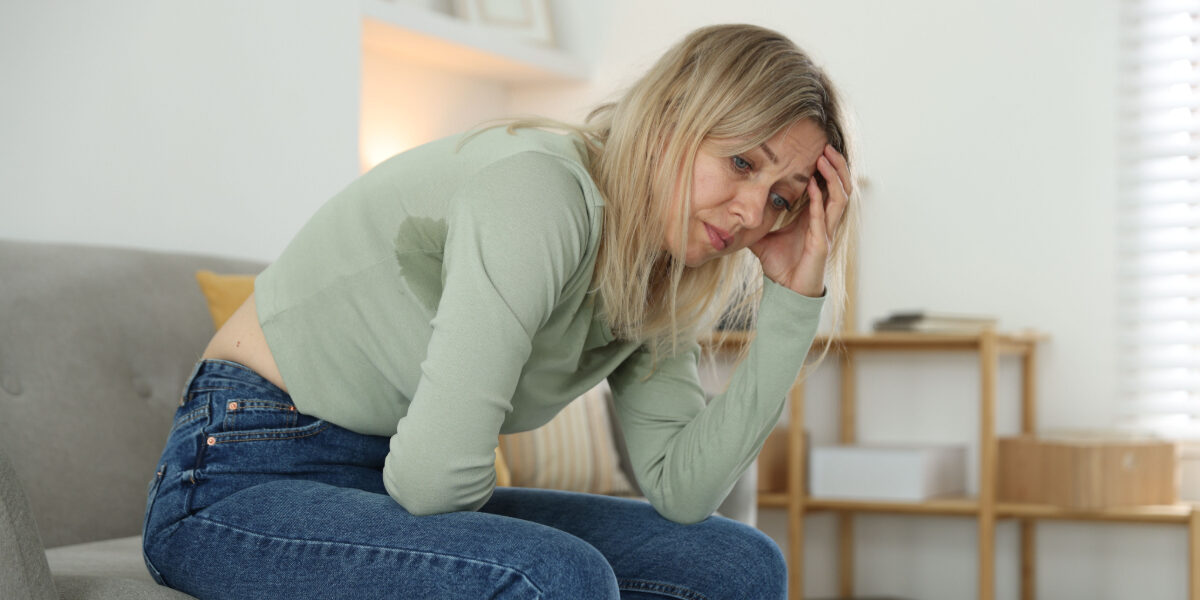
Waking up drenched can become a regular occurrence after childbirth. Falling estrogen and progesterone levels are partly responsible, while sweating also helps the body remove fluid retained during pregnancy. This can continue for up to two months and sometimes longer when breastfeeding. Staying hydrated and sleeping on a towel can make the experience easier to manage.
Your shoes may suddenly feel too small
Extra fluid does not disappear immediately after pregnancy. Fluids administered through an IV during labor can add to the problem, leaving the legs and feet noticeably swollen. The swelling can increase during the first one or two weeks before the body gradually removes the excess fluid through sweating and urination. Drinking water and raising the legs can help.
Laughing or sneezing may cause leaks
The pelvic floor and nearby nerves have been under considerable pressure during pregnancy and vaginal delivery. One possible consequence is urine leakage when coughing, sneezing, or laughing. Mild problems often improve over the following weeks or months. Pelvic floor exercises and physical therapy can be useful when symptoms are more pronounced.
Also read: Menopause supplements examined: Cheaper alternatives may offer more
Hair loss can appear months later
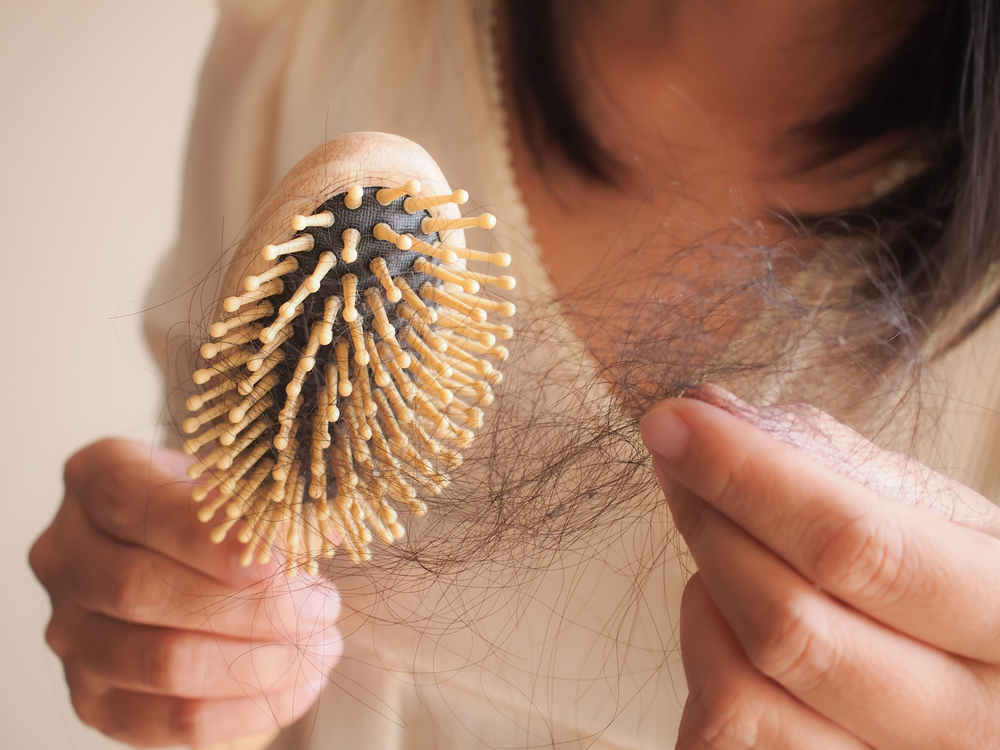
Not every postpartum change happens immediately. Increased hair shedding may begin several months after childbirth and can continue for weeks or months. Hormonal changes are one reason, although thyroid problems and bleeding associated with childbirth can make the problem worse. Continuing prenatal vitamins is recommended, while persistent or worsening hair loss should be discussed with an OB GYN.
Strange movements may still be felt in your belly
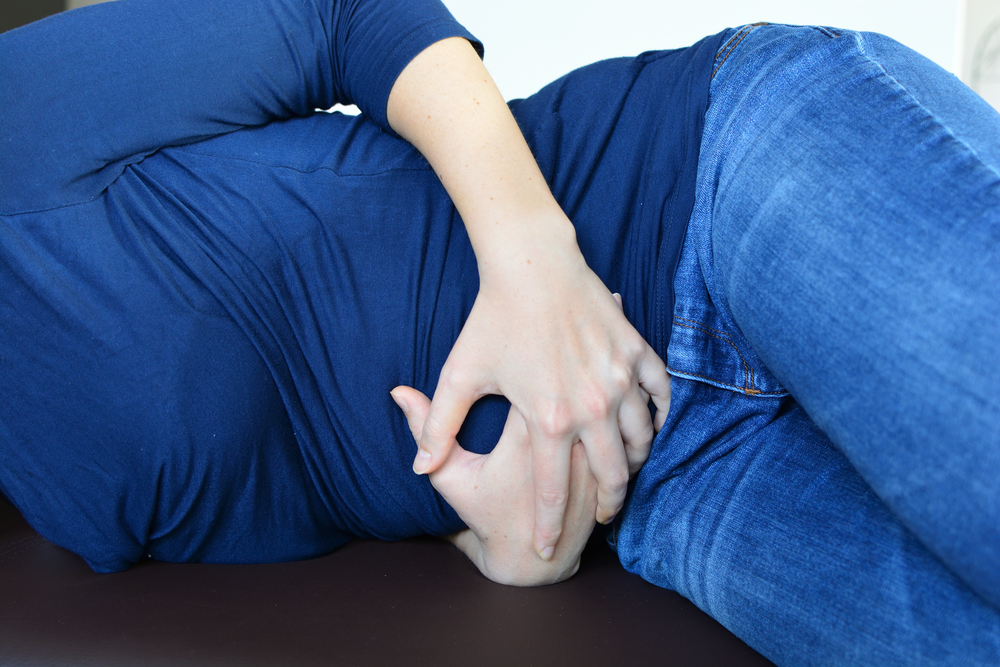
Sensations resembling a baby kicking can continue even after pregnancy has ended. The brain and body have become familiar with fetal movement, which means ordinary digestive activity may sometimes be interpreted in the same way. Gas moving through the intestines can produce a similar sensation. These so called phantom kicks can be experienced for several months.
Cramps do not necessarily end with delivery
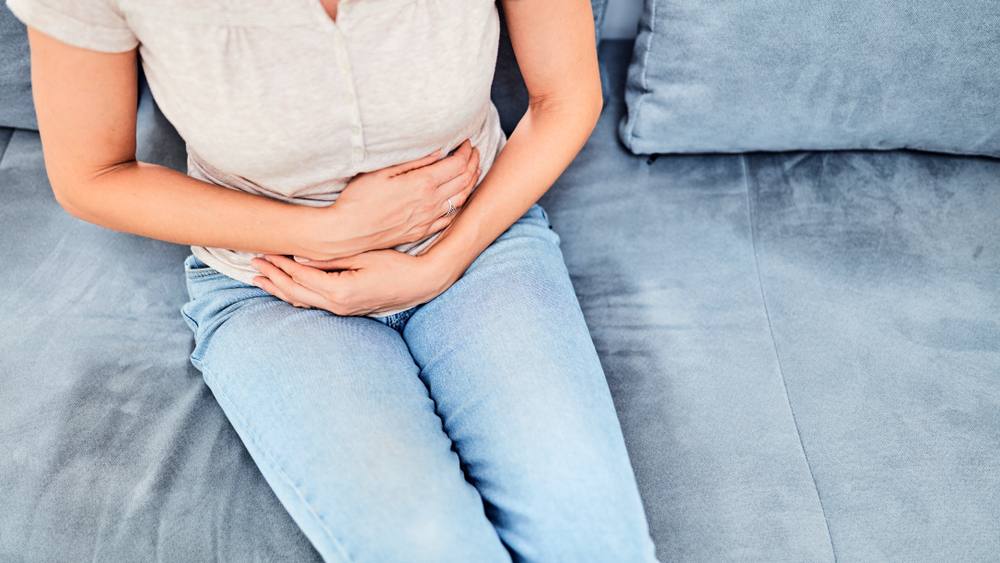
Contraction like pain can continue after the baby arrives. Oxytocin encourages the uterus to contract and gradually return to its usual size, and these cramps can become especially noticeable during breastfeeding. For most women, the discomfort improves considerably within about a week.
Simple measures may ease afterpains
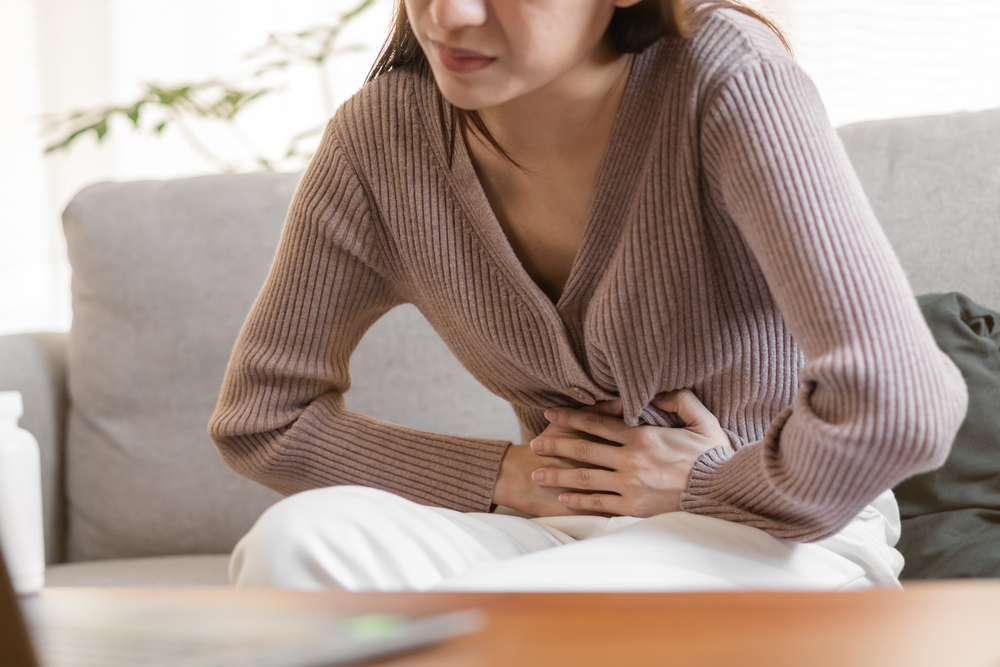
Heat can provide relief when postpartum cramping becomes uncomfortable. Drinking enough water and regularly emptying the bladder may also help. Over the counter pain medication can be used as directed.
Also read: Pregnant while on Ozempic or Wegovy? Here is what the evidence says
Shaking can happen shortly after birth
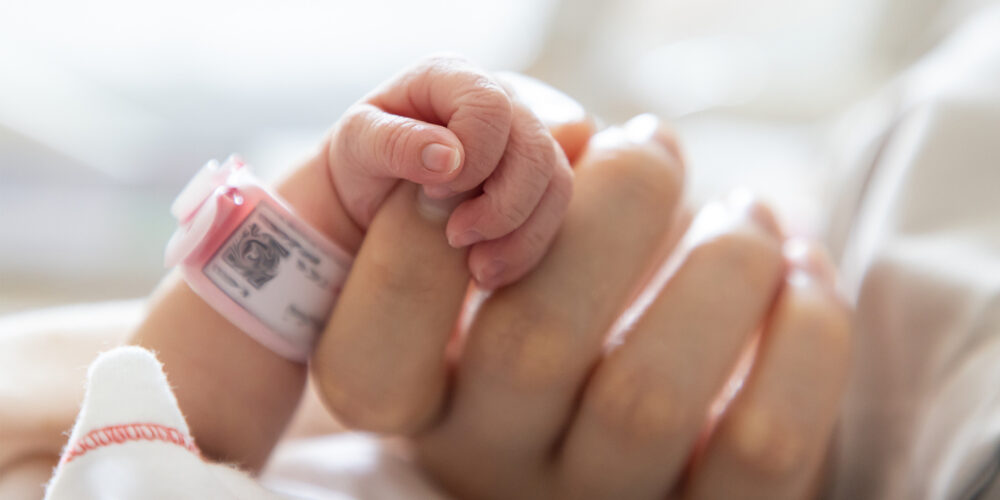
Some women experience pronounced chills or shaking around the time of delivery. The reaction can be strong enough to make the teeth chatter or the voice tremble. Rapid hormonal changes involving estrogen, oxytocin, and adrenaline are possible explanations, along with changes in the body’s fluid levels.
The trembling usually passes quickly
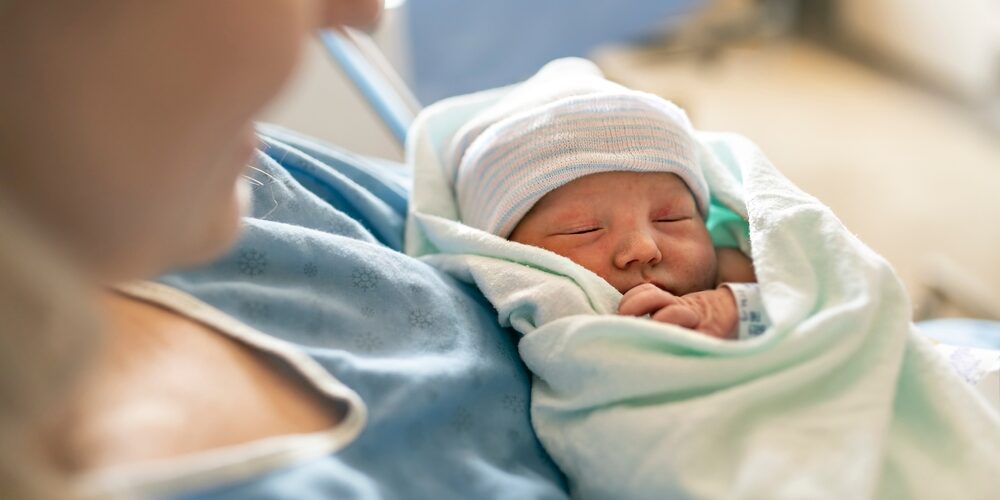
Although postpartum shaking can feel alarming, it generally becomes less intense within a few hours of delivery. Skin to skin contact with the newborn may help ease the reaction in some cases.
Worry can become difficult to control
Postpartum anxiety can involve much more than ordinary concerns about caring for a newborn. Intrusive thoughts, vivid dreams, nighttime panic, loss of appetite, nausea, insomnia, and increased anxiety can occur. Hormonal changes and lack of sleep may contribute. Rest and support are important, and medical help is recommended when symptoms become persistent or difficult to manage.
Your natural scent may change
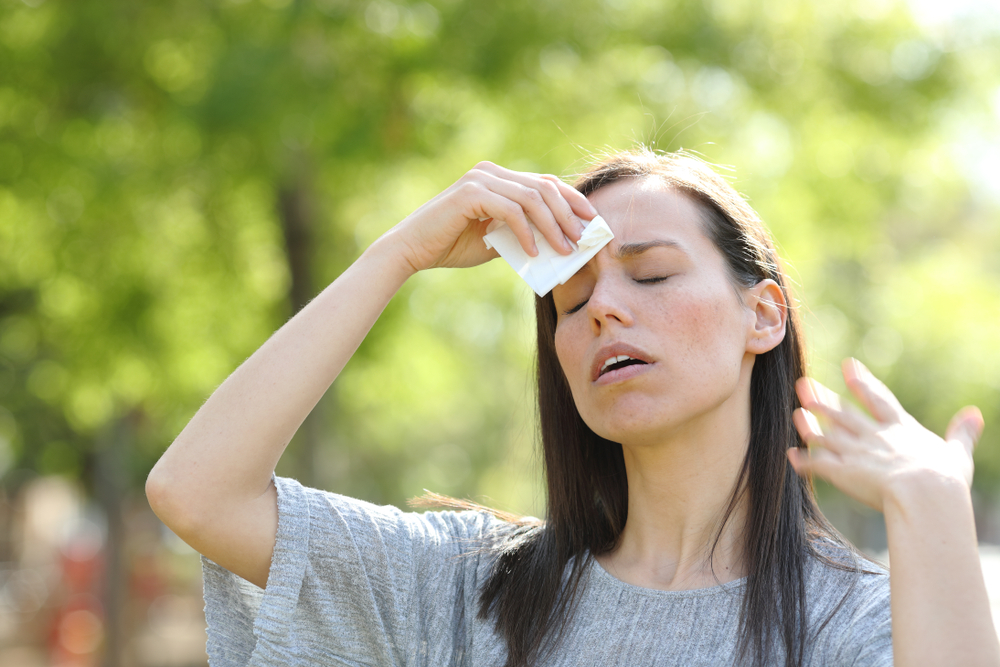
A stronger body odor can accompany the postpartum period. Changes in hormone levels, increased vaginal discharge, and breast milk production can all contribute. The change generally subsides within six to eight weeks. Drinking enough water, eating a balanced diet with fewer processed foods and less caffeine, and showering when possible are among the measures that may help.
Also read: How to keep ripe avocados fresh for longer
Recovery can continue for months
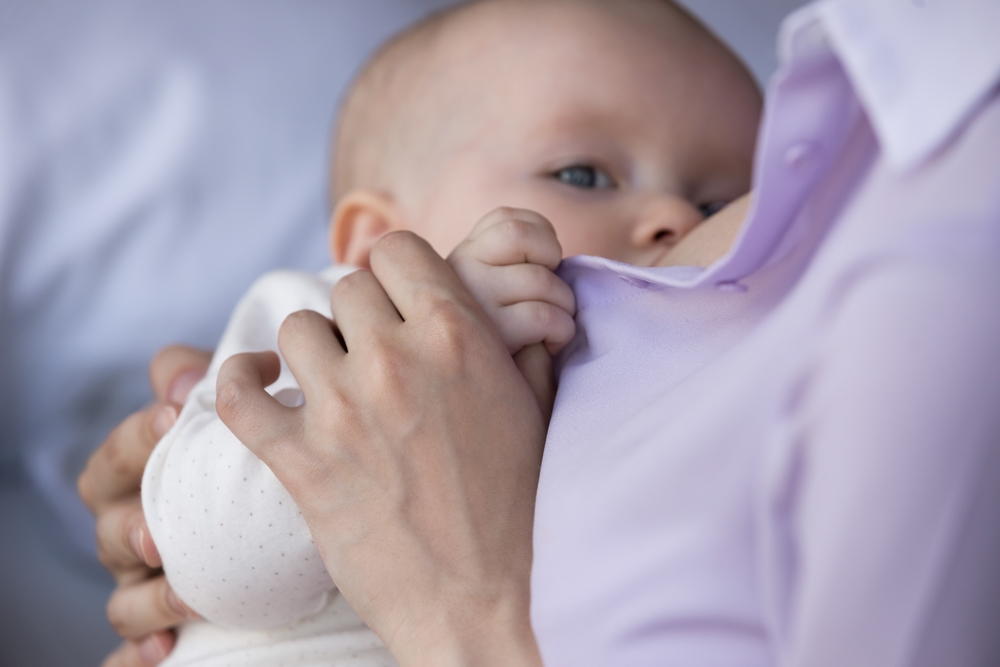
Postpartum recovery is not limited to the first few days after delivery. While symptoms such as shaking may disappear within hours and afterpains often improve within a week, other changes can remain for weeks or months. Night sweats, hair loss, pelvic floor problems, and phantom kicks are among the effects that can take longer to resolve.
Also read: Just one wall sit session a week may hold your blood pressure gains for weeks
This article is made and published by Mie Hermansen, who may have used AI in the preparation.