
Protein and fiber both play an important role in a varied diet, but getting enough of both can be difficult in a busy everyday routine.
Dietitian Jared Meacham highlights a number of simple principles that can make it easier to include both throughout the day, according to Healthline.
Build your meals around protein and fiber
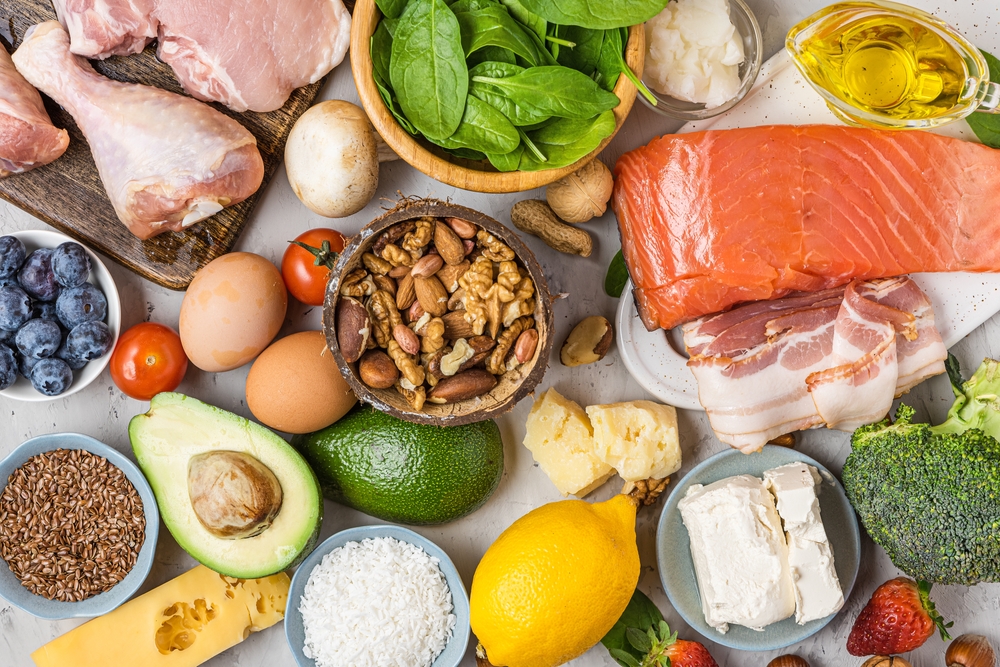
Instead of focusing on specific numbers, you can build your meals around a source of protein and a fiber-rich plant-based food.
Portion sizes can be adjusted according to appetite, activity level, and individual needs.
Also read: This type of breast tissue is linked to a higher risk of breast cancer
Spread protein throughout the day

Meacham eats protein several times throughout the day rather than consuming most of it in a single meal.
The point is not to copy the amounts he eats, but to include protein consistently in meals throughout the day.
Do the same with fiber

Fiber can also be spread throughout the day. Fruit or whole grains earlier in the day, along with beans and vegetables at lunch, can help gradually increase your intake.
Keep reliable protein sources on hand
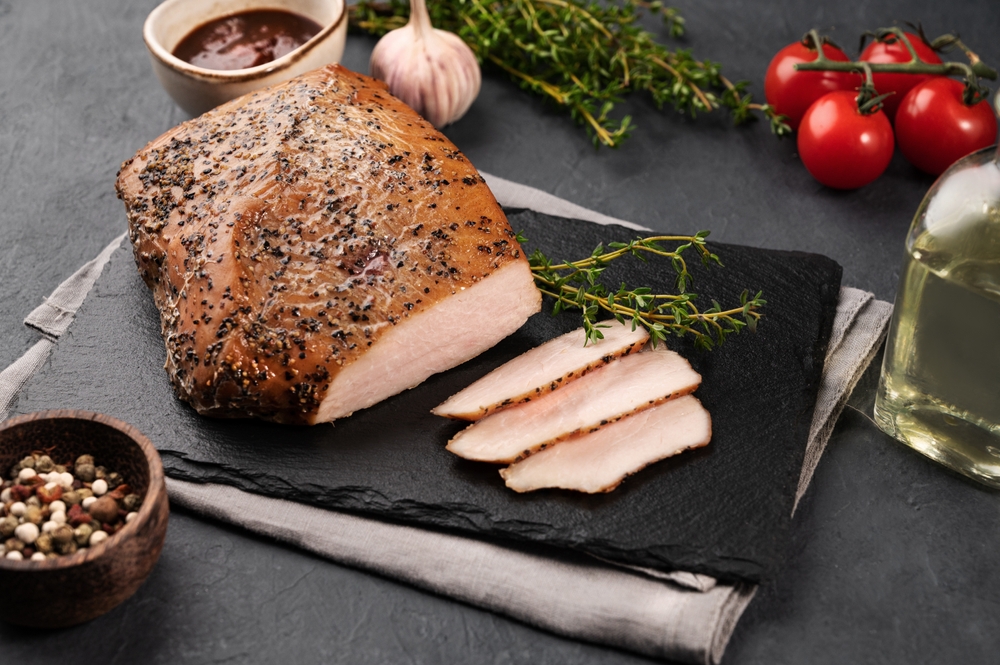
Varying between a few familiar protein sources does not have to be complicated.
Also read: Your teenager's daily step count may be shaping their mental health
Meacham uses foods such as fish, chicken, lean beef, turkey, pork, eggs, and whey protein.
Use legumes as a source of fiber
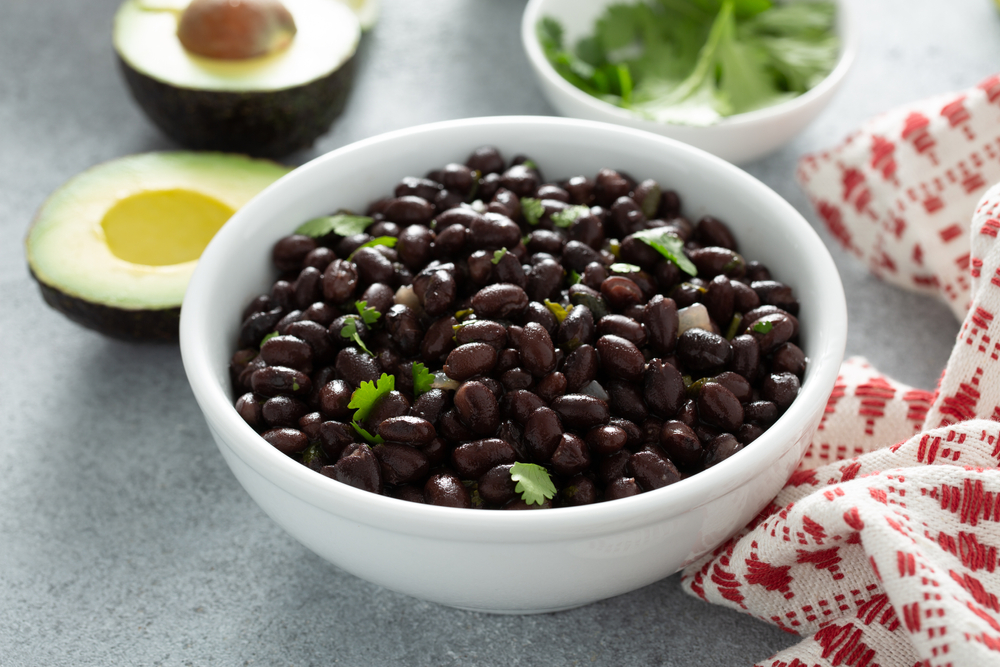
Lentils and black beans are among the foods Meacham highlights for increasing fiber intake.
They can be included regularly in a variety of meals.
Eat berries regularly

Berries are another fiber-rich food that is part of Meacham’s diet.
Also read: Cooling your home at night may not be enough during a heatwave
After strength training, for example, his second breakfast may consist of eggs with a cup of berries.
Include nuts and seeds
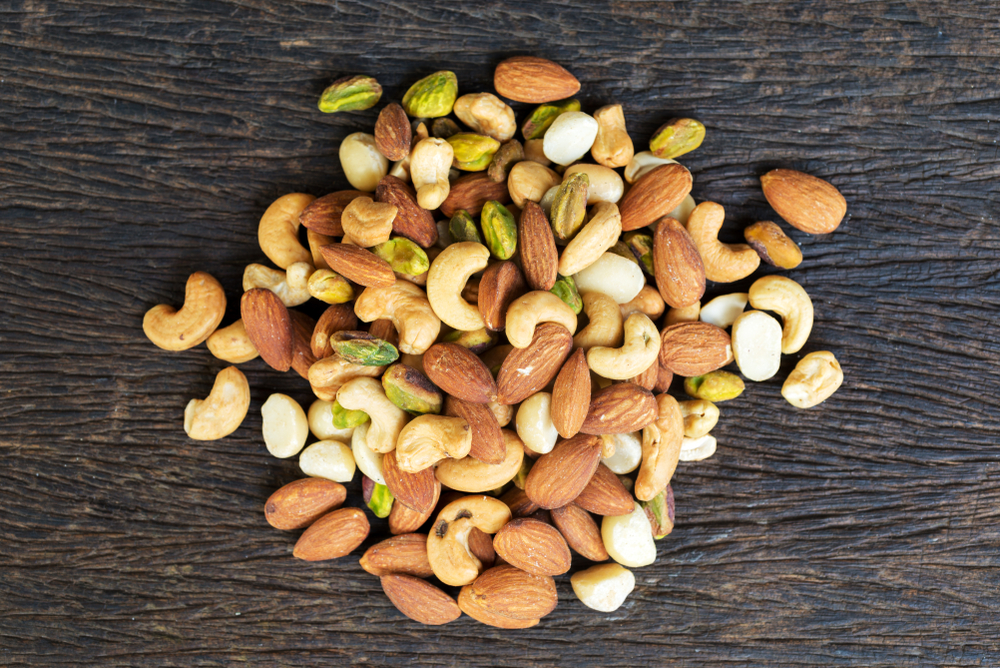
Raw nuts and seeds are among Meacham’s recommended choices for increasing fiber intake.
He suggests including one or two fiber-rich foods in each meal.
Include oats in your breakfast
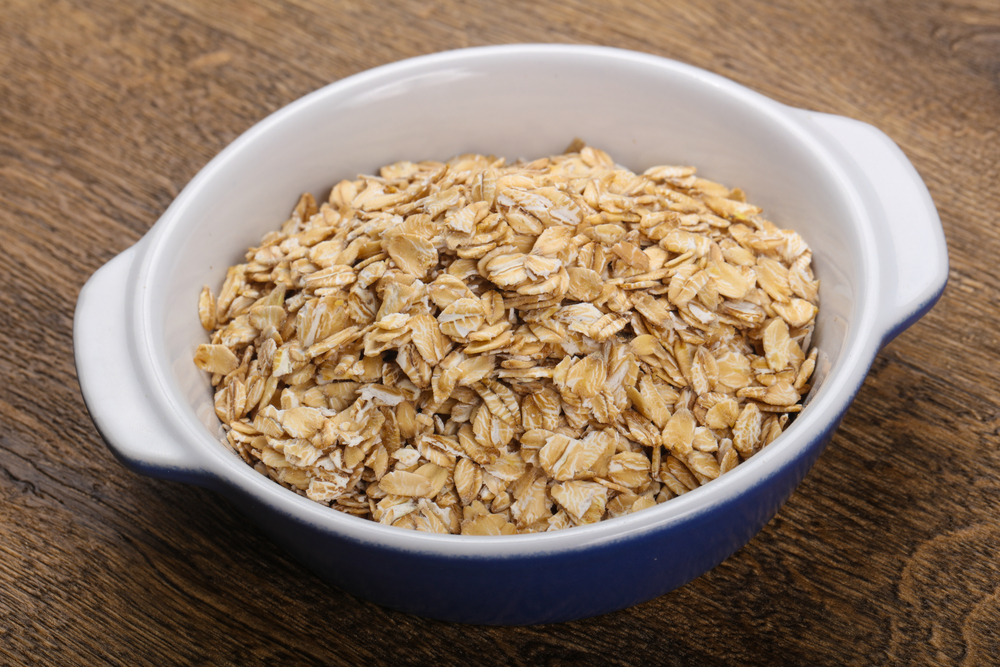
A typical breakfast for Meacham consists of oatmeal with peanut butter and whey protein mixed with water.
Also read: New sleep apnea pill cuts breathing interruptions nearly in half
Oats are also among the foods he uses as a source of fiber and energy.
Combine several foods at lunch

For lunch, Meacham typically combines chicken, fish, lean beef, or pork with foods such as lentils, black beans, sweet potatoes, quinoa, or brown rice.
He also eats a variety of vegetables.
Make your diet easy to repeat

You do not need to come up with completely new meals every day.
Also read: How cottage cheese can affect your blood sugar
Meacham recommends finding protein-rich and fiber-rich foods that you enjoy and that are practical to keep on hand in everyday life.
Adjust your protein portions

If a meal already contains protein, you can increase the portion instead of adding an entirely new food.
According to Meacham, cooking a larger portion of fish does not take any longer than preparing a smaller one.
Accept that meals do not have to be perfect

A single meal with less protein or fiber does not have to affect the rest of your day.
Meacham’s approach is to eat as well as possible and make adjustments at subsequent meals.
Watch for possible signs of insufficient protein

According to Meacham, insufficient protein intake may affect muscle mass, grip strength, wound healing, as well as hair, skin, and nails.
Edema may also be a possible sign.
Pay attention to your digestion

Low fiber intake may be associated with constipation, irregular bloating, and hard or lumpy stools.
Meacham also mentions frequent hunger and drops in energy after meals.
Seek help for persistent symptoms

The symptoms mentioned above do not necessarily mean that you are not getting enough protein or fiber, as they can have many causes.
If the problems persist or cause concern, a healthcare professional or registered dietitian can help investigate the cause.
This article is made and published by Ida-Marie Palm Varbæk, who may have used AI in the preparation.