
Cottage cheese is high in protein and low in carbohydrates, but what does that actually mean for your blood sugar? reports EatingWell.

What makes cottage cheese different

Half a cup of 2% cottage cheese contains around 12 grams of protein and less than 5 grams of carbohydrates. This gives cottage cheese a different nutritional profile from many snacks that are considerably higher in carbohydrates.
The effect on blood sugar may be gentler
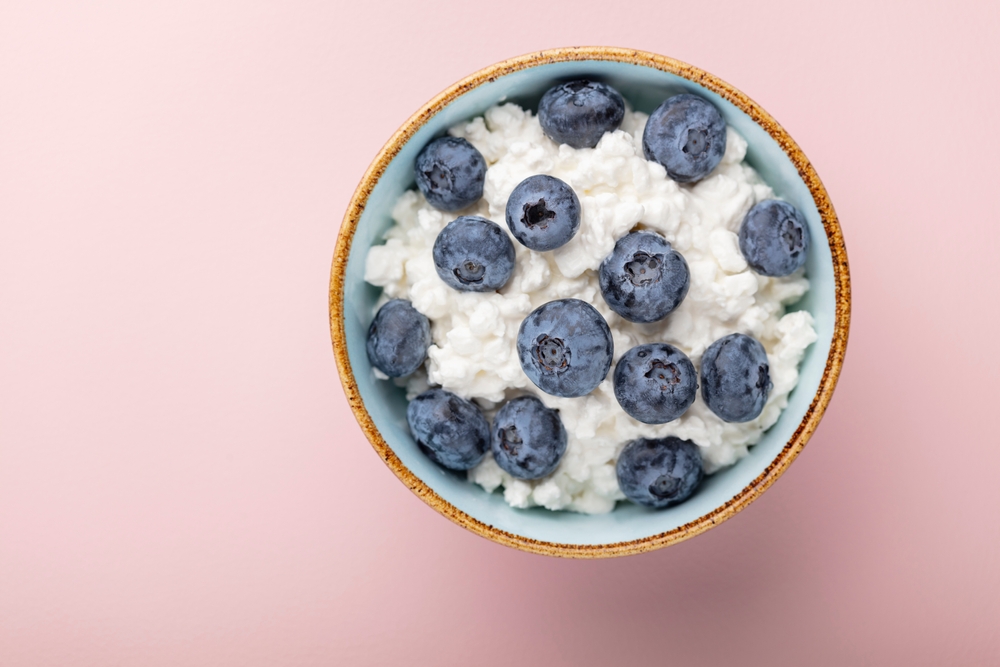
The relatively low carbohydrate content is one reason cottage cheese generally produces a more moderate glucose response than higher carbohydrate foods. Most of its carbohydrates come from lactose, the natural sugar found in milk.
Feeling fuller may be another benefit

The high protein content does more than affect blood sugar. Protein can also help you stay full for longer, which may reduce the temptation to reach for sugary foods that can cause blood sugar to rise more sharply.
Also read: Giving your child a smartphone may raise their eating disorder risk
Protein affects the body’s insulin response

Eating protein stimulates the release of insulin. This hormone helps move glucose from the bloodstream into the cells, where it can be used for energy. This process may contribute to a steadier blood sugar response after eating.
Whey and casein may play a role

Cottage cheese contains the milk proteins whey and casein. When these proteins are broken down in the body, they form smaller compounds that research suggests may influence insulin release and hormones involved in regulating blood sugar after meals.
Fat can change the speed of digestion

If your cottage cheese contains fat, it may help slow digestion. This allows nutrients to move through the digestive system more gradually and may contribute to a slower, steadier rise in blood sugar after eating.
What you eat with cottage cheese matters

Cottage cheese may be particularly useful when combined with foods containing carbohydrates. Research suggests that adding protein to carbohydrates may reduce the overall glucose response while increasing the insulin response. However, the effect can vary in people with type 2 diabetes.
Berries add sweetness and fiber
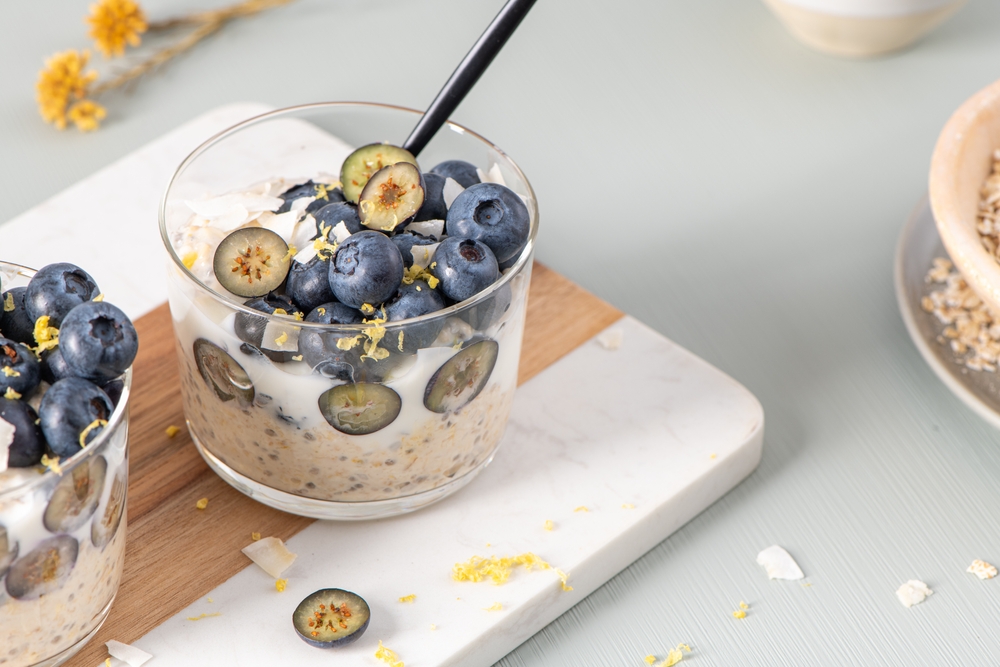
One option is to combine cottage cheese with fresh berries and a little cinnamon. The berries provide fiber, while the protein in cottage cheese may help moderate the effect of the fruit’s natural sugars.
Cottage cheese works in savory meals too

Cottage cheese does not have to be served as a sweet snack. It can be mixed with cucumber, cherry tomatoes and pepper or blended until creamy and served as a protein rich dip with vegetables.
Pair it with whole grain toast
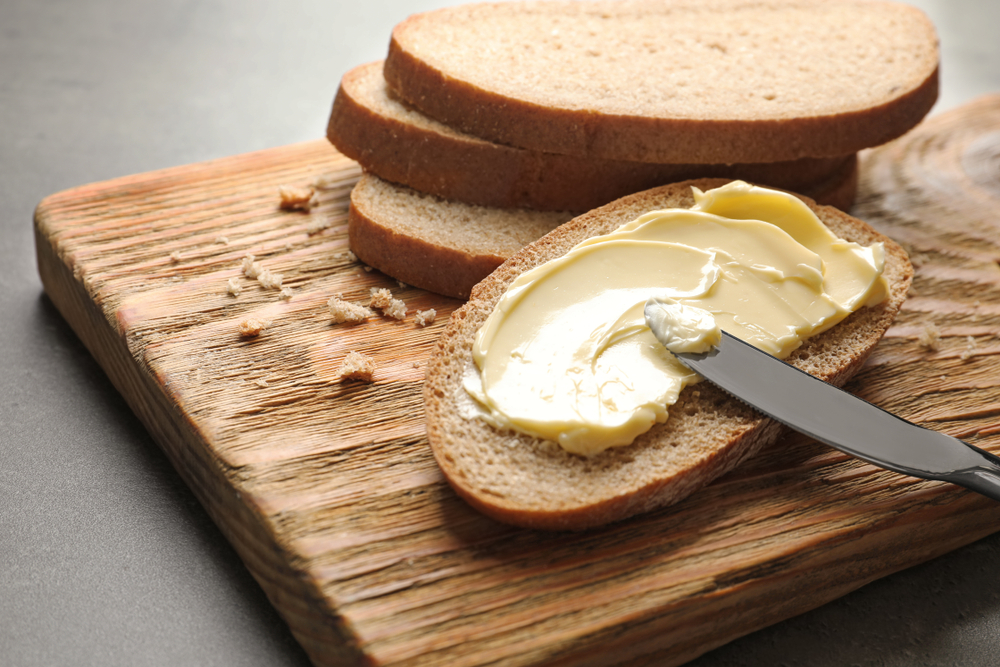
Cottage cheese can be spread on a slice of whole grain toast and topped with avocado. This combination provides protein and fiber, which together may help slow the effect of the bread’s carbohydrates on blood sugar.
Your other habits matter too

Managing blood sugar is not only about individual foods. Eating regular meals and staying physically active also play a role. Portion sizes matter as well, since carbohydrates generally affect blood sugar more than protein or fat.
Also read: Eating less ultra-processed food could help with depression
Not all cottage cheese is the same

Flavored cottage cheese may contain added sugars, so checking the nutrition label can be worthwhile. Cottage cheese can be part of a blood sugar friendly diet, but no single food can manage blood sugar on its own. A balanced diet, appropriate portion sizes and regular physical activity are also important.
Also read: Shingles vaccine may also protect your heart, major study finds
This article is made and published by Mie Hermansen, who may have used AI in the preparation.