
Soda can affect your blood pressure in more ways than you might realize, reports EatingWell.
It is not just about blood sugar
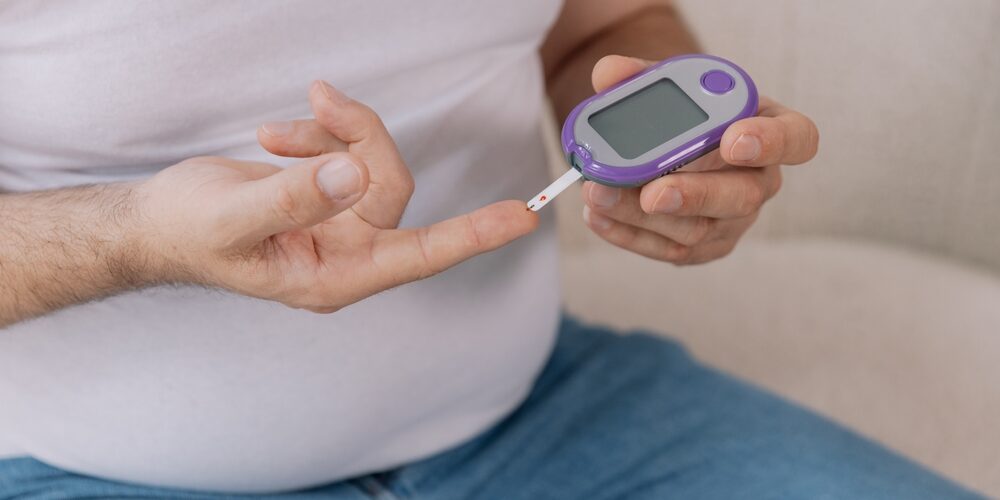
Sugar sweetened beverages are a major source of added sugar in the American diet. A high intake has been associated with obesity, type 2 diabetes and heart disease, but blood pressure may also be affected. Research cited in the article links each additional daily serving of a sugar sweetened beverage to about a 10 percent higher risk of developing high blood pressure.
The sugar adds up quickly
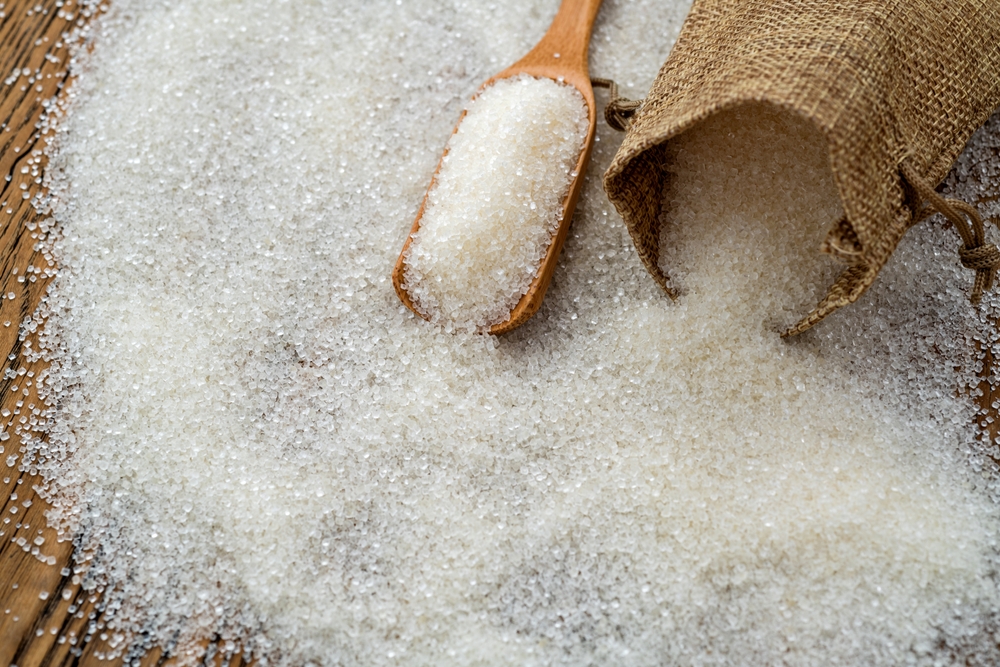
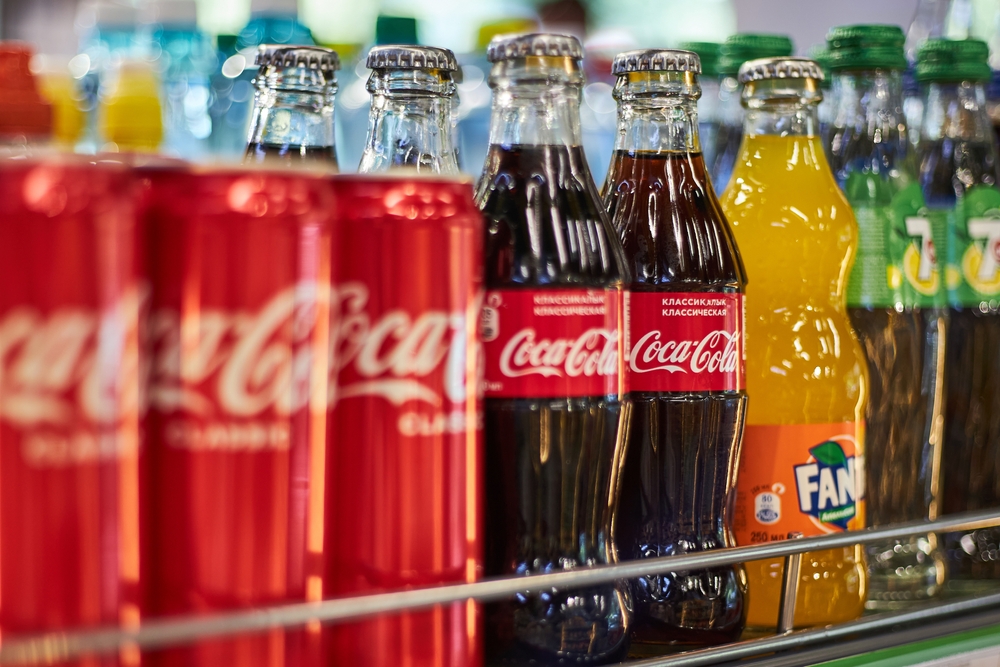
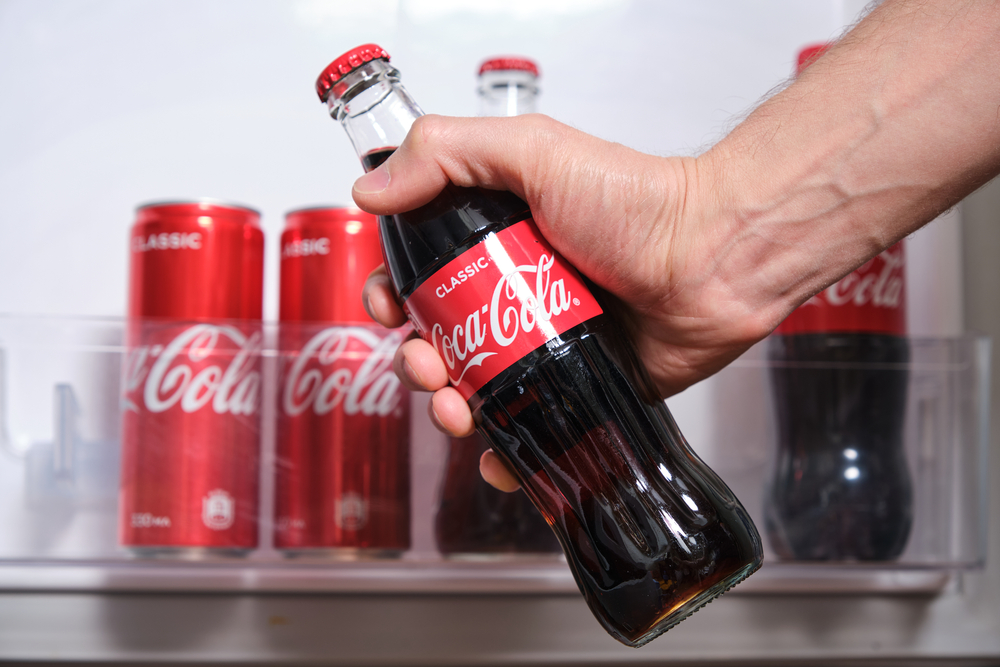
A can of soda containing about 12 ounces can provide between 35 and 45 grams of sugar. Soda is often sweetened with sucrose or high fructose corn syrup. Fructose may be particularly relevant to blood pressure because it can influence how the body handles sodium.
Your body may retain more fluid
A higher intake of fructose may increase sodium absorption in the intestines while reducing the amount of sodium removed by the kidneys. This can cause the body to retain more fluid. As a result, the heart has a greater volume of blood to pump, which may contribute to higher blood pressure.
Also read: Want to keep your brain sharp? These everyday activities may help
Blood vessel function may be affected
When the body breaks down fructose, uric acid is produced. Higher levels of uric acid may affect the inner lining of the blood vessels and reduce nitric oxide, which helps blood vessels relax. Elevated uric acid levels have also been associated with a greater risk of high blood pressure.
The effects may appear quickly

The connection is not necessarily limited to the long term. In studies mentioned in the article, both systolic and diastolic blood pressure increased significantly after participants consumed fructose. This suggests that changes in blood pressure may occur after a single drink.
Liquid calories can make a difference

Soda provides calories from added sugar while offering little nutritional value. The body may also respond differently to calories consumed in drinks compared with calories from solid food. As a result, regularly drinking sugary beverages can make it easier to consume more calories than the body needs.
Weight gain can put extra strain on the heart

Consistently consuming excess calories can contribute to weight gain and insulin resistance, both of which may increase blood pressure. Possible mechanisms include increased blood volume, activation of the sympathetic nervous system and greater stiffness of the blood vessels. Fat stored around the abdomen may also promote inflammation and place additional strain on the heart.
Also read: A new FDA-approved heart valve expands as your child grows, cutting repeat surgeries
Caffeine can also play a role

Some sodas contain caffeine, which can make the heart beat faster and cause blood vessels to tighten. This may temporarily increase blood pressure. The effect can be more noticeable in people who rarely consume caffeine and in those whose blood pressure is already poorly controlled.
Water does not have to be boring
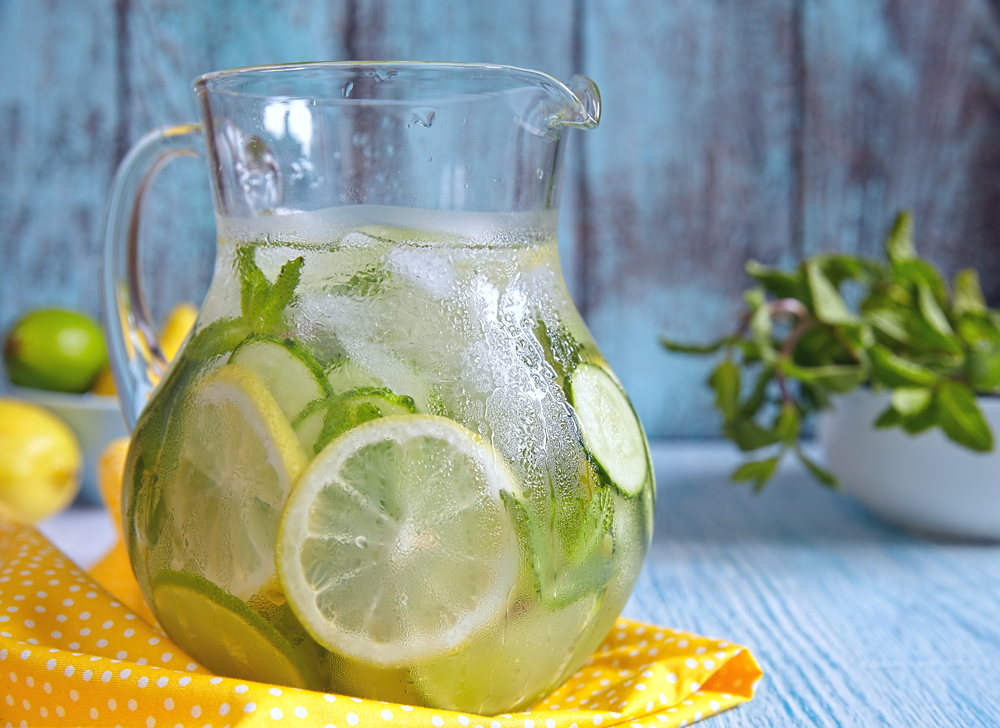
Cutting back on soda does not mean giving up flavor or carbonation. Sparkling water provides the fizz without the added sugar found in regular soda. Still water can also be flavored with lemon, lime, berries or fresh herbs such as mint and basil.
There are several alternatives to soda
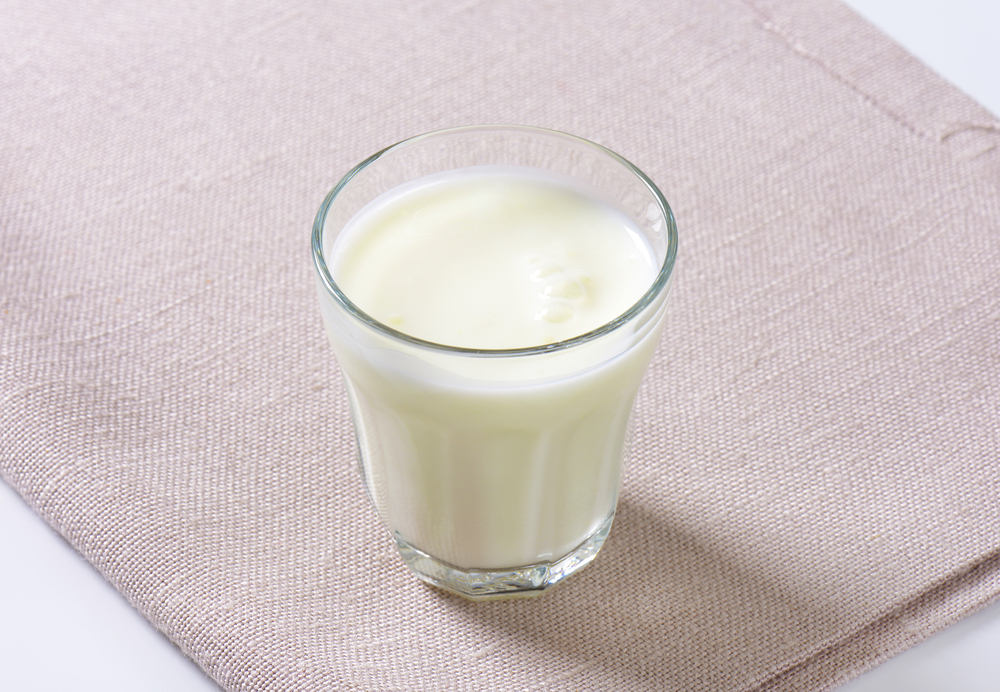
Milk provides potassium as well as calcium and magnesium, while caffeine free herbal teas such as chamomile, rooibos, ginger and peppermint offer flavor without added sugar. Hibiscus tea is another option. Studies involving people with mild to moderate high blood pressure found reductions in both systolic and diastolic blood pressure after drinking hibiscus tea.
Beetroot naturally contains nitrates
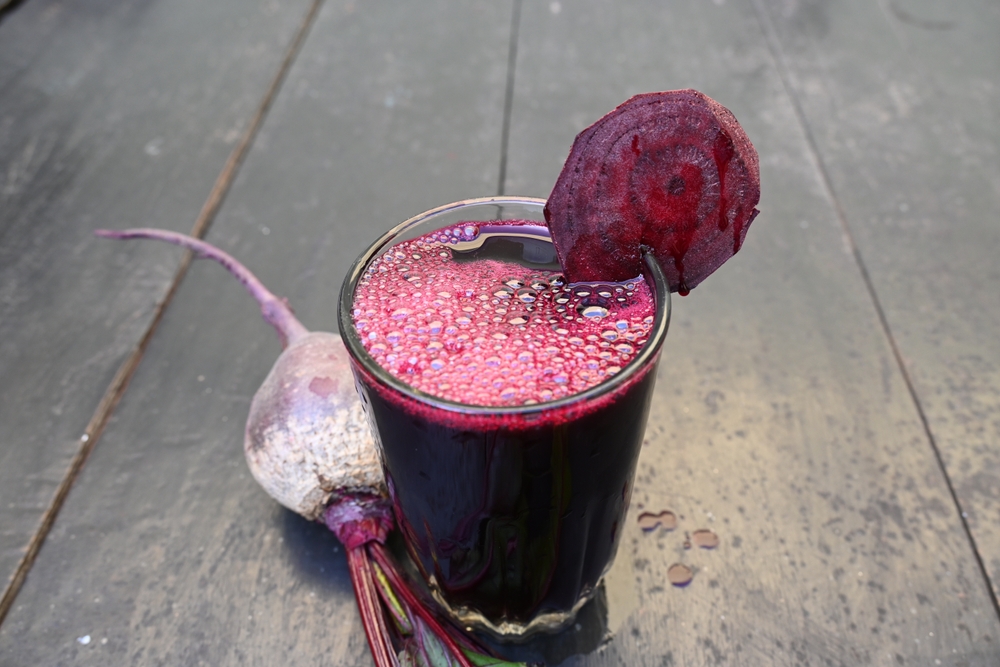
Beetroot juice is naturally rich in nitrates, which the body can convert into nitric oxide. This helps blood vessels relax and widen and may therefore lower blood pressure readings. Beetroot juice can be consumed on its own or added to a smoothie.
Also read: An AI therapist cut depression symptoms by 51% in the first trial of its kind
Other habits can support healthy blood pressure
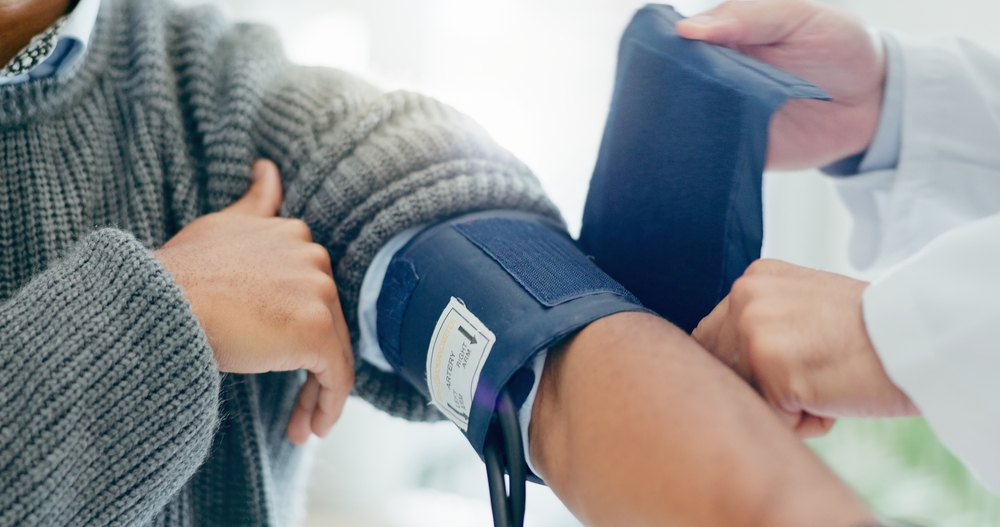
Soda is only one part of the overall picture. The article also recommends keeping daily sodium intake below 2,300 milligrams, checking blood pressure regularly and eating foods such as fruits, vegetables, whole grains, nuts and seeds. Regular moderate physical activity, including brisk walking, may also help prevent and manage high blood pressure.
Also read: Taking melatonin night after night may almost double your heart failure risk
This article is made and published by Mie Hermansen, who may have used AI in the preparation.