
Green leafy vegetables contain a wide range of vitamins, minerals and antioxidants that the body needs.
Here are some vegetables worth eating more of, along with useful tips on how to incorporate them into your meals, according to Modette.
Spinach
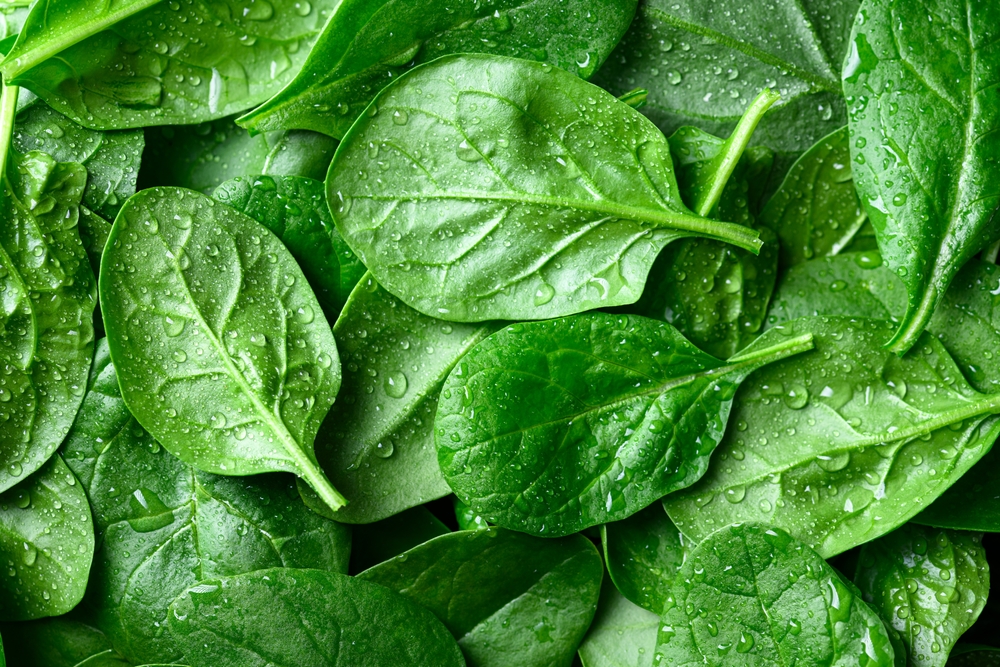
Spinach contains vitamins A, C, E and K, as well as potassium, calcium and beta-carotene.
According to Vogue, this vegetable is a good choice for supporting skin, eye and heart health.
Also read: After 25 minutes of sitting, your muscles may quietly start to clock out
Pak choi
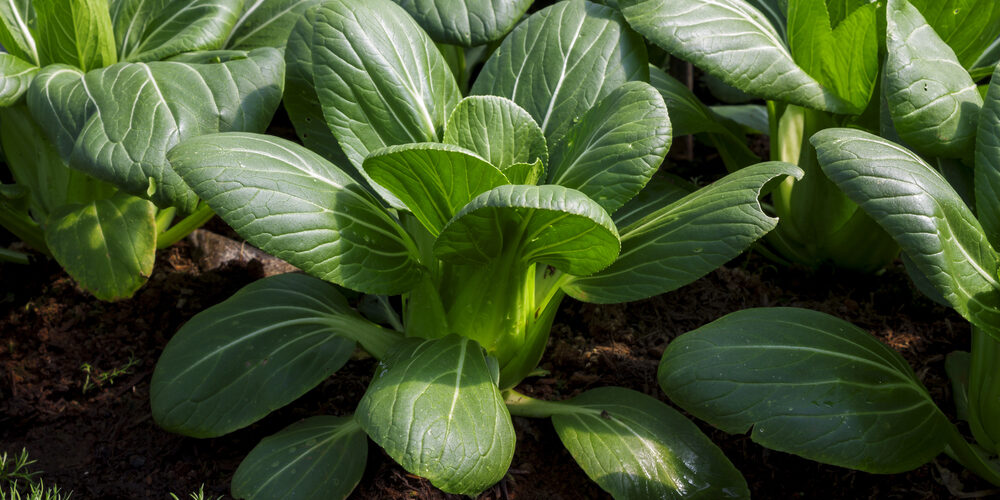
This crunchy variety of cabbage contains calcium, magnesium and potassium. Pak choi also provides vitamin C, vitamin K, folate and beta-carotene.
Kale

Kale contains polyphenols, flavonoids, vitamin C and beta-carotene, among other nutrients.
This nutrient-rich vegetable can also help you feel full and satisfied.
Arugula
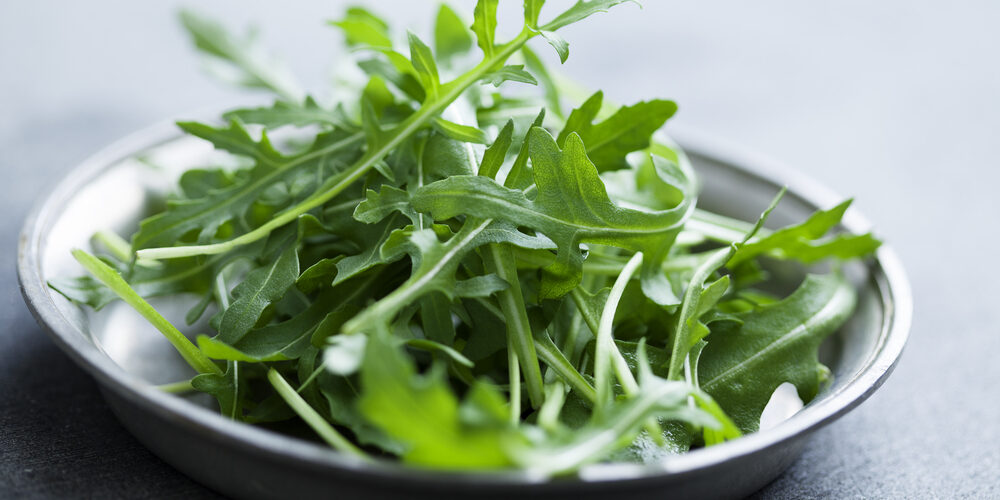
Arugula contains several minerals, including iron, calcium and potassium.
Also read: Scientists discover that ovaries remain active after menopause
This leafy green is also a source of vitamins A, C and K, as well as various B vitamins.
Seaweed and algae
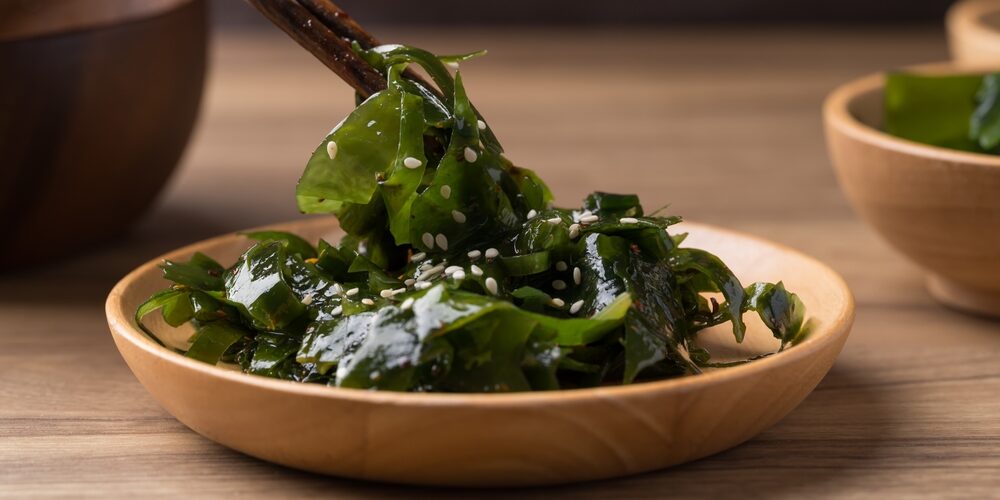
Seaweed and algae, such as nori and wakame, contain vitamins, minerals and antioxidants.
They also provide magnesium and omega-3 fatty acids.
Be mindful of iodine in seaweed
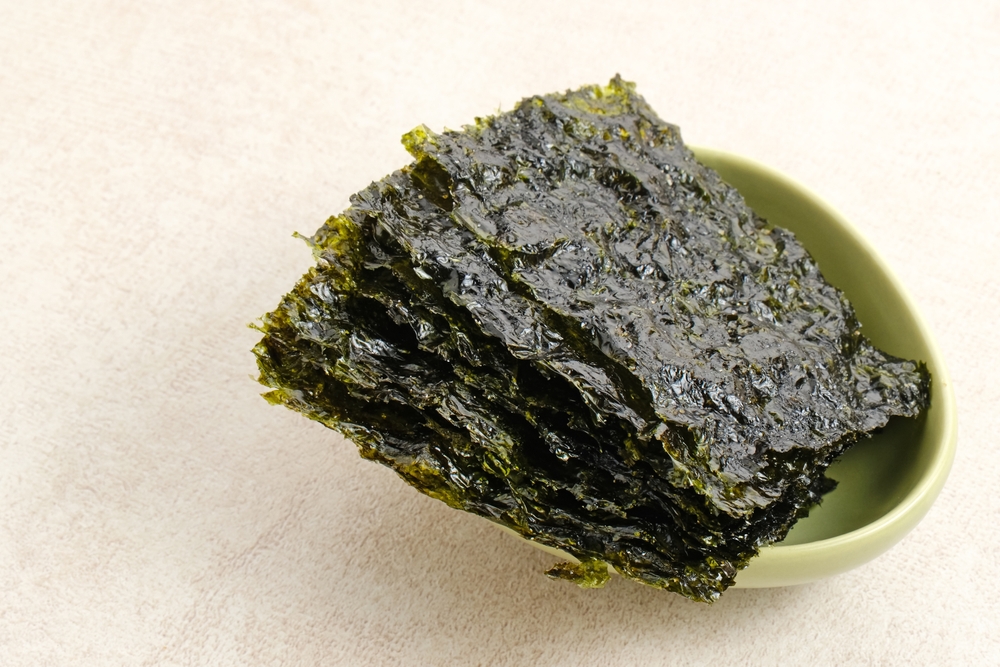
Although seaweed and algae contain many nutrients, certain varieties can have high iodine levels.
Also read: The bacteria on your tongue may be quietly shaping how fast your brain works
For this reason, the Swedish Food Agency recommends eating a varied diet and avoiding excessive consumption of any single food.
Watercress

Watercress contains lutein and zeaxanthin, which are often associated with eye health.
This vegetable also provides vitamins A, C and K, calcium and antioxidants.
Swiss chard

Swiss chard is similar to spinach but generally has larger leaves and a firmer texture.
Also read: More than 4,000 dead as Ebola crisis forces new travel restrictions
This vegetable contains vitamin A, vitamin K and magnesium, among other nutrients.
Add spinach to your everyday meals
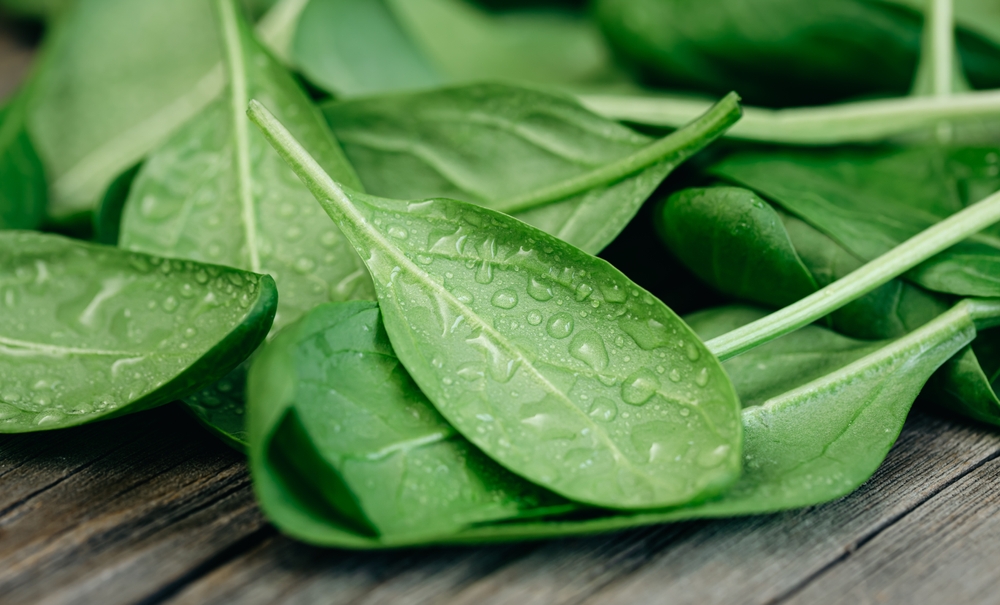
Spinach has a relatively mild flavor, making it easy to incorporate into a wide variety of dishes.
Try adding baby spinach to smoothies, soups, pasta sauces, omelets or stews.
Make kale more enjoyable to eat

Kale can have a somewhat tough texture when eaten raw. You can make the leaves softer and more pleasant to eat by massaging them with olive oil, lemon juice and salt.
Also read: Your yearly flu shot may be quietly lowering your Alzheimer's risk
Kale can also be made into crispy chips or added to warm salads.
Add arugula just before serving
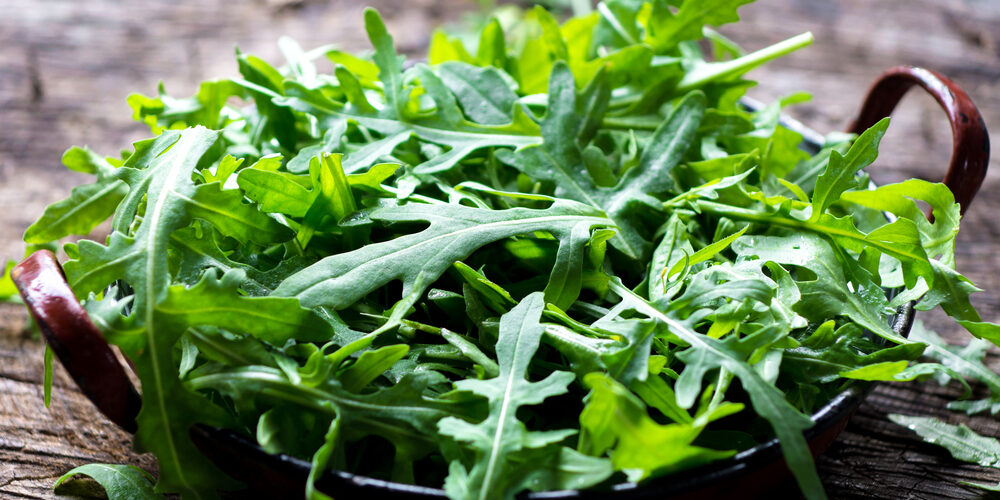
Arugula has a distinctive peppery flavor that pairs well with pizza, pasta, sandwiches and salads.
You can easily add a handful to your dinner just before serving.
Sauté pak choi with garlic and soy sauce
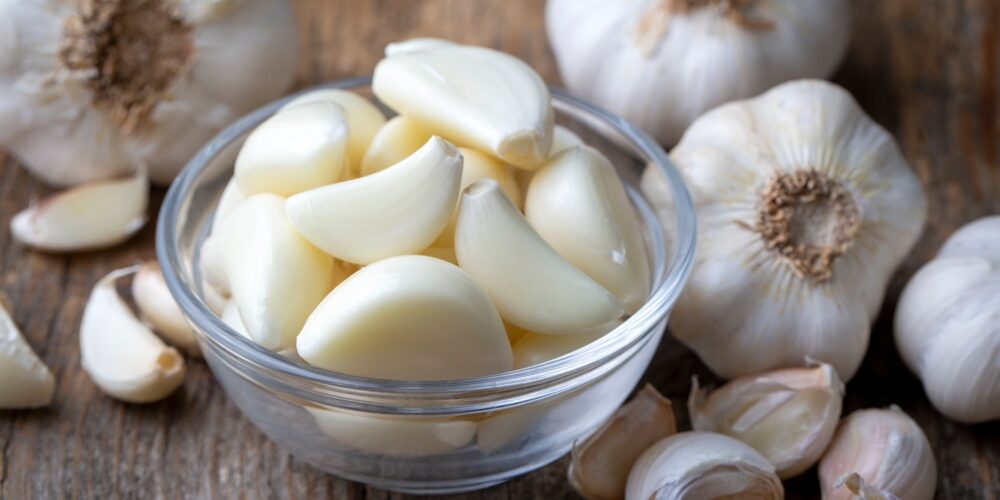
Pak choi has a mild flavor and works particularly well in Asian dishes.
Cut the cabbage lengthwise and briefly sauté it in oil with garlic, soy sauce and sesame oil.
It can also be used in stir-fries and noodle soups.
Use seaweed as a topping
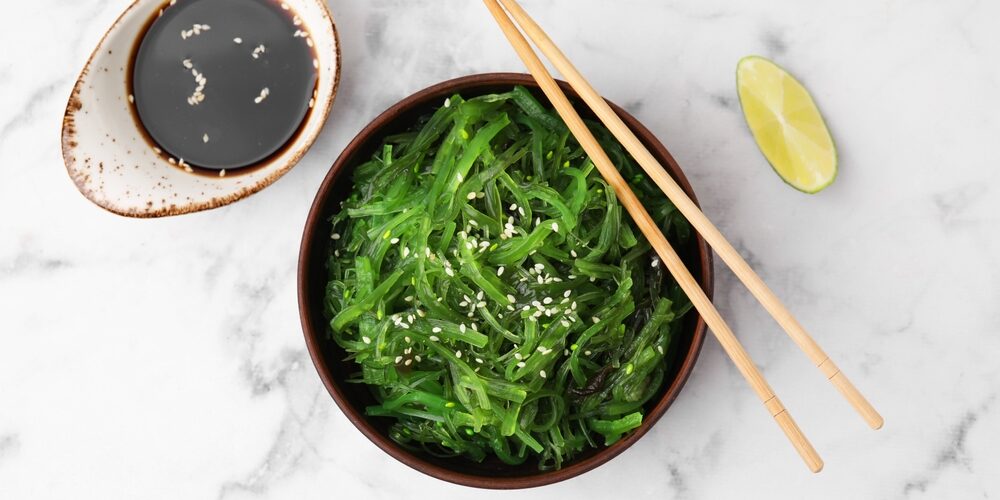
Seaweed does not have to be reserved for sushi. For example, you can sprinkle nori over rice, noodles or salads.
Wakame can also be added to soups to bring more variety to your meals.
Prepare Swiss chard in different ways

Swiss chard can be quickly sautéed in olive oil with garlic.
Its large leaves also work well in pasta dishes, savory pies, gratins and soups.
Try adding watercress to your meals

Watercress has a slightly peppery flavor, making it a great addition to salads, sandwiches and soups.
You can also blend it into pesto or use it as a topping for an omelet.
Eat a varied diet with fruits and vegetables

The Swedish Food Agency recommends that adults eat at least 500 grams of vegetables, fruits and berries every day.
Green leafy vegetables can be an easy way to add more nutrients to your diet.
This article is made and published by Ida-Marie Palm Varbæk, who may have used AI in the preparation.