
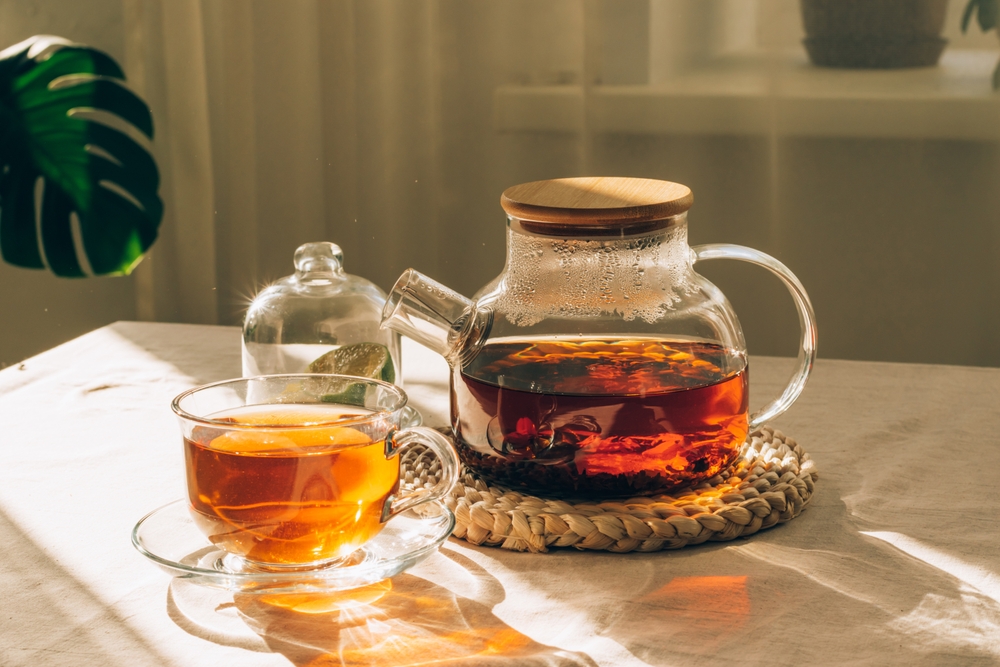
Chai is a popular drink that combines black tea with spices such as ginger, cinnamon and cardamom.
But what actually happens to your body if you drink chai every day? According to Real Simple, dietitians highlight several potential health benefits, as well as some drawbacks worth knowing about.
May boost your energy levels

Chai contains caffeine from black tea, which can increase your energy levels and help you feel more alert.
This makes it a possible alternative to coffee if you prefer a gentler energy boost.
Also read: Beer, wine or spirits? one drink was linked to a surprising health benefit
May help regulate blood sugar
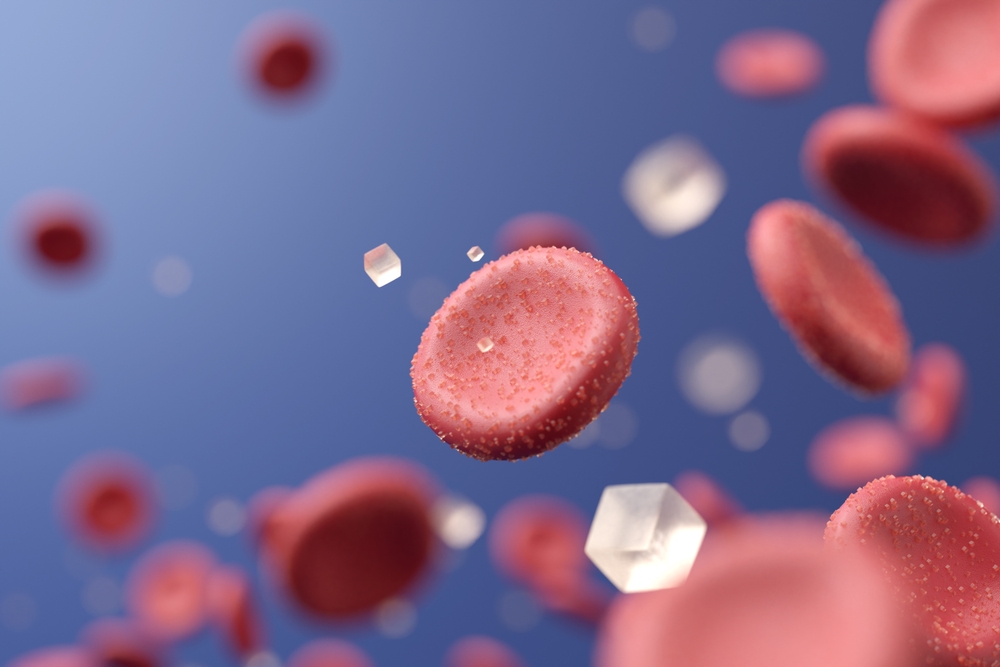
The natural plant compounds found in black tea have been linked to improved blood sugar regulation.
Drinking chai regularly may therefore help support your body's metabolism.
May reduce bloating

Spices such as ginger, cardamom and black pepper can stimulate digestion.
They may also help reduce bloating and relieve nausea.
Also read: One extra year in school could change your dementia risk
May support heart health

Black tea contains antioxidants that have been associated with a lower risk of heart disease.
Research published in Food Science and Human Wellness has also found a link between regular black tea consumption and a reduced risk of stroke.
May make it harder to sleep

Although chai contains less caffeine than coffee, it can still affect your sleep.
According to Real Simple, dietitian Taiyyibah Moughal therefore recommends avoiding caffeine for around six hours before bedtime.
Also read: Scientists find that one extra daily serving of fruit is linked to a 13% lower depression risk
May improve gut health
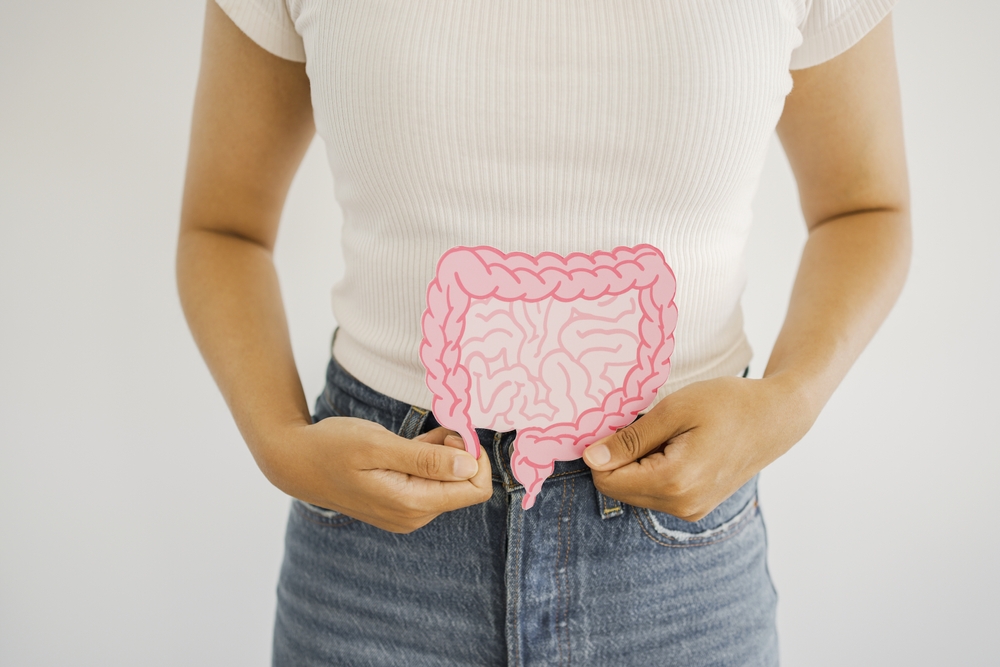
The polyphenols in black tea may encourage the growth of beneficial bacteria in the gut.
This could help support a healthy and diverse gut microbiome.
May provide calcium
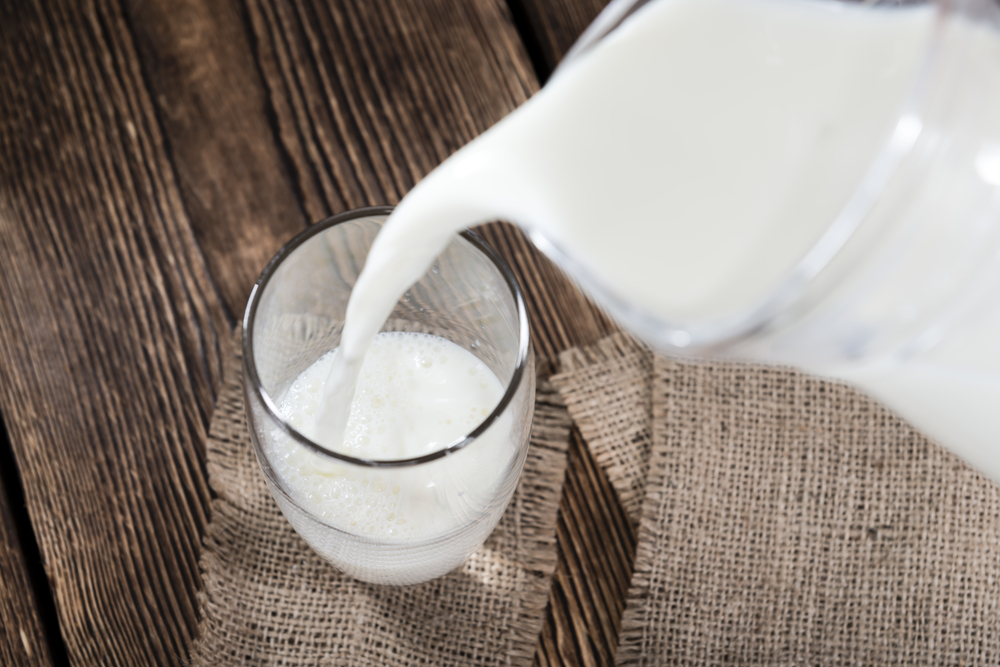
If you prepare chai with cow's milk, you also get calcium.
A cup of chai made with milk, approximately 237 millilitres, can contain up to 225 milligrams of calcium, equivalent to around 15 to 22 per cent of the recommended daily intake.
Also read: Your Alzheimer's blood test could be wrong: Here's what scientists found
May reduce inflammation

Spices such as cinnamon, cloves and cardamom contain polyphenols that can protect the body's cells against oxidative stress.
Combined with the plant compounds in black tea, they may help reduce inflammation.
May affect iron absorption
Black tea contains tannins, which can interfere with the body's ability to absorb iron.
This is particularly relevant if you drink large amounts of black tea alongside iron-rich foods or iron supplements.
Also read: These common vegetables contain surprisingly high amounts of potassium
May increase the risk of chronic diseases

If your daily chai contains large amounts of sugar or syrup, it could counteract some of the drink's potential health benefits.
A high intake of added sugar has been linked to an increased risk of obesity, type 2 diabetes, heart disease and fatty liver disease.
May improve concentration

The combination of caffeine and the amino acid L-theanine in black tea may support concentration and focus.
Chai could therefore help you stay alert and focused throughout the day.
May affect cholesterol levels

A chai latte made with whole milk can contain more than four grams of saturated fat per cup.
Consuming large amounts of saturated fat over time can raise cholesterol levels and may be particularly concerning for people at increased risk of heart disease.
May help your body relax

The L-theanine found in black tea has also been associated with relaxation and improved sleep quality.
It may also help lower blood pressure during periods of stress, although the caffeine in chai can have a stimulating effect at the same time.
May be linked to a lower risk of disease

Regular black tea consumption has been associated with a lower risk of several health conditions, including type 2 diabetes and heart disease, as well as premature death, in research published in the Annals of Internal Medicine.
According to dietitians, the greatest benefits are seen with around two to three cups of black tea per day.
Contains less caffeine than coffee

A typical cup of black tea contains approximately 27 to 50 milligrams of caffeine.
That is roughly one-third to one-half of the caffeine found in a cup of brewed coffee.
May cause restlessness and nervousness

Caffeine affects people differently.
Some may experience restlessness, nervousness or anxiety-like symptoms after drinking chai, particularly if they are sensitive to caffeine.
Can be made healthier with a few changes
Dietitians recommend choosing chai brewed from tea bags rather than sugary concentrates.
You can also use low-fat milk and limit the amount of sweeteners you add.
If you choose a concentrate, look for one containing less than five grams of added sugar per serving.
Can also be enjoyed without caffeine

If you enjoy drinking chai in the evening, you can choose decaffeinated black tea or a spiced rooibos chai.
This allows you to enjoy the flavours of the spices without the caffeine found in regular black tea.
This article is made and published by Ida-Marie Palm Varbæk, who may have used AI in the preparation.