
When the pollen count rises, so do the sneezes, itchy eyes, and runny noses.
But don’t worry — with the right tricks, you can actually enjoy the season without suffering through it. Here’s how to outsmart the pollen.
Wear large sunglasses or cycling glasses

Oversized eyewear is more than a fashion statement — it’s a pollen shield. The bigger the glasses, the less pollen gets into your eyes.
They physically block airborne allergens from settling on your mucous membranes.
Put on a cap or wide-brimmed hat

A simple hat can make a major difference.
A cap or hat with a brim helps keep falling pollen from landing on your face and eyes, especially when there’s a breeze stirring up the particles from above.
Rinse your hair before going to bed

Your hair traps pollen throughout the day — and if you don’t wash it out, you’re basically sleeping in it.
A quick rinse before bed helps keep your pillow clear.
Use a tumble dryer instead of outdoor drying
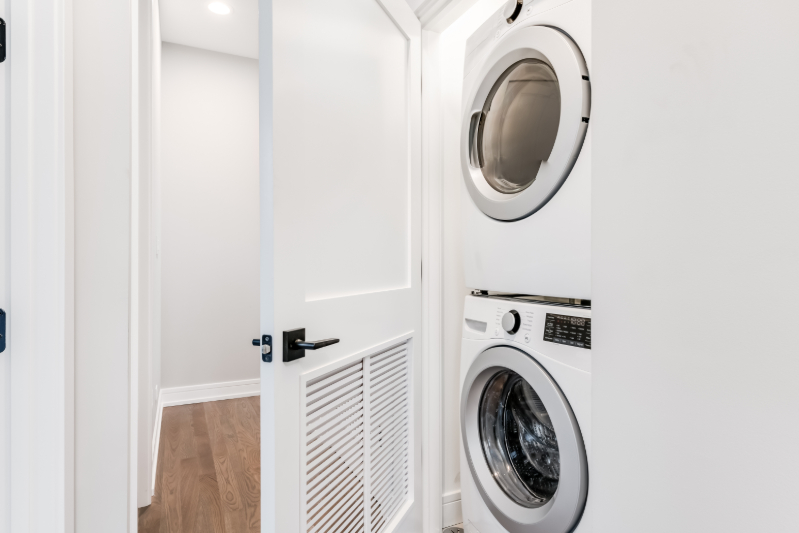
Freshly washed clothes are a pollen magnet when hung outside. Instead, use a tumble dryer to avoid bringing allergens indoors via your laundry.
Let someone else mow the lawn
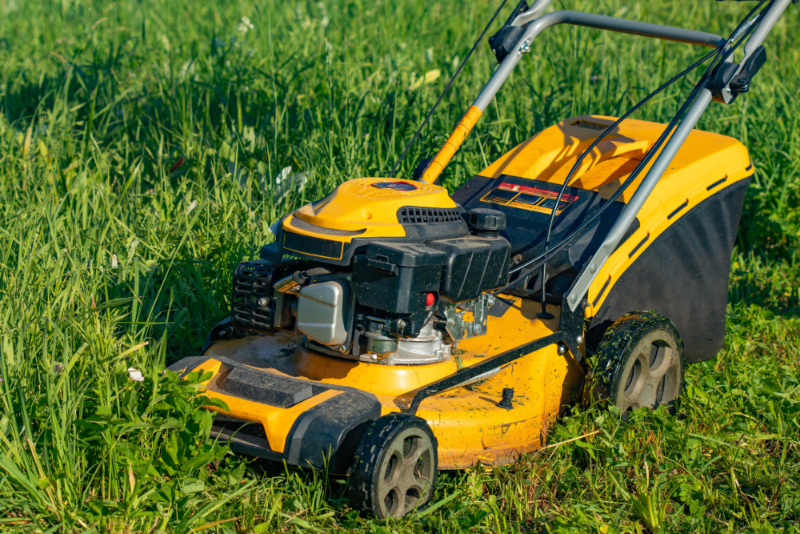
Mowing grass kicks up clouds of pollen. If grass allergies are part of your struggle, delegate the lawn duties. It’s a small change that can spare you a lot of misery.
Deep clean weekly
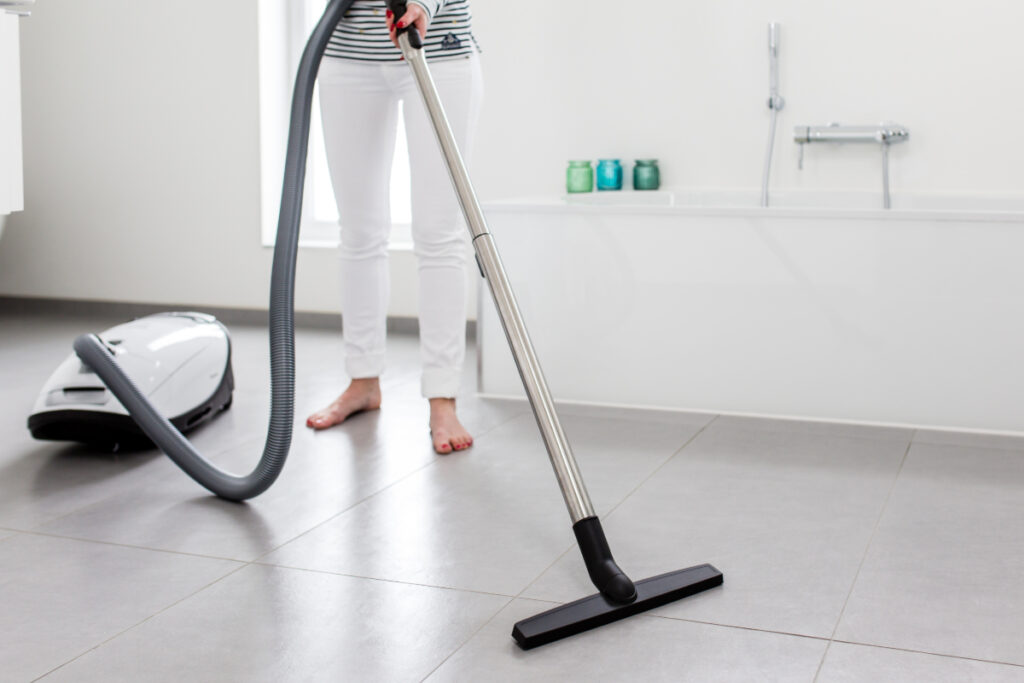
Pollen doesn’t just stay outside — it sneaks into your home too.
Vacuum and dust thoroughly at least once a week to keep indoor allergens at bay and maintain a healthier living space.
Wear a pollen mask

For the worst days, consider wearing a specially designed pollen mask.
These masks, when properly fitted and equipped with a good filter, can significantly reduce your exposure, especially in highly affected areas.
Rinse eyes and nose with saline

Saline solution helps flush pollen out of your eyes and nasal passages.
Regular rinsing, either with drops or a neti pot, can soothe irritation and wash away lingering allergens.
Use your car’s recirculation mode and pollen filter

In the car, keep the windows up and the ventilation on recirculate to avoid sucking in pollen-rich air.
Also, make sure your car’s pollen filter is clean and functional — otherwise, it might do more harm than good.
Consider a home ventilation system
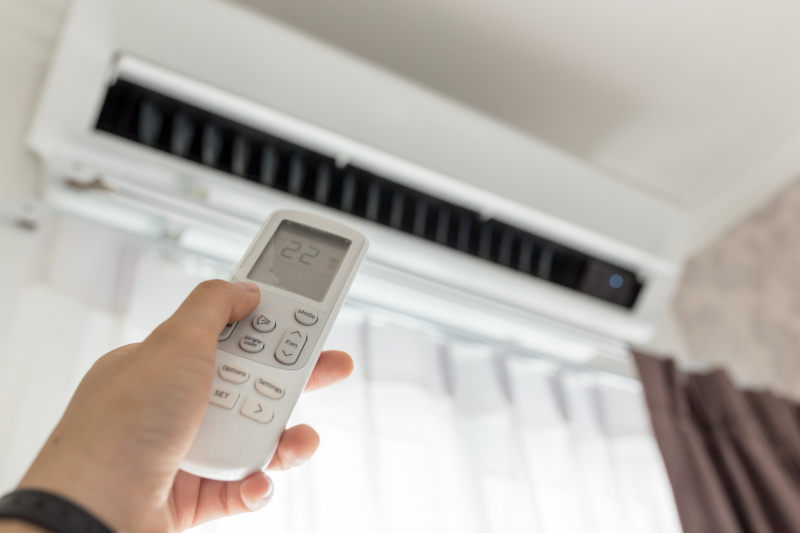
A modern ventilation system with a good filter can reduce indoor pollen levels.
It’s not a miracle solution, but especially in high-pollen zones, it can make your indoor air much easier to breathe.
This article is based on information from B.T.
This article is made and published by Ida-Marie Palm Varbæk, who may have used AI in the preparation.