
Summer heat can drain your energy, but you don’t have to accept feeling sluggish all season.
Here are some practical, expert-approved tips to help you stay energized even when temperatures soar.
Stay well hydrated
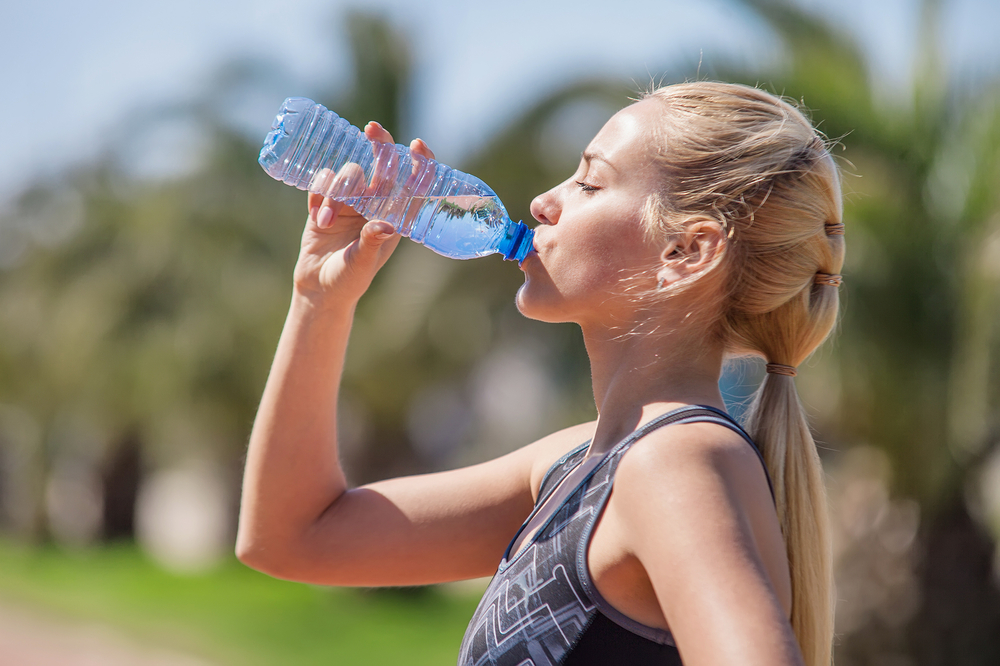
When the heat is on, you sweat more and lose both fluids and electrolytes, which can lead to fatigue.
Drink plenty of water, and on extra-hot days, add drinks like coconut water that naturally contain minerals.
Also read: Why Your Kindness Could Be Stopping You From Forming Close Relationships
Choose smart snacks
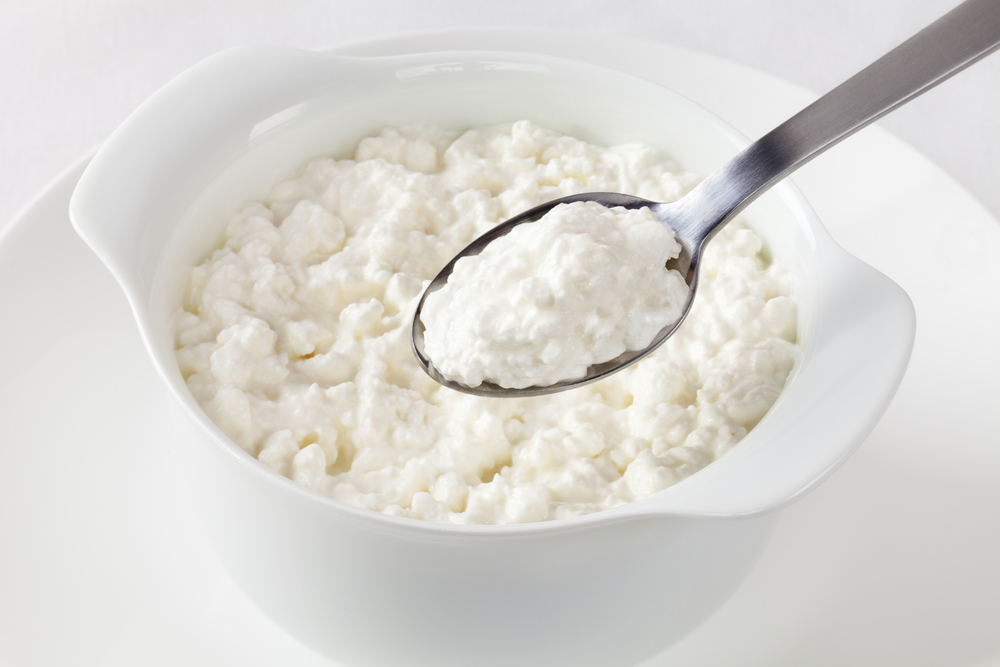
Loss of appetite in the heat can cause energy dips.
Combine protein-rich snacks like Greek yogurt or cottage cheese with fruits and vegetables high in water content, such as melon, cucumber, or oranges.
Get enough sleep

Hot nights can disrupt your sleep, leading to quick burnout.
Keep your bedroom cool - try placing a fan in front of a bowl of ice water - and switch to lightweight bedding made from bamboo or linen.
Also read: Bullying changes the brain: These effects can last a lifetime
Cool your body before bedtime
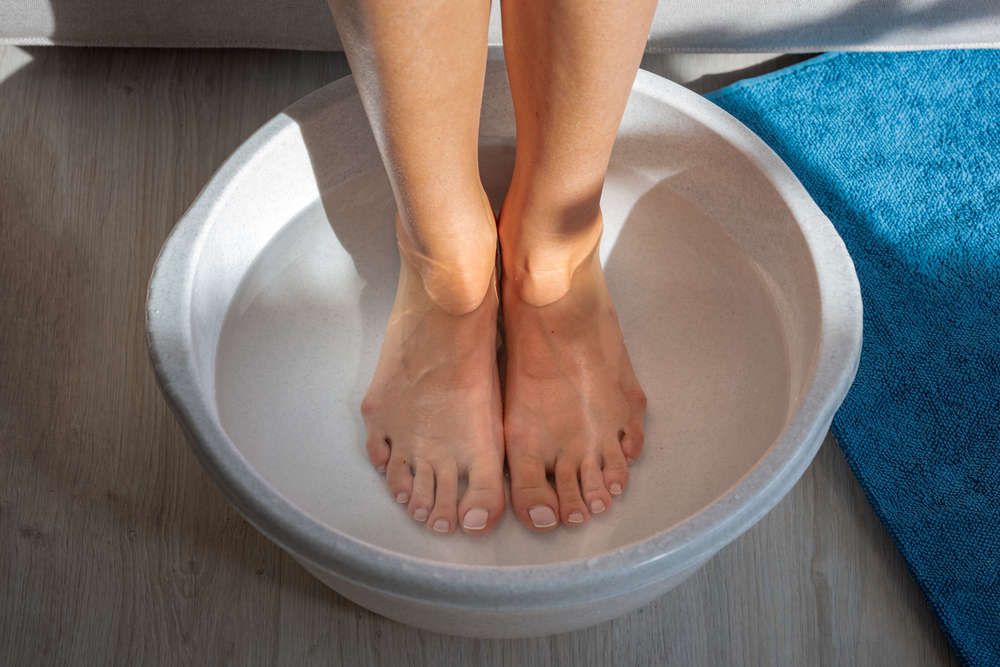
A cold shower or foot soak can lower your body temperature, reduce sweating, and make it easier to fall asleep. A cool, damp cloth on your forehead can also help.
Wear light, breathable clothing
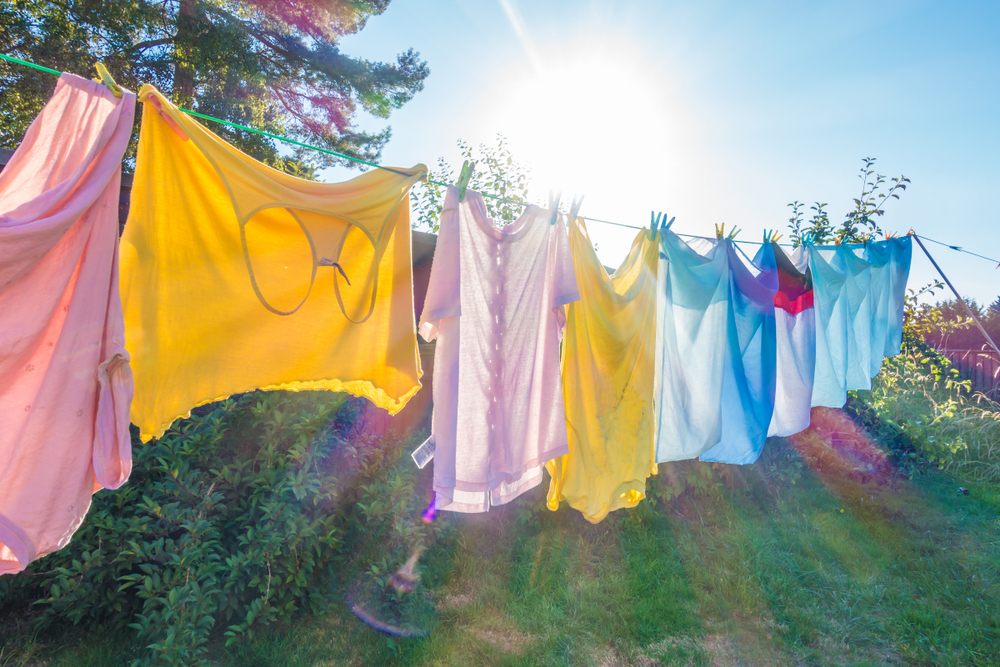
Clothing made of cotton, linen, or moisture-wicking synthetics helps your body release heat. Avoid tight, dark clothing that traps warmth.
Protect yourself from the sun

Stay in the shade during peak heat between 10 a.m. and 3 p.m.
Apply SPF 30+ sunscreen, and wear a wide-brimmed hat and sunglasses to reduce both sun exposure and heat strain.
Also read: Experts reveal the top reasons long-term marriages end in divorce
Take regular shade breaks

If you’re outside for long periods, step into the shade every 60–90 minutes to give your body a rest from the heat. An umbrella or canopy can be a lifesaver.
Avoid alcohol before bed

Alcohol can raise your body temperature and disrupt deep sleep, leaving you feeling more tired the next day.
Eat foods rich in electrolytes
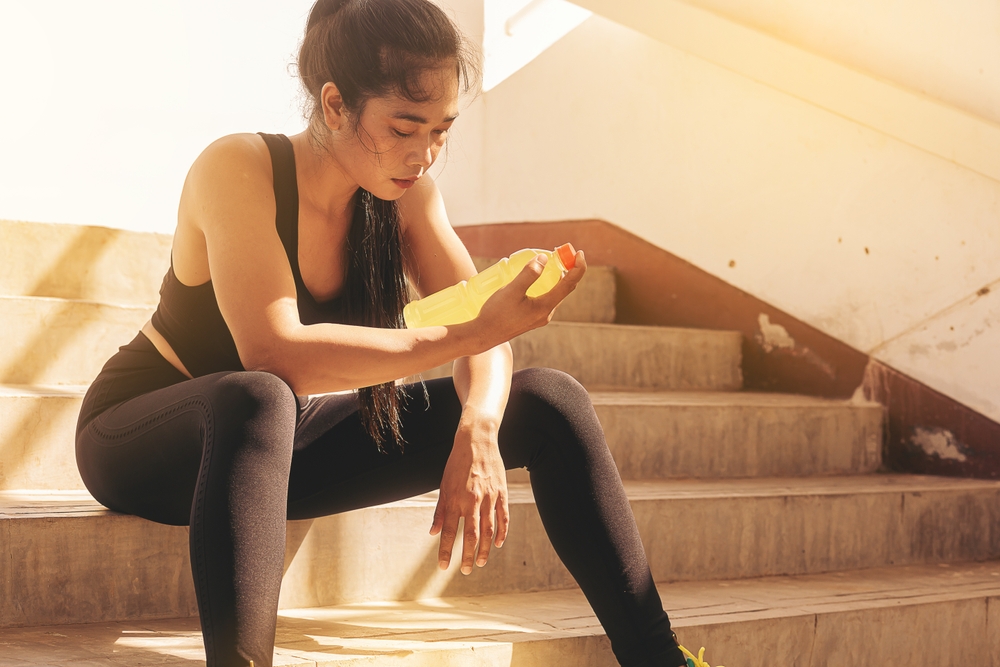
Berries, bananas, cucumbers, and melons help restore the salts and minerals your body loses through sweat.
Adjust your fluid intake to your activity level

While 11.5–15.5 cups of fluids per day is the average, you’ll need more if you’re sweating heavily. Listen to your body and hydrate before you feel thirsty.
Also read: Dentist Reveals the Best Way to Clean Between Your Teeth
This article is based on information from Real Simple.
Also read: How Much Protein You Should Eat – According to Your Age and Gender
This article is made and published by Ida-Marie Palm Varbæk, who may have used AI in the preparation.