
A kiss can be romantic, but it can also affect both your teeth and gums.
Experts warn that one person’s poor oral hygiene can have consequences for the other. Here’s how to protect your smile.
Kissing can spread bacteria
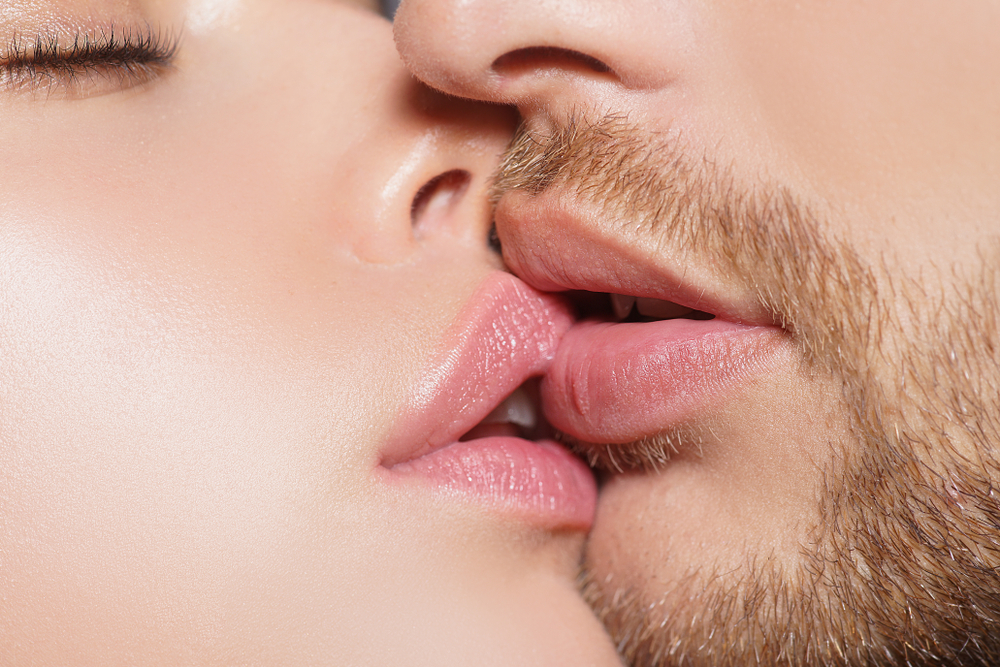
The mouth is a major gateway for bacteria, fungi, and yeast. When you kiss, these microorganisms can enter through mucous membranes, saliva, or even inhalation.
Cavities can be contagious
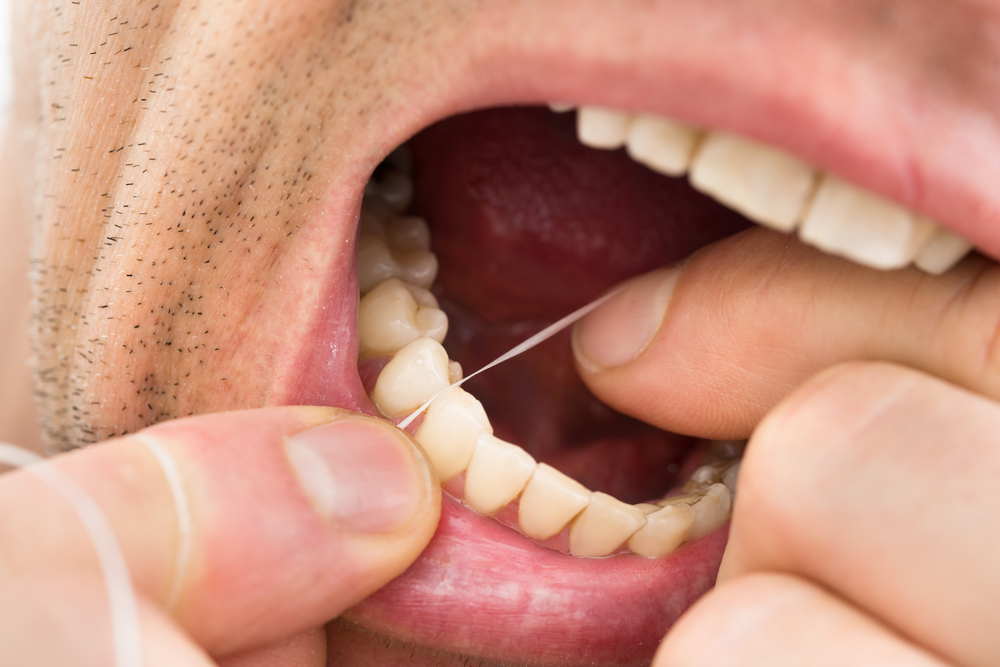
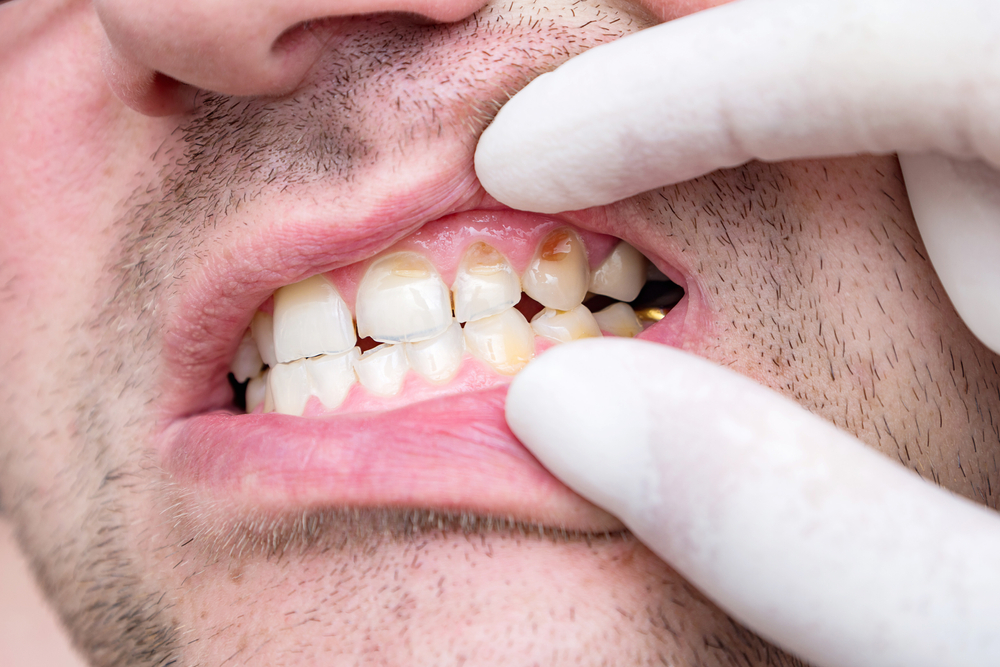
According to dental expert Katrina Sanders, the bacteria that cause cavities can be transmitted through kissing.
Also read: Early warning signs in your legs that could signal a dangerous cancer
Romantic partners often influence each other’s oral microbiome.
Streptococcus mutans is the main culprit
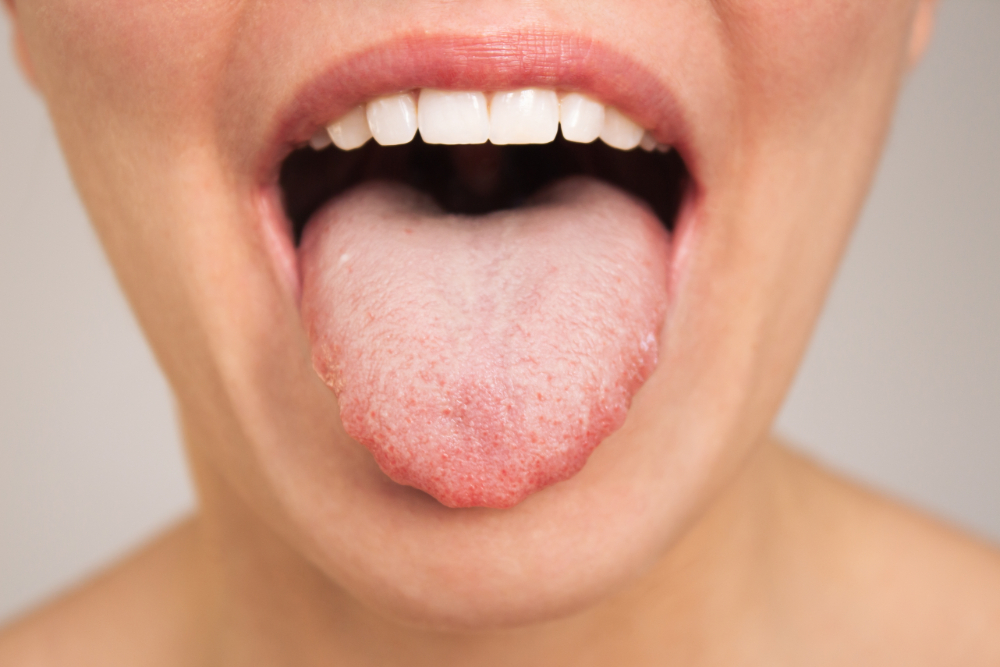
This bacterium is the leading cause of cavities.
Without it, tooth decay cannot develop. It usually enters the mouth early in life but can also spread through kissing.
Gum disease can spread between partners

Many couples notice that when one develops gum disease, the other soon follows. Sanders has observed this pattern repeatedly in her clinical practice.
Also read: This happens to your body when you eat yogurt with chia seeds every day
Mothers can transmit bacteria to their babies

When a mother with cavities kisses her baby, she can unintentionally pass on decay-causing bacteria. This is the biggest risk factor for early childhood tooth decay.
Be careful who kisses your baby

Family members with poor oral hygiene can transfer bacteria to a child. Even pets that “kiss” babies may affect the microbiome in their mouths.
Regular dental visits protect you
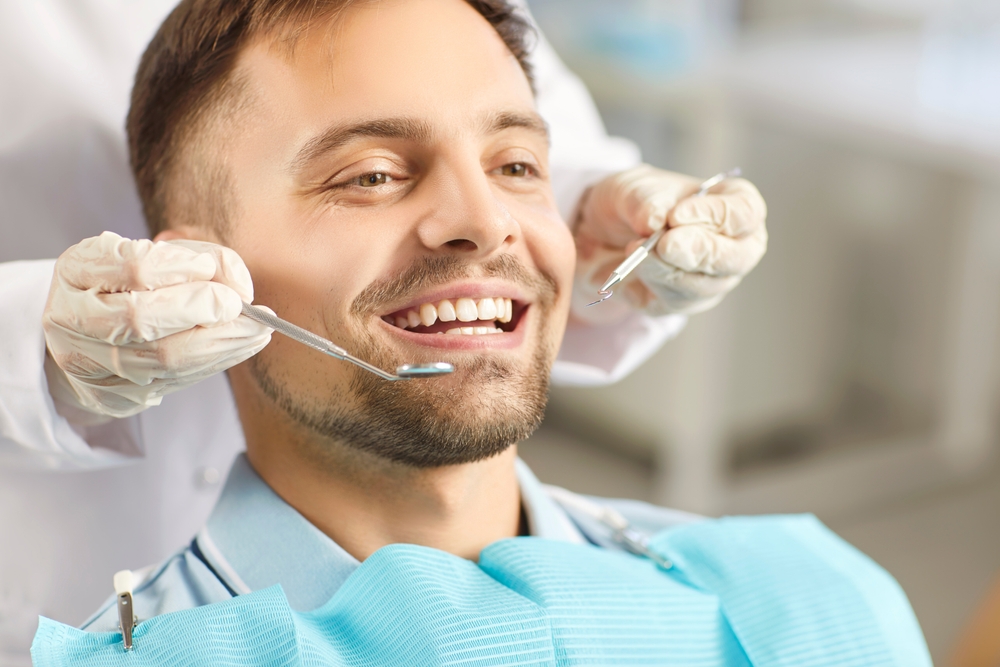
Seeing a dentist regularly and treating any active oral disease is an effective way to prevent bacterial transmission and strengthen your mouth’s immune defense.
A healthy lifestyle supports oral health

A balanced diet, stable mouth pH, proper sleep, good breathing habits, and consistent oral hygiene routines all help keep your mouth’s immune system strong.
Also read: Doctor reveals the hidden ‘red flags’ that your heart might be struggling
Kissing boosts saliva flow

Saliva has antibacterial and healing properties. When you kiss, saliva production increases, helping protect teeth from acids and harmful bacteria.
Kissing releases feel-good chemicals

Kissing triggers dopamine, oxytocin, and serotonin, which can reduce inflammation and support the immune system, a surprising bonus for your overall health.
Kissing can strengthen tooth enamel
Saliva contains minerals like calcium and phosphate that protect and rebuild enamel. Less stress from affection can also reduce teeth grinding.
Good oral hygiene is key

To enjoy all the benefits of kissing without sharing harmful bacteria, both partners should maintain good oral hygiene and visit their dentist regularly.
Also read: Here’s what happens when you eat an apple before bed
This article is based on information from Health Digest.
Also read: Osteoarthritis? Scientists reveal an unexpected treatment that can significantly reduce pain