
The timing of menopause is linked to genetics, health and lifestyle.
But is it possible to influence when it begins? Here is what experts say, according to Health.
There is no proven method

There is currently no method that has been proven to reliably delay menopause.
Genetics play a major role

Genetics are the most important known factor in determining when menopause begins.
Also read: 8 warning signs of autoimmune disease most people mistake for stress or aging
A mother's age at menopause is often associated with her daughter's age at menopause.
Hormone levels gradually decline
In the period leading up to and during menopause, the ovaries gradually produce less estrogen and progesterone.
Timing is linked to health

According to Health, women who reach menopause later have been found to have a lower risk of conditions including heart disease and osteoporosis.
This shows an association, but it does not mean that delaying menopause itself would reduce these risks.
Also read: For infections no antibiotic can touch, doctors just got their first global treatment guide
Chemotherapy can affect the ovaries

According to Health, chemotherapy can accelerate ovarian aging and contribute to menopause beginning earlier.
Childhood adversity may play a role

Adverse experiences during childhood are also mentioned as an environmental factor that may be associated with earlier ovarian aging.
Smoking is linked to ovarian aging

Smoking is a significant factor that experts associate with effects on the ovaries.
Exercise may reduce the risk of early menopause

Regular physical activity can support metabolic health.
Also read: Two in three alcohol labels say 'drink responsibly'. Almost none mention cancer.
It may be associated with a lower risk of early menopause, but exercise has not been shown to delay menopause.
Diet may also play a role

Health mentions the Mediterranean diet as a dietary pattern that may support metabolic health.
However, there is no evidence that following this diet changes the timing of menopause.
Metabolism can affect the ovaries
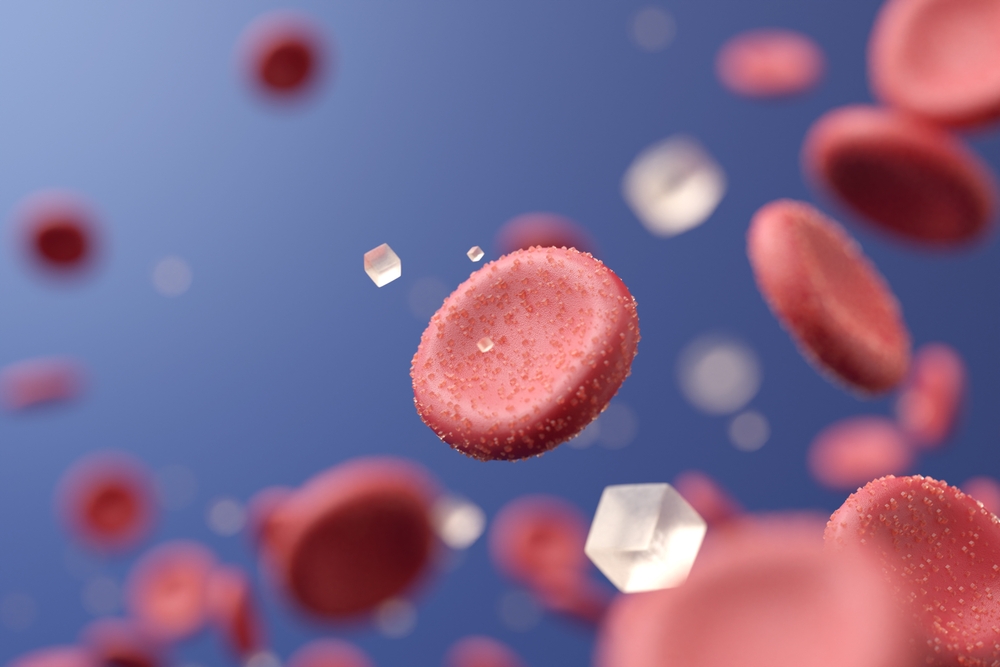
When the body has greater difficulty regulating blood sugar and metabolizing fat, activity in a process known as mTOR can increase.
Also read: Losing just 5 percent of your body weight could lower your cancer risk
According to the expert, increased mTOR activity may contribute to the ovaries losing more follicles.
Rapamycin is being studied

The drug rapamycin inhibits mTOR and has shown promising results in studies involving mice.
Research into whether it can delay menopause in humans is still at an early stage.
Light therapy lacks solid evidence

According to the expert, there is no solid evidence that red light therapy can change the timing of menopause.
Also read: These common medications may pose risks for older adults
Oxygen therapy also has no proven effect

Treatment with pure oxygen in a pressurized chamber has been promoted as a potential option, but there is no solid evidence that it can slow ovarian aging. The treatment may also involve risks.
The focus can be on staying healthy through menopause

Experts recommend focusing on factors including sleep, stress management, and limiting alcohol and processed foods.
Some women may also benefit from hormone therapy to ease the transition and reduce its effects on health.
This article is made and published by Ida-Marie Palm Varbæk, who may have used AI in the preparation.