
Can your plate make a difference for your skin? Many people with psoriasis hope so — and quite a few are trying. Here are 10 key things to know before you change your diet in hopes of calming this chronic skin condition.
Many try to eat their way out of psoriasis

A surprising number of people with psoriasis — around 40 percent — have attempted to change their diet to improve their skin. But how effective is it, really?
The internet is full of advice — but not all of it is trustworthy

A quick Google search for “diet and psoriasis” yields thousands of tips and recipes. But separating solid science from wishful thinking can be a challenge.
Anti-inflammatory diets are often recommended
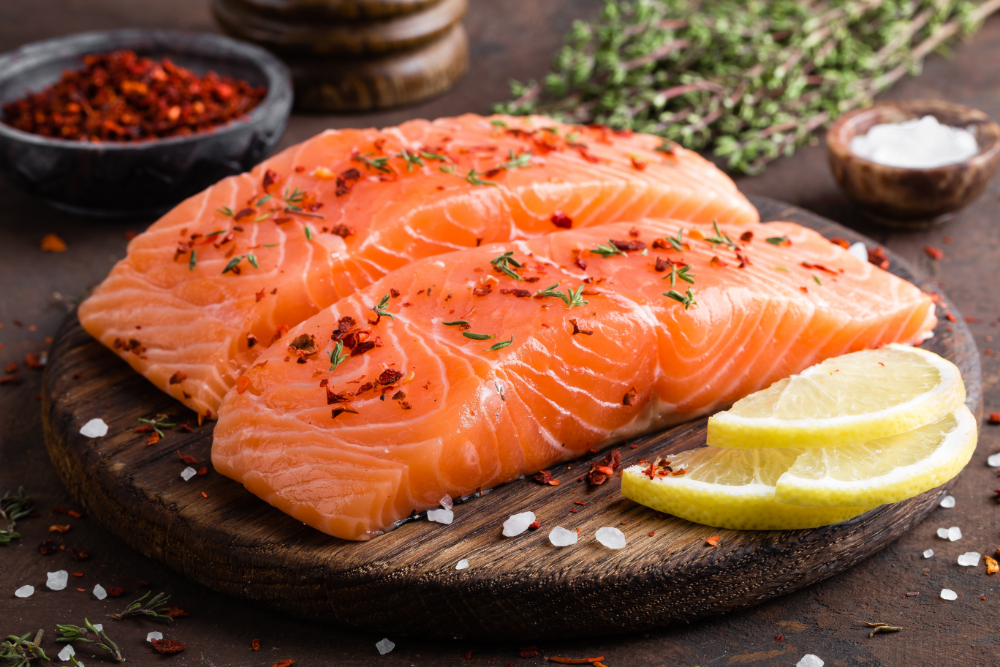
Plans that emphasize foods like fatty fish, vegetables, berries, and nuts claim to reduce inflammation — and therefore potentially reduce flare-ups. But what’s the evidence?
But does it actually work?
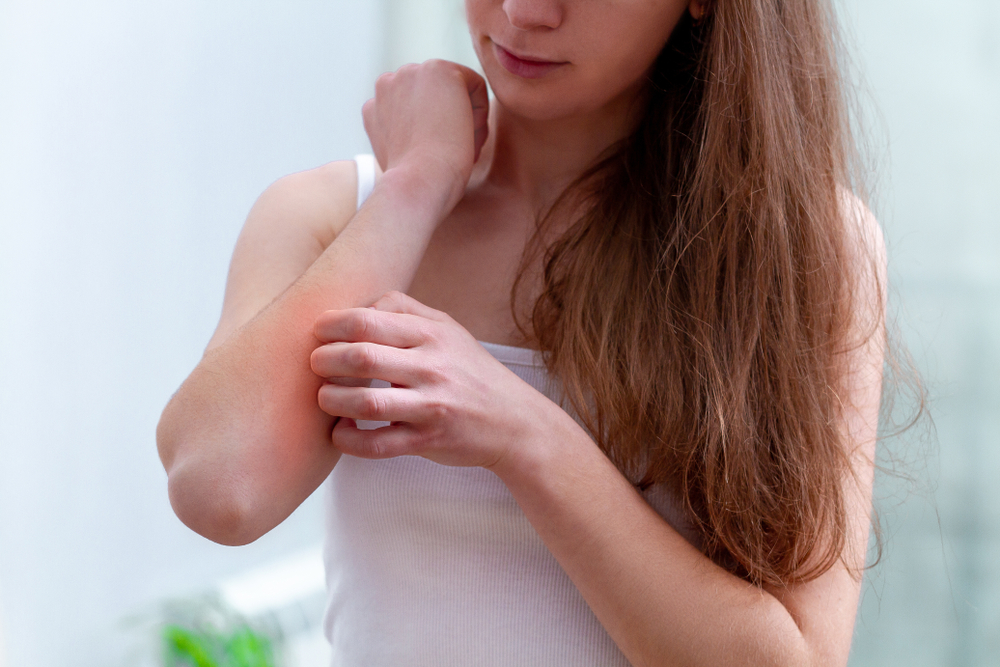
According to top dermatologists, there’s no conclusive proof that diet alone can clear psoriasis. However, some changes might help improve symptoms for certain people.
Weight loss can lead to noticeable improvement

Obesity is a known risk factor for psoriasis. That means diets leading to weight loss may reduce symptoms and improve overall well-being in some patients.
Supplements are popular — but approach with caution
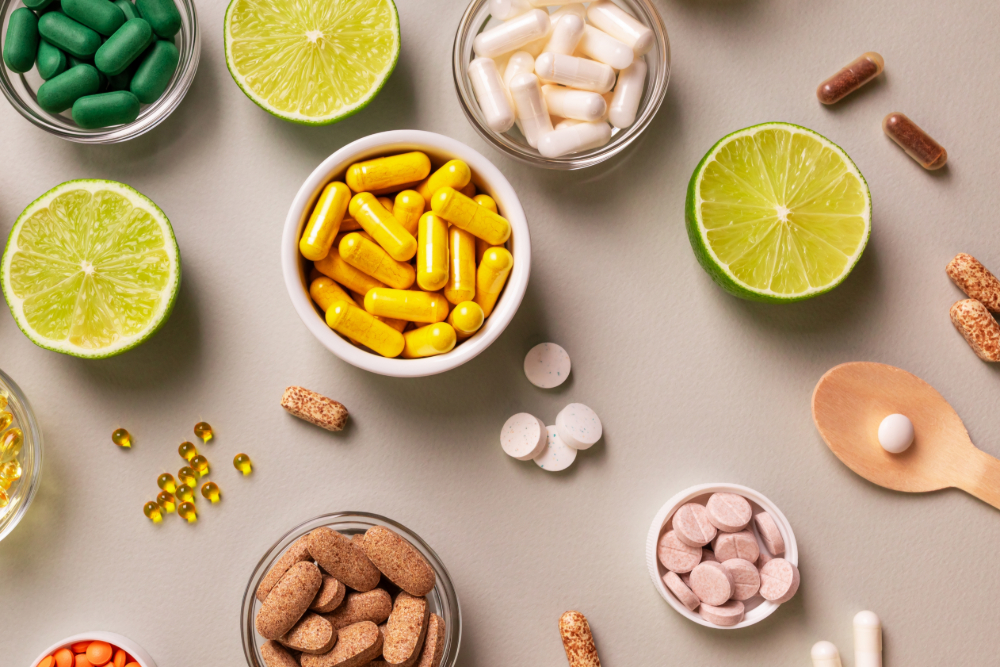
Many try fish oil, vitamin D, or zinc supplements. While there may be benefits, experts recommend consulting a healthcare provider before spending money on over-the-counter “solutions.”
Experts warn against miracle cures

It’s tempting to follow flashy online health “gurus,” but dermatologists warn: psoriasis is a complex disease, and no single diet works for everyone.
Your gut and your skin are more connected than you think
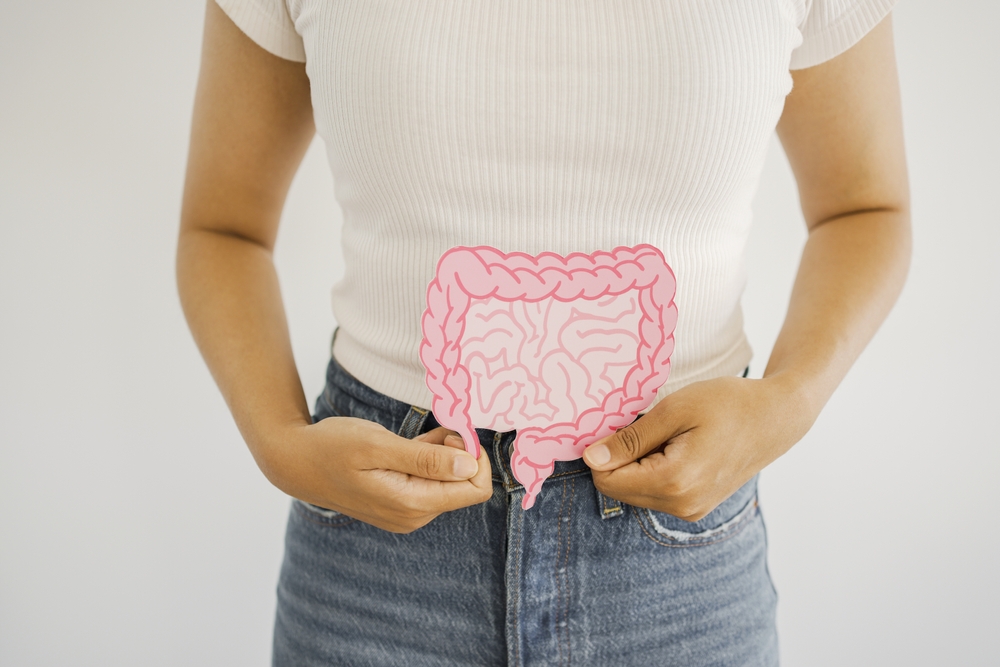
The gut is home to immune cells — especially T-cells — that are also found in the skin. A healthy gut microbiome may therefore play a key role in skin health.
Science is still exploring the diet-skin link

Researchers are still piecing together the relationship between food and psoriasis. But a generally healthy lifestyle does appear to make a positive impact.
The best advice: listen to your body

While diet won’t cure psoriasis overnight, some people find relief when cutting certain foods. If it works for you — and it’s safe — it may be worth exploring, preferably with medical guidance.
This article is based on information from Videnskab
This article is made and published by Mie Hermansen, who may have used AI in the preparation.