
Many people believe that cheese is completely off-limits if you are lactose intolerant, but this is not the case.
Several types of cheese contain very little lactose and can be tolerated in moderate amounts, according to Real Simple.
Here is a selection of cheeses that are often easier to digest.
Parmesan
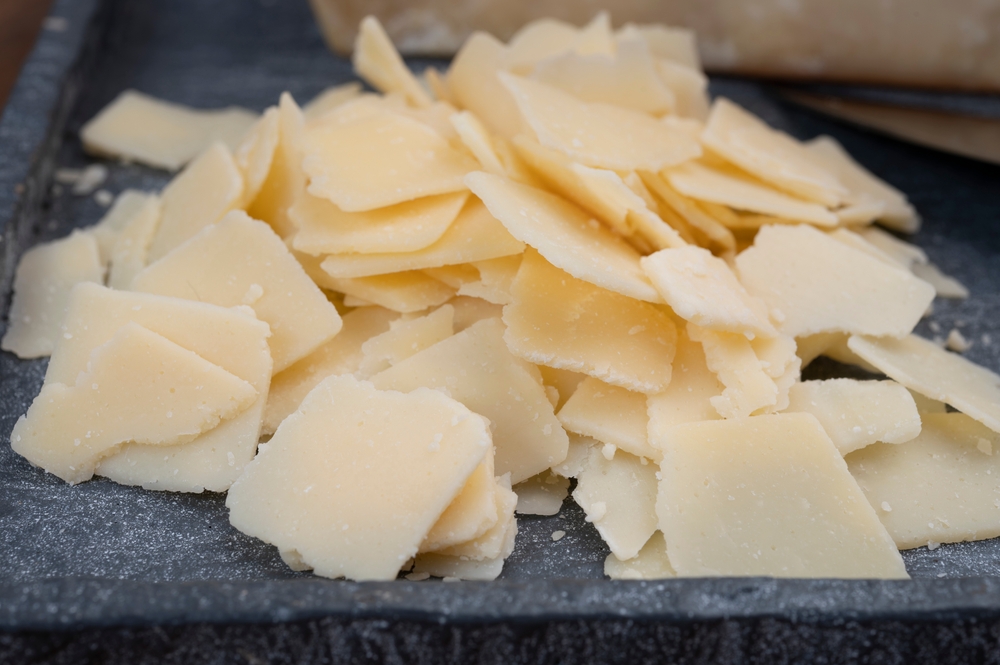
Parmesan contains between 0 and 3.2 percent lactose and is a hard cheese with an intense flavor. It is often used on pasta, pizza, or in egg dishes.
Also read: Why weight loss medication doesn’t work for you
Feta
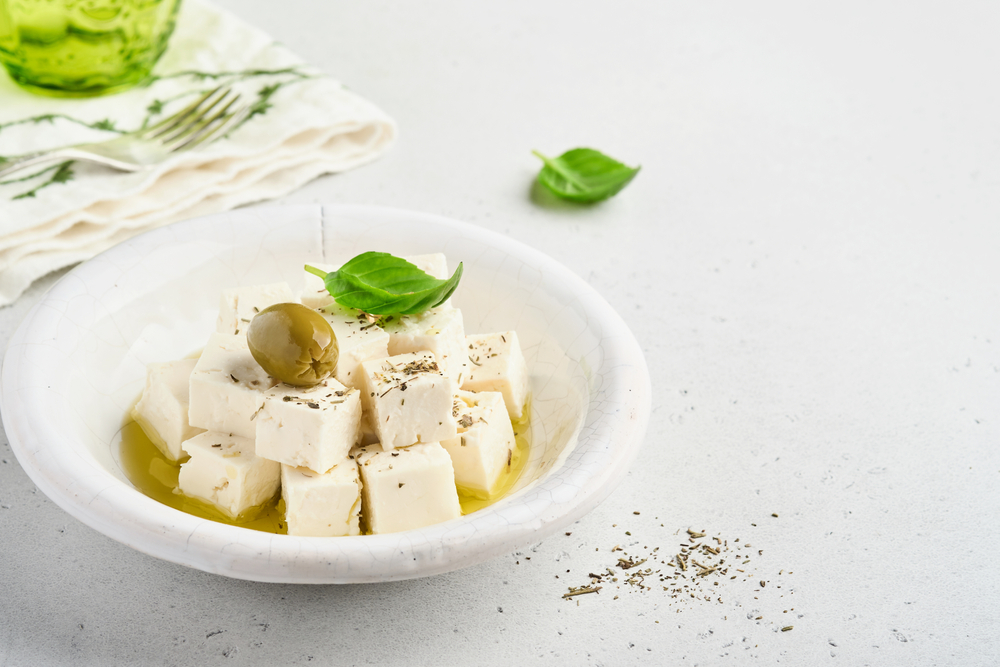
Feta has a very low lactose content of approximately 0.5 to 1.5 percent and is also lower in fat than many other cheeses.
It also provides important vitamins and minerals.
Provolone
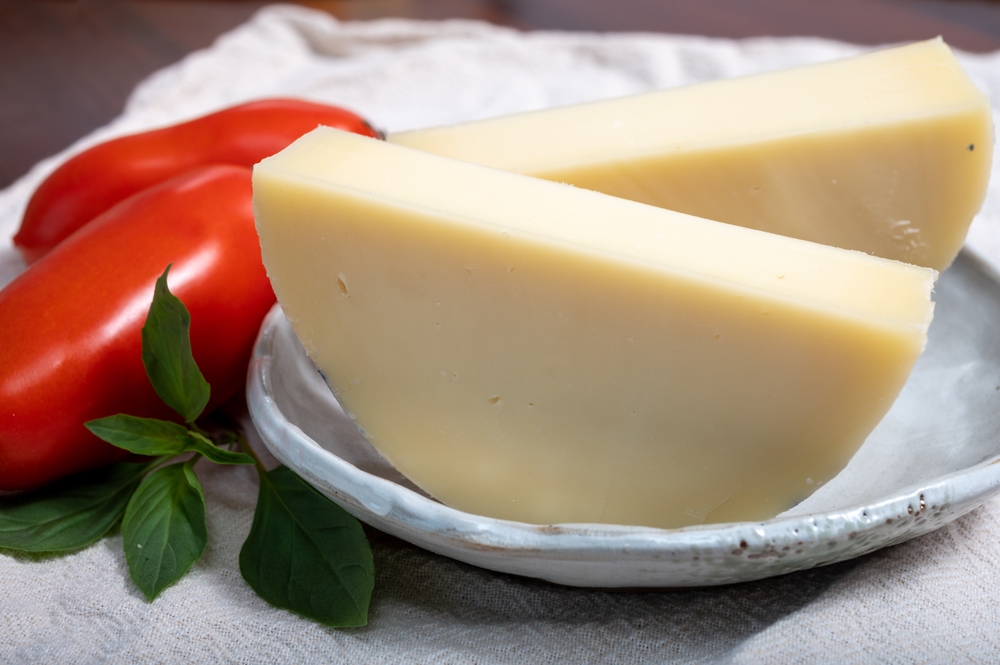
Provolone has a lactose content of up to 2.1 percent and a buttery flavor. It is often used in sandwiches, gratins, and on pizza.
Havarti
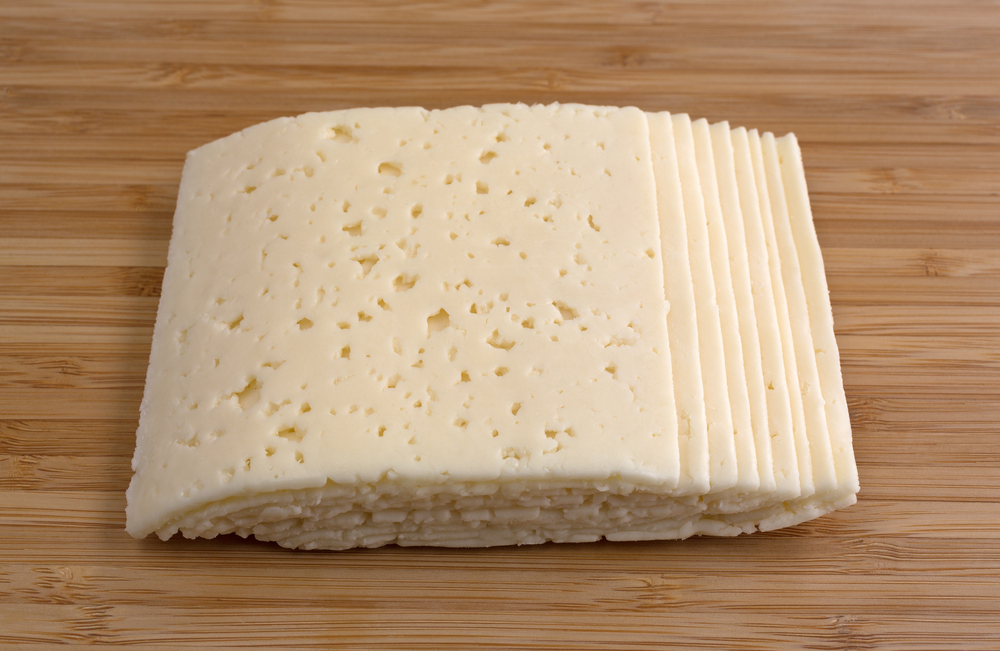
Havarti has a very low lactose content of around 0.1 to 2 percent. Its mild flavor makes it suitable for sandwiches or melted in hot dishes.
Also read: Study: Women take iron supplements without knowing when they need them
Cheddar
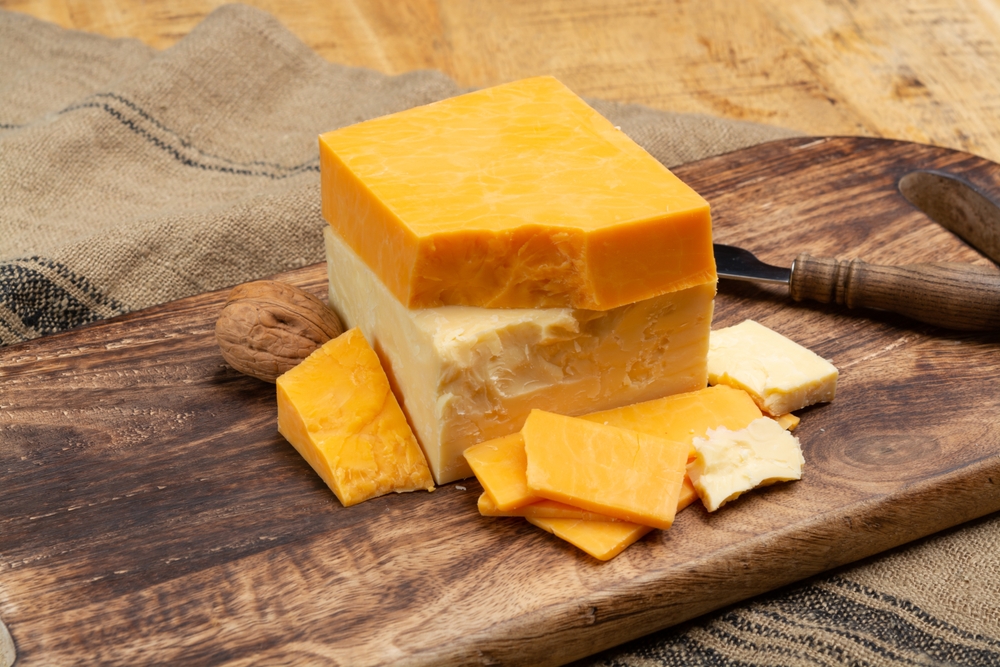
Cheddar contains between 0 and 2.1 percent lactose and has a slightly crumbly, nutty texture. It works well in dishes such as mac and cheese or cheese sauce.
Blue cheese
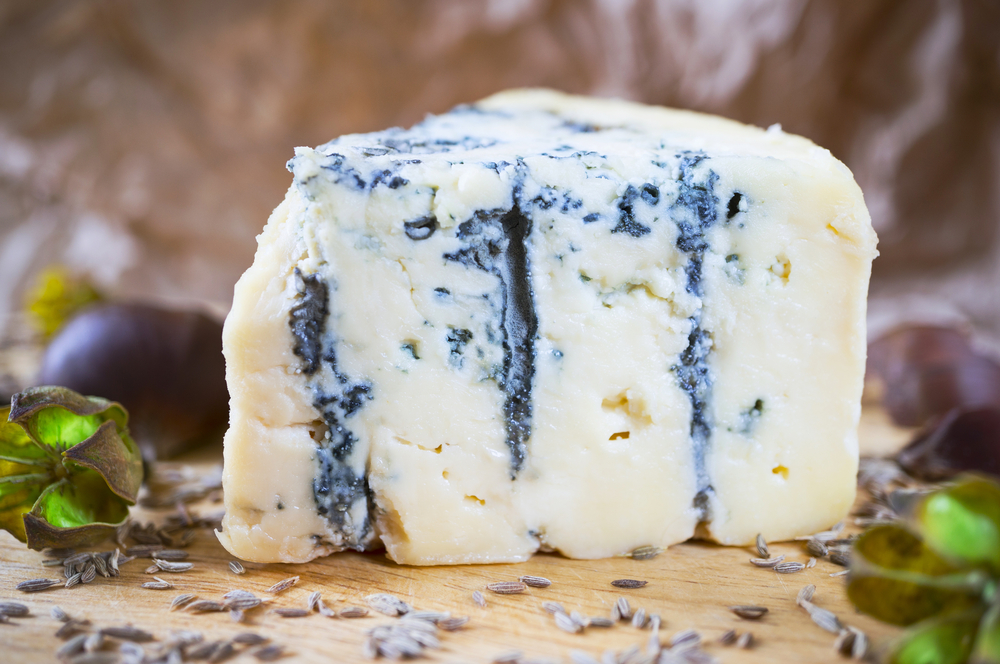
Blue cheese has a lactose content of up to 2.5 percent. It has a strong and salty flavor and is often used in salads.
Gouda
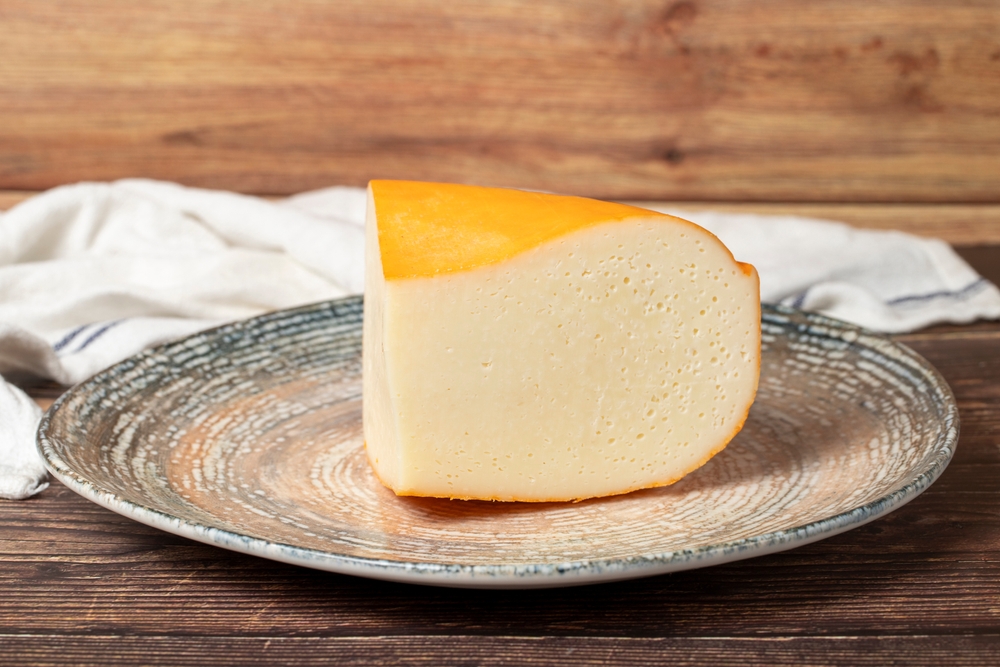
Gouda contains between 0 and 2.2 percent lactose and may have a slightly sweet taste. It works well in toast or in hot dishes.
Munster
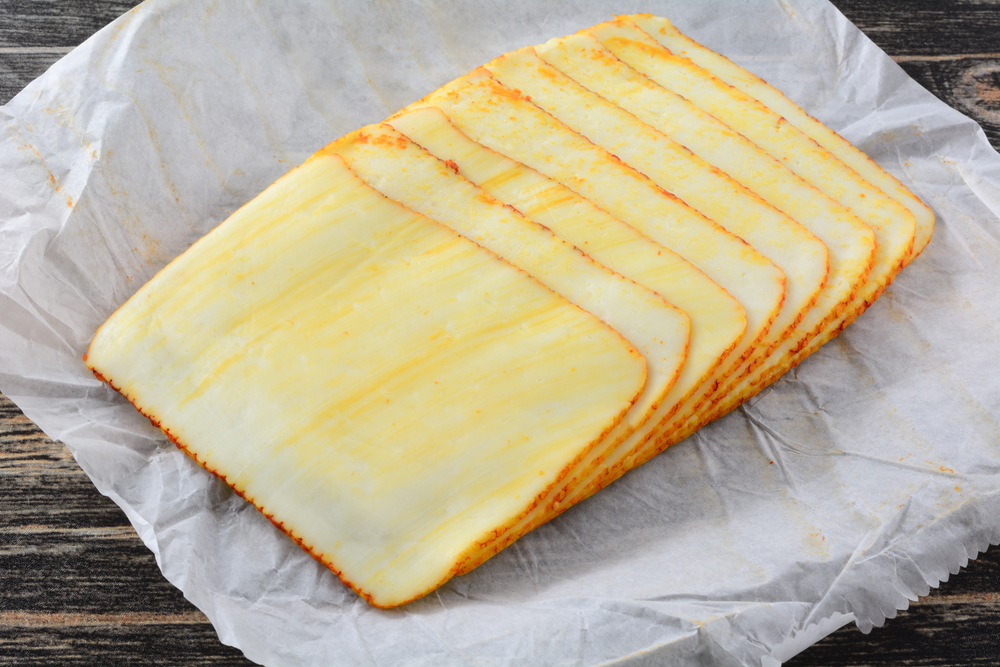
Munster contains between 0 and 1.1 percent lactose and is a semi-mild cheese with a slightly nutty flavor. It is often used in sandwiches or as cubes on a cheese board.
Also read: Doctor warns: Ultraprocessed food may be worse than smoking
Swiss cheese
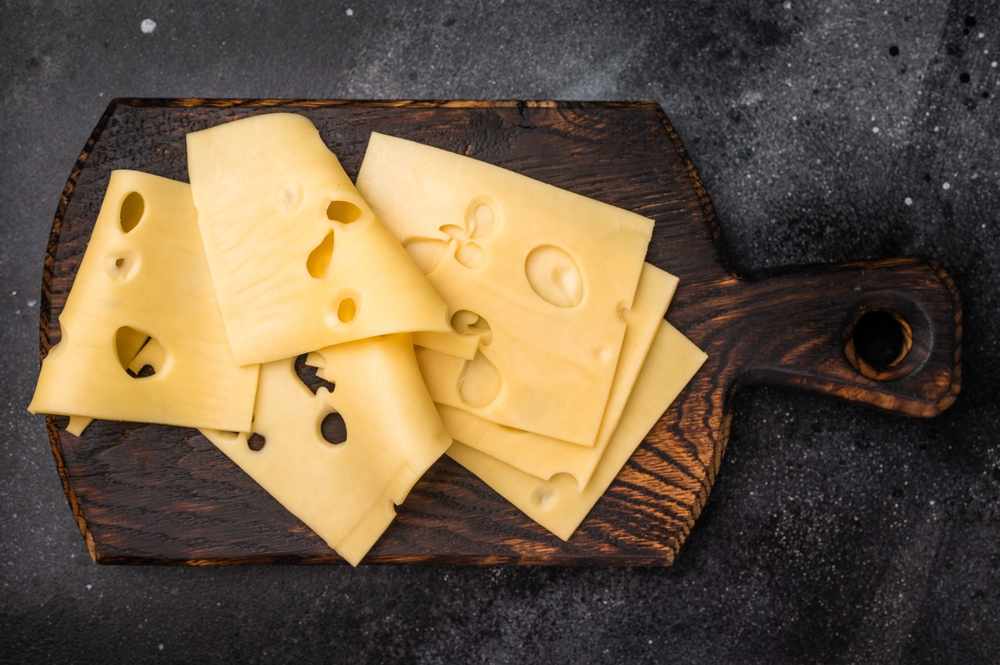
Swiss cheese has a lactose content of up to 3.4 percent and a firm texture. It is well suited for sandwiches, wraps, or omelets.
Camembert
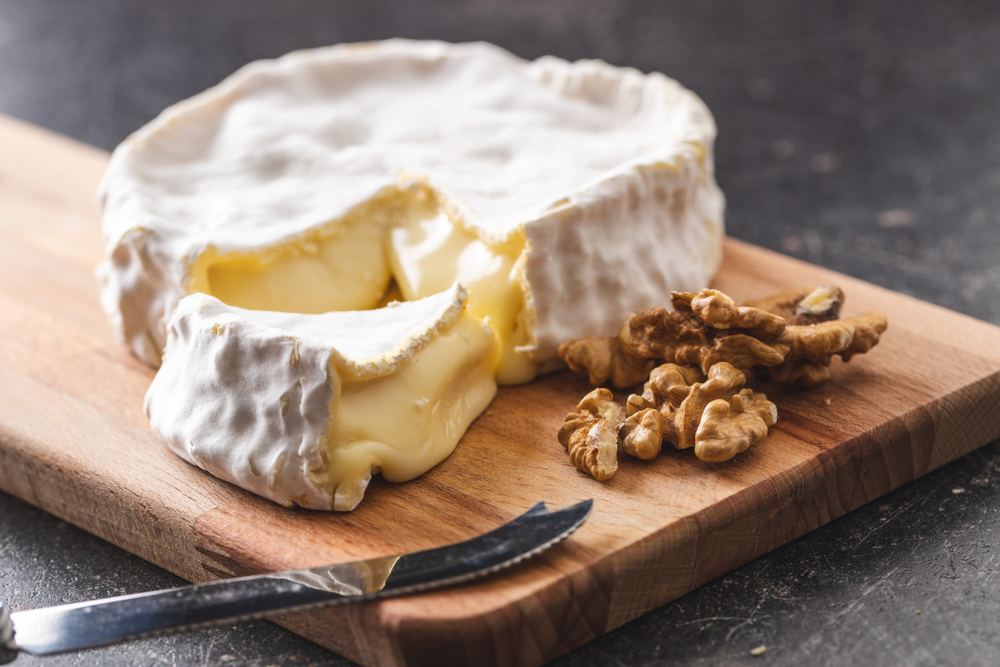
Camembert has a lactose content of approximately 0 to 1.8 percent and is known for its soft and creamy consistency.
It has a milky and slightly grassy flavor, and the rind is edible.
Brie
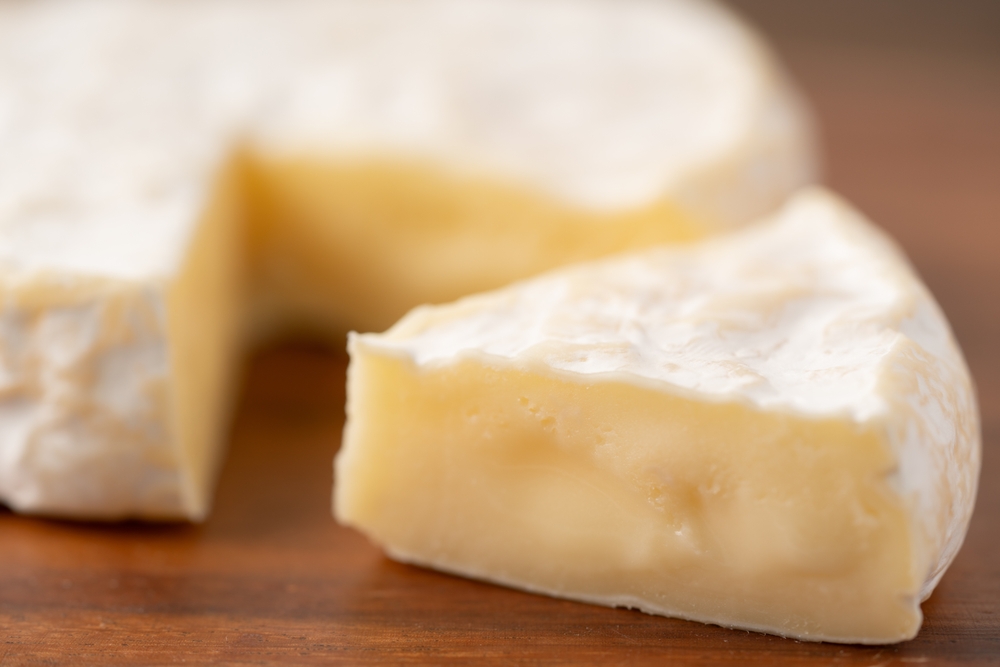
Brie is similar to camembert but has a slightly higher lactose content of up to 2 percent.
Also read: How 8 hours of sleep affects your body and mind
This creamy cheese is used in baked goods, paired with fruit, or served on cheese boards.
Goat cheese
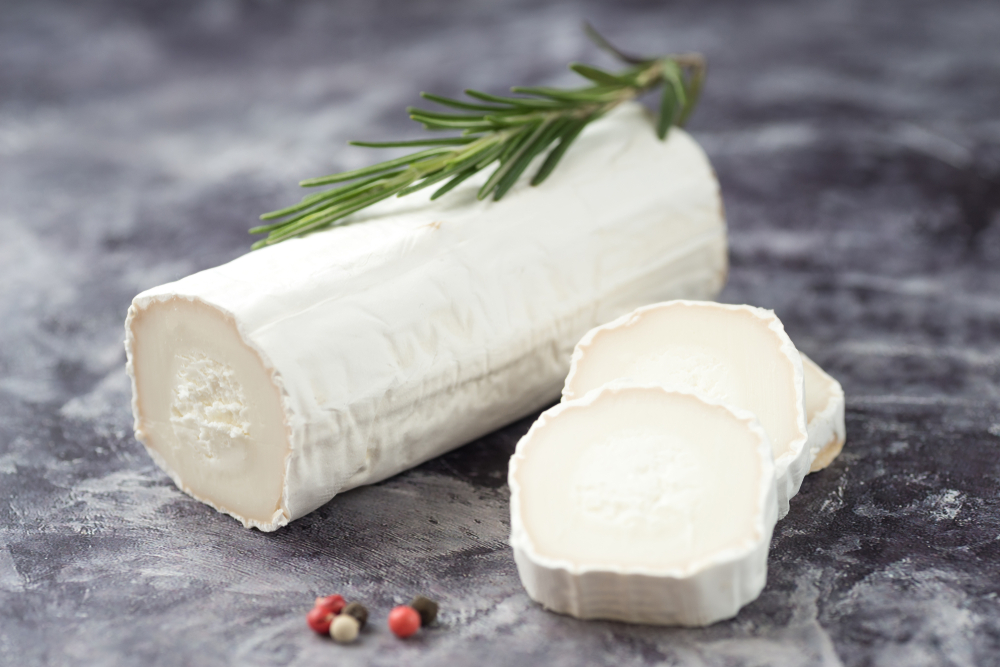
Cheese made from goat’s milk generally contains less lactose than cheeses made from cow’s milk.
It is available in both soft and hard varieties, with the harder types typically containing even less lactose.
Limburger
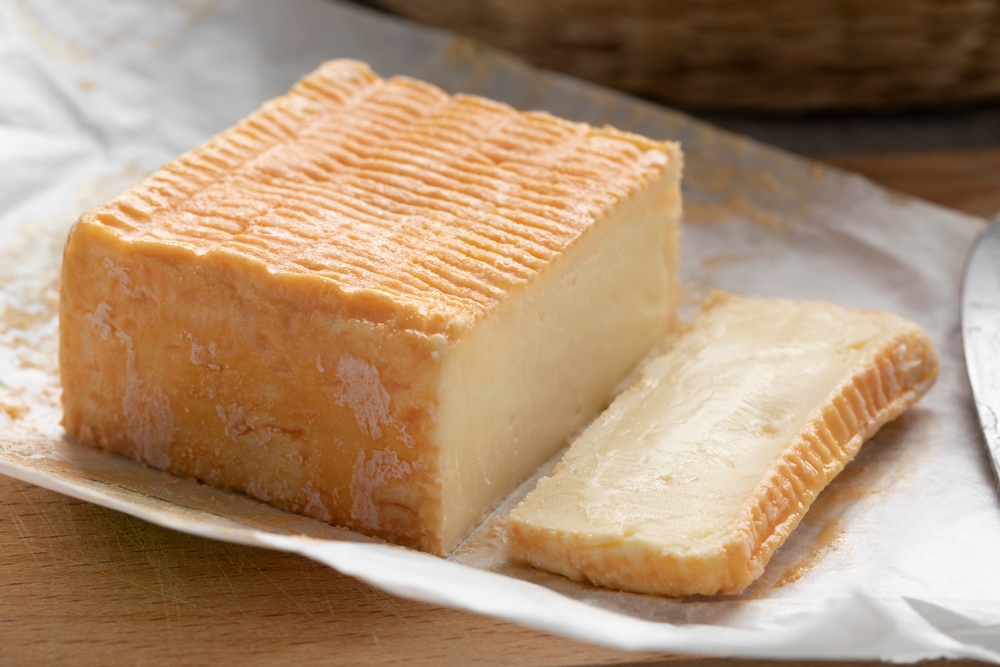
Limburger contains around 2 percent lactose and has a strong smell and flavor. It is soft and creamy and is often served on bread or crackers.
Also read: New hope for diabetics – insulin could become a pill
Sources: Real Simple
This article is made and published by Ida-Marie Palm Varbæk, who may have used AI in the preparation.