
Some types of medication can affect fetal development or increase the risk of complications.
That is why pregnant women should always consult a doctor before starting, stopping, or changing any medication, according to Health Digest.
Isotretinoin

Isotretinoin is used to treat severe acne.
During pregnancy, it can lead to miscarriage, premature birth, heart defects, cleft palate, and developmental problems.
Also read: 8 warning signs of ADHD in adults that often go unrecognized for years
Warfarin

Warfarin is a blood thinner.
The drug can cross the placenta and affect the development of the baby's bones, cartilage, and nervous system.
Certain antibiotics

Aminoglycosides, tetracyclines, and fluoroquinolones can be harmful during pregnancy.
They may affect hearing, tooth development, and fetal development.
Also read: Food safety experts warn about a common watermelon mistake
Methotrexate

Methotrexate inhibits cell division and is used to treat several medical conditions.
The drug can cause severe birth defects and, in some cases, fetal death.
NSAID pain relievers
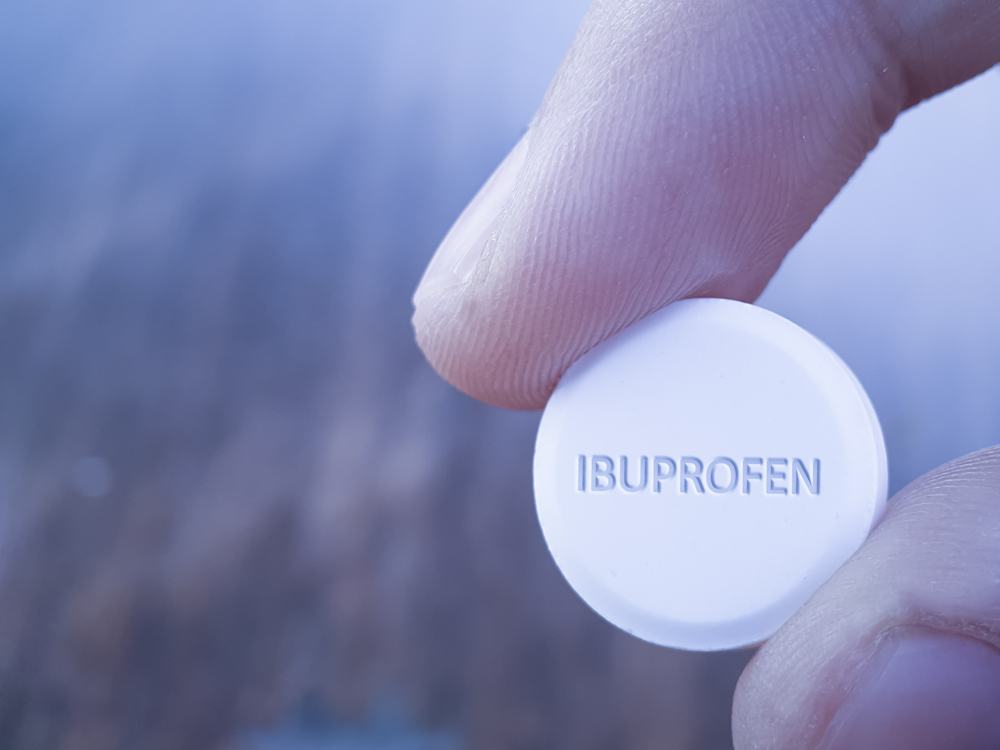
Ibuprofen, naproxen, and other NSAID medications should be avoided, especially from week 20 of pregnancy.
They can affect the baby's kidneys and reduce the amount of amniotic fluid.
Thalidomide

Thalidomide can cause severe harm to the developing fetus.
It may result in missing or underdeveloped arms and legs, among other serious birth defects.
ACE inhibitors and ARBs

These medications are used to treat high blood pressure.
They can damage the baby's kidneys and lead to low levels of amniotic fluid.
Also read: Harvard study finds this profession has the highest risk of radiation-related cancer
Benzodiazepines

Benzodiazepines are commonly used to treat anxiety, sleep disorders, and seizures.
They may increase the risk of low birth weight, breathing problems, and withdrawal symptoms in the newborn.
Primaquine

Primaquine is used to treat malaria.
It should be avoided during pregnancy because it can cause severe anemia in the fetus.
Also read: 7 warning signs of colorectal cancer that are easy to miss or brush off
Certain epilepsy medications

Valproate, carbamazepine, phenytoin, and other anti-seizure medications can cause birth defects and affect a child's development.
Treatment should therefore be closely monitored by a doctor.
Certain cancer medications

Some forms of chemotherapy can harm the fetus, especially during early pregnancy.
Some medications should be avoided entirely, while others require careful medical assessment.
Certain medications for hyperthyroidism

Methimazole and carbimazole are generally not used during the first trimester.
Radioactive iodine must not be be used because it can destroy the developing baby's thyroid cells.
Certain HIV medications

Pregnant women with HIV should generally continue their treatment.
However, some antiretroviral medications may be associated with an increased risk of birth defects or impaired fetal growth.
This article is made and published by Ida-Marie Palm Varbæk, who may have used AI in the preparation.